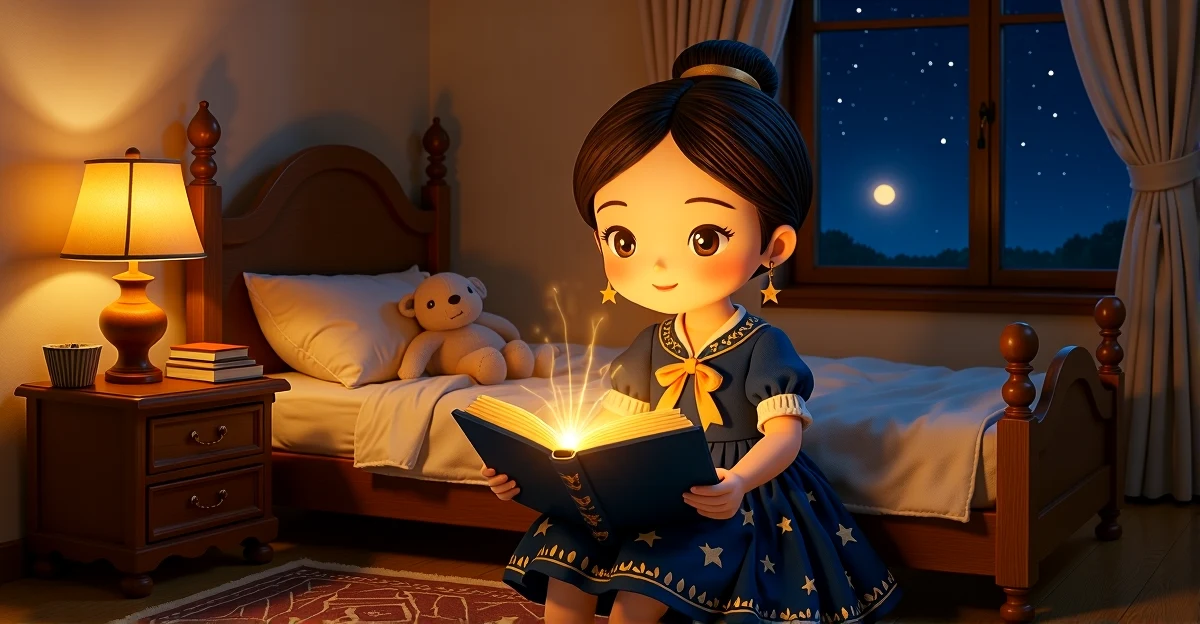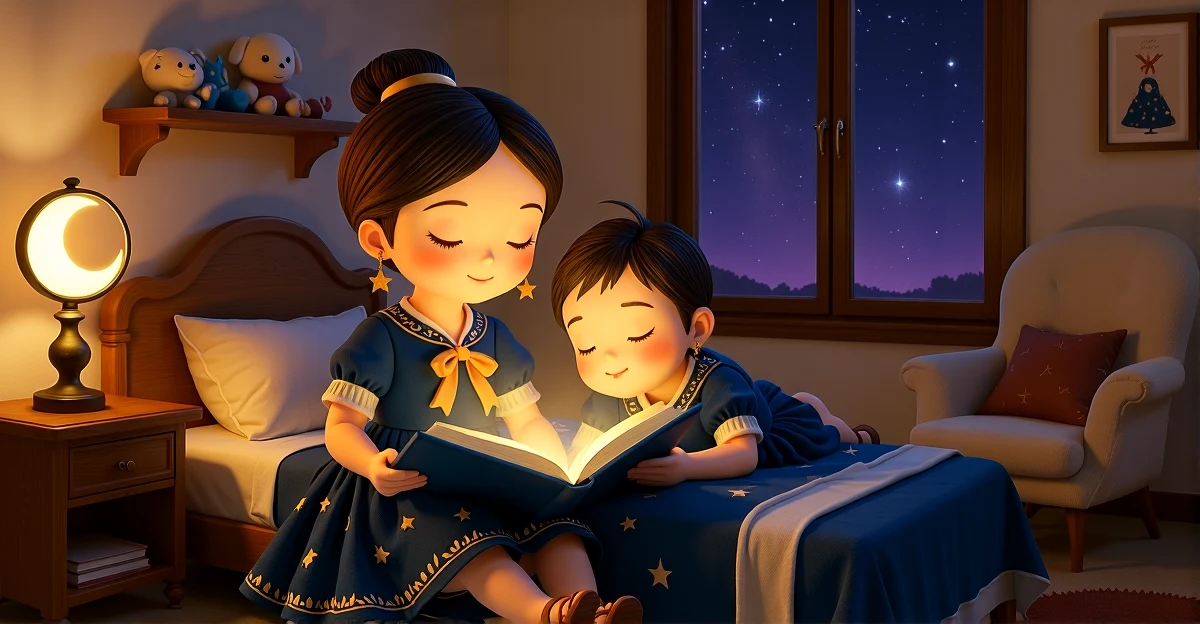

It's two in the morning, and you hear it. That sound that makes your heart race and your feet hit the floor before you're even fully awake. Your toddler is screaming. You rush to their room, and there they are, sitting up in bed, eyes wide open, crying inconsolably. You try to comfort them, to hold them, to soothe them with your voice, but nothing works. They don't even seem to see you. Your heart is breaking, and you feel so helpless.
If this is happening in your home, I want you to know something really important. You are not alone, and your child is going to be okay. What you're experiencing is called a sleep terror, and the Magic Book has taught me SO much about why this happens and how we can help our little ones through it.
Today, I'm going to share everything I've learned about night terrors in toddlers. We'll explore what's actually happening in your child's brain, what you can do during these episodes, and most importantly, how to help prevent them. Understanding this changes everything.
What Are Night Terrors?
Here's the surprising truth that changes how you see these episodes. When your toddler wakes up screaming like this, they're not actually fully awake. I know that sounds strange because their eyes are open and they seem terrified, but their brain is in a very special in-between state.
Night terrors, also called sleep terrors, are a type of parasomnia that occurs during non-REM sleep. About two to three hours after falling asleep, sometimes a child's brain has a little hiccup in transitioning between sleep stages. The part of their brain that controls the fight-or-flight response becomes overexcited while they're still mostly asleep.
So your little one appears awake and terrified, but they're actually in a partial sleep state. They won't remember this episode in the morning. Not at all. And here's something else that might surprise you: THIS is completely normal development.
Night Terrors vs. Nightmares: What's the Difference?
Many parents confuse night terrors with nightmares, but they're actually quite different:
- Night terrors happen during non-REM sleep, usually 2-3 hours after falling asleep. The child appears awake but is actually in a partial sleep state and won't remember the episode.
- Nightmares happen during REM sleep, usually in the early morning hours. The child is actually awake, can be comforted, and will remember the scary dream.
During a night terror, your child might sit upright, scream, have rapid breathing and heartbeat, and appear terrified. But they're not fully conscious, and attempting to wake them usually doesn't work.
Why Do Night Terrors Happen?
The Magic Book and the research both point to the same beautiful truth: night terrors are a sign of normal brain development. Your child's brain is growing and learning at an incredible rate right now. They're absorbing so much every single day, and sometimes, that amazing brain just needs a little time to smooth out its sleep patterns.
"The area of the brain that controls fight-or-flight responses becomes overexcited while the child is partially awake, creating an intense but unconscious experience."
— Dr. Amy W. Anzilotti, Nemours KidsHealth
Sleep terrors are most common in children under thirteen, and they almost always grow out of them naturally before their teen years. This isn't a sign that something is wrong with your child. It's just their developing brain learning how to move smoothly through sleep cycles.
Common Triggers for Night Terrors
While night terrors are normal, certain factors can make them more likely to occur:
- Sleep deprivation: When toddlers don't get enough sleep, their brains have a harder time transitioning smoothly between sleep stages.
- Stress and anxiety: Big changes like starting preschool, a new sibling, or moving to a new home can increase stress levels.
- Disrupted routines: Travel, illness, or changes to bedtime routines can trigger episodes.
- Overtiredness: Skipping naps or staying up too late can lead to overtiredness, which paradoxically makes sleep less restful.
- Illness or fever: Being sick can disrupt normal sleep patterns.
What to Do During a Night Terror Episode
I know when you're standing there at two in the morning watching your child scream and not responding to your comfort, it feels anything but normal. The Magic Book showed me that this is one of the hardest parts for parents. You want SO badly to help, to comfort, to make it stop.
But here's what the experts have learned, and this is really important:
"Attempting to wake your child usually doesn't work, and kids who do wake are likely to be confused and upset. Wait patiently until your child goes back to sleep."
— Mayo Clinic
Your Action Plan During an Episode
- Stay calm: Your calm presence matters, even if your child doesn't seem to notice you're there. Take deep breaths and remind yourself that this will pass.
- Ensure safety: Make sure your child can't hurt themselves if they're moving around. Remove any objects they might bump into, and gently guide them away from danger if needed.
- Don't try to wake them: Attempting to wake your child can prolong the episode and leave them confused and upset.
- Stay close: Sit quietly nearby. Your presence provides a sense of safety, even in their unconscious state.
- Wait patiently: Most night terrors last just a few minutes, though I know those minutes can feel like forever. Your child will naturally settle back into peaceful sleep.
- Don't discuss it in the morning: Since your child won't remember the episode, there's no need to bring it up. It might only create anxiety about bedtime.
Gentle Prevention Strategies That Work
Now let's talk about prevention, because THIS is where you have real power to help. The Magic Book and the research both point to the same gentle strategies.
1. Protect Your Child's Sleep
Consistent bedtime routines are like magic. They help your child's brain know what to expect, and that predictability reduces stress. Make sure your little one is getting enough total sleep for their age. For toddlers aged 2-3, that usually means 11-14 hours in a twenty-four hour period, including naps.
2. Create a Calm Sleep Environment
Your child's sleep environment matters more than we sometimes realize:
- Keep the room at a comfortable temperature (not too hot or cold)
- Ensure the room is dark enough to support deep sleep
- Use gentle white noise if it helps your child sleep more soundly
- Remove stimulating toys or screens from the bedroom
3. Manage Stress and Big Changes
Pay attention to stress in your child's life. Big changes, new experiences, even exciting things like starting preschool or welcoming a new sibling can increase the likelihood of night terrors. During these times, add extra connection and comfort to your bedtime routine. Maybe five more minutes of snuggles, an extra story, or a special goodnight ritual. These moments of connection help your child's nervous system feel safe and calm.
4. Try Scheduled Awakening (If Patterns Are Consistent)
If your child has night terrors around the same time every night, you can try something called scheduled awakening. About fifteen to thirty minutes before the usual time of the night terror, gently rouse your child just enough that they shift position or murmur, but don't fully wake them up. This can sometimes reset their sleep cycle and prevent the terror from happening. It doesn't work for everyone, but it's worth trying if the pattern is very consistent.
Stories That Can Help Build Nighttime Security
Now, here's something beautiful. While stories can't stop night terrors (because remember, night terrors happen when your child is unconscious), they CAN help build nighttime security and comfort during the times your child is awake. In The Book of Inara, we have stories that bring these concepts to life for your child:
The Gentle Glow of Friendship
Perfect for: Ages 2-3
What makes it special: This story directly addresses nighttime fears through the gentle narrative of Ayli feeling scared during a nighttime bathroom trip. When Ayli and her best friend Igar share comforting hugs, their night light glows brighter. It's such a tender story about how connection and comfort help us feel safe in the dark.
Key lesson: Comfort, connection, and gentle reassurance help children feel safe at night. The magical element of the night light glowing brighter with hugs provides a concrete, comforting metaphor for how love and support help us feel safe in the dark.
How to use it: Read this story during your bedtime routine, and it becomes part of that calming, connecting time that helps prevent night terrors from happening in the first place. After reading, you might create your own nighttime comfort ritual—maybe a special hug that makes your own night light glow brighter in your child's imagination, or a gentle touch on their forehead that means, "I'm here, you're safe, sweet dreams."
These rituals become anchors of security that help your child's nervous system stay calm through the night.
When to Talk to Your Pediatrician
For most families, night terrors are just a phase. A challenging phase, absolutely. But a temporary one. However, there are times when it's worth talking to your pediatrician:
- Night terrors are happening very frequently (multiple times per week)
- Episodes last longer than thirty minutes
- Your child seems very sad or fearful during the day
- The episodes are causing significant disruption to family sleep
- You're concerned about other sleep issues like snoring or breathing pauses
Sometimes night terrors can be related to other sleep issues like sleep apnea, or they might be a sign that your child needs extra support with stress or anxiety. Your doctor can help you figure out if there's anything else going on that needs attention.
You're Doing Beautifully
I want you to know something. You're doing beautifully. I know it doesn't feel that way when you're exhausted and worried and watching your child scream without being able to comfort them. But you are. You're here, learning, seeking to understand, wanting to help in the gentlest way possible. That makes you an amazing parent.
Your child's brain is growing and developing at an incredible rate right now. They're learning so much every single day. And sometimes, that amazing brain just needs a little time to smooth out its sleep patterns. With your patience, your calm presence, and your consistent routines, you're giving your child exactly what they need to move through this phase successfully.
The Magic Book and I believe in you. We believe in your child. And we believe in the power of love, patience, and gentle routines to carry you through this challenging time. You've got this, wonderful parent. And we're always here for you, with stories and wisdom and starlight, whenever you need us.
Sweet dreams to you and your little one. With love and starlight, Inara.
Related Articles
- Understanding Night Terrors in Preschoolers: A Gentle Guide
- Understanding Your Toddler's Sensitivity to Loud Sounds (And How to Help)
- Understanding Your Child's Fear of Animals (And How to Help)
- Understanding Toddler Stranger Anxiety: A Gentle Guide for Parents
- Understanding Night Terrors and Bedtime Fears in Young Children (Ages 4-5)
Show transcript
Hello, wonderful parent! It's me, Inara, and I am so glad you're here today. You know, the Magic Book and I have been hearing from so many parents who are going through something really challenging. You put your little one to bed, everything seems peaceful, and then suddenly, a few hours later, you hear screaming. You rush to their room, and your toddler is sitting up, eyes wide open, crying inconsolably, and nothing you do seems to help. Your heart is racing, you're worried, and you feel so helpless. If this is happening in your home, I want you to know something really important. You are not alone, and your child is going to be okay.
What you're experiencing is called a sleep terror, and the Magic Book has taught me so much about why this happens and how we can help our little ones through it. Today, I want to share everything I've learned with you, because understanding what's happening in your child's brain changes everything.
First, let me tell you what's actually happening during a sleep terror. When your toddler wakes up screaming like this, here's the surprising truth. They're not actually fully awake. I know that sounds strange because their eyes are open and they seem terrified, but their brain is in a very special in-between state. About two to three hours after falling asleep, during what's called non-REM sleep, sometimes a child's brain has a little hiccup in transitioning between sleep stages. The part of their brain that controls the fight-or-flight response, that ancient protective system we all have, becomes overexcited while they're still mostly asleep.
So your little one appears awake and terrified, but they're actually in a partial sleep state. They won't remember this episode in the morning. Not at all. And here's something else that might surprise you. This is completely normal development. Sleep terrors are most common in children under thirteen, and they almost always grow out of them naturally before their teen years. This isn't a sign that something is wrong with your child. It's just their developing brain learning how to move smoothly through sleep cycles.
Now, I know when you're standing there at two in the morning watching your child scream and not responding to your comfort, it feels anything but normal. The Magic Book showed me that this is one of the hardest parts for parents. You want so badly to help, to comfort, to make it stop. But here's what the experts have learned, and this is really important. Attempting to wake your child during a sleep terror usually doesn't work, and it can actually make the episode last longer. When children do wake up during one of these episodes, they often feel confused and upset, which makes everything harder for both of you.
So what can you do? The most helpful thing is to stay calm, stay close, and keep your child safe. Make sure they can't hurt themselves if they're moving around. Sit quietly nearby. Your presence matters, even if they don't seem to notice you're there. And then, wait patiently. Most sleep terrors last just a few minutes, though I know those minutes can feel like forever. Your child will naturally settle back into peaceful sleep, and in the morning, they won't remember any of it happened.
Now let's talk about prevention, because this is where you have real power to help. The Magic Book and the research both point to the same gentle strategies. Sleep terrors are more likely to happen when children are overtired, stressed, or when their sleep routine has been disrupted. So the most important thing you can do is protect your child's sleep. Consistent bedtime routines are like magic. They help your child's brain know what to expect, and that predictability reduces stress. Make sure your little one is getting enough total sleep for their age. For toddlers, that usually means ten to thirteen hours in a twenty-four hour period, including naps.
Pay attention to stress in your child's life too. Big changes, new experiences, even exciting things like starting preschool or a new sibling can increase the likelihood of sleep terrors. During these times, add extra connection and comfort to your bedtime routine. Maybe five more minutes of snuggles, an extra story, or a special goodnight ritual. These moments of connection help your child's nervous system feel safe and calm.
And speaking of bedtime rituals, the Magic Book and I have a beautiful story I want to tell you about. It's called The Gentle Glow of Friendship, and it's about Ayli and her best friend Igar. In this story, Ayli feels scared during a nighttime bathroom trip, and she discovers something wonderful. When she and Igar share comforting hugs, their night light glows brighter. It's such a tender story about how connection and comfort help us feel safe in the dark.
Now, this story won't stop sleep terrors, because remember, sleep terrors happen when your child is unconscious. But what this story does is help build nighttime security and comfort during the times your child is awake. It teaches them that nighttime doesn't have to be scary, that comfort and connection are always available, and that love makes everything feel safer. You can read this story during your bedtime routine, and it becomes part of that calming, connecting time that helps prevent sleep terrors from happening in the first place.
After you read The Gentle Glow of Friendship together, you might create your own nighttime comfort ritual. Maybe a special hug that makes your own night light glow brighter in your child's imagination. Maybe a gentle touch on their forehead that means, I'm here, you're safe, sweet dreams. These rituals become anchors of security that help your child's nervous system stay calm through the night.
Let me share a few more practical tips the Magic Book has taught me. If your child has sleep terrors around the same time every night, you can try something called scheduled awakening. About fifteen to thirty minutes before the usual time of the sleep terror, gently rouse your child just enough that they shift position or murmur, but don't fully wake them up. This can sometimes reset their sleep cycle and prevent the terror from happening. It doesn't work for everyone, but it's worth trying if the pattern is very consistent.
Also, make sure your child's sleep environment is calm and comfortable. Not too hot, not too cold. Dark enough to support deep sleep. Quiet, or with gentle white noise if that helps. These environmental factors matter more than we sometimes realize.
And here's something important. If sleep terrors are happening very frequently, lasting longer than thirty minutes, or if your child seems very sad or fearful during the day, it's worth talking to your pediatrician. Sometimes sleep terrors can be related to other sleep issues like sleep apnea, or they might be a sign that your child needs extra support with stress or anxiety. Your doctor can help you figure out if there's anything else going on that needs attention.
But for most families, sleep terrors are just a phase. A challenging phase, absolutely. But a temporary one. Your child's brain is growing and developing at an incredible rate right now. They're learning so much every single day. And sometimes, that amazing brain just needs a little time to smooth out its sleep patterns. With your patience, your calm presence, and your consistent routines, you're giving your child exactly what they need to move through this phase successfully.
I want you to know something else. You're doing beautifully. I know it doesn't feel that way when you're exhausted and worried and watching your child scream without being able to comfort them. But you are. You're here, learning, seeking to understand, wanting to help in the gentlest way possible. That makes you an amazing parent.
The Magic Book and I believe in you. We believe in your child. And we believe in the power of love, patience, and gentle routines to carry you through this challenging time. You've got this, wonderful parent. And we're always here for you, with stories and wisdom and starlight, whenever you need us.
Sweet dreams to you and your little one. With love and starlight, Inara.