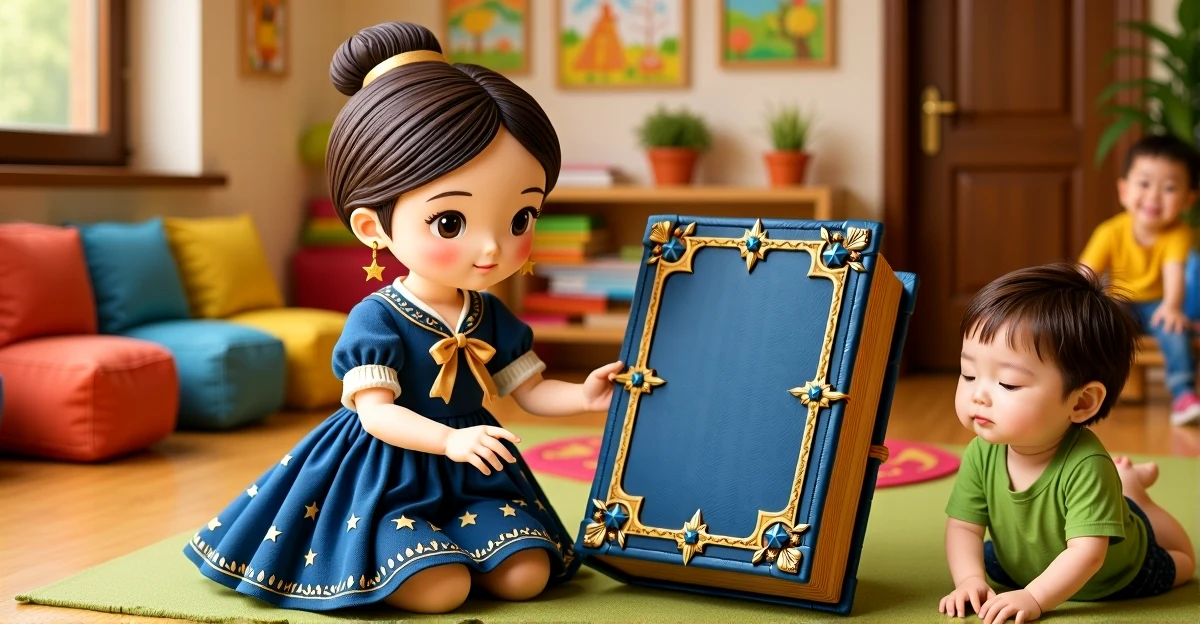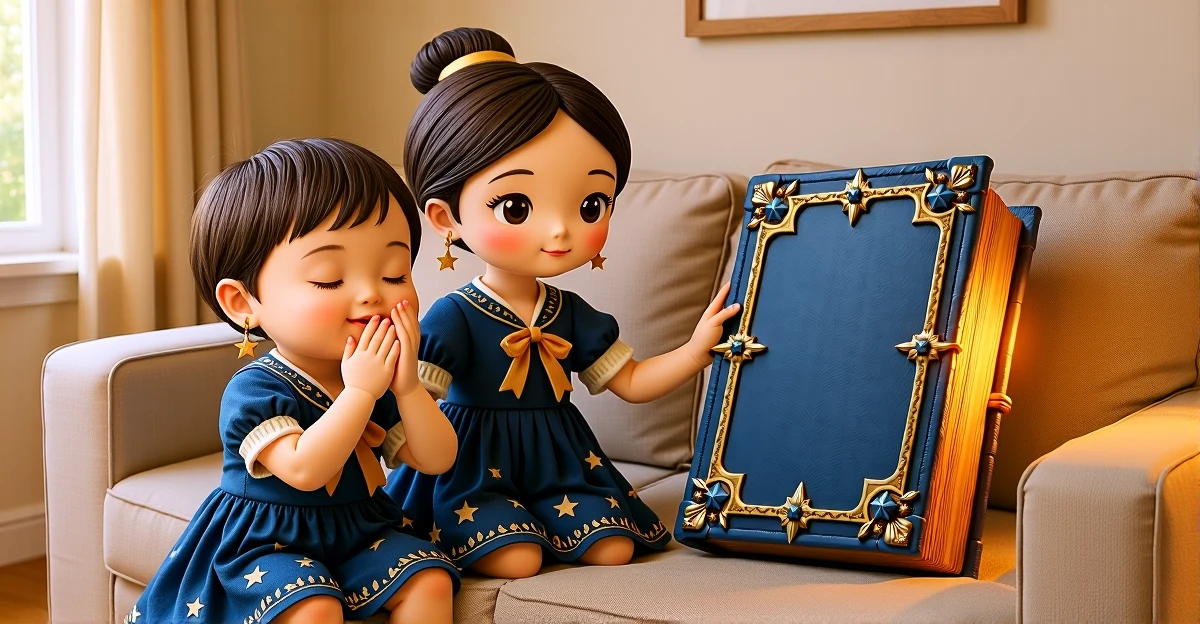

Your beautiful toddler is at the playground, happily exploring the slide. Then a friendly neighbor approaches with a warm smile and a cheerful hello. Suddenly, your little one darts behind your legs, buries their face in your shoulder, or even starts to cry. You feel the neighbor's confusion, maybe some judgment. You wonder: Is something wrong? Why is my child so afraid of people?
Let me tell you something WONDERFUL. You're not alone in this experience, and nothing is wrong with your child. What you're witnessing is called stranger anxiety, and it's one of the most beautiful signs of healthy development happening in your toddler's growing brain.
In this guide, I'll share what child development research reveals about stranger anxiety, why it's actually a positive milestone, and gentle strategies to support your child's social confidence as they navigate this completely normal phase. By the end, you'll understand that your child isn't being difficult—they're being brilliant.
What is Stranger Anxiety?
Stranger anxiety is your child's wariness or fear response when encountering unfamiliar people. Between ages two and three, many toddlers show this behavior by hiding behind parents, crying when strangers approach, refusing to make eye contact with new people, or becoming very quiet and withdrawn in unfamiliar social situations.
Here's what makes this SO fascinating. When your toddler was a tiny baby, everyone looked pretty much the same to them. But now, their brain has developed this AMAZING ability to distinguish between familiar faces and unfamiliar ones. They know who keeps them safe. They know who loves them. They know YOU. And that knowing, that deep attachment security, is what makes new people feel uncertain.
The Raising Children Network, supported by child development experts across Australia, explains it beautifully: when children react to strangers by crying, fussing, going very quiet, looking fearful, or hiding behind parents, they're not being difficult. They're communicating. They're saying, "I'm not sure about this person yet. I need to feel safe first."
Why Stranger Anxiety is Actually Healthy Development
Research from the University of Wisconsin-Madison, led by Dr. Rebecca Brooker and her colleagues, followed children from infancy through toddlerhood to understand the development of stranger fear. Their findings are reassuring for every parent navigating this phase.
Stranger fear is a normal developmental phase that typically increases between 6-12 months and begins to stabilize in the second year of life. Individual differences in stranger fear trajectories exist, with some children showing chronically high levels while others show gradual increases or decreases over time.
— Dr. Rebecca Brooker, University of Wisconsin-Madison
What does this mean for you? It means every child follows their own timeline. Some children warm up quickly to new people. Others need more time. And both paths are perfectly healthy. Your child isn't broken or behind—they're developing exactly as they should.
The Brain Science Behind Stranger Anxiety
The National Center for Biotechnology Information explains that stranger anxiety emerges as infants and toddlers develop the cognitive ability to distinguish between familiar and unfamiliar people. This represents important growth in several areas:
- Cognitive Development: Your child's brain can now recognize and remember faces, distinguishing between people they know and people they don't.
- Attachment Security: Their wariness shows they've formed strong, healthy attachments to their primary caregivers.
- Emotional Awareness: They're learning to identify and respond to their own feelings of uncertainty or discomfort.
- Social Understanding: They're beginning to understand that different people play different roles in their life.
This isn't a problem to fix. This is wisdom. This is your child's nervous system protecting them while they learn who to trust.
When Does Stranger Anxiety Happen?
According to research, stranger anxiety typically emerges around 5-6 months of age, often intensifies between 6-12 months, and usually begins to ease by age 2. However—and this is SO important—individual variations are common and completely healthy.
Some children show minimal stranger anxiety. Others experience it more intensely. Some children move through it quickly, while others need more time. Dr. Brooker's research emphasizes that these individual differences in how children navigate social anxiety are normal variations in temperament, not deficits.
Think of it like learning to walk. Some children walk at 9 months, others at 15 months. Both are normal. Both are healthy. The same is true for social confidence. Your child is on their own perfect timeline.
Gentle Strategies That Actually Help
So what can you do to support your child through this phase? The research is beautifully clear: gentle encouragement, patient support, and allowing your child to warm up at their own pace are what work best.
1. Honor Their Timeline
If your child needs ten minutes to observe before engaging with someone new, give them that gift. Stay nearby, stay calm, and let them watch. There's no rush. There's no deadline. Your child is learning, and learning takes time.
2. Stay Calm and Close
Your presence is your child's secure base. When you stay calm and close, you're telling them: "You're safe. I'm here. You can explore when you're ready." This is exactly what attachment research shows children need to build genuine confidence.
3. Never Force Interactions
No required hugs. No pressure to sit on laps. No pushing them toward someone before they're ready. Your child's body belongs to them, and respecting their boundaries builds confidence and body autonomy.
4. Narrate What's Happening
You might say gently, "That's Mrs. Chen from next door. She's waving hello. We can wave back when you're ready." This helps your child understand the situation without pressure to perform.
5. Validate Their Feelings
Instead of saying "Don't be shy" or "There's nothing to be afraid of," try: "I see you're not sure about this person yet. That's okay. You can take your time." Validation teaches children that their feelings matter and that they can trust their instincts.
6. Model Friendly Interactions
When you interact warmly with new people while your child observes from their safe spot beside you, they're learning. They're watching how social interactions work. They're building a mental map of how to engage when they're ready.
7. Practice in Safe Spaces
Stories are WONDERFUL for this. When children hear stories about characters meeting new friends or navigating new situations, they're practicing social scenarios in a completely safe context. They can explore feelings, try on different responses, and build confidence—all from the safety of your lap.
What NOT to Do
Just as important as what helps is understanding what doesn't help—and might actually make things harder:
- Don't label your child as "shy": Labels can become self-fulfilling prophecies. Your child isn't shy—they're learning social confidence at their own pace.
- Don't apologize for your child's behavior: There's nothing to apologize for. Your child is developing normally.
- Don't compare them to other children: "Your cousin wasn't like this" doesn't help. Every child is unique.
- Don't force physical affection: Requiring hugs or kisses teaches children their boundaries don't matter. That's the opposite of what we want.
- Don't dismiss their feelings: "You're fine" or "Don't be silly" invalidates their very real emotions.
When Well-Meaning Relatives Don't Understand
This can be one of the hardest parts. Grandparents, aunts, uncles, or family friends might say things like "Oh, they're so shy!" or "They need to get over this." They might feel hurt or rejected. They might pressure you to make your child engage.
Here's what you can say: "They're learning to feel comfortable with people at their own pace. The best thing we can do is give them time and space. They'll warm up when they're ready."
You can also educate gently: "Research shows this is completely normal development. It means they've formed strong attachments to us, which is exactly what we want. They're not being rude—they're being developmentally appropriate."
Your job is to protect your child's emotional safety, even when that feels uncomfortable for adults. Your child will remember that you respected their boundaries. That's a gift that lasts a lifetime.
A Story That Can Help
In The Book of Inara, we have a beautiful story that helps children practice social confidence in the safest possible way:
The Magic Show Where Everything Says Hello
Perfect for: Ages 2-3
What makes it special: Anya and Noah discover a magical puppet theater where every prop giggles and introduces itself. They learn that new things and new people want to be their friends. The whole theater is full of gentle, playful introductions that model how meeting new friends can be fun and safe.
Key lesson: New people and new things can be friendly and welcoming, not scary. Children can take their time getting to know others, and that's perfectly okay.
How to use it: After reading this story together, you can play a game at home where toys or stuffed animals introduce themselves to your child. This gentle practice, in a completely safe space, helps build confidence for real-world social situations. Your child learns that new can be friendly, new can be fun, and they get to control the pace.
You're Doing Beautifully
When your child hides behind your legs, they're showing you they know who keeps them safe. When they cry around new people, they're communicating their needs. When they need time to warm up, they're honoring their own nervous system. And all of that is healthy. All of that is normal. All of that is BEAUTIFUL.
The research shows something wonderful: when parents respond to stranger anxiety with patience and validation rather than pressure or dismissal, children develop stronger emotional regulation skills. They learn to trust their instincts while also building social confidence. They learn that their feelings matter, that they're safe, and that they can navigate new situations with support.
You're giving your child the gift of patience. The gift of respect. The gift of a secure base from which to explore the world. And that gift will serve them for their entire life.
So the next time your toddler hides from a friendly stranger, take a deep breath. Smile at the stranger with understanding. Stay close to your child. And know that you're witnessing healthy development in action. Your child's brain is growing. Their attachment is secure. Their social awareness is emerging. And you're supporting them perfectly.
With love and starlight,
Inara
Related Articles
- Understanding Your Toddler's Need for Connection: The Journey from Attachment to Independence
- Understanding Your Toddler's Sensitivity to Loud Sounds (And How to Help)
- Understanding Your Toddler's Fear of the Dark: A Gentle Parenting Guide
- When Your Toddler Wakes Up Screaming: Understanding Night Terrors
- Building Trust and Security in Toddlers: A Gentle Parenting Guide
Show transcript
Hello, wonderful parent! It's me, Inara, and I am SO glad you're here today. You know, the Magic Book and I have been thinking about something that touches so many families. Maybe you're experiencing this right now. Your beautiful toddler, your precious little one, hides behind your legs when someone new says hello. They cry when a friendly neighbor waves. They bury their face in your shoulder at the playground when another child approaches. And you might be wondering, is something wrong? Why is my child so afraid?
Let me tell you something WONDERFUL. Nothing is wrong. Not one single thing. What you're seeing is actually your child's brain doing exactly what it's supposed to do at this age. It's called stranger anxiety, and it's one of the most beautiful signs of healthy development.
Here's what the research shows, and this is fascinating. When your toddler was a tiny baby, everyone looked pretty much the same to them. But now, between ages two and three, their brain has developed this AMAZING ability to distinguish between familiar faces and unfamiliar ones. They know who keeps them safe. They know who loves them. They know YOU. And that knowing, that deep attachment security, is what makes new people feel uncertain.
Dr. Rebecca Brooker and her colleagues at the University of Wisconsin studied this for years, following children from infancy through toddlerhood. And you know what they found? Stranger anxiety is completely normal. It typically emerges around five to six months, often intensifies between six and twelve months, and usually begins to ease by age two. But here's the important part. Every child follows their own timeline. Some children warm up quickly. Others need more time. And both paths are perfectly healthy.
The Raising Children Network, supported by child development experts, explains it beautifully. When your child hides or cries around new people, they're not being difficult. They're communicating. They're saying, I'm not sure about this person yet. I need to feel safe first. And that's not a problem to fix, my friend. That's wisdom. That's their nervous system protecting them while they learn who to trust.
Now, I know this can feel hard. Maybe you're at a family gathering and your little one won't leave your side. Maybe you're worried about preschool or playdates. Maybe well-meaning relatives say things like, oh, they're so shy, or they need to get over this. But here's what I want you to know. Your child isn't shy in a way that needs fixing. They're learning. They're developing social awareness at exactly the pace that's right for them.
So what helps? The research is so clear on this. Gentle encouragement. Patient support. Allowing your child to warm up at their own pace. Never forcing interactions. Never pushing them toward someone before they're ready. Instead, you stay calm. You stay close. You become their secure base while they observe and learn.
Think of it like this. Imagine you're learning to swim. Would you want someone to throw you into the deep end? Or would you want to start in the shallow water, with someone you trust right beside you, letting you get comfortable at your own pace? Your child is learning to swim in the social world. And you're their safe person, their anchor, while they build confidence.
Here are some beautiful strategies that work. First, honor their timeline. If your child needs ten minutes to observe before engaging, give them that gift. Stay nearby, stay calm, and let them watch. Second, narrate what's happening. You might say gently, that's Mrs. Chen from next door. She's waving hello. We can wave back when you're ready. Third, never force physical contact. No required hugs, no pressure to sit on laps. Your child's body belongs to them, and respecting their boundaries builds confidence.
And here's something magical. Stories can help SO much with this. The Magic Book and I have a story called The Magic Show Where Everything Says Hello. It's about Anya and Noah discovering a magical puppet theater where every prop giggles and introduces itself. They learn that new things and new people want to be their friends. The whole theater is full of gentle, playful introductions.
After you read this story together, you can play a game at home. Maybe the stuffed animals introduce themselves. Maybe the toys say hello. This gentle practice, in a safe space, helps your child build confidence for real-world social situations. They're learning that new can be friendly. New can be fun. And they get to control the pace.
The research shows something beautiful. When parents respond to stranger anxiety with patience and validation, children develop stronger emotional regulation skills. They learn to trust their instincts while also building social confidence. They learn that their feelings matter, that they're safe, and that they can navigate new situations with support.
Dr. Brooker's research emphasizes that individual differences in how children navigate social anxiety are normal variations in temperament, not deficits. Some children are naturally more cautious. Some are more outgoing. Both temperaments are gifts. Both have strengths. Your job isn't to change who your child is. Your job is to support them in becoming the fullest version of themselves.
So here's what I want you to remember. When your child hides behind your legs, they're showing you they know who keeps them safe. When they cry around new people, they're communicating their needs. When they need time to warm up, they're honoring their own nervous system. And all of that is healthy. All of that is normal. All of that is BEAUTIFUL.
You're doing such a wonderful job. You're giving your child the gift of patience. The gift of respect. The gift of a secure base from which to explore the world. And that gift will serve them for their entire life.
The Magic Book and I are always here for you. Find The Magic Show Where Everything Says Hello in The Book of Inara. Read it together. Play with it. Let it be a gentle helper as your child builds social confidence at their own perfect pace.
Sweet dreams and warm hellos, my wonderful friend. Until our next adventure together!