
Maybe your little one fills your home with endless chatter, questions, laughter, and stories. But when you're at school pickup, the park, or visiting extended family, something shifts. Your child goes completely silent. Not shy whispers, not quiet responses - complete silence. And you're wondering: What's happening? Why won't they speak?
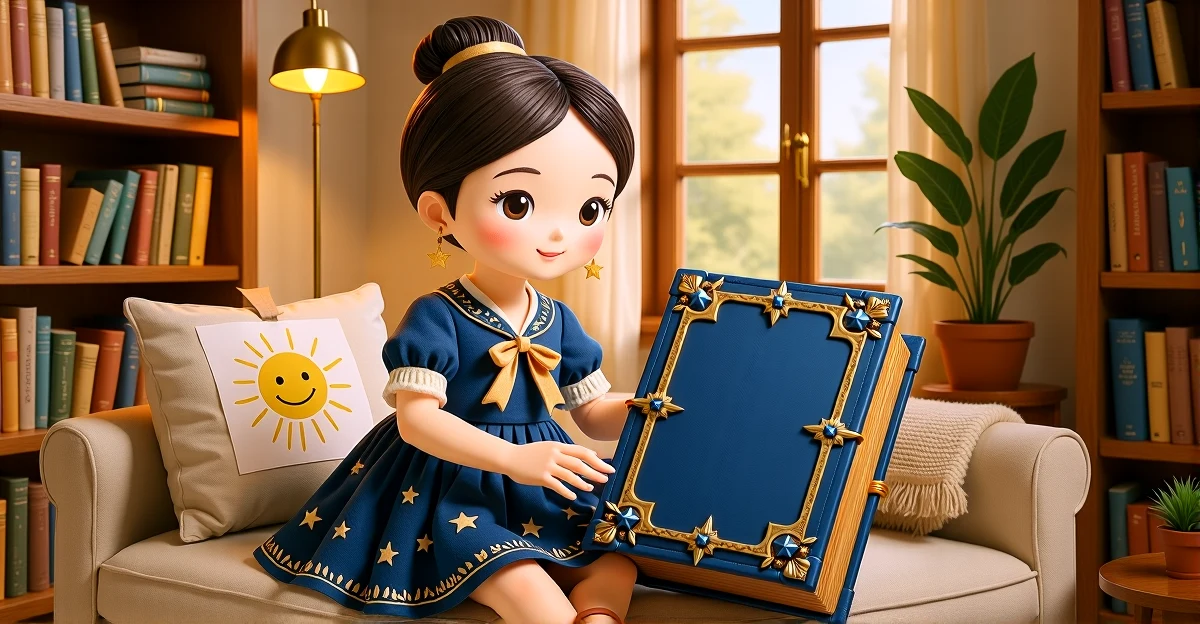
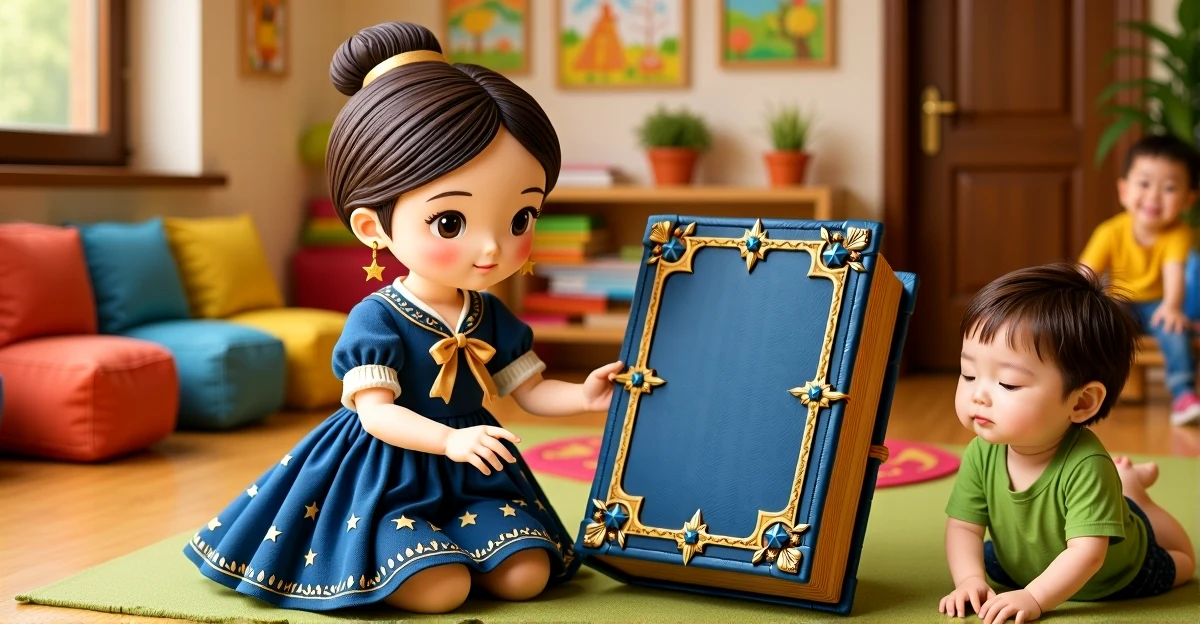
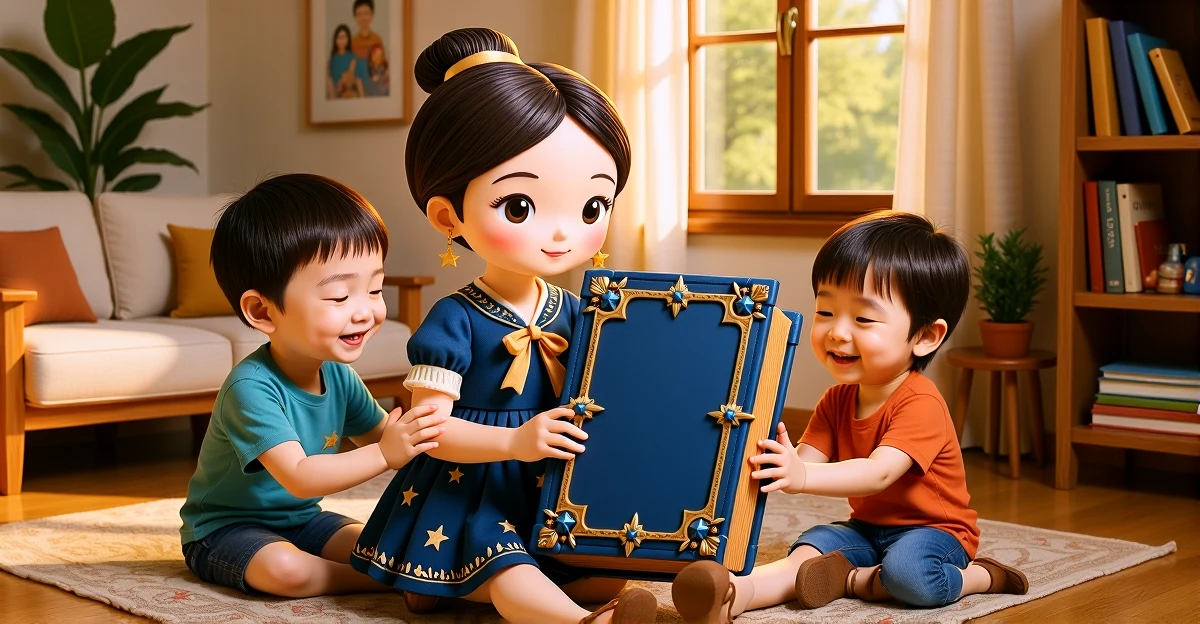
First, I want you to know something really important. You're not alone in this, and your child is not being stubborn or defiant. What you're witnessing is called selective mutism, and it's rooted in anxiety, not choice. The Magic Book has taught me so much about this, and I want to share what research shows us about supporting children through this challenge.
In this post, we'll explore what selective mutism really is, why it happens, what the latest research tells us, and most importantly, the gentle, evidence-based strategies that help children find their voice in their own time.
What Is Selective Mutism?
Selective mutism is an anxiety-based condition where children speak comfortably in safe environments like home but experience overwhelming fear that actually blocks their ability to speak in certain social situations. This typically emerges before age five, right when children are starting school and encountering more social situations.
Here's what's so important to understand: your child's silence isn't a choice. Their brain is experiencing real anxiety that literally prevents speech from happening. Research shows that about 80 percent of children with selective mutism also meet criteria for social anxiety disorder, and the condition is now classified as an anxiety disorder, not a behavioral problem.
Think of it this way. At home, your child feels completely safe. Their nervous system is calm, their anxiety is low, and words flow freely. But in unfamiliar social situations, their anxiety spikes so high that it actually blocks their ability to speak, even when they desperately want to.
Why This Happens: The Neuroscience of Anxiety-Driven Silence
Dr. Peter Muris and Dr. Thomas Ollendick, leading researchers in childhood anxiety, explain that the non-speaking behavior in selective mutism is fueled by fear and apprehension in social situations. It's an anxiety response, not willful silence.
"The generally accepted idea is that the prototypical non-speaking behavior of children with this disorder is fueled by fear and apprehension that predominantly occurs in certain social situations, which is why selective mutism is now regarded as an anxiety pathology."
— Dr. Peter Muris and Dr. Thomas Ollendick, Psychology Research and Behavior Management
The Child Mind Institute emphasizes something beautiful here: this is not about defiance or choice. Children genuinely cannot speak due to overwhelming anxiety. And when we understand this, everything shifts. Instead of feeling frustrated, we can offer the patient, gentle support they need.
I know this might feel confusing, especially when you see your child chatting away at home. But understanding that this is an anxiety response - not a behavioral choice - is the first step toward helping your child build confidence.
What Research Shows: There Is Hope
Here's the wonderful news: research shows us exactly how to help, and the outcomes are incredibly hopeful. Cognitive behavioral therapy focusing on gradual exposure and anxiety management is highly effective. Studies show that 67 to 70 percent of children no longer meet the criteria for selective mutism after treatment.
Early intervention yields the best outcomes, which means the support you're seeking right now is exactly what your child needs. The research is clear: children benefit most when parents, teachers, and therapists work together to create safe, low-pressure environments that allow gradual practice with speaking.
The National Association for the Education of Young Children reminds us that trusting relationships are the foundation for young children's social and emotional development. Your child needs to feel completely safe as they build confidence, and your calm, understanding presence is exactly what they need.
Gentle Strategies That Help
So what does this support look like in practice? Here are evidence-based strategies that research shows make a real difference:
1. Never Pressure Your Child to Speak
Pressure increases anxiety, which makes speaking even harder. Instead, create opportunities where speaking feels safe and optional. Maybe start with whispering to you in a quiet corner of the classroom, or speaking to one trusted friend. Let your child set the pace.
2. Celebrate Tiny Steps Forward
Maybe your child nods instead of staying frozen. Maybe they whisper one word. These are victories, my friend. Each small step is building their confidence and showing their brain that speaking in these situations can be safe. Celebrate progress without creating pressure for more.
3. Work Closely with Your Child's Teacher
Teachers can help create a classroom environment where your child feels safe to gradually find their voice. Maybe your child starts by participating non-verbally, then moves to whispering to the teacher, then speaking in a small group. This gradual approach respects your child's anxiety while building confidence.
4. Create Low-Pressure Practice Opportunities
Set up situations where your child can practice speaking with minimal anxiety. Maybe they speak to a trusted friend's parent while you're present. Maybe they order their own ice cream with you right beside them. These small, supported experiences build confidence over time.
5. Validate Their Feelings
Let your child know you understand that speaking feels scary in certain situations. You might say, "I know it feels really hard to talk at school. Your body feels scared, and that's okay. We're going to practice together, and you'll speak when you're ready." This validation reduces shame and builds trust.
6. Consider Professional Support
If your child's selective mutism is impacting their ability to participate in school or form friendships, reaching out to a therapist who specializes in childhood anxiety can provide targeted strategies and support. There's no shame in seeking help - it's a beautiful act of love for your child.
A Story That Can Help
In The Book of Inara, we have a beautiful story that mirrors this journey so perfectly:
The Shy Plant's Garden Song
Perfect for: Ages 4-5
What makes it special: In this story, Ethan and Maeva discover a lonely plant in a magical singing greenhouse. The plant is isolated, not participating in the garden's beautiful music. But when Ethan and Maeva include it in their care routine with gentle touches and patient dancing, something wonderful happens. The plant gradually finds its voice and joins the garden's song.
Key lesson: This story shows children that finding your voice happens through patient, supportive relationships, not pressure. The shy plant wasn't forced to sing - it was gently included, patiently supported, and given time. And that's exactly what your child needs.
How to use it: After reading this story together, you can talk with your child about how the shy plant felt alone at first, just like they might feel when they want to speak but can't. You can emphasize that with gentle support and patience, the plant found its song - just like they will find their voice when they're ready.
Understanding the Journey Ahead
I want to be honest with you: this is a journey. Progress might be slow, with steps forward and steps back. But with consistent, patient support, most children learn to manage their anxiety and find their voice in social situations. The research shows us this is true, and I've seen it happen again and again.
Research demonstrates that children whose parents and teachers respond with patience and validation rather than pressure show significantly better outcomes. Your calm, understanding presence is exactly what your child needs. When you see their silence as anxiety rather than defiance, you can be their safe harbor while they build courage.
Remember: your child is not broken. They're not being difficult. They're experiencing real anxiety, and they need your understanding and support as they learn to navigate it. And you, my wonderful friend, are doing beautifully by seeking to understand and help.
You're Doing Beautifully
The Magic Book whispers this truth to me: your child's silence is not a reflection of your parenting. It's not something you caused, and it's not something to feel ashamed about. It's an anxiety response that your child is learning to navigate, and with your patient support, they absolutely can build the confidence to speak in increasingly challenging situations.
Every child's journey is different. Some children make rapid progress, while others need more time. What matters is that you're here, learning, seeking to understand, and offering the gentle support your child needs. That's everything.
The Magic Book and I are here with you on this journey. Find The Shy Plant's Garden Song in The Book of Inara, and let it be a gentle companion as your child builds confidence. And know that with patience, support, and love, your child can absolutely find their voice.
Sweet dreams and gentle courage, my friend. You've got this.
Related Articles
- Building Confidence in Young Performers: A Gentle Guide for Ages 4-5
- Helping Your 4-5 Year Old Express Thoughts Clearly and Confidently
- When Your Child Blurs Fantasy and Reality: A Gentle Guide to Nurturing Honesty
- Supporting Your Shy Child: Understanding Behavioral Inhibition in Young Children
- Helping Your 4-5 Year Old Build Friendship Skills: A Gentle Guide
Show transcript
Hello, my wonderful friend. It's me, Inara, and I'm so glad you're here today. I want to talk with you about something that might be weighing on your heart. Maybe your little one speaks freely at home, filling your days with chatter and laughter and endless questions, but when you're out in the world, at school or the park or with extended family, they go completely silent. And you're wondering, what's happening? Why won't they speak?
First, I want you to know something really important. You're not alone in this, and your child is not being stubborn or defiant. What you're seeing is something called selective mutism, and it's rooted in anxiety, not choice. The Magic Book has taught me so much about this, and I want to share what I've learned with you today.
You see, selective mutism is an anxiety-based condition where children speak comfortably in safe environments like home, but experience overwhelming fear that actually blocks their ability to speak in certain social situations. Research shows that about 80 percent of children experiencing this also have social anxiety, and it typically emerges before age five, right when children are starting school and encountering more social situations.
Here's what's so important to understand. Your child's silence isn't a choice. Their brain is experiencing real anxiety that literally prevents speech from happening. Dr. Peter Muris and Dr. Thomas Ollendick, who study this extensively, explain that the non-speaking behavior is fueled by fear and apprehension in social situations. It's an anxiety response, not willful silence.
I know this might feel confusing, especially when you see your child chatting away at home. But think of it this way. At home, your child feels completely safe. Their nervous system is calm, their anxiety is low, and words flow freely. But in unfamiliar social situations, their anxiety spikes so high that it actually blocks their ability to speak, even when they want to.
The Child Mind Institute emphasizes something beautiful here. This is not about defiance or choice. Children genuinely cannot speak due to overwhelming anxiety. And when we understand this, everything shifts. Instead of feeling frustrated, we can offer the patient, gentle support they need.
Now, the wonderful news is that research shows us exactly how to help. Cognitive behavioral therapy focusing on gradual exposure and anxiety management is highly effective. Studies show that 67 to 70 percent of children no longer meet the criteria for selective mutism after treatment. And early intervention yields the best outcomes, which means the support you're seeking right now is exactly what your child needs.
So what does this support look like? The research is clear. Children benefit most when parents, teachers, and therapists work together to create safe, low-pressure environments that allow gradual practice with speaking. The National Association for the Education of Young Children reminds us that trusting relationships are the foundation for young children's social and emotional development. Your child needs to feel completely safe as they build confidence.
Here are some gentle strategies that help. First, never pressure your child to speak. Pressure increases anxiety, which makes speaking even harder. Instead, create opportunities where speaking feels safe and optional. Maybe start with whispering to you in a quiet corner of the classroom, or speaking to one trusted friend.
Second, celebrate tiny steps forward. Maybe your child nods instead of staying frozen. Maybe they whisper one word. These are victories, my friend. Each small step is building their confidence and showing their brain that speaking in these situations can be safe.
Third, work closely with your child's teacher. They can help create a classroom environment where your child feels safe to gradually find their voice. Maybe your child starts by participating non-verbally, then moves to whispering to the teacher, then speaking in a small group.
And here's something beautiful. We have a story in The Book of Inara called The Shy Plant's Garden Song that mirrors this journey so perfectly. In this story, Ethan and Maeva discover a lonely plant in a magical singing greenhouse. The plant is isolated, not participating in the garden's beautiful music. But when Ethan and Maeva include it in their care routine with gentle touches and patient dancing, something wonderful happens. The plant gradually finds its voice and joins the garden's song.
This story shows children that finding your voice happens through patient, supportive relationships, not pressure. The shy plant wasn't forced to sing. It was gently included, patiently supported, and given time. And that's exactly what your child needs.
After reading this story together, you can talk with your child about how the shy plant felt alone at first, just like they might feel when they want to speak but can't. You can emphasize that with gentle support and patience, the plant found its song, just like they will find their voice when they're ready.
The Magic Book whispers this truth to me. Your child's silence is not a reflection of your parenting. It's not something you caused, and it's not something to feel ashamed about. It's an anxiety response that your child is learning to navigate, and with your patient support, they absolutely can build the confidence to speak in increasingly challenging situations.
Research shows us that children whose parents and teachers respond with patience and validation rather than pressure show significantly better outcomes. Your calm, understanding presence is exactly what your child needs. When you see their silence as anxiety rather than defiance, you can be their safe harbor while they build courage.
I also want you to know that professional support can be incredibly helpful. If your child's selective mutism is impacting their ability to participate in school or form friendships, reaching out to a therapist who specializes in childhood anxiety can provide targeted strategies and support. There's no shame in seeking help, my friend. It's a beautiful act of love for your child.
And remember, this is a journey. Progress might be slow, with steps forward and steps back. But with consistent, patient support, most children learn to manage their anxiety and find their voice in social situations. The research shows us this is true, and I've seen it happen again and again.
Your child is not broken. They're not being difficult. They're experiencing real anxiety, and they need your understanding and support as they learn to navigate it. And you, my wonderful friend, are doing beautifully by seeking to understand and help.
The Magic Book and I are here with you on this journey. Find The Shy Plant's Garden Song in The Book of Inara, and let it be a gentle companion as your child builds confidence. And know that with patience, support, and love, your child can absolutely find their voice.
Sweet dreams and gentle courage, my friend. You've got this.