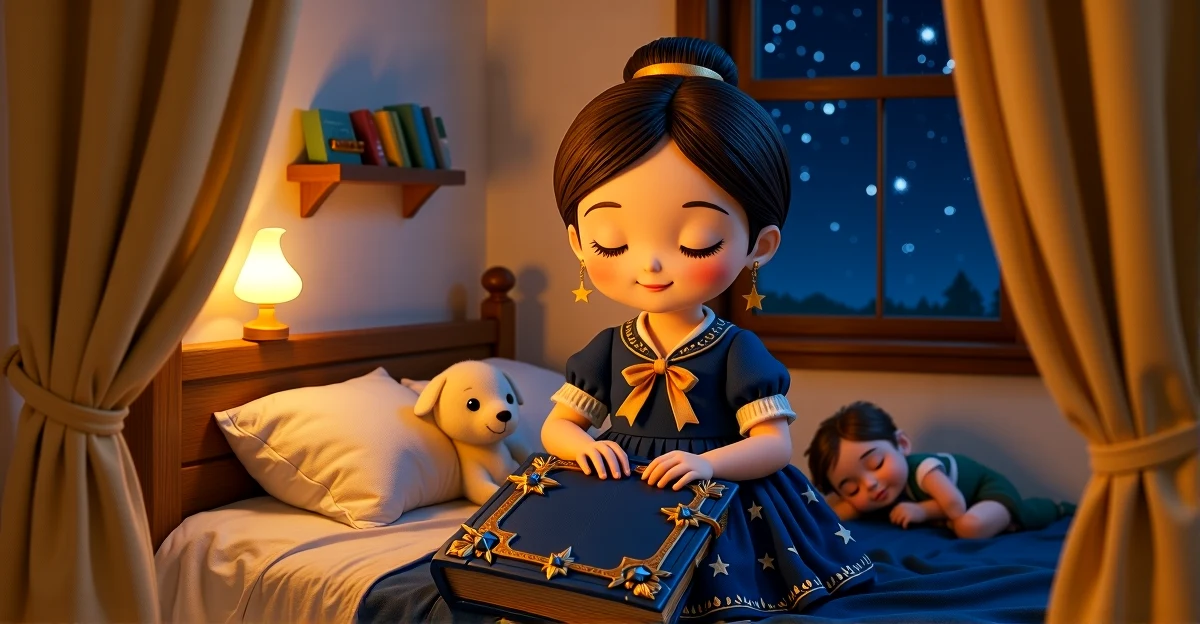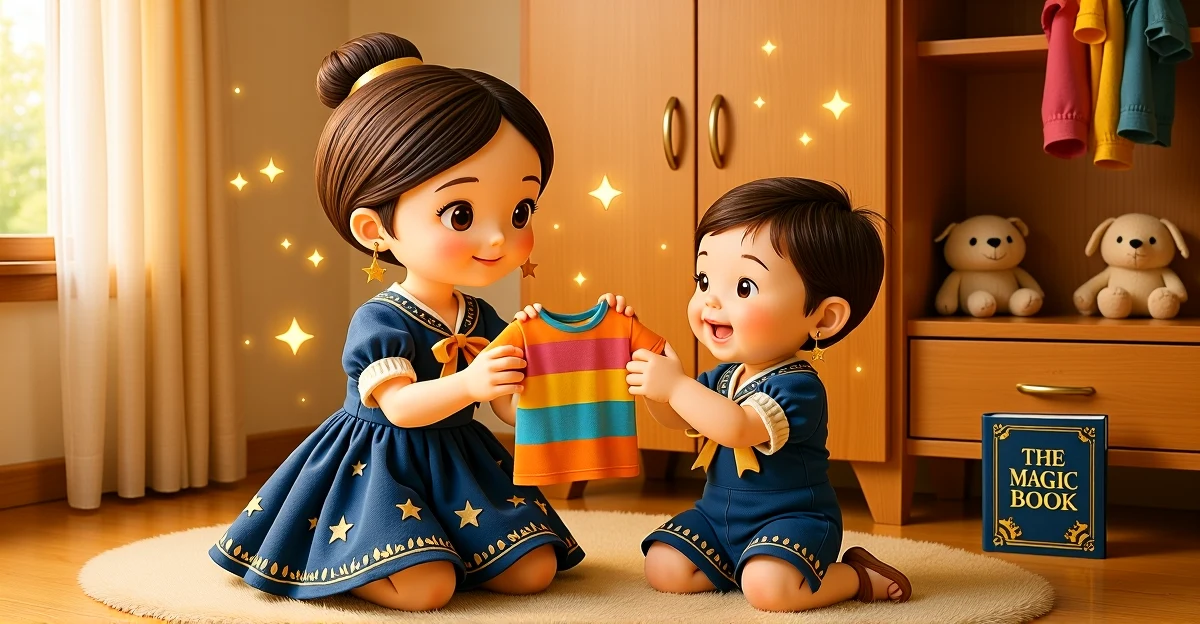

You know the scene. It's morning, you're trying to get everyone ready, and your sweet toddler suddenly transforms into a tiny tornado of resistance. "No! I do it MYSELF!" they shout, pushing your helping hands away. Or maybe they go limp like a noodle the moment you try to slip on their shirt. Or they run away giggling while you're holding their pants, turning getting dressed into an exhausting game of chase.
Here's what I want you to know right away: You're not alone, and you're not doing anything wrong. THIS is what's supposed to be happening right now. I know that sounds wild when you're late for daycare and your toddler is insisting on wearing their pajamas to school, but stay with me.
In this article, I'm going to share what research tells us about why morning routines become battlegrounds during the toddler years, gentle strategies that actually work (backed by child development experts), and beautiful stories from The Book of Inara that can help your little one understand cooperation in ways that lectures never could.
What's Really Happening: The Beautiful Science of Toddler Resistance
When your 2-3 year old resists getting dressed, they're not being difficult—they're being EXACTLY what they should be at this age. Developmental psychologists call this the "autonomy versus shame and doubt" stage, and it's one of the most important phases of early childhood.
Here's the magical truth: Every time your toddler says "No!" or "Me do it!" they're practicing essential life skills. They're learning decision-making, self-advocacy, and independence. The Raising Children Network explains that "learning to dress themselves is good for children's confidence, independence and self-esteem." Those morning battles? They're actually learning opportunities in disguise.
Research from Brightwheel's Early Childhood Education Platform shows that providing opportunities for independent activities like dressing themselves helps children build confidence and self-esteem. During ages 2-3, autonomy development is CRITICAL as children assert their independence and discover who they are as separate people from you.
Why Getting Dressed Feels Like a Power Struggle
Think about it from your toddler's perspective for a moment. They're discovering that they have preferences, opinions, and the ability to make things happen in the world. But SO much of their day is controlled by adults—when they eat, where they go, what they do. Getting dressed becomes one of the few moments where they can assert their growing sense of self.
Child development specialists at Lerner Child Development explain that when we respond to this normal resistance with threats or force, we actually create MORE resistance. The default parenting response of "If you don't get dressed right now, we're not going to the park!" undermines cooperation and creates power struggles that make everyone miserable.
What Research Says: This Phase is Temporary and Essential
Here's something SO important for your parent heart to hear: This challenging phase is both normal AND temporary. Research consistently shows that children whose parents respond to routine resistance with empathy and structured choices develop stronger self-regulation skills, higher self-esteem, and better cooperation over time.
"Collaboration rather than control creates cooperation during daily routines. When we shift from trying to win battles to building skills, everything changes."
— Conscious Mommy, Licensed Child Therapist Resources
Studies demonstrate that when children this age resist getting dressed or ready, they are actually practicing essential life skills including decision-making, self-advocacy, and self-help abilities. The evidence is clear: patience and support during this phase builds confidence and competence, not compliance through force.
Expert guidance emphasizes that offering limited choices, maintaining calm consistency, and allowing extra time for children to practice self-care skills reduces power struggles while honoring their developmental need for autonomy. This isn't about being permissive—it's about being SMART about how we guide our little ones through this essential developmental stage.
Gentle Strategies That Actually Work
Okay, let's get practical. Here are research-backed strategies that transform morning battles into opportunities for connection and cooperation:
1. The Power of Two Choices
Lerner Child Development experts have found that offering two acceptable choices prevents power struggles while honoring toddler autonomy. Instead of "Put on this shirt," try "Do you want to wear the blue shirt or the red shirt?" Both options work for you, but your toddler gets to exercise their growing decision-making muscles.
This works because it respects their developmental need for control while keeping you in charge of the overall outcome. Swish-swoosh—power struggle avoided!
2. Build in Extra Time
I know, I KNOW—mornings are already rushed. But here's the thing: when we're stressed and hurried, our toddlers feel that energy and often resist more. Building in an extra 10-15 minutes for the getting-dressed process allows your child to practice their emerging self-help skills without the pressure of your anxiety.
Think of it as an investment. Yes, it takes more time now, but you're building skills that will make mornings EASIER in the future. Plus, you're avoiding the emotional toll of daily battles on both of you.
3. Make It a Team Effort
Instead of doing everything FOR your toddler or expecting them to do everything themselves, create a partnership. "You hold your arm up high, and I'll slide the sleeve on!" or "Can you push your foot through while I hold the pants?"
This approach honors their desire for independence while providing the support they still need. It transforms getting dressed from a battle into a cooperative dance.
4. Use Playful Engagement
Toddlers learn through play, so why not make getting dressed playful? "Where did your hand go? Is it hiding in this sleeve? Let's go find it!" or "Your shirt is a tunnel—can you zoom through it like a race car?"
Silliness and imagination can transform resistance into giggles. And when your toddler is laughing and engaged, cooperation flows naturally.
5. Celebrate Small Wins
Every time your toddler cooperates, even a tiny bit, celebrate it! "You put your arm in the sleeve all by yourself! Look at you growing up!" This positive reinforcement builds their confidence and makes them MORE likely to cooperate next time.
Remember: we get more of what we pay attention to. Focus on the cooperation, not the resistance.
Stories That Can Help
In The Book of Inara, we have beautiful stories that bring these concepts to life for your child. These aren't just entertainment—they're tools that help young children understand cooperation and teamwork in ways that feel magical rather than preachy:
The Circle of Many Colors
Perfect for: Ages 2-3
What makes it special: This story beautifully demonstrates how cooperation and helping hands make challenging tasks easier and more fun. When Ayli and Igar discover that the magical dart board glows brighter when they help guide each other's throws instead of competing alone, children learn that cooperation creates better outcomes than resistance.
Key lesson: Helping hands make big jobs small
Parent talking point: After reading this story, you can create your own cooperation moments during morning routines by saying "Let's work together to get dressed—you can help me by choosing which shirt, and I'll help you by holding it ready."
The Garden Helper's Secret
Perfect for: Ages 2-3
What makes it special: This story teaches that many small hands working together make big jobs feel small and fun. When Milo and Nana discover that scattered garden tools create beautiful harmony when gathered together through cooperation, children learn that working together makes tasks easier and more enjoyable.
Key lesson: Cooperation makes everything easier
Parent talking point: Use this story to introduce the idea that getting ready in the morning is like gathering garden tools—when everyone helps a little bit, the job becomes easy and even fun. Try saying "We're a team! You do this part, I'll do that part."
The Gentle Workshop of Growing Hearts
Perfect for: Ages 2-3
What makes it special: This story demonstrates how sharing and cooperation create warmth and beauty. When Ayli shares her beads with Igar and the workshop responds with warmth and light, children learn that generosity and cooperation create positive outcomes for everyone.
Key lesson: Working together creates magic
Parent talking point: This story helps children understand that cooperation makes everything better. During morning routines, you can say "When we work together like Ayli and Igar, getting ready feels warm and happy instead of rushed and grumpy."
You're Doing Beautifully
My friend, I want you to take a deep breath and let this truth settle into your heart: Those morning battles don't mean you're failing. They mean your toddler is growing exactly as they should. They're developing independence, practicing decision-making, and learning to advocate for themselves—all ESSENTIAL life skills.
Yes, it's exhausting. Yes, it would be easier if they just cooperated. But this phase is teaching them (and you!) SO much about patience, flexibility, and working together. The strategies we've explored—offering choices, building in time, making it playful, celebrating cooperation—these aren't just tactics for easier mornings. They're investments in your child's confidence, your relationship, and their long-term ability to cooperate and self-regulate.
And here's what's magical: When you approach these moments with empathy instead of force, with collaboration instead of control, you're not just getting your toddler dressed. You're showing them that their voice matters, that their growing independence is celebrated, and that you're their partner in this beautiful journey of growing up.
The morning battles won't last forever. But the skills you're both building—patience, cooperation, mutual respect—those will shimmer and glow throughout your entire relationship.
You've got this. And The Book of Inara is here to help, with stories that make these big lessons feel like pure magic. ✨
Related Articles
- Why Bedtime Battles Are Normal Development (And the Gentle Routine That Changes Everything)
- Why Your Toddler Prefers Hands Over Utensils (And Why That's Beautiful)
- Understanding Your Toddler's Bath Time Fear (And How to Help)
- Understanding Why Your Toddler Wants to Be Carried (The Beautiful Truth About Connection)
- Understanding the Me Do It Phase: Supporting Your Toddler's Growing Independence
Show transcript
Hello, my wonderful friend! It's me, Inara, and I am SO happy you're here today! You know, the Magic Book and I have been noticing something happening in homes all around the world. So many parents are reaching out, asking about morning routines, and I want you to know something right away—if getting your little one dressed and ready feels like a daily battle, you are not alone. Not even a little bit.
In fact, this is one of the MOST common challenges parents of two and three year olds face. And here's what I want you to know—this isn't happening because you're doing something wrong. It's not happening because your child is being difficult. It's happening because something absolutely BEAUTIFUL is unfolding in your child's heart and mind.
Your little one is discovering independence. They're learning that they are their own person, with their own ideas and their own voice. And that, is exactly what they're supposed to be doing at this age.
Let me share what the Magic Book taught me about this precious phase. Between ages two and three, children are experiencing what developmental psychologists call the autonomy stage. Their little brains are waking up to this incredible truth—I am ME. I can make choices. I have power over my own body and my own actions.
And when your child refuses to put on that shirt you picked out, or insists on wearing their pajamas to the park, or takes twenty minutes to put on one sock—they're not trying to make you late. They're practicing being themselves. They're learning decision-making, self-advocacy, and self-help skills that will serve them for their entire lives.
The research on this is so WONDERFUL. Studies show that children who are supported through this independence phase, rather than controlled or punished, develop stronger self-regulation skills, higher self-esteem, and better cooperation over time. When we honor their need for autonomy while gently guiding them, we're actually building the foundation for a confident, capable human being.
Now, I know what you might be thinking. That's beautiful, Inara, but I have to get to work. We have places to be. I can't spend an hour negotiating about socks every morning.
And you're absolutely right. You need practical strategies that work in real life, not just in theory. So let me share what child development experts recommend, translated through the wisdom of the Magic Book.
First, offer choices within boundaries. Instead of saying, Do you want to get dressed, which gives them the option to say no, try this—Would you like to wear the blue shirt or the red shirt? Would you like to put on your socks first or your pants first? This honors their need for control while keeping you moving toward the goal.
Second, make it a team effort. Say things like, We're a team! You do this part, I'll do that part. Let's work together to get ready. When children feel like they're cooperating rather than being controlled, everything shifts. The Magic Book showed me that cooperation creates warmth and connection, while power struggles create resistance and tears.
Third, allow extra time. I know, I know—mornings are already rushed. But here's the truth. When you add just ten extra minutes to your morning routine, you remove the pressure. Your child can practice buttoning their shirt, even if it takes five tries. They can choose their shoes without feeling rushed. And you can stay calm instead of stressed.
Fourth, celebrate their efforts. When your little one gets one arm in their sleeve, even if it's the wrong sleeve, say, You're working so hard! You're learning to dress yourself! This builds confidence and makes them WANT to keep trying.
And here's something the Magic Book whispers to me often—connection before direction. Before you start the morning routine, spend just two minutes of pure connection time. Snuggle together, read a quick story, or just look into each other's eyes and say good morning. When children feel connected to you, they're so much more willing to cooperate.
Now, let me tell you about some stories that can help with this beautiful, challenging phase. In The Book of Inara, we have a story called The Circle of Many Colors. It's about two friends, Ayli and Igar, who discover a magical dart board that only lights up when they work together to help each other aim. The dart board teaches them that helping hands make big jobs small, and that cooperation creates more magic than competition ever could.
After you read this story with your child, you can create your own cooperation moments during morning routines. You might say, Let's work together to get dressed, just like Ayli and Igar worked together! You can help me by choosing which shirt, and I'll help you by holding it ready.
We also have a story called The Garden Helper's Secret, where Milo and Nana discover that Grandpa Henry's garden tools hum different musical notes, and when they gather them together through cooperation, the tools create beautiful harmony. This story shows children that when everyone helps a little bit, big jobs become easy and even fun.
You can use this story to introduce the idea that getting ready in the morning is like gathering garden tools—when everyone helps a little bit, the job becomes easy and maybe even enjoyable. Try saying, We're a team! You do this part, I'll do that part, just like Milo and Nana!
And there's another story called The Gentle Workshop of Growing Hearts, where Ayli and Igar discover that sharing and working together makes everything around them bloom with warmth and beauty. The workshop responds to their cooperation with gentle glows and soft hums, teaching them that working together multiplies joy.
This story helps children understand that cooperation makes everything better. During morning routines, you can say, When we work together like Ayli and Igar, getting ready feels warm and happy instead of rushed and grumpy.
These stories aren't just entertainment. They're gentle teachers. They show children, in a way that feels magical and fun, that cooperation creates better outcomes than resistance. They model the very behaviors we hope to see in our little ones.
And here's what I love MOST about using stories this way—they take the pressure off you. Instead of you being the one who's always saying, Hurry up, get dressed, we're late, the story becomes the teacher. You and your child are on the same team, learning together from the Magic Book's wisdom.
So here's what I want you to remember, my wonderful friend. When your two or three year old resists getting dressed, they're not being difficult. They're discovering independence. They're learning to be their own person. And that is exactly what they're supposed to be doing.
Your job isn't to win the battle. Your job is to guide them gently through this phase, offering choices, celebrating efforts, and staying connected. And on the mornings when it all falls apart, when you're both in tears and you're late again—take a deep breath. You're doing beautifully. This phase is temporary. And the patience you're showing now is building a foundation of trust and cooperation that will last a lifetime.
The Magic Book and I are always here for you. Find these stories in The Book of Inara, and let them be your gentle helpers on this journey. You've got this. Your child is lucky to have you.
With love and starlight, Inara.