Your four-year-old is frustrated because their tower fell down, and instead of telling you how they feel, they hit their sibling. Your five-year-old is upset about leaving the park, and instead of using words, they scream and throw their shoes. You take a deep breath, wondering: why won't they just TELL me what's wrong?
If this sounds familiar, I want you to know something important. You're not alone in this, and your child is not being difficult. What you're witnessing is one of the most beautiful and challenging developmental leaps of early childhood: the journey from physical to verbal emotional expression.
In this post, we're going to explore why children ages four and five resort to hitting and screaming instead of using words, what the research tells us about emotional vocabulary development, and most importantly, gentle strategies you can use starting today to help your child learn to express their feelings with words. Plus, I'll share a magical story that brings these concepts to life for your little one.
Understanding Why Children Hit and Scream Instead of Using Words
Here's what the Magic Book taught me, and what research from some of the world's leading child development experts confirms: when your four or five year old resorts to physical expression like hitting or screaming instead of using words, they are in a critical phase of emotional vocabulary acquisition.
Think about what we're asking them to do. We're asking them to take an internal sensation, a feeling that's flooding their entire body with heat and energy and urgency, and match it to a specific word. That's like asking them to describe a color they've never seen before. It's incredibly complex work for a developing brain.
The Developmental Reality
Dr. Gerlind Grosse and her research team at Leipzig University discovered something fascinating about children this age. They're still developing their emotion vocabulary, often using general terms like good or bad before they master precise emotional labels like frustrated, disappointed, or overwhelmed. And here's the part that might surprise you: this process takes YEARS. In fact, emotion vocabulary development continues well beyond age eleven.
Your child's brilliant little brain is doing something incredibly complex. They're learning to connect disparate aspects of an emotional experience, to recognize patterns in how their body feels, and to attach specific words to those patterns. This doesn't happen overnight, and it certainly doesn't happen without your patient, loving guidance.
What Research Tells Us About Emotional Expression Development
The science behind emotional expression is both fascinating and deeply reassuring for parents navigating this challenge.
Emotion words help to connect disparate aspects of a culturally relevant emotion category, facilitating its representation as an entity.
— Dr. Gerlind Grosse, Leipzig University
What this means in everyday language is that when we teach children specific emotion words, we're not just giving them vocabulary. We're helping them organize their internal experiences, to see patterns, to understand that the hot, tight feeling in their chest when someone takes their toy is called frustration, and that frustration is different from the heavy, sad feeling when their friend can't play.
The Connection to Peer Relationships
Research from Frontiers in Psychology shows something beautiful: emotion regulation skills at ages four to six directly impact peer relationships and social acceptance. When children learn to express emotions appropriately, they develop better friendships, they're more accepted by their peers, and they show improved social behaviors.
So when you're teaching your child to use words instead of hitting, you're not just addressing a behavior challenge. You're setting them up for a lifetime of healthy relationships and emotional intelligence.
The Role of Intentional Teaching
The National Association for the Education of Young Children emphasizes something that gives me SO much hope: children learn to use words to express feelings through modeling and intentional teaching strategies. This isn't something that just happens on its own. It requires your active participation, your coaching in the moment, your patient repetition.
Coaching children on the spot helps them realize what they are doing, understand how their actions affect others, and choose positive alternatives.
— National Association for the Education of Young Children
When you get down to your child's level after they've hit and say, You're feeling really angry right now. Angry is okay. Hitting is not okay. Let's use words, you're literally building the neural pathways for healthy emotional expression.
Gentle Strategies to Teach Emotional Expression
Now let's talk about what you can actually DO. These strategies are research-backed, gentle, and effective. Most importantly, they honor your child's developmental stage while guiding them toward more mature emotional expression.
1. Build an Emotion Vocabulary Together
Throughout the day, name your own feelings out loud. This is SO powerful because children learn by watching and listening to us.
- I'm feeling excited about our walk to the park!
- I'm feeling a little tired right now, so I'm going to rest for a few minutes.
- I'm feeling proud of how you shared your toy with your friend.
- I'm feeling frustrated because I can't find my keys, but I'm going to take some deep breaths.
When children hear you naming emotions regularly, they learn that it's safe and normal to talk about feelings. They also learn the vocabulary they need to express their own experiences.
2. Create a Feelings Chart
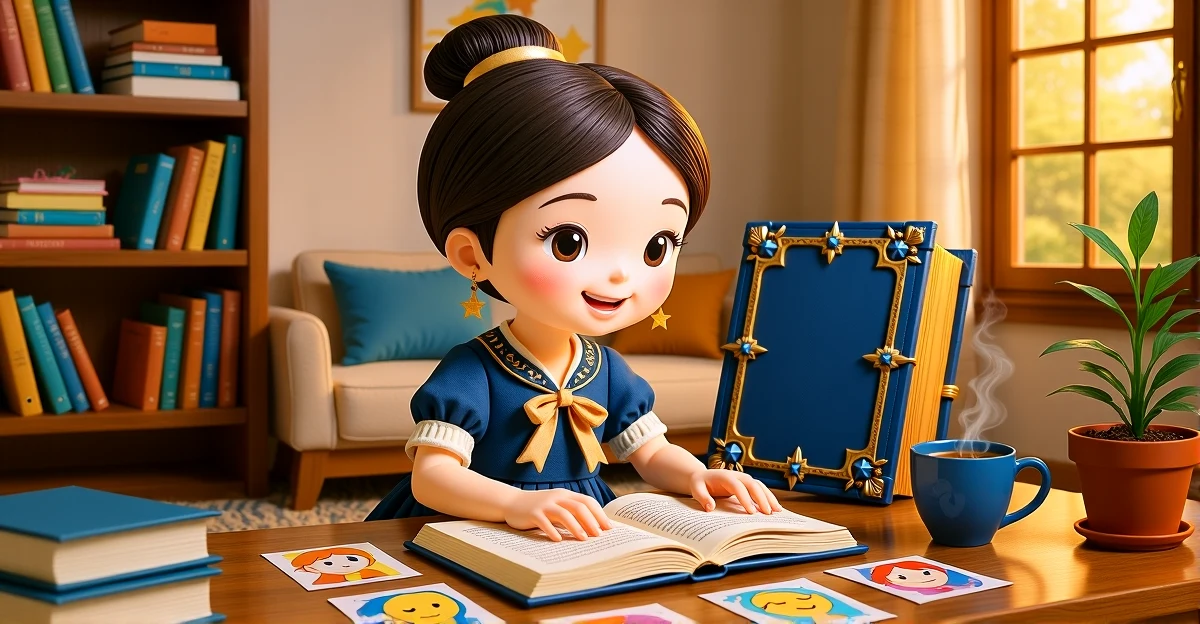
Visual tools can be incredibly helpful for young children who are still connecting words to internal experiences. You can draw faces showing different emotions, or cut pictures from magazines. Include a range of feelings:
- Happy
- Sad
- Angry
- Scared
- Frustrated
- Excited
- Worried
- Calm
Put it somewhere your child can see it easily, and refer to it often. How are you feeling right now? Can you point to the face that matches? This gives them a concrete way to communicate when words feel too hard.
3. Validate Feelings Before Redirecting Behavior
This is perhaps the MOST important strategy, and it's where many well-meaning parents stumble. When your child hits, your first instinct might be to say, We don't hit. But try this instead:
You're feeling really angry right now. Angry is okay. Hitting is not okay. Let's use words. I'm angry. Can you say that with me?
Do you see the difference? You're teaching them that the feeling is valid, but the expression needs to change. That's a crucial distinction. We're not asking them to stop feeling. We're teaching them to express feelings in ways that don't hurt themselves or others.
4. Coach in the Moment
When your child is upset, get down to their level. Make eye contact. Use a calm, warm voice. And offer them the words they need:
- I see you're feeling really frustrated right now. You wanted that toy and your friend has it. Frustrated is that hot, tight feeling in your chest. Let's use words. Can you say, I feel frustrated?
- You look sad. Sad is okay. Can you tell me what's making you feel sad?
- Your body looks angry. Are you feeling angry? Let's take some deep breaths together and then use words to tell me what happened.
This in-the-moment coaching is where the real learning happens. You're not just correcting behavior. You're teaching them the language of emotions.
5. Model the Behavior You Want to See
Children are watching us ALL the time, learning how to be human by observing how we navigate our own emotions. When you're frustrated, say it out loud:
I'm feeling frustrated right now because the grocery store is so crowded. I'm going to take some deep breaths to help myself feel calmer.
When you make a mistake, acknowledge it:
I raised my voice just now, and I'm sorry. I was feeling overwhelmed. Next time I'll use my calm voice even when I'm feeling big feelings.
Your child is discovering that grown-ups have big feelings too, and that we use words and strategies to manage them. That's incredibly powerful modeling.
A Story That Can Help: The Center Where Hearts Are Heard
In The Book of Inara, we have a beautiful story that brings these concepts to life in a way that speaks directly to your child's heart and imagination.
The Center Where Hearts Are Heard
Perfect for: Ages 4-5
What makes it special: In this magical story, Ethan and Sofia visit a special advocacy center with Grandpa Ravi, and something extraordinary happens. Their worried feelings, the ones that feel too big to express, bloom into beautiful solution flowers. The story teaches children that when you express your feelings with words, when you let them be heard, they transform. They don't stay stuck inside making you want to hit or scream. They become something you can work with, something that can help you find solutions.
Key lesson: Expressing emotions with words opens up possibilities and helps solve problems. All feelings deserve to be heard, and there are people who want to listen.
After reading together: You can create your own feelings garden ritual with your child. When they're upset, you can say, Let's plant that feeling in our garden and watch it bloom into a solution. What are you feeling right now? Angry? Sad? Frustrated? As they name the feeling, you're teaching them that emotions have power when we give them words.
You're Doing Beautifully
I know this journey can feel exhausting. There will be days when your child still hits or screams, even after you've been working on this for weeks. That's okay. Learning emotional regulation is like learning to walk. There are stumbles and falls, and that's part of the process.
On those hard days, remember this: your child isn't giving you a hard time. They're having a hard time. Their nervous system is overwhelmed, their emotion vocabulary is still developing, and they need you to be their calm, steady guide.
Ages four and five represent a pivotal window. Your child's brain is neurologically ready to learn emotional vocabulary. They just need consistent, patient guidance to make the leap from physical to verbal emotional expression. And you, wonderful parent, are exactly the right person to guide them.
Every time you help your child name a feeling, every time you offer them words instead of judgment, every time you stay calm when they're overwhelmed, you're building their emotional intelligence. You're teaching them that feelings are messengers, not enemies. You're showing them that words have power.
The Magic Book and I are here to support you on this journey. Through stories like The Center Where Hearts Are Heard, we're creating magical bridges between the challenges you face and the solutions that work. Because every child deserves to feel heard, and every parent deserves support.
With love and starlight, Inara
Related Articles
- Building Confidence in Young Performers: A Gentle Guide for Ages 4-5
- When Children Seek Attention Through Dangerous Acts: What They Really Need
- When Your Child Blurs Fantasy and Reality: A Gentle Guide to Nurturing Honesty
- Helping Your 4-5 Year Old Build Friendship Skills: A Gentle Guide
- When Your Child Can't Speak Outside Home: Understanding Selective Mutism
Show transcript
Hello, wonderful parent! It's me, Inara, and I am so grateful you're here today. You know, the Magic Book and I have been hearing from so many parents lately who are navigating something really important with their four and five year olds. Your little one is experiencing big feelings, and when those feelings get overwhelming, they're using their hands or their voice in ways that feel challenging. Maybe they hit when they're frustrated, or scream when they're upset, and you're wondering, why aren't they using their words?
First, I want you to take a deep breath with me. You are doing beautifully. Your child is not being difficult. They are in the middle of one of the most IMPORTANT developmental leaps of their entire life, and what you're seeing is completely, wonderfully normal.
Here's what the Magic Book taught me, and what research from some of the world's leading child development experts confirms. When your four or five year old resorts to physical expression like hitting or screaming instead of using words, they are in a critical phase of emotional vocabulary acquisition. Their brilliant little brain is still learning to connect specific emotion words to the big feelings swirling inside them.
Dr. Gerlind Grosse and her research team at Leipzig University discovered something fascinating. Children this age are still developing their emotion vocabulary. They often use general terms like good or bad before they master precise emotional labels like frustrated, disappointed, or overwhelmed. This process takes YEARS. In fact, emotion vocabulary development continues well beyond age eleven!
Think about that for a moment. Your child's brain is doing something incredibly complex. They're learning to take an internal sensation, a feeling that's flooding their whole body, and match it to a specific word. That's like asking them to describe a color they've never seen before. It takes time, practice, and most importantly, your patient guidance.
The National Association for the Education of Young Children emphasizes something beautiful. Children learn to use words to express feelings through modeling and intentional teaching strategies. When you coach your child in the moment, helping them understand how their actions affect others and offering them the words they need, you're literally building the neural pathways for healthy emotional expression.
So what does this look like in real life? When your child hits because they're frustrated, instead of saying they're being bad, you can get down to their level, look into their eyes with love, and say something like, I see you're feeling really frustrated right now. You wanted that toy and your friend has it. Frustrated is that hot, tight feeling in your chest. Let's use words. Can you say, I feel frustrated?
You're not just correcting behavior. You're teaching them the language of emotions. You're showing them that feelings are okay, that they have names, and that words are more powerful than hands.
The Center on the Social and Emotional Foundations for Early Learning at Vanderbilt University found that children with higher emotional intelligence are better able to pay attention, are more engaged, and have more positive relationships. When you invest this time now, teaching your child to express emotions with words, you're giving them a gift that will serve them for their entire life.
Now, let me tell you about a story that the Magic Book and I created specifically to help with this. It's called The Center Where Hearts Are Heard, and it features two wonderful friends, Ethan and Sofia. In this story, they visit a magical advocacy center with Grandpa Ravi, and something extraordinary happens. Their worried feelings, the ones that feel too big to express, bloom into beautiful solution flowers.
This story teaches children something profound. When you express your feelings with words, when you let them be heard, they transform. They don't stay stuck inside making you want to hit or scream. They become something you can work with, something that can help you find solutions.
After you read this story with your child, you can create your own feelings garden ritual. When your child is upset, you can say, Let's plant that feeling in our garden and watch it bloom into a solution. What are you feeling right now? Angry? Sad? Frustrated? And as they name the feeling, you're teaching them that emotions have power when we give them words.
Here are some practical strategies you can start using today. First, build an emotion vocabulary together. Throughout the day, name your own feelings out loud. I'm feeling excited about our walk to the park. I'm feeling a little tired right now. I'm feeling proud of how you shared your toy. When children hear you naming emotions, they learn that it's safe and normal to talk about feelings.
Second, create a feelings chart together. You can draw faces showing different emotions, or cut pictures from magazines. Happy, sad, angry, scared, frustrated, excited, worried, calm. Put it somewhere your child can see it, and refer to it often. How are you feeling right now? Can you point to the face that matches?
Third, and this is so important, validate their feelings before you redirect their behavior. When your child hits, your first instinct might be to say, We don't hit. But try this instead. You're feeling really angry right now. Angry is okay. Hitting is not okay. Let's use words. I'm angry. Can you say that with me?
You're teaching them that the feeling is valid, but the expression needs to change. That's a crucial distinction. We're not asking them to stop feeling. We're teaching them to express feelings in ways that don't hurt themselves or others.
Research from Frontiers in Psychology shows that emotion regulation skills at ages four to six directly impact peer relationships and social acceptance. When children learn to express emotions appropriately, they develop better friendships, they're more accepted by their peers, and they show improved social behaviors. You're not just teaching them to use words instead of hitting. You're setting them up for a lifetime of healthy relationships.
The Magic Book reminds me that this journey takes patience. There will be days when your child still hits or screams, even after you've been working on this for weeks. That's okay. Learning emotional regulation is like learning to walk. There are stumbles and falls, and that's part of the process.
On those hard days, remember this. Your child isn't giving you a hard time. They're having a hard time. Their nervous system is overwhelmed, their emotion vocabulary is still developing, and they need you to be their calm, steady guide.
You can also model the behavior you want to see. When you're frustrated, say it out loud. I'm feeling frustrated right now because the grocery store is so crowded. I'm going to take some deep breaths to help myself feel calmer. Your child is watching you, learning from you, discovering that grown ups have big feelings too, and that we use words and strategies to manage them.
The beautiful truth is this. Ages four and five represent a pivotal window. Your child's brain is neurologically ready to learn emotional vocabulary. They just need consistent, patient guidance to make the leap from physical to verbal emotional expression. And you, wonderful parent, are exactly the right person to guide them.
Every time you help your child name a feeling, every time you offer them words instead of judgment, every time you stay calm when they're overwhelmed, you're building their emotional intelligence. You're teaching them that feelings are messengers, not enemies. You're showing them that words have power.
The Book of Inara is filled with stories like The Center Where Hearts Are Heard that support this learning. Stories where characters discover that expressing feelings leads to solutions, where big emotions are validated and understood, where children learn that they're not alone in their struggles.
So tonight, or tomorrow, or whenever feels right, snuggle up with your little one and read The Center Where Hearts Are Heard together. Watch their eyes light up as Ethan and Sofia discover that their feelings can bloom into flowers. Talk about it afterward. Have you ever felt worried like Ethan? What helps you feel better when you're upset?
These conversations, these moments of connection, they're where the real learning happens. Not in the heat of the moment when emotions are high, but in the quiet times when you're close, when they feel safe, when they're ready to absorb your wisdom.
You are doing such important work, dear parent. Teaching emotional expression is one of the greatest gifts you can give your child. It takes time, it takes patience, it takes consistency, but I promise you, it's worth it.
With love and starlight, Inara.