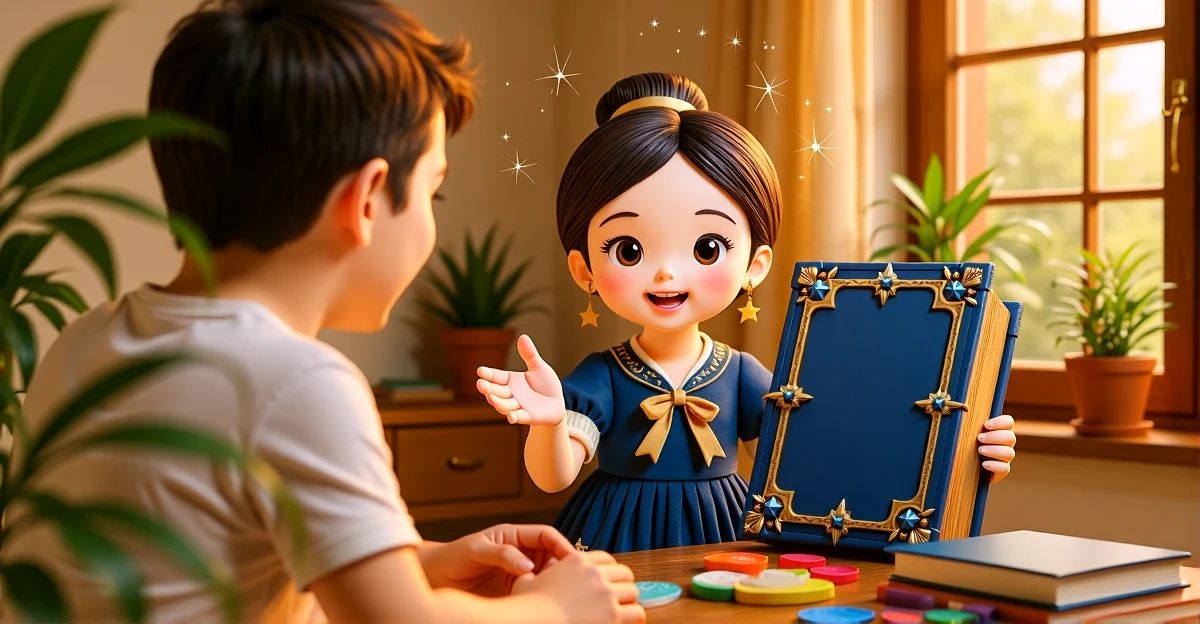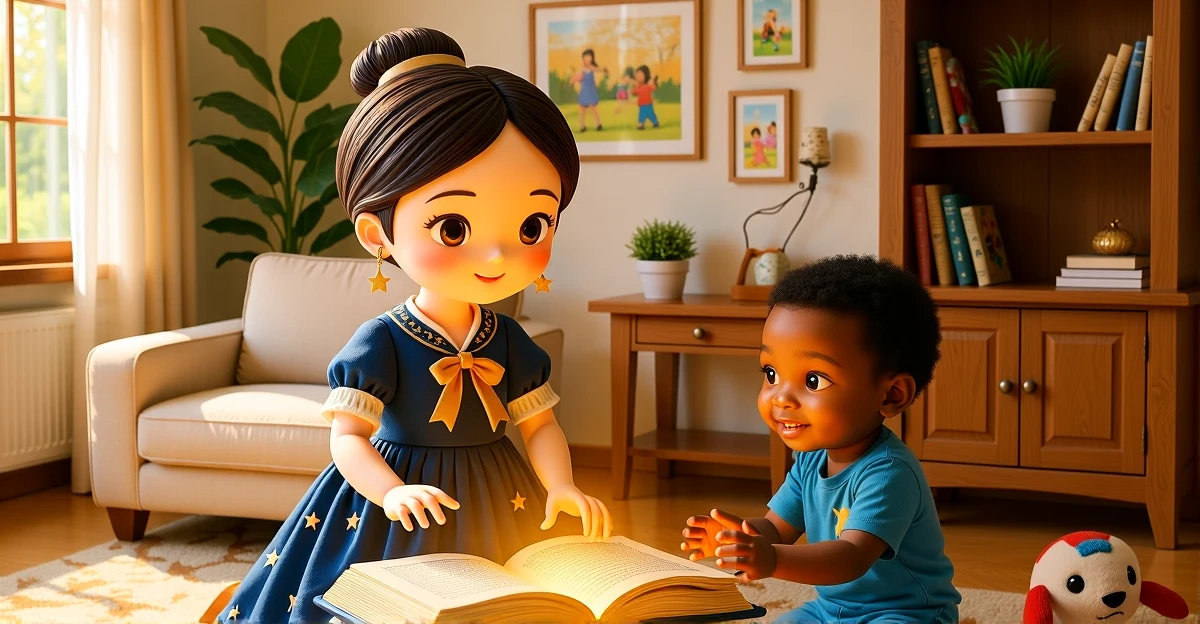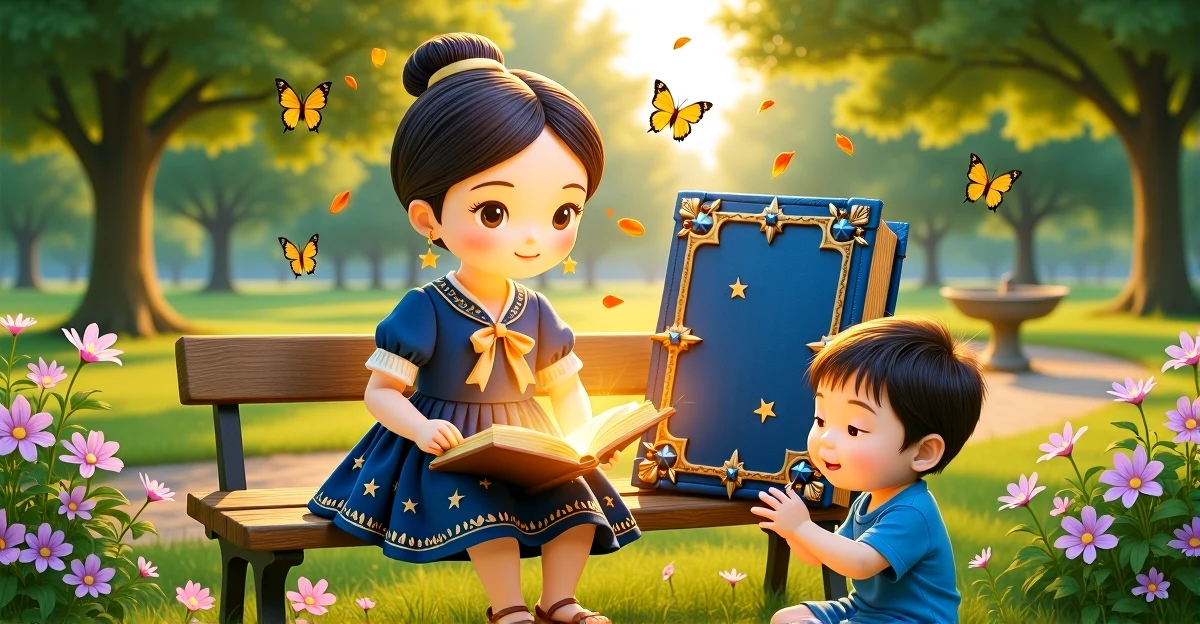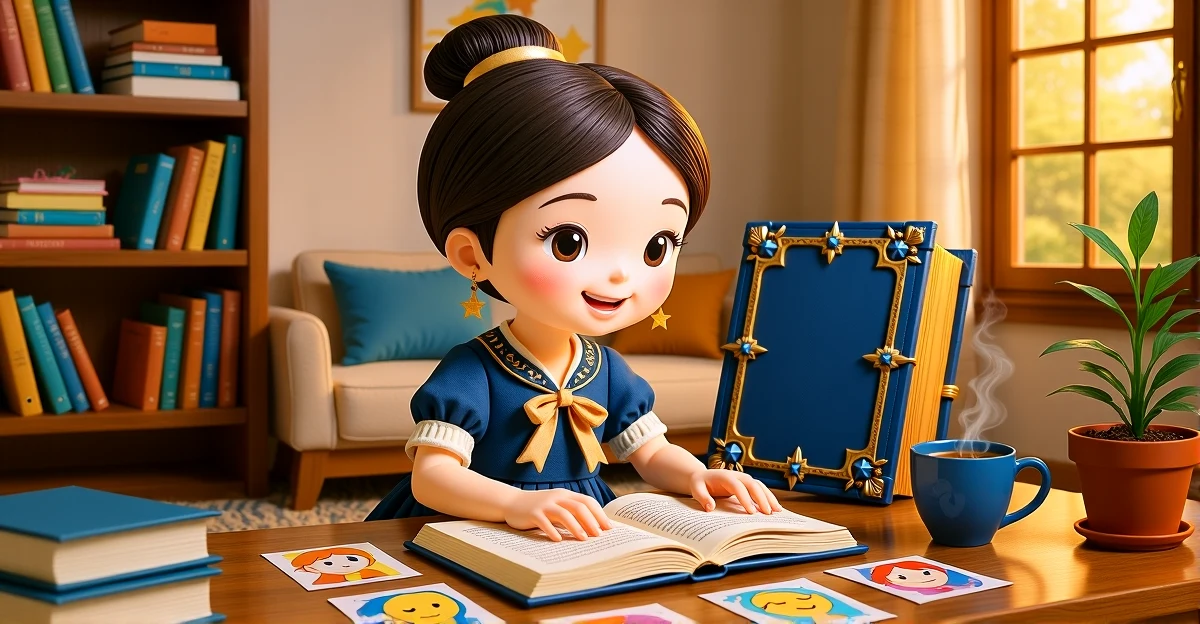

Maybe you have noticed your little one pointing at their chest when they are upset, making big gestures with their hands, trying SO hard to tell you something but not quite having the words yet. Or perhaps they have started saying things like "I am mad" or "I am happy," and you can see them discovering this incredible power of naming what is happening inside their hearts.
If this sounds familiar, you are not alone, my wonderful friend. You are witnessing one of the most beautiful and important developments in your child's life: the journey of learning to express feelings with words.
In this guide, I will share what the Magic Book and I have learned about emotional vocabulary, what research tells us about this critical skill, and most importantly, gentle strategies you can use today to support your child's growing ability to name and understand their feelings.
Why Emotional Vocabulary Matters So Much
Let me share something the Magic Book taught me that might surprise you. Did you know that there are over two thousand emotion words in the English language? Two thousand! And yet, most of us, even as adults, use maybe ten or fifteen of them regularly. We say we are "fine" or "good" or "stressed," but there is this whole universe of feeling words waiting to be discovered.
And here is the beautiful part. When children learn to name their feelings, something magical happens.
Research from the Yale Center for Emotional Intelligence shows that children with richer emotional vocabularies are better able to pay attention, build positive relationships, and show empathy to others. They can communicate what is happening inside them, which means they do not have to express those big feelings through behaviors like hitting or throwing or melting down.
Children with higher emotional intelligence are better able to pay attention, are more engaged in school, have more positive relationships, and are more empathic.
— Dr. Shauna Tominey, Yale Center for Emotional Intelligence
The Center on the Social and Emotional Foundations for Early Learning found that children with strong emotional literacy tolerate frustration better and engage in fewer conflicts. When your child can say "I feel frustrated" instead of throwing their toy, they are using their growing brain in such a powerful way.
And ages three and four? This is the PERFECT window for building this skill. Your child's language abilities are expanding so beautifully right now. They are telling simple stories, using longer sentences, and their brains are just ready to connect words with the feelings they experience every single day.
What Is Emotional Literacy?
Emotional literacy is the ability to identify, understand, and respond to emotions in oneself and others in a healthy manner. It is one of the foundational skills for lifelong well-being and success.
Think of it this way: emotional vocabulary is like giving your child a map for their inner world. Without that map, feelings can feel overwhelming and confusing. But when children have words for what they are experiencing, they can navigate those feelings, communicate them to others, and find appropriate ways to manage them.
The Five Skills of Emotional Intelligence
Researchers at Yale developed the RULER framework, which identifies five key skills that support emotional intelligence:
- Recognizing emotions in oneself and others
- Understanding the causes and consequences of emotions
- Labeling emotions accurately
- Expressing emotions in ways that are appropriate for the time, place, and culture
- Regulating emotions effectively
When we help children build emotional vocabulary, we are supporting all five of these skills. We are giving them tools they will use for their entire lives.
Gentle Strategies to Build Emotional Vocabulary
So how can you support this amazing development? Let me share some gentle, research-backed strategies that the Magic Book and I have seen work beautifully.
1. Model Emotional Expression Yourself
When you are feeling something, name it out loud. You might say, "Oh, I am feeling a little frustrated because I cannot find my keys," or "I am so excited about our plans today!" When children hear you naming your feelings throughout the day, they learn that emotions are normal, they are okay to talk about, and there are specific words for different experiences.
This is SO powerful because children learn more from what we do than what we say. When you model healthy emotional expression, you are teaching them that all feelings are acceptable and that there are words to describe every experience.
2. Label Your Child's Feelings for Them
When you see your little one's face scrunch up or their shoulders tense, you can gently say, "It looks like you might be feeling disappointed that we cannot go to the park right now," or "I can see you are feeling really excited about your friend coming over!"
You are giving them the vocabulary they need, right in the moment when they are experiencing the feeling. This is called "emotion coaching," and research shows it is one of the most effective ways to build emotional literacy.
3. Read Stories Together That Explore Emotions
Stories are such a beautiful way for children to see feelings in action. When characters in stories experience different emotions, you can pause and talk about what they might be feeling and why. The Magic Book has shown me that stories create this safe space where children can explore big feelings without having to experience them directly.
After reading, you can ask questions like, "How do you think the character felt when that happened?" or "Have you ever felt that way?" These conversations help children connect story experiences to their own emotional lives.
4. Create Feeling Check-Ins Throughout Your Day
Maybe at breakfast, you ask, "How are you feeling this morning?" and help your child find a word that fits. At bedtime, you might reflect together on the different feelings they experienced during the day. This regular practice helps emotional vocabulary become a natural part of your conversations.
You can make this playful and fun. Some families use a feelings chart with different faces. Others use colors to represent different emotions. Find what works for your family and make it your own.
5. Play Feeling Games Together
You could make silly faces and guess what feeling each face shows. Or you could look through picture books and point out different expressions, naming the feelings you see. You could even create a feelings chart with your child, drawing or finding pictures of different emotions and labeling them together.
Music makes learning joyful and memorable too. You might adapt familiar tunes with verses like, "If you are feeling frustrated and you know it, take a breath," or "If you are feeling proud and you know it, say I did it!"
6. Celebrate When They Use Feeling Words
Here is something really important, my friend. When your child does express a feeling, even if it is an uncomfortable one, celebrate that! When they say "I am angry," you can respond with, "Thank you for telling me how you feel. I am so proud of you for using your words."
This teaches them that all feelings are acceptable and that you are a safe person to share them with. It reinforces the behavior you want to see more of.
What Research Tells Us
The research on emotional vocabulary is so clear and so hopeful. Dr. Shauna Tominey and her colleagues at the Yale Center for Emotional Intelligence found that when children can accurately name their emotions, they can communicate more effectively and identify appropriate ways to manage those feelings.
The larger a child's emotional vocabulary, the finer discriminations they can make between feelings and the better they can communicate with others about their feelings.
— Center on the Social and Emotional Foundations for Early Learning
The Raising Children Network emphasizes that ages 3-4 represent an optimal window for building emotional literacy alongside general language development. Children at this age are naturally expanding their vocabulary, and emotional words fit beautifully into this growth.
And the beautiful thing? This skill will serve them for their entire lives. Children who develop strong emotional literacy now grow into adults who can navigate relationships, handle stress, and communicate their needs effectively. You are giving your child such a gift.
Stories That Can Help
In The Book of Inara, we have beautiful stories that bring these concepts to life for your child. Let me tell you about one that I think might be especially helpful for your family:
The Colors of Feeling
Perfect for: Ages 4-5
What makes it special: Kenji and Maeva discover a magical workshop where their feelings appear as gentle colors of light. When Kenji feels frustrated, his feeling appears as a warm orange glow. When Maeva feels excited, hers shimmers like golden sunlight. Through their adventure, they discover that all feelings, even the uncomfortable ones, are okay and have something to teach us.
Key lesson: Every emotion carries an important message from our wise inner selves. Feelings can be visualized, understood, and communicated.
After reading: You might ask your child, "What color do you think your feeling is today?" It creates this beautiful, playful way to talk about emotions that feels natural and fun.
You Are Doing Beautifully
Remember, my wonderful friend, building emotional vocabulary is not about preventing your child from ever feeling sad or angry or frustrated. Those feelings are part of being human, and they are all okay. What we are doing is giving your child the tools to understand and communicate what is happening inside them, so they do not feel alone with those big feelings.
Every time you name a feeling, you are adding another word to their emotional vocabulary. You are teaching them that their inner world matters, that feelings can be understood, and that they have the power to communicate what is happening in their hearts.
And on those days when it feels hard, when your child is overwhelmed and the words are not coming, remember this: You are doing beautifully. This is a journey, not a destination. Every conversation, every story, every moment of connection is building this foundation.
The Magic Book and I are here with you, cheering you on. You are raising a child who will grow up knowing that their feelings matter, that they can be understood, and that there are words for every experience in their heart.
With love and starlight,
Inara
Related Articles
- Why Your 4-5 Year Old Needs Words for Big Feelings (And How to Build Their Emotional Vocabulary)
- Building Friendship Skills in Young Children: A Gentle Guide for Parents
- When Your Child Can't Express Their Feelings: A Gentle Guide to Building Emotional Vocabulary
- Teaching Toddlers to Identify and Name Feelings: Your Guide to Emotional Vocabulary
- Why Your Child Says Good or Bad for Every Feeling (And How to Help Them Express the Full Rainbow of Emotions)
Show transcript
Hello, my wonderful friend! It's me, Inara, and I am SO happy you're here with me today!
You know, the Magic Book and I have been noticing something beautiful happening in homes all around the world. Parents like you are watching their little ones grow and change every single day, and one of the most WONDERFUL developments we see in children ages three and four is this amazing journey of learning to put words to their feelings.
Maybe you've noticed your child pointing at their chest when they're upset, or making big gestures with their hands, trying SO hard to tell you something but not quite having the words yet. Or perhaps they've started saying things like "I'm mad" or "I'm happy," and you can see them discovering this incredible power of naming what's happening inside their hearts.
This is such a special time, my friend. Your child is developing what researchers call emotional literacy, and it's one of the most important skills they'll ever learn.
Now, let me share something the Magic Book taught me that might surprise you. Did you know that there are over two thousand emotion words in the English language? Two thousand! And yet, most of us, even as adults, use maybe ten or fifteen of them regularly. We say we're "fine" or "good" or "stressed," but there's this whole universe of feeling words waiting to be discovered.
And here's the beautiful part. When children learn to name their feelings, something magical happens. Research from the Yale Center for Emotional Intelligence shows that children with richer emotional vocabularies are better able to pay attention, build positive relationships, and show empathy to others. They can communicate what's happening inside them, which means they don't have to express those big feelings through behaviors like hitting or throwing or melting down.
The Center on the Social and Emotional Foundations for Early Learning found that children with strong emotional literacy tolerate frustration better and engage in fewer conflicts. Isn't that WONDERFUL? When your child can say "I feel frustrated" instead of throwing their toy, they're using their growing brain in such a powerful way.
And ages three and four? This is the perfect window for building this skill. Your child's language abilities are expanding so beautifully right now. They're telling simple stories, using longer sentences, and their brains are just ready to connect words with the feelings they experience every single day.
So how can you support this amazing development? Let me share some gentle, research-backed strategies that the Magic Book and I have seen work beautifully.
First, model emotional expression yourself. When you're feeling something, name it out loud. You might say, "Oh, I'm feeling a little frustrated because I can't find my keys," or "I'm so excited about our plans today!" When children hear you naming your feelings throughout the day, they learn that emotions are normal, they're okay to talk about, and there are specific words for different experiences.
Second, label your child's feelings for them. When you see your little one's face scrunch up or their shoulders tense, you can gently say, "It looks like you might be feeling disappointed that we can't go to the park right now," or "I can see you're feeling really excited about your friend coming over!" You're giving them the vocabulary they need, right in the moment when they're experiencing the feeling.
Third, read stories together that explore emotions. Stories are such a beautiful way for children to see feelings in action. When characters in stories experience different emotions, you can pause and talk about what they might be feeling and why. The Magic Book has shown me that stories create this safe space where children can explore big feelings without having to experience them directly.
Speaking of stories, let me tell you about one that I think might be especially helpful for your family. It's called "The Colors of Feeling," and it's about two friends, Kenji and Maeva, who discover a magical workshop where their feelings appear as gentle colors of light.
In this story, the children learn that every emotion they experience carries an important message from their wise inner selves. When Kenji feels frustrated, his feeling appears as a warm orange glow. When Maeva feels excited, hers shimmers like golden sunlight. And through their adventure, they discover that all feelings, even the uncomfortable ones, are okay and have something to teach us.
What I love about this story is how it helps children visualize their emotions. After reading it, you might ask your child, "What color do you think your feeling is today?" It creates this beautiful, playful way to talk about emotions that feels natural and fun.
You can find "The Colors of Feeling" in The Book of Inara, along with so many other stories that support emotional learning.
Now, let me share a few more practical ideas you can try at home.
Create feeling check-ins throughout your day. Maybe at breakfast, you ask, "How are you feeling this morning?" and help your child find a word that fits. At bedtime, you might reflect together on the different feelings they experienced during the day. This regular practice helps emotional vocabulary become a natural part of your conversations.
Play feeling games together. You could make silly faces and guess what feeling each face shows. Or you could look through picture books and point out different expressions, naming the feelings you see. You could even create a feelings chart with your child, drawing or finding pictures of different emotions and labeling them together.
Use songs and rhymes to teach feeling words. You might adapt familiar tunes with verses like, "If you're feeling frustrated and you know it, take a breath," or "If you're feeling proud and you know it, say I did it!" Music makes learning joyful and memorable.
And here's something really important, my friend. When your child does express a feeling, even if it's an uncomfortable one, celebrate that! When they say "I'm angry," you can respond with, "Thank you for telling me how you feel. I'm so proud of you for using your words." This teaches them that all feelings are acceptable and that you're a safe person to share them with.
Remember, building emotional vocabulary isn't about preventing your child from ever feeling sad or angry or frustrated. Those feelings are part of being human, and they're all okay. What we're doing is giving your child the tools to understand and communicate what's happening inside them, so they don't feel alone with those big feelings.
The research is so clear on this. Dr. Shauna Tominey and her colleagues at Yale found that when children can accurately name their emotions, they can communicate more effectively and identify appropriate ways to manage those feelings. It's like giving them a map for their inner world.
And the beautiful thing? This skill will serve them for their entire lives. Children who develop strong emotional literacy now grow into adults who can navigate relationships, handle stress, and communicate their needs effectively. You're giving your child such a gift.
So as you move through your days together, look for those moments to name feelings. When your child is giggling with joy, say, "You're feeling so joyful right now!" When they're struggling with a puzzle, you might say, "This is tricky, and I can see you're feeling determined to figure it out." When they're snuggling with you, whisper, "You look so peaceful and content right now."
Every time you name a feeling, you're adding another word to their emotional vocabulary. You're teaching them that their inner world matters, that feelings can be understood, and that they have the power to communicate what's happening in their hearts.
And on those days when it feels hard, when your child is overwhelmed and the words aren't coming, remember this. You're doing beautifully. This is a journey, not a destination. Every conversation, every story, every moment of connection is building this foundation.
The Magic Book and I are here with you, cheering you on. You're raising a child who will grow up knowing that their feelings matter, that they can be understood, and that there are words for every experience in their heart.
Thank you so much for being here with me today, my wonderful friend. If you'd like to explore more stories that support emotional learning, visit The Book of Inara. We have a whole library of gentle, magical stories waiting for you and your little one.
Until our next adventure together, remember this. You are exactly the parent your child needs, and they are so lucky to have you guiding them through this beautiful journey of growing up.
With love and starlight, Inara.