
Hello, wonderful parent! It's me, Inara, and I want to talk with you about something that SO many parents experience. That moment when you ask your three or four year old to help put away their toys, and instead of cooperation, you get... well, let's just say, not cooperation. Maybe a firm no. Maybe they suddenly become very interested in something else. Maybe they just look at you like you're speaking a completely different language.
And I want you to know something really important right from the start: You are not alone in this. This is one of the MOST common experiences parents of young children share. And here's something even more wonderful - this isn't a problem to fix. This is development happening exactly as it should.
In this post, we're going to explore what's really happening when your child resists helping, what research tells us about cooperation and responsibility in young children, and gentle strategies that actually work. Plus, I'll share a beautiful story from The Book of Inara that can help your child understand the joy of contributing.
What's Really Happening: The Beautiful Discovery of Autonomy
When your child is three or four years old, something absolutely AMAZING is happening in their brain. They're discovering that they are their own person, separate from you. Can you imagine how big that realization is?
For their whole life up until now, they've been learning that you're there to meet their needs, to keep them safe, to guide them. And now, suddenly, they're discovering: wait a minute, I have my own ideas! I have my own preferences! I can make choices!
This is called developing autonomy, and it's one of the most important developmental milestones of early childhood. When your child resists helping, they're not being defiant. They're not trying to make your life harder. What they're actually doing is practicing something called agency - learning that they have some control over their world, that their choices matter, that they are capable of making decisions.
This is BEAUTIFUL development, even when it doesn't feel beautiful in the moment.
What Research Tells Us About Cooperation and Responsibility
The American Academy of Child and Adolescent Psychiatry has done extensive research on children and chores, and they've found something wonderful. Children who are given age appropriate opportunities to contribute to family life develop higher self esteem, stronger responsibility skills, and better capacity to handle frustration and delayed gratification later in life.
Children who do chores may exhibit higher self-esteem, be more responsible, and be better equipped to deal with frustration, adversity, and delayed gratification.
— American Academy of Child and Adolescent Psychiatry
But here's the key: learning these skills takes time. It takes patience. And it takes understanding from us as parents about what's really happening in those little minds and hearts.
Research shows us that children ages three to four are in a critical period for learning cooperation and responsibility. But the key word there is learning. They're not born knowing how to balance their own desires with family needs. They're not born understanding that when we all help, life flows more smoothly. These are skills they develop through practice, through gentle guidance, and through experiencing the natural benefits of cooperation.
Social-emotional learning research emphasizes that cooperation and helpfulness aren't just skills we teach through instruction. They're skills children develop through feeling connected, feeling capable, and experiencing the joy of contributing. When we approach these moments with curiosity instead of frustration, we can often discover what our child really needs.
Age-Appropriate Tasks for 3-4 Year Olds
One of the most important things we can do is make sure the tasks we're asking for are truly age appropriate. When tasks match a child's abilities, they feel capable instead of overwhelmed. Here's what children ages three to four can typically handle:
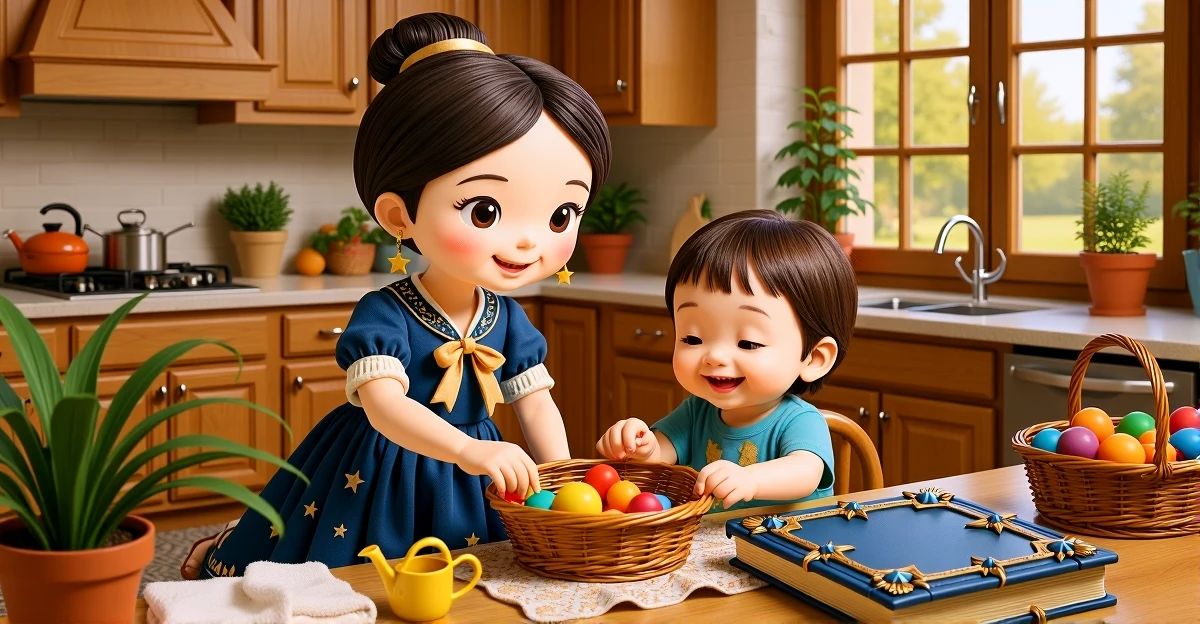
- Putting toys in a basket or bin - Simple cleanup with a clear destination
- Helping carry lightweight items - Napkins to the table, their own small backpack
- Clearing their own plate from the table - With supervision for safety
- Helping feed a pet - Pouring food into a bowl with your guidance
- Putting shoes in a designated spot - When there's a clear, accessible place for them
- Helping water plants - With a small, child-sized watering can
- Putting dirty clothes in a hamper - When the hamper is easy to reach
Notice what all these tasks have in common? They're concrete, they have a clear beginning and end, and they're physically manageable for small bodies and developing coordination.
Gentle Strategies That Build Cooperation
Now, let's talk about strategies that actually work. These aren't tricks or manipulations - they're ways of honoring your child's development while gently guiding them toward cooperation.
1. Set Clear, Simple Expectations
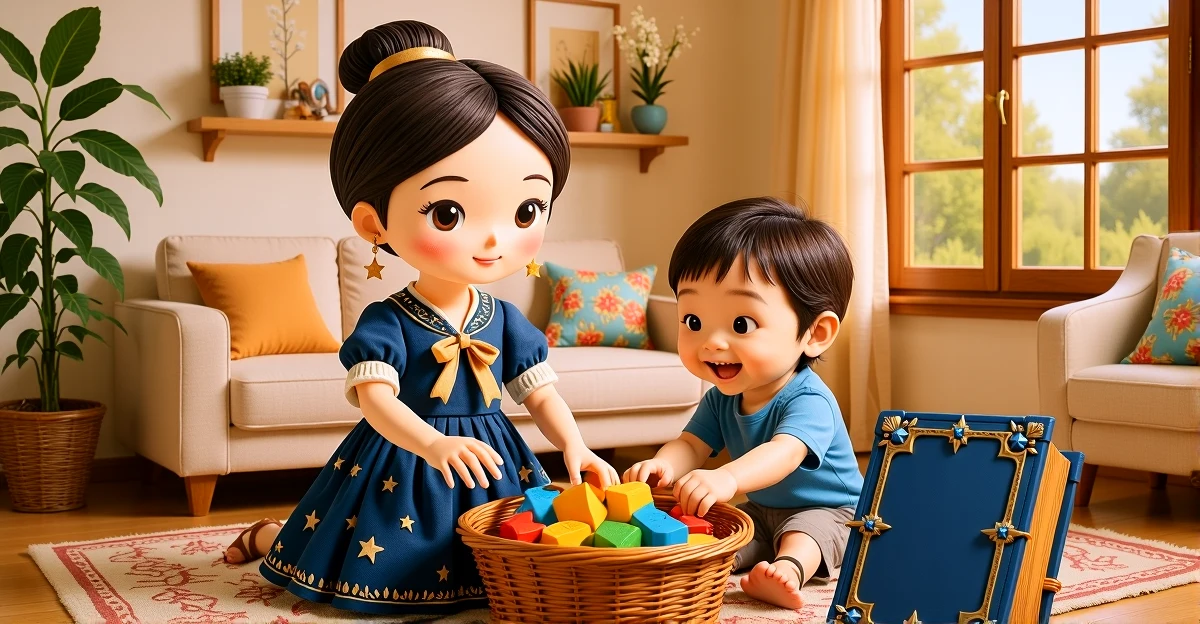
Instead of saying clean up your room, which can feel overwhelming, try something specific like, let's put the blocks in the blue bin together. Breaking tasks into small, manageable steps helps children feel capable instead of overwhelmed.
2. Establish Regular Routines
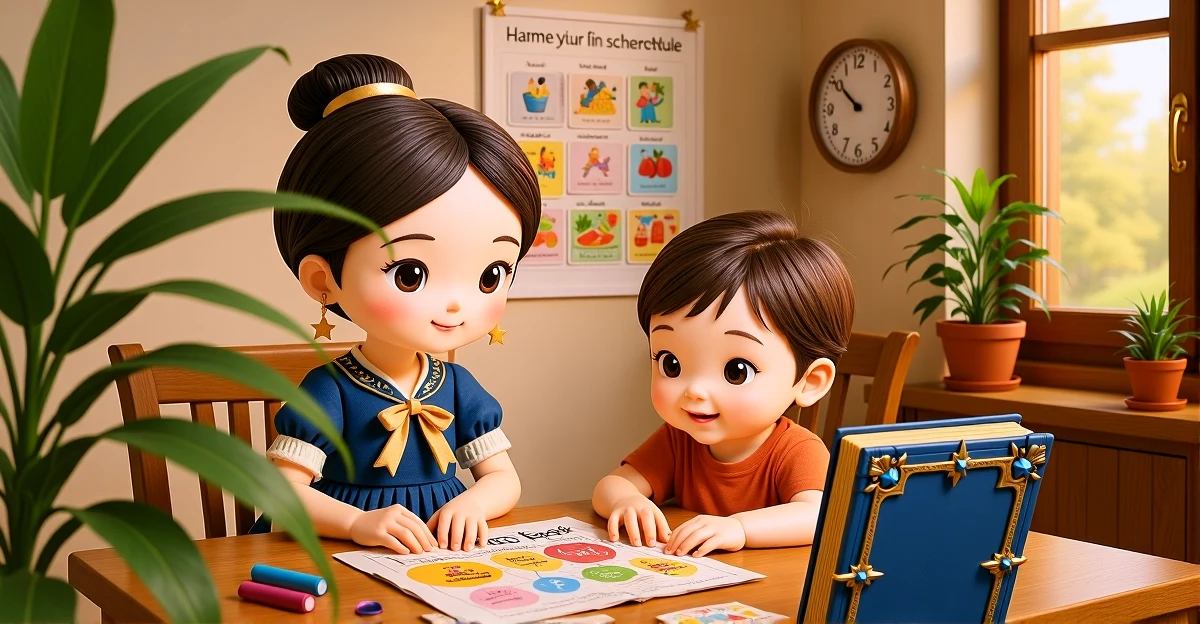
When cleanup happens at the same time each day - maybe before dinner or before bedtime stories - it becomes part of the rhythm of life rather than a surprise demand. Children thrive on predictability. It helps them feel safe and know what to expect.
3. Offer Choices Within Structure
This is SO important! You might say, would you like to put away the books or the stuffed animals first? This honors their growing need for autonomy while still accomplishing the goal. They get to exercise their decision making power, and you get a tidier space. Everybody wins!
4. Make It Playful
Can you hop like a bunny while putting toys away? Can we sing a cleanup song together? Can we race to see how many blocks we can put in the bin before the timer goes off? When tasks feel like play, cooperation flows so much more naturally.
5. Work Together
Especially when children are just learning, working alongside them makes a huge difference. You're not just supervising - you're partnering. This shows them that contributing is something we all do together, not something they're being forced to do alone.
6. Recognize Resistance as Information
When your child consistently resists helping, they might be telling you something. Maybe they're tired. Maybe they're hungry. Maybe they're feeling disconnected from you and need some one on one time before they can cooperate. Maybe the task really is too big for their current abilities. Listen to what the resistance might be communicating.
7. Celebrate Contributions
When your child does help, acknowledge it warmly. Great job putting those toys away! You helped our family so much! This isn't about praise for the sake of praise - it's about helping them see the positive impact of their contributions.
A Story That Can Help: The Sunshine Helpers
In The Book of Inara, we have a beautiful story that brings these concepts to life for children. Let me tell you about it:
The Sunshine Helpers
Perfect for: Ages 4-5 (also wonderful for advanced 3-4 year olds)
What makes it special: This story follows two friends, Ethan and Sofia, who discover a community energy garden where solar panels need gentle daily care to capture the most sunlight. As they learn to care for these panels, they discover something wonderful: their small acts of responsibility help the whole community garden flourish. The flowers bloom brighter, the vegetables grow stronger, and everyone benefits from their caring attention.
Key lesson: Responsibility isn't about being forced to do things we don't want to do. It's about caring for things together. It's about discovering that when we help, we're part of something bigger than ourselves. We're contributing to the wellbeing of our family, our community, our world.
How to use this story: After you read The Sunshine Helpers with your child, you might talk about their own sunshine helper tasks at home. What are the small things they can do that help your whole family flourish? Maybe it's putting their toys away so everyone can walk safely through the room. Maybe it's helping set the table so everyone can enjoy a meal together. Maybe it's feeding the family pet so your furry friend stays healthy and happy.
When children can see the positive impact of their contributions through a story, when they can feel that sense of being helpful and capable, cooperation starts to feel good instead of feeling like a chore.
You're Doing Beautifully
Here's what I want you to take away from our time together today. When your child resists helping, take a deep breath. Remember that this is normal, healthy development. They're learning about autonomy, about their own agency in the world. This is good, even when it's challenging.
Offer age appropriate tasks. Set clear expectations. Create consistent routines. Give choices within structure. Make it playful when possible. And most importantly, stay connected. When children feel close to us, when they feel seen and valued, cooperation flows so much more naturally.
The American Academy of Child and Adolescent Psychiatry reminds us: it may seem faster to do the chores yourself, however, helping your child to learn these skills will be helpful in the long run. And isn't that the truth? Yes, it's quicker to pick up all the toys yourself. Yes, it's easier to clear the table without waiting for little hands to help. But when we take that extra time, when we offer that patient guidance, we're investing in our child's growing competence, confidence, and sense of responsibility.
You're doing such important work, wonderful parent. You're raising a human being who is learning to balance their own needs and desires with the needs of others. That's complex, beautiful, challenging work. And you're doing it with such love and dedication.
The Magic Book and I are always here for you, cheering you on, offering gentle wisdom and beautiful stories to help along the way.
With love and starlight,
Inara
Related Articles
- Understanding Your Child's Growing Independence: Why Clothing Battles Are Actually Healthy Development
- Nurturing Your Toddler's Desire to Help: Age-Appropriate Chores for 2-3 Year-Olds
- Why Your Child Wanders Off (And How to Build Safety Awareness with Love)
- Why Morning Routines Feel Like Battles (And the Gentle Approach That Works)
- Nurturing Helpfulness in Young Children: A Gentle Parenting Guide
Show transcript
Hello, wonderful parent! It's me, Inara, and I am so happy you're here today. You know, the Magic Book and I have been noticing something that so many parents are experiencing right now. You might be feeling it too. That moment when you ask your little one to help put away their toys or clear their plate from the table, and instead of cooperation, you get... well, let's just say, not cooperation. Maybe a firm no, maybe they suddenly become very interested in something else, or maybe they just look at you like you're speaking a completely different language.
And I want you to know something really important right from the start. You are not alone in this. This is one of the MOST common experiences parents of three and four year olds share. And here's something even more wonderful. This isn't a problem to fix. This is development happening exactly as it should.
Let me explain what the Magic Book taught me about this beautiful, sometimes frustrating stage.
When your child is three or four years old, something absolutely AMAZING is happening in their brain. They're discovering that they are their own person, separate from you. Can you imagine how big that realization is? For their whole life up until now, they've been learning that you're there to meet their needs, to keep them safe, to guide them. And now, suddenly, they're discovering, wait a minute, I have my own ideas! I have my own preferences! I can make choices!
This is called developing autonomy, and it's one of the most important developmental milestones of early childhood. The American Academy of Child and Adolescent Psychiatry has done extensive research on this, and they've found something wonderful. Children who are given age appropriate opportunities to contribute to family life, to help with simple tasks, develop higher self esteem, stronger responsibility skills, and better capacity to handle frustration and delayed gratification later in life.
But here's the thing. Learning these skills takes time. It takes patience. And it takes understanding from us as parents about what's really happening in those little minds and hearts.
So when your child resists helping, they're not being defiant. They're not trying to make your life harder. What they're actually doing is practicing something called agency. They're learning that they have some control over their world, that their choices matter, that they are capable of making decisions. This is BEAUTIFUL development, even when it doesn't feel beautiful in the moment.
The research shows us that children ages three to four are in a critical period for learning cooperation and responsibility. But the key word there is learning. They're not born knowing how to balance their own desires with family needs. They're not born understanding that when we all help, life flows more smoothly. These are skills they develop through practice, through gentle guidance, and through experiencing the natural benefits of cooperation.
Here's what experts consistently recommend. First, make sure the tasks you're asking for are truly age appropriate. At three and four, children can successfully put toys in a basket, help carry lightweight items, clear their own plate from the table, help feed a pet, and put their shoes in a designated spot. These are tasks that match their physical abilities and their developing sense of responsibility.
Second, set clear, simple expectations. Instead of saying, clean up your room, which can feel overwhelming, try something specific like, let's put the blocks in the blue bin together. Breaking tasks into small, manageable steps helps children feel capable instead of overwhelmed.
Third, and this is SO important, establish regular routines. When cleanup happens at the same time each day, maybe before dinner or before bedtime stories, it becomes part of the rhythm of life rather than a surprise demand. Children thrive on predictability. It helps them feel safe and know what to expect.
Fourth, offer choices within the structure. You might say, would you like to put away the books or the stuffed animals first? This honors their growing need for autonomy while still accomplishing the goal. They get to exercise their decision making power, and you get a tidier space. Everybody wins!
And here's something the Magic Book whispers to me all the time. Make it playful when you can. Can you hop like a bunny while putting toys away? Can we sing a cleanup song together? Can we race to see how many blocks we can put in the bin before the timer goes off? When tasks feel like play, cooperation flows so much more naturally.
Now, I know what you might be thinking. But Inara, I've tried all of this, and my child still refuses. What then?
Here's what I want you to remember. Resistance is information. When your child consistently resists helping, they might be telling you something. Maybe they're tired. Maybe they're hungry. Maybe they're feeling disconnected from you and need some one on one time before they can cooperate. Maybe the task really is too big for their current abilities.
The research on social emotional learning tells us that cooperation and helpfulness aren't just skills we teach through instruction. They're skills children develop through feeling connected, feeling capable, and experiencing the joy of contributing. When we approach these moments with curiosity instead of frustration, we can often discover what our child really needs.
And this is where stories can be such gentle helpers. In The Book of Inara, we have a story called The Sunshine Helpers. It's about two friends, Ethan and Sofia, who discover a community energy garden where solar panels need gentle daily care to capture the most sunlight. As they learn to care for these panels, they discover something wonderful. Their small acts of responsibility help the whole community garden flourish. The flowers bloom brighter, the vegetables grow stronger, and everyone benefits from their caring attention.
This story shows children, in such a beautiful way, that responsibility isn't about being forced to do things we don't want to do. It's about caring for things together. It's about discovering that when we help, we're part of something bigger than ourselves. We're contributing to the wellbeing of our family, our community, our world.
After you read this story with your child, you might talk about their own sunshine helper tasks at home. What are the small things they can do that help your whole family flourish? Maybe it's putting their toys away so everyone can walk safely through the room. Maybe it's helping set the table so everyone can enjoy a meal together. Maybe it's feeding the family pet so your furry friend stays healthy and happy.
When children can see the positive impact of their contributions, when they can feel that sense of being helpful and capable, cooperation starts to feel good instead of feeling like a chore.
The American Academy of Child and Adolescent Psychiatry reminds us of something really important. They say, it may seem faster to do the chores yourself, however, helping your child to learn these skills will be helpful in the long run. And isn't that the truth? Yes, it's quicker to pick up all the toys yourself. Yes, it's easier to clear the table without waiting for little hands to help. But when we take that extra time, when we offer that patient guidance, we're investing in our child's growing competence, confidence, and sense of responsibility.
These early experiences create foundations for success in school, in relationships, in future independence. We're not just teaching them to put toys away. We're teaching them that they're capable, that their contributions matter, that they're an important part of the family team.
So here's what I want you to take away from our time together today. When your child resists helping, take a deep breath. Remember that this is normal, healthy development. They're learning about autonomy, about their own agency in the world. This is good, even when it's challenging.
Offer age appropriate tasks. Set clear expectations. Create consistent routines. Give choices within structure. Make it playful when possible. And most importantly, stay connected. When children feel close to us, when they feel seen and valued, cooperation flows so much more naturally.
You're doing such important work, wonderful parent. You're raising a human being who is learning to balance their own needs and desires with the needs of others. That's complex, beautiful, challenging work. And you're doing it with such love and dedication.
The Magic Book and I are always here for you, cheering you on, offering gentle wisdom and beautiful stories to help along the way. Until our next adventure together, with love and starlight, Inara.