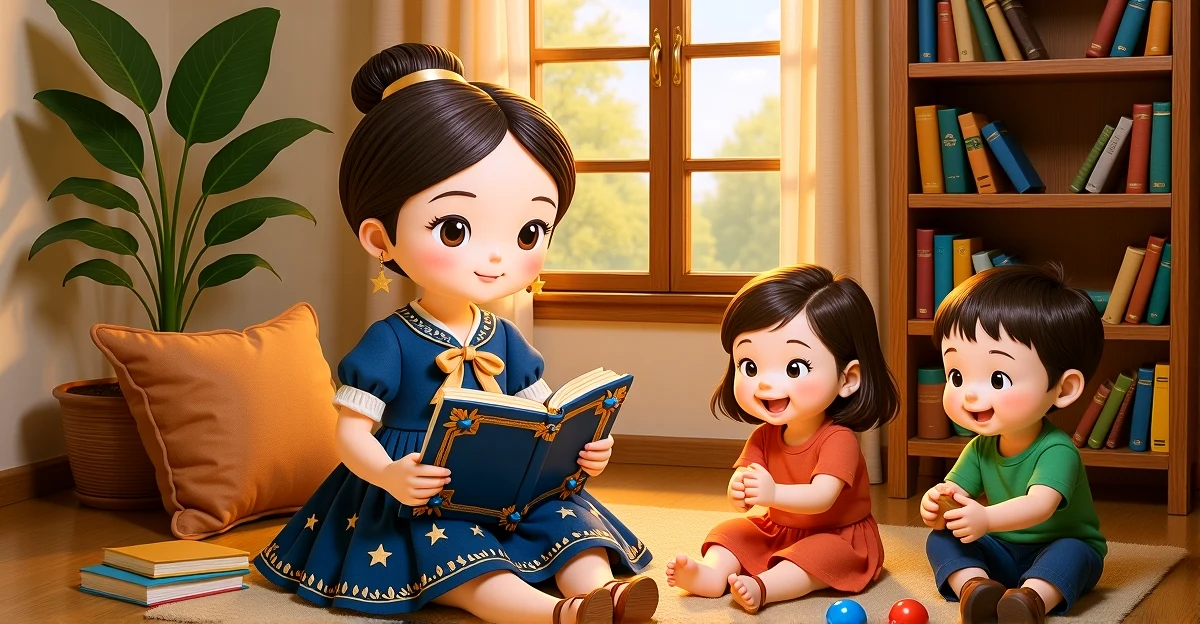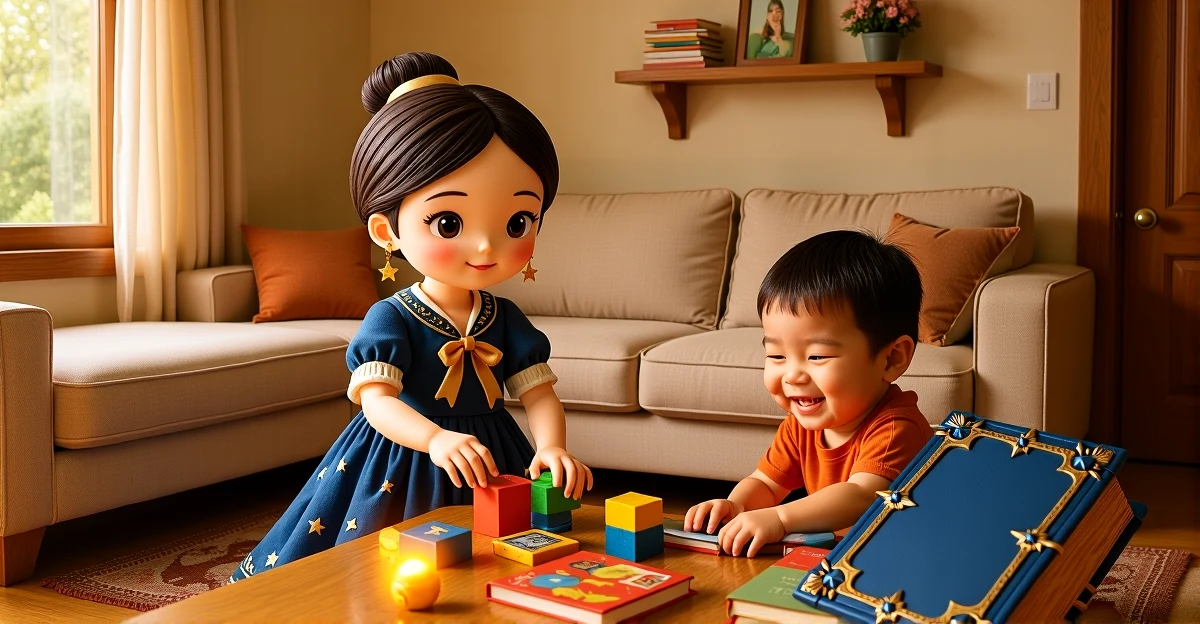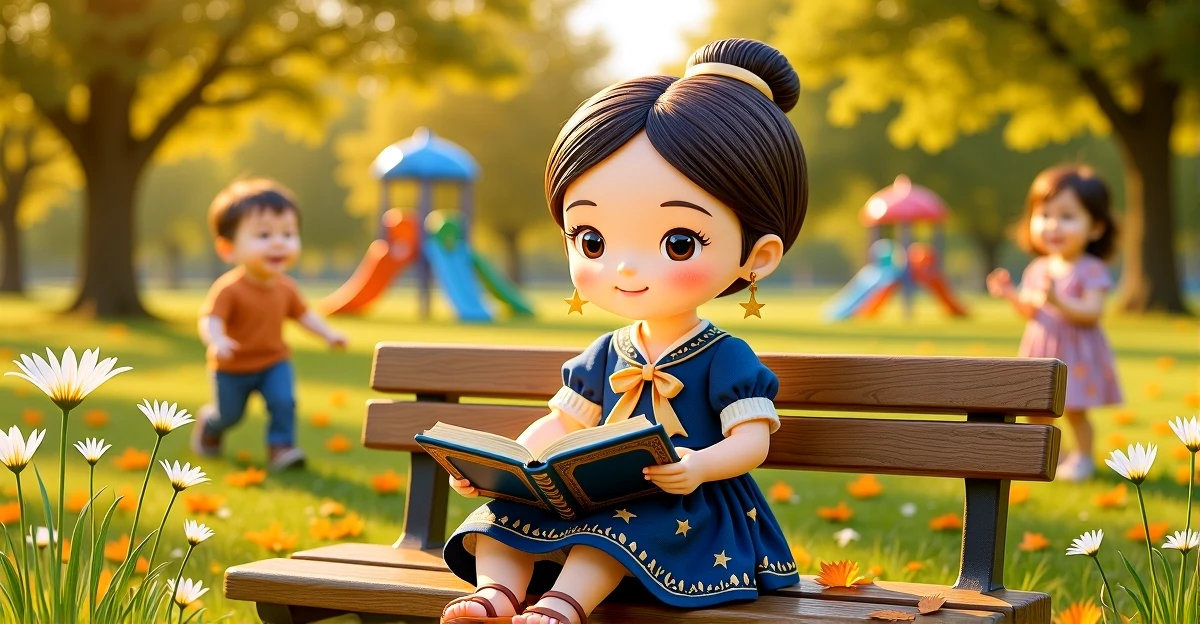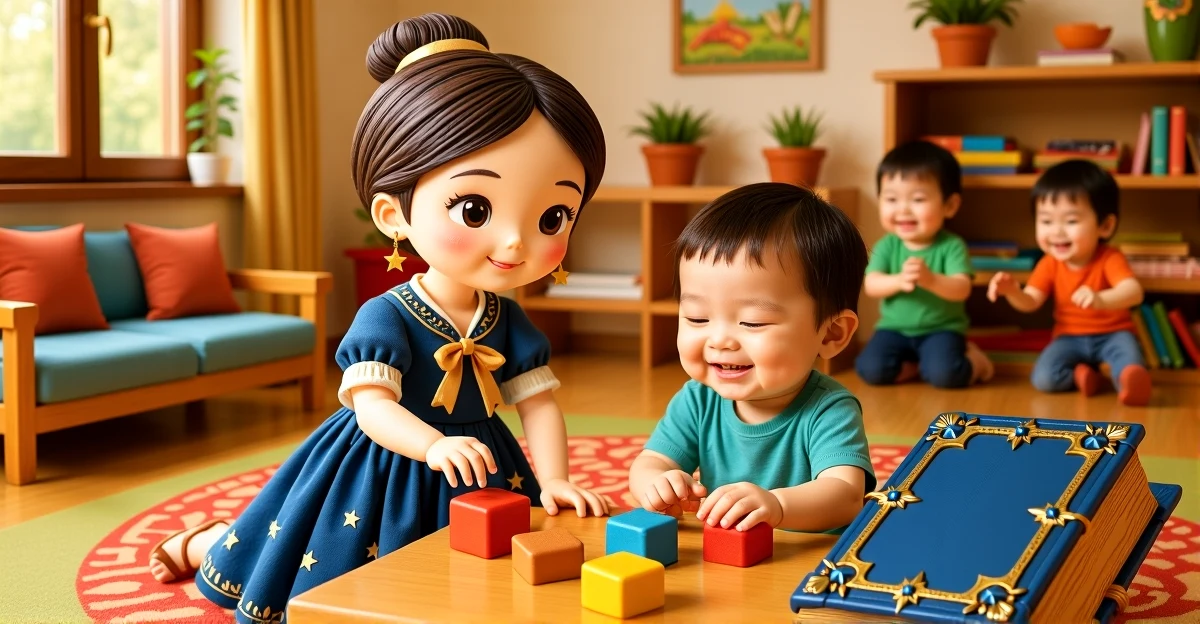

Your three-year-old grabs a toy from another child at the playground. Your four-year-old struggles to wait for a turn during playtime. Your little one watches other children play but doesn't know how to join in. If you're navigating these moments and wondering how to help your child learn to make and keep friends, I want you to know something IMPORTANT. You're witnessing development unfolding exactly as it should.
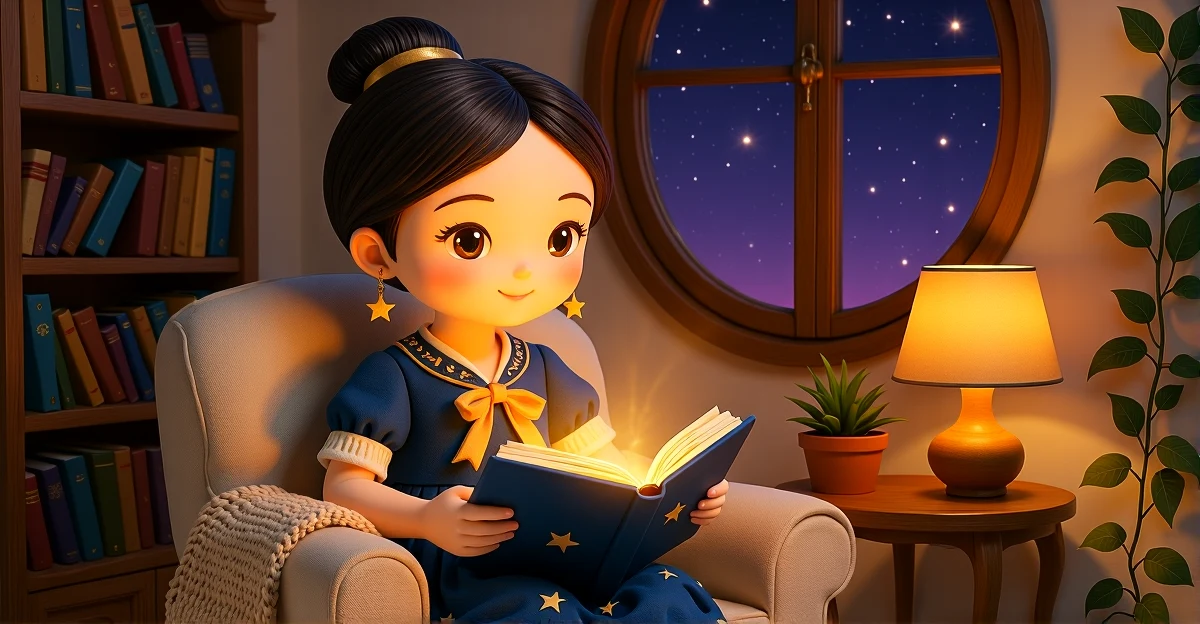
The Magic Book and I have been noticing something beautiful happening in homes all around the world. Parents like you are asking thoughtful questions about helping their little ones learn friendship skills. And this question shows how deeply you care about your child's heart and their connections with others.
In this guide, we're going to explore what research tells us about how friendship skills develop in young children, why ages three and four are such a critical window for social learning, and gentle strategies that actually work. Plus, I'll share a story from The Book of Inara that brings these concepts to life in a way your child can understand and embrace.
Understanding Friendship Development in Ages 3-4
Here's what's happening in your child's growing brain right now. At ages three and four, children are in a critical window for social skill development. Their little minds are learning complex things like turn-taking, sharing, empathy, and cooperation. But here's the key that the Magic Book taught me. These skills don't appear overnight.
Research from the National Association for the Education of Young Children shows us something beautiful. Young children develop and learn in the context of relationships. That means your child is learning about friendship primarily through their relationship with YOU. When you offer warmth, affection, and respect consistently, you're teaching your child the very foundation of all friendships.
The National Academies of Sciences confirms that ages three and four represent a critical period for acquiring foundational social-emotional learning skills. The patterns your child develops now significantly influence their peer relationships and school success later. But please hear this. That doesn't mean pressure. It means opportunity. Every playdate, every shared toy, every moment of waiting for a turn is your child's brain building neural pathways for connection.
What Friendship Looks Like at This Age
At three and four years old, friendship is still emerging. Your child might:
- Play alongside other children rather than with them (parallel play)
- Struggle to understand another child's perspective or feelings
- Find sharing and turn-taking challenging
- Have difficulty joining ongoing play
- Experience conflicts over toys or attention
- Form brief, activity-based friendships rather than lasting bonds
All of this is SO normal. Your child isn't behind. They're not difficult. They're learning one of life's most important skills, and they're learning it through relationship with you.
What Research Tells Us About Teaching Friendship Skills
Let me share what research shows about how friendship skills actually develop. Early intervention specialists Merle Crawford and Barbara Weber, who have spent years studying how children learn social skills, emphasize something so important. Sharing and turn-taking are skills children will need for the rest of their lives. And the beautiful news? You can start teaching these skills right now through simple, loving interactions embedded in your daily routines.
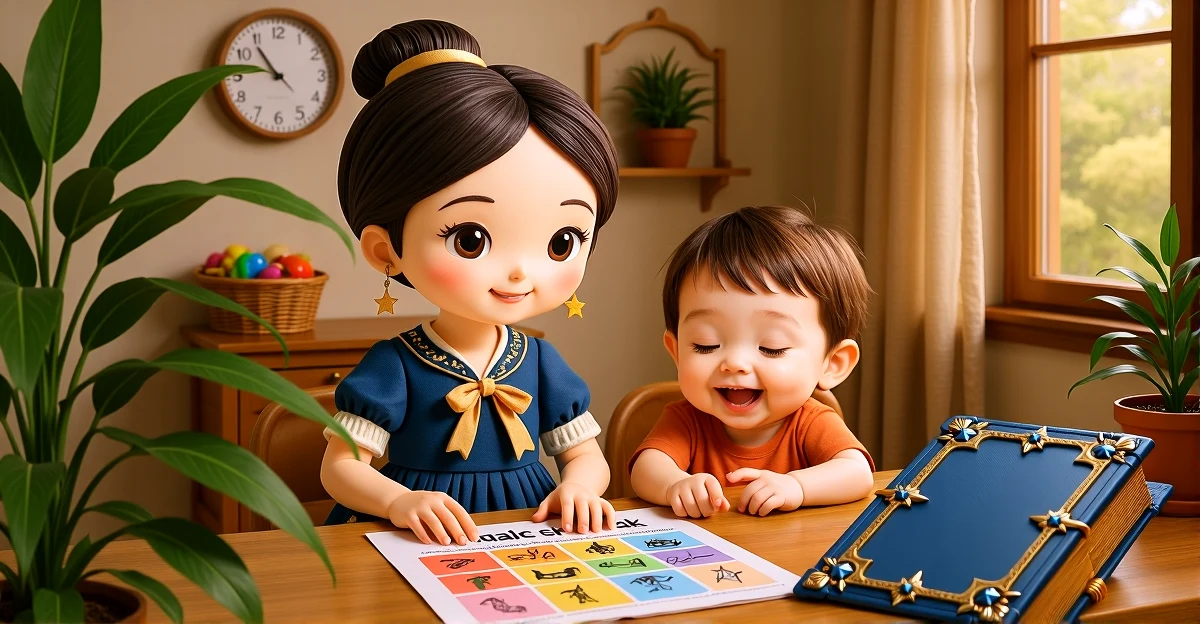
Children find it easier to practice social skills with adults first, before transitioning to interactions with other children. When you play turn-taking games with your little one, when you model sharing during snack time, when you use words to express feelings, you're building the foundation for all their future friendships.
— Crawford & Weber, Early Intervention Specialists
Dr. Jeannie Ho and Suzanne Funk from the National Association for the Education of Young Children remind us that children who have trusting relationships with their caregivers are more willing to ask questions, solve problems, and express their thinking. That trust you're building? It's the foundation for every friendship your child will ever have.
Here's something the Magic Book showed me that I find so beautiful. When children see their caregivers demonstrate warmth, respect, and cooperation, they naturally begin to mirror those behaviors. You are your child's first and most important teacher of friendship. The way you treat them, and the way they see you treat others, becomes their template for all relationships.
Gentle Strategies That Actually Work
Now, let me share some gentle, research-backed strategies that can help your child develop friendship skills. These aren't formal lessons. They're simple practices woven into the gentle rhythm of daily life together.
1. Keep Turns Short and Structured
When children are learning to take turns, counting to ten for each turn helps both children anticipate how long they'll wait. This makes the rhythm of turn-taking feel predictable and safe. You can say, "Your turn for ten counts, then my turn for ten counts." This simple structure teaches patience and fairness. Research shows that short turns with clear structure help young children anticipate exchanges and build the rhythm of turn-taking.
2. Use Visual and Gestural Cues
Teaching your child to clasp their hands together and say "waiting hands" gives them a specific behavior to focus on while waiting. It transforms waiting from an abstract concept into something concrete they can DO. And when they successfully wait, celebrate that! "You used your waiting hands so beautifully!" Visual cues give children specific behaviors to focus on while developing self-regulation.
3. Embed Practice in Daily Routines
Sharing snacks at the table, taking turns choosing books at bedtime, trading toys during playtime. These everyday moments are where friendship skills are truly built. Not in formal lessons, but in the gentle rhythm of daily life together. Crawford and Weber's research shows that children who receive structured support for friendship skills through embedded daily routines develop stronger peer relationships and greater social confidence.
4. Model the Language of Friendship
When you say things like, "May I please have a turn?" or "Thank you for sharing with me," your child is learning the actual words that build connections. They're discovering that kind words open doors to friendship. Model phrases like:
- "Can I play with you?"
- "That looks fun! May I try?"
- "I see you're using that. I'll wait for my turn."
- "Thank you for sharing with me!"
- "I'm sorry. Are you okay?"
5. Narrate Social Moments
During playtime, narrate what you see. "You waited for your turn! That's friendship." "You shared your toy with your sister. Your heart is glowing with kindness!" Help your child notice their own kind choices. Celebrate the small moments of connection. Because friendship skills are built in these tiny, beautiful moments.
6. Practice Empathy Through Observation
When you see another child crying or upset, gently point it out. "Look, that little one is sad. I wonder what would help them feel better?" You're teaching your child to notice others' feelings and consider how to respond with kindness. This is the foundation of empathy, and empathy is the foundation of all meaningful friendships.
Stories That Can Help
In The Book of Inara, we have beautiful stories that bring these concepts to life for your child. Let me tell you about one that's PERFECT for teaching friendship skills:
The Heart-Compass Playground
Perfect for: Ages 2-3 (and wonderful for 3-4 year olds too!)
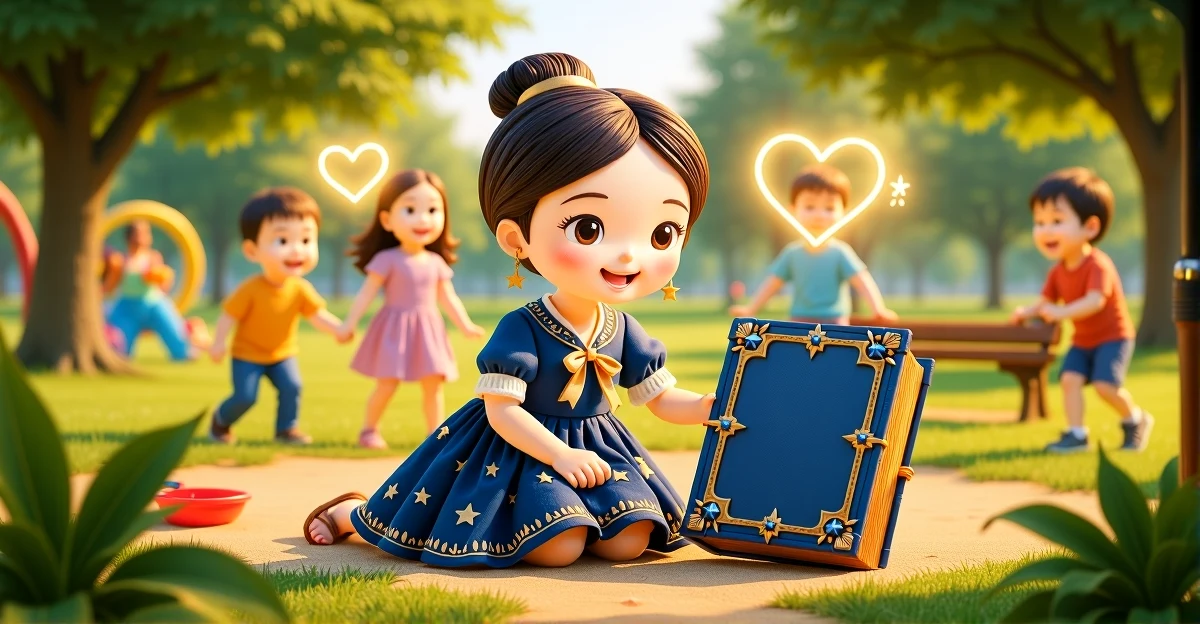
What makes it special: In this story, two friends named Ayli and Igar discover a magical practice arena where their hearts actually glow when they make kind choices. And when they choose empathy and understanding, rainbow paths appear to guide them toward deeper friendship. This story is SO SPECIAL because it gives children a metaphor they can understand. The idea of a heart-compass, a feeling inside that glows when we're kind, helps children connect their actions to their feelings.
Key lesson: Friendship isn't about being perfect. It's about making kind choices, one moment at a time. When Ayli and Igar stumble or make mistakes, they learn that friendship means trying again, listening to each other, and caring about how the other person feels.
How to use it: After reading this story, you can ask your child, "What makes your heart glow when you play with friends?" You're helping them notice their own kind choices and building their awareness of how friendship feels. You can reference the heart-compass during playdates. "I see your heart-compass glowing! You shared so kindly."
You're Doing Beautifully
Here's what I want you to remember, wonderful parent. Your child who is learning to share, who sometimes struggles to wait for a turn, who is figuring out how to join in play, is doing exactly what they should be doing at this age. They're not behind. They're not difficult. They're learning one of life's most important skills, and they're learning it through relationship with you.
Please, be gentle with yourself too. Teaching friendship skills takes patience. There will be days when sharing feels impossible, when waiting leads to tears, when playdates feel chaotic. That's all part of the learning. Your calm presence, your warm guidance, your belief in your child's growing capacity for connection, that's what matters most.
The Magic Book and I believe in you, and we believe in your child's beautiful, growing heart. You're doing such important work, wonderful parent. Keep offering warmth, keep modeling kindness, keep celebrating those small moments of connection. Your child is learning to be a friend, and you're teaching them so well.
With love and starlight, Inara
Related Articles
- Understanding Your Child's Social Development: Why Playing Alone is Normal (Ages 3-4)
- Teaching Manners Without Power Struggles: A Gentle Parenting Guide
- Understanding Your Child's Rough Play: A Gentle Guide to Teaching Empathy
- Teaching Gentle Touch: Understanding Your Child's Tight Hugs (Ages 3-4)
- Helping Your 4-5 Year Old Build Friendship Skills: A Gentle Guide
Show transcript
Hello, wonderful parent! It's me, Inara, and I am so happy you're here today. You know, the Magic Book and I have been noticing something beautiful happening in homes all around the world. Parents like you are asking such thoughtful questions about helping their little ones learn to make and keep friends. And I want you to know, this question shows how deeply you care about your child's heart and their connections with others.
If you're watching this because your three or four year old is navigating the wonderful, sometimes tricky world of friendships, I see you. Maybe your little one is learning to share toys, or figuring out how to join in play with other children, or discovering what it means to be a friend. These moments can feel challenging, and I want you to know something IMPORTANT. What you're witnessing isn't a problem to fix. It's development unfolding exactly as it should.
Let me share what the Magic Book taught me about friendship skills in young children. Research from the National Association for the Education of Young Children shows us something beautiful. Young children develop and learn in the context of relationships. That means your child is learning about friendship primarily through their relationship with YOU. When you offer warmth, affection, and respect consistently, you're teaching your child the very foundation of all friendships. Isn't that WONDERFUL?
Here's what's happening in your child's growing brain right now. At ages three and four, children are in a critical window for social skill development. Their little minds are learning complex things like turn-taking, sharing, empathy, and cooperation. But here's the key. These skills don't appear overnight. They develop gradually, step by step, through warm relationships and gentle practice.
Early intervention specialists Merle Crawford and Barbara Weber, who have spent years studying how children learn social skills, emphasize something so important. Sharing and turn-taking are skills children will need for the rest of their lives. And the beautiful news? You can start teaching these skills right now through simple, loving interactions embedded in your daily routines.
Let me tell you what research shows about how friendship skills actually develop. Children find it easier to practice social skills with adults first, before transitioning to interactions with other children. So when you play turn-taking games with your little one, when you model sharing during snack time, when you use words to express feelings, you're building the foundation for all their future friendships. You're not just playing. You're teaching.
The National Academies of Sciences confirms that ages three and four represent a critical period for acquiring foundational social-emotional learning skills. The patterns your child develops now significantly influence their peer relationships and school success later. But please hear this. That doesn't mean pressure. It means opportunity. Every playdate, every shared toy, every moment of waiting for a turn is your child's brain building neural pathways for connection.
Now, let me share some gentle, research-backed strategies that can help. First, keep turns short and structured. When children are learning to take turns, counting to ten for each turn helps both children anticipate how long they'll wait. This makes the rhythm of turn-taking feel predictable and safe. You can say, Your turn for ten counts, then my turn for ten counts. This simple structure teaches patience and fairness.
Second, use visual and gestural cues. Teaching your child to clasp their hands together and say waiting hands gives them a specific behavior to focus on while waiting. It transforms waiting from an abstract concept into something concrete they can DO. And when they successfully wait, celebrate that! You used your waiting hands so beautifully!
Third, embed practice opportunities in daily routines. Sharing snacks at the table, taking turns choosing books at bedtime, trading toys during playtime. These everyday moments are where friendship skills are truly built. Not in formal lessons, but in the gentle rhythm of daily life together.
Fourth, model the language of friendship. When you say things like, May I please have a turn? or Thank you for sharing with me, your child is learning the actual words that build connections. They're discovering that kind words open doors to friendship.
And here's something the Magic Book showed me that I find so beautiful. When children see their caregivers demonstrate warmth, respect, and cooperation, they naturally begin to mirror those behaviors. You are your child's first and most important teacher of friendship. The way you treat them, and the way they see you treat others, becomes their template for all relationships.
Now, I want to tell you about a story that might help. In The Book of Inara, we have a beautiful tale called The Heart-Compass Playground. In this story, two friends named Ayli and Igar discover a magical practice arena where their hearts actually glow when they make kind choices. And when they choose empathy and understanding, rainbow paths appear to guide them toward deeper friendship.
This story is so SPECIAL because it gives children a metaphor they can understand. The idea of a heart-compass, a feeling inside that glows when we're kind, helps children connect their actions to their feelings. After reading this story, you can ask your child, What makes your heart glow when you play with friends? You're helping them notice their own kind choices and building their awareness of how friendship feels.
The story shows that friendship isn't about being perfect. It's about making kind choices, one moment at a time. When Ayli and Igar stumble or make mistakes, they learn that friendship means trying again, listening to each other, and caring about how the other person feels. These are exactly the skills your three or four year old is learning right now.
Here's what I want you to remember, wonderful parent. Your child who is learning to share, who sometimes struggles to wait for a turn, who is figuring out how to join in play, is doing exactly what they should be doing at this age. They're not behind. They're not difficult. They're learning one of life's most important skills, and they're learning it through relationship with you.
Dr. Jeannie Ho and Suzanne Funk from the National Association for the Education of Young Children remind us that children who have trusting relationships with their caregivers are more willing to ask questions, solve problems, and express their thinking. That trust you're building? It's the foundation for every friendship your child will ever have.
So tonight, or tomorrow, try this. During playtime, narrate what you see. You waited for your turn! That's friendship. You shared your toy with your sister. Your heart-compass is glowing! Help your child notice their own kind choices. Celebrate the small moments of connection. Because friendship skills are built in these tiny, beautiful moments.
And please, be gentle with yourself too. Teaching friendship skills takes patience. There will be days when sharing feels impossible, when waiting leads to tears, when playdates feel chaotic. That's all part of the learning. Your calm presence, your warm guidance, your belief in your child's growing capacity for connection, that's what matters most.
The Magic Book and I believe in you, and we believe in your child's beautiful, growing heart. You're doing such important work, wonderful parent. Keep offering warmth, keep modeling kindness, keep celebrating those small moments of connection. Your child is learning to be a friend, and you're teaching them so well.
Find The Heart-Compass Playground and many more stories in The Book of Inara. Each story is crafted with love to support your child's social and emotional growth. Until our next adventure together, with love and starlight, Inara.