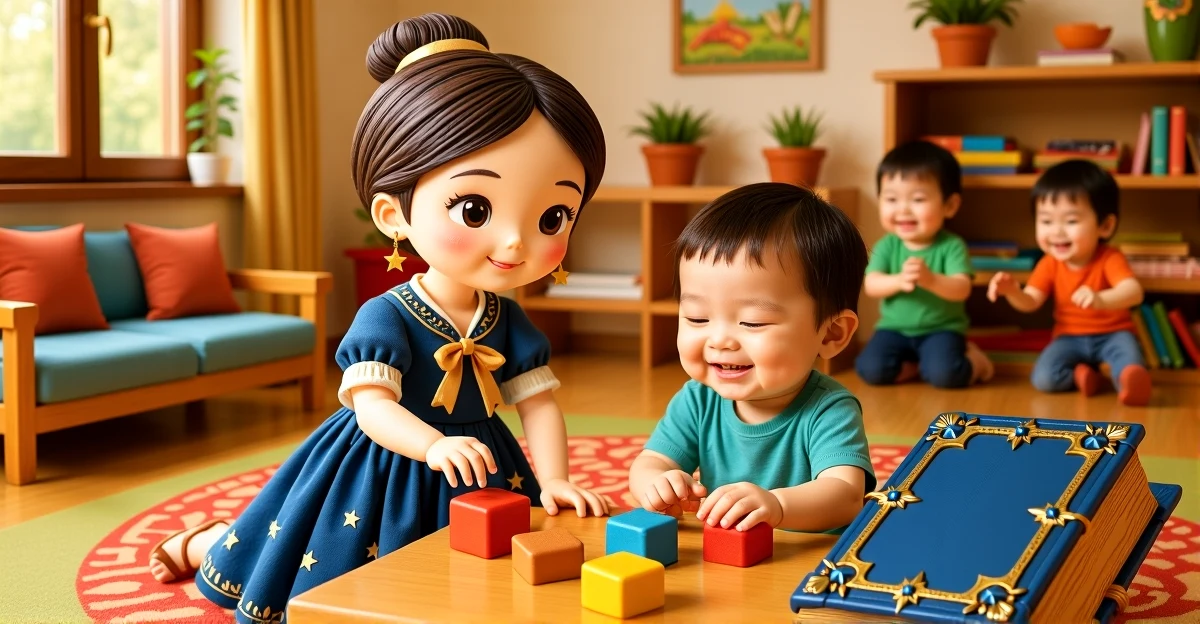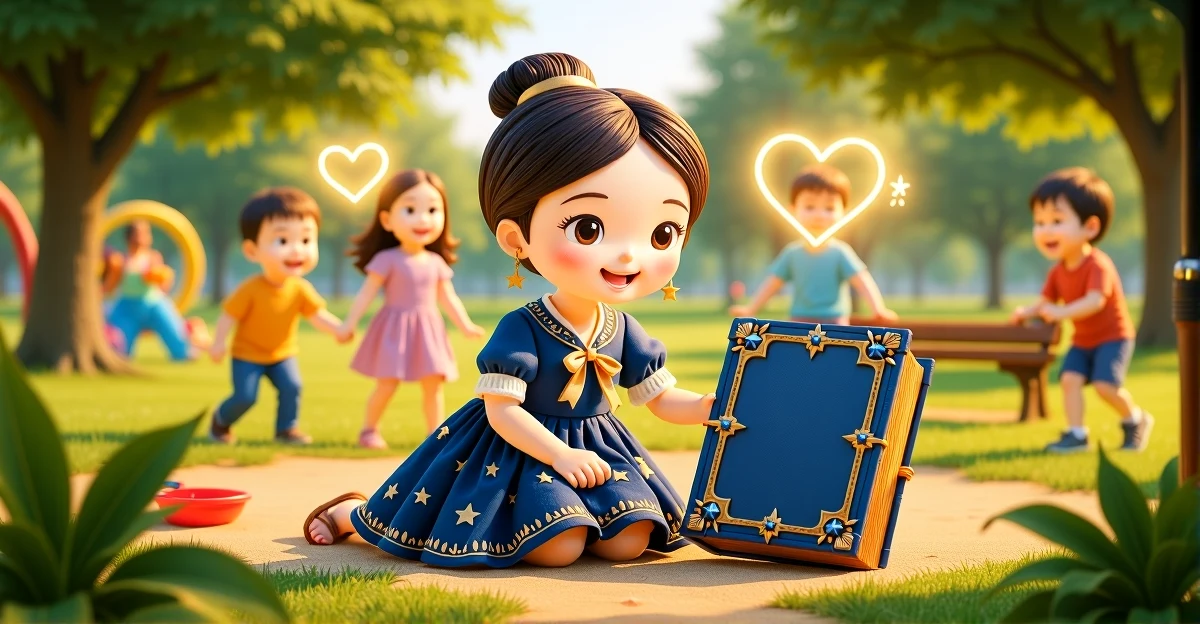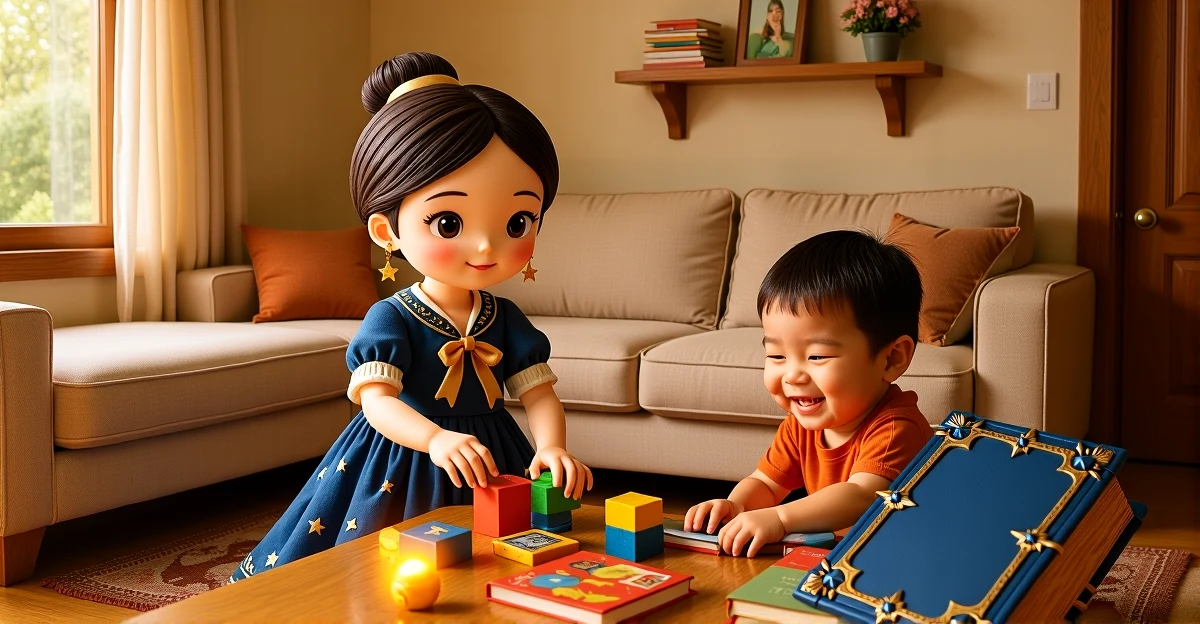

Your child walks up to another child at the playground with confidence and ease. Within minutes, theyre laughing together, building sandcastles, and making plans to play again tomorrow. You smile, relieved that your child has such wonderful social skills. But then, a few weeks later, your child comes home in tears. Nobody wants to be my friend anymore, they say, and your heart breaks.
If this sounds familiar, I want you to know something really important. You are not alone in this, and your child is not broken. What youre witnessing is actually a beautiful sign of development in progress. Let me explain what the Magic Book taught me about this common challenge, and more importantly, how you can help your child build the skills they need for lasting, meaningful friendships.
In this post, well explore why some children make friends easily but struggle to maintain those connections over time, what research tells us about the specific skills needed for friendship maintenance, and gentle, practical strategies you can use starting today to support your childs social-emotional growth.
Understanding the Friendship Maintenance Challenge
When children are around five or six years old, theyre going through one of the most AMAZING transitions in their social world. Theyre moving from seeing friends as momentary playmates to understanding that friendships are sustained connections that need ongoing care and attention over time.
Think about it this way. For younger children, friendship is simple and immediate. If someone is playing with them right now, that person is their friend. When playtime ends, so does the friendship, and thats perfectly natural for their developmental stage. But around ages five and six, something shifts. Children begin to understand that friendships can continue even when youre not together, that friends remember each other, think about each other, and maintain connection over time.
This is HUGE! Its like their hearts are learning a whole new language - the language of lasting connection. But heres the thing. Making an initial connection is one skill set. Maintaining that connection over time requires completely different skills. And many children who excel at the first struggle with the second, not because theres anything wrong with them, but because theyre still learning.
The Two Skill Sets of Friendship
Making friends requires skills like approaching others confidently, initiating play, sharing interests, and being fun to be around. These are the skills your child has mastered beautifully. Theyre the social equivalent of planting a seed - exciting, immediate, and relatively straightforward.
Maintaining friendships, however, requires a different set of skills: self-control, emotion regulation, empathy, conflict resolution, and authentic communication. These are the skills of tending a garden - they require patience, ongoing attention, and learning what the relationship needs to flourish. Your child is in the process of developing these skills right now.
What Research Tells Us About Friendship Maintenance
Research consistently shows that friendship maintenance in young children ages 5-6 represents a critical developmental transition. According to the American Psychological Association, children who develop good social skills during this period are more likely to be happy in their future relationships and stay healthy throughout their lives. But heres the beautiful part that I want you to really hear: these skills can be taught.
Research shows that kids who have good social skills are more likely to stay in school, be happy in future relationships, and stay healthy.
— American Psychological Association
Studies indicate that successful friendship maintenance depends heavily on developing three key social-emotional skills: self-control, emotion regulation, and empathy. Lets break down what each of these means in the context of your childs friendships.
Self-Control: The Foundation of Turn-Taking
Self-control means learning to wait for a turn, to share attention, to manage disappointment when a friend cant play, and to resist impulses that might push friends away. When your child wants to play with the same toy their friend is using, self-control is what helps them wait patiently or suggest taking turns instead of grabbing.
Emotion Regulation: Managing Big Feelings in Friendships
Emotion regulation is about recognizing their own feelings and expressing them in ways that dont damage the friendship. When a friend accidentally knocks over their block tower, emotion regulation helps your child express disappointment without lashing out. When they feel left out, it helps them communicate that feeling instead of withdrawing completely.
Recent peer-reviewed research in BMC Psychology demonstrates that authoritative parenting - characterized by warmth combined with clear expectations - significantly supports childrens ability to regulate emotions and maintain peer connections over time.
Empathy: Understanding a Friends Perspective
Empathy is understanding how their actions affect their friends feelings. Its the ability to notice when a friend looks sad, to wonder why, and to care about making things better. Empathy is what transforms a playmate into a true friend.
Why Understanding Isnt the Same as Doing
Heres something that confuses many parents. Your child might be able to explain these concepts perfectly when you talk about them. They can tell you that friends should share, that hitting hurts peoples feelings, that taking turns is important. But then, in the heat of the moment, when emotions are running high and they really want that toy NOW, all that understanding seems to disappear.
This isnt defiance or forgetting. This is brain development in action. Understanding something in your mind and being able to DO it in the moment, especially when emotions are involved, are two very different things. Your childs brain is still developing the connections that make this possible.
The prefrontal cortex - the part of the brain that helps with impulse control, emotional regulation, and considering consequences - is still growing and wont be fully developed until theyre in their twenties! So when your child struggles to maintain friendships despite understanding what they should do, theyre not failing. Theyre learning. And that learning takes time, practice, and patient support from the adults who love them.
Gentle Strategies to Support Friendship Maintenance
Now that we understand what your child is learning and why its challenging, lets talk about what you can do to help. These strategies are backed by research and aligned with gentle parenting principles that honor your childs development while building essential skills.
Strategy 1: Model Authentic Friendship
Children learn SO much from watching us. Let your child see you navigating the ups and downs of your own friendships. Talk about your feelings. Show them how you repair connections when theres a misunderstanding.
You might say something like, I felt sad when my friend forgot our lunch date, so I called her and told her how I felt. She apologized and we made a new plan. This shows your child that friendships have bumps, and those bumps can be smoothed out with honest communication.
Research from the National Association for the Education of Young Children emphasizes that when adults model warm, respectful relationships and intentionally teach friendship skills through demonstration, children develop the capacity to navigate the natural ups and downs of friendships with resilience and growing competence.
Strategy 2: Coach in the Moment
When you see a friendship struggle happening, resist the urge to step in and fix it immediately. Instead, help your child think through it. You might say:
- I noticed your friend looked sad when you said that. What do you think they might be feeling?
- It seems like you and your friend both want to play different games. How could you both feel happy?
- Your friend is waiting for a turn. What could you say to them?
This coaching builds their empathy and conflict resolution skills in real-time, giving them tools they can use independently as they grow.
Strategy 3: Create Opportunities for Sustained Friendships
Instead of lots of different playdates with different children, try having regular playdates with the same one or two friends. This gives your child the chance to practice working through the natural ups and downs that happen in any relationship.
Consistency helps them learn the rhythm of a friendship - the give and take, the conflicts and repairs, the deepening connection that comes from showing up again and again. Its in these sustained relationships that the real learning happens.
Strategy 4: Teach Emotional Vocabulary
Help your child build a rich vocabulary for emotions. Instead of just happy, sad, and mad, introduce words like frustrated, disappointed, excited, worried, proud, and embarrassed. The more precisely they can name their feelings, the better they can communicate them to friends.
You might say, It looks like youre feeling frustrated that your friend wants to play a different game. Can you tell them, I feel frustrated when we dont play what I want to play. Can we take turns choosing?
Strategy 5: Celebrate Repair, Not Perfection
When your child has a conflict with a friend and then works it out, celebrate that! The repair is actually more important than avoiding conflict altogether. You might say, I noticed you and your friend disagreed about the rules, but then you talked about it and figured it out together. That is SO important for friendship!
This teaches your child that conflicts are normal and manageable, not friendship-ending disasters. It builds their confidence in their ability to navigate challenges.
Stories That Teach Friendship Maintenance
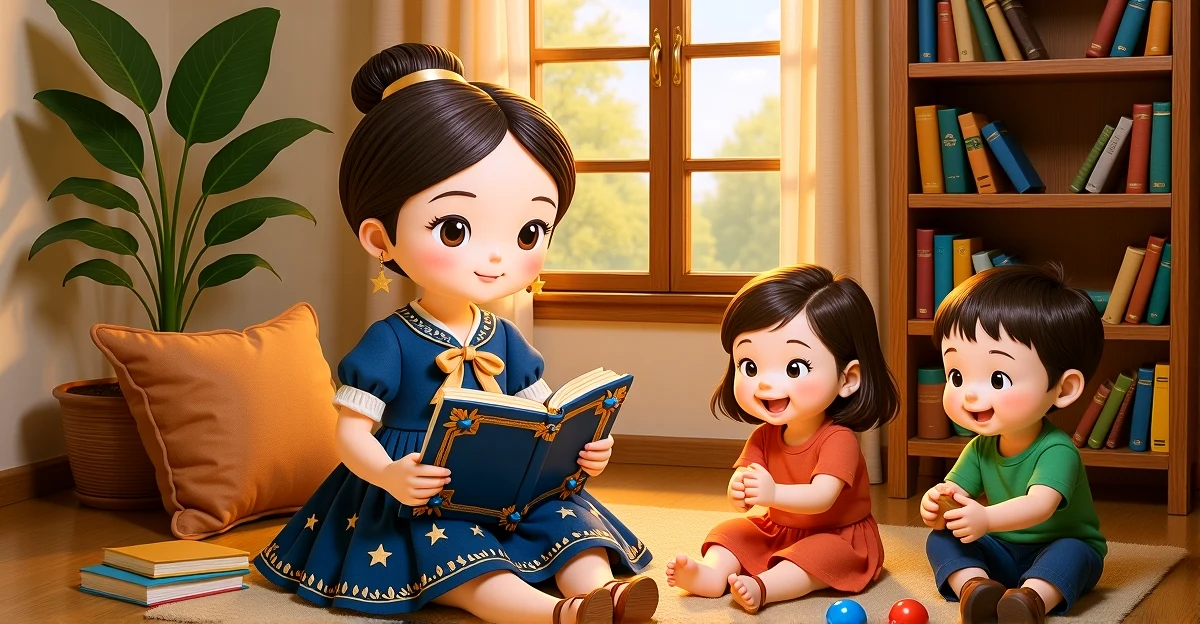
In The Book of Inara, we have beautiful stories that bring these concepts to life for your child in ways that feel magical and meaningful. Stories are powerful teachers because they show children what authentic friendship looks like in action.
The Friendship Frequency
Perfect for: Ages 4-5 (and up)
What makes it special: Ethan and Sofia discover an emergency radio that only works when they speak from their hearts. They learn that real friendship means being yourself, even when the connection gets fuzzy. This story beautifully illustrates that authentic communication and staying true to yourself are essential for friendships that last.
Key lesson: Genuine connection requires authenticity and emotional honesty, not just surface-level interaction. When children learn to speak from their hearts in friendships, they build connections that can weather challenges.
How to use it: After reading this story together, talk with your child about what it means to speak from your heart in friendships. Practice together how to share real feelings with friends, even when its hard. And how to listen when friends share their feelings with you.
Youre Doing Beautifully
I want you to take a deep breath and really hear this. Your child is learning one of lifes most important skills right now. Building lasting friendships takes time, practice, and patience. There will be bumps along the way. There will be hurt feelings and misunderstandings. And thats not failure. Thats learning.
Every time your child navigates a friendship challenge, even if it doesnt go perfectly, theyre building the neural pathways that will serve them for their entire life. Youre not raising a child who never struggles with friendships. Youre raising a child who learns and grows through those struggles. And that is BEAUTIFUL.
Be patient with your little one. Be patient with yourself. Know that the skills theyre developing right now - empathy, self-control, emotion regulation, authentic communication - these are the foundations of every meaningful relationship theyll have throughout their life. Youre not just helping them keep playground friends. Youre helping them build the capacity for deep, lasting connection.
The Magic Book and I are here, cheering you on every step of the way. You are doing beautifully, and your child is exactly where they need to be.
With love and starlight,
Inara
Related Articles
- Teaching Your Child Conflict Resolution Skills: A Gentle Guide for Ages 5-6
- Teaching Financial Wisdom to Your 5-6 Year Old: A Gentle Guide to Money and Economics
- Understanding Friendship Changes in First Grade: A Gentle Guide for Parents
- Understanding Your Child's Solo Work Preference (Ages 5-6)
- Building Deep, Meaningful Friendships at Ages 5-6: A Gentle Parenting Guide
Show transcript
Hello, my wonderful friend! Its me, Inara, and I am SO happy youre here today. You know, the Magic Book and I have been noticing something that touches my heart. So many parents are reaching out, saying their child makes friends easily but struggles to keep those friendships going. And I want you to know something really important. You are not alone in this, and your child is not broken. What youre seeing is actually a beautiful sign of development in progress.
Let me tell you what the Magic Book taught me about this. When children are around five or six years old, theyre going through one of the most AMAZING transitions in their social world. Theyre moving from seeing friends as momentary playmates to understanding that friendships are sustained connections that need care and attention over time. This is HUGE! Its like their hearts are learning a whole new language, the language of lasting connection.
Now, heres what research shows us, and this is so important. The American Psychological Association tells us that children who develop good social skills are more likely to be happy in their future relationships and stay healthy throughout their lives. But heres the beautiful part. These skills can be taught! Friendship maintenance isnt something children either have or dont have. Its something they LEARN, with patient support from the adults who love them.
So what does your child need to learn? Well, the research points to three key skills. First, self-control. This means learning to wait for a turn, to share attention, to manage disappointment when a friend cant play. Second, emotion regulation. This is about recognizing their own feelings and expressing them in ways that dont push friends away. And third, empathy. Understanding how their actions affect their friends feelings.
Now, I know what you might be thinking. My child seems to understand these things when we talk about them, but then friendships still fall apart. And heres what I want you to know. Understanding something in your mind and being able to DO it in the moment, especially when emotions are running high, those are two very different things! Your childs brain is still developing the connections that make this possible. The prefrontal cortex, the part that helps with impulse control and emotional regulation, is still growing and wont be fully developed until theyre in their twenties!
So what can you do to help? First, model authentic friendship yourself. Let your child see you navigating the ups and downs of your own friendships. Talk about your feelings. Show them how you repair connections when theres a misunderstanding. Children learn SO much from watching us.
Second, coach them in the moment. When you see a friendship struggle happening, dont just step in and fix it. Instead, help them think through it. You might say something like, I noticed Emma looked sad when you said that. What do you think she might be feeling? Or, It seems like you and James both want to play different games. How could you both feel happy?
Third, create opportunities for sustained friendships. Instead of lots of different playdates with different children, try having regular playdates with the same one or two friends. This gives your child the chance to practice working through the natural ups and downs that happen in any relationship.
And heres something beautiful. We have a story in The Book of Inara called The Friendship Frequency. Its about Ethan and Sofia, who discover an emergency radio that only works when they speak from their hearts. They learn that real friendship means being yourself, even when the connection gets fuzzy. This story shows children that authentic communication and staying true to yourself are essential for friendships that last.
After you read this story together, you can talk with your child about what it means to speak from your heart in friendships. You can practice together how to share real feelings with friends, even when its hard. And how to listen when friends share their feelings with you.
Remember, my wonderful friend, your child is learning one of lifes most important skills. Building lasting friendships takes time, practice, and patience. There will be bumps along the way. There will be hurt feelings and misunderstandings. And thats not failure. Thats learning!
Every time your child navigates a friendship challenge, even if it doesnt go perfectly, theyre building the neural pathways that will serve them for their entire life. Youre not raising a child who never struggles with friendships. Youre raising a child who learns and grows through those struggles.
So be patient with your little one. Be patient with yourself. And know that the Magic Book and I are here, cheering you on every step of the way. You are doing beautifully, and your child is exactly where they need to be.
Sweet dreams and lasting friendships, my wonderful friend. Until our next adventure together!