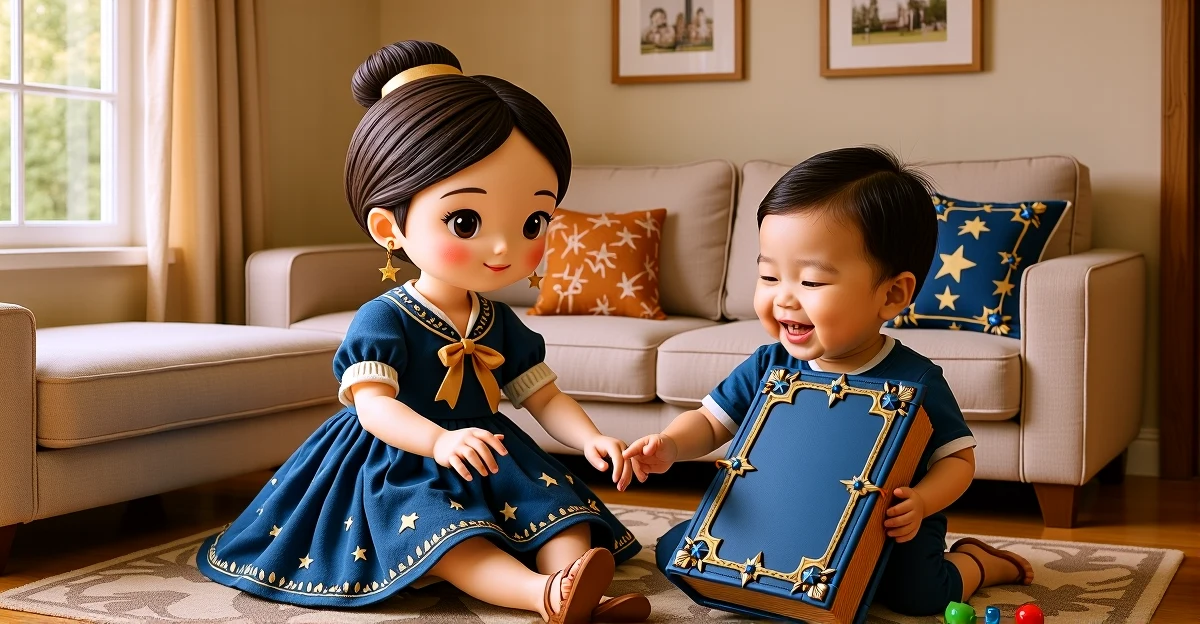

Your little one tugs on your sleeve for the tenth time today. "Help please," they say, pointing at their shoes. You might be wondering: Should they be doing this themselves by now? Are they becoming too dependent on me? Am I helping too much?
Here is something beautiful I want you to know: When your toddler asks for help, that is not dependence. That is independence GROWING. That is communication blooming. That is your child learning one of the most important life skills they will ever develop.
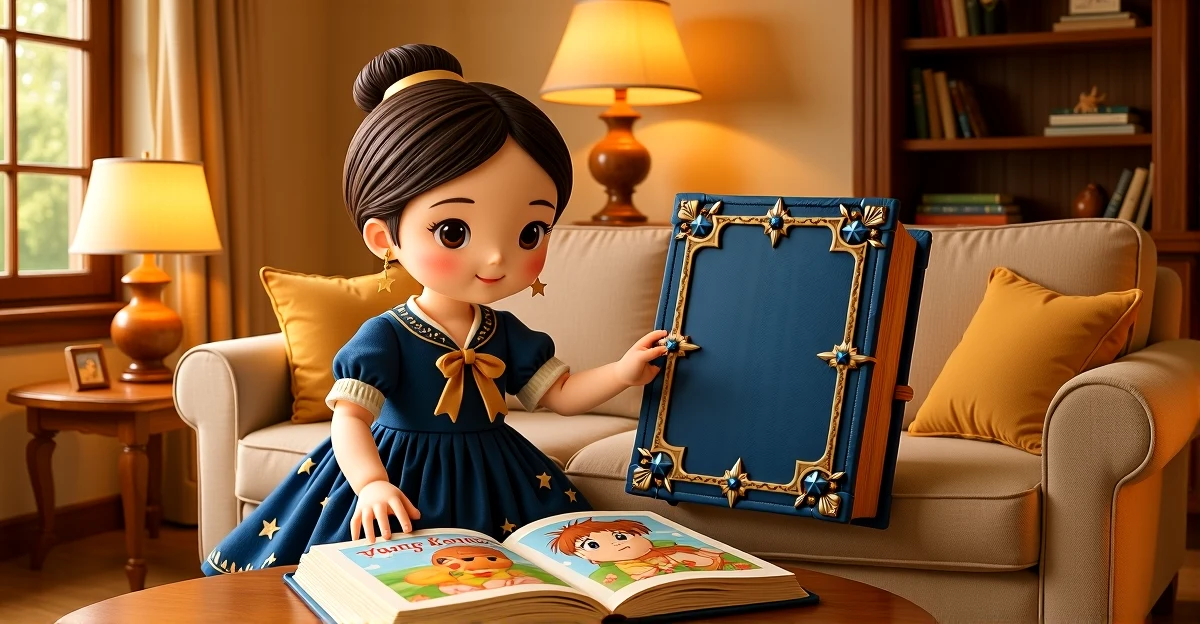
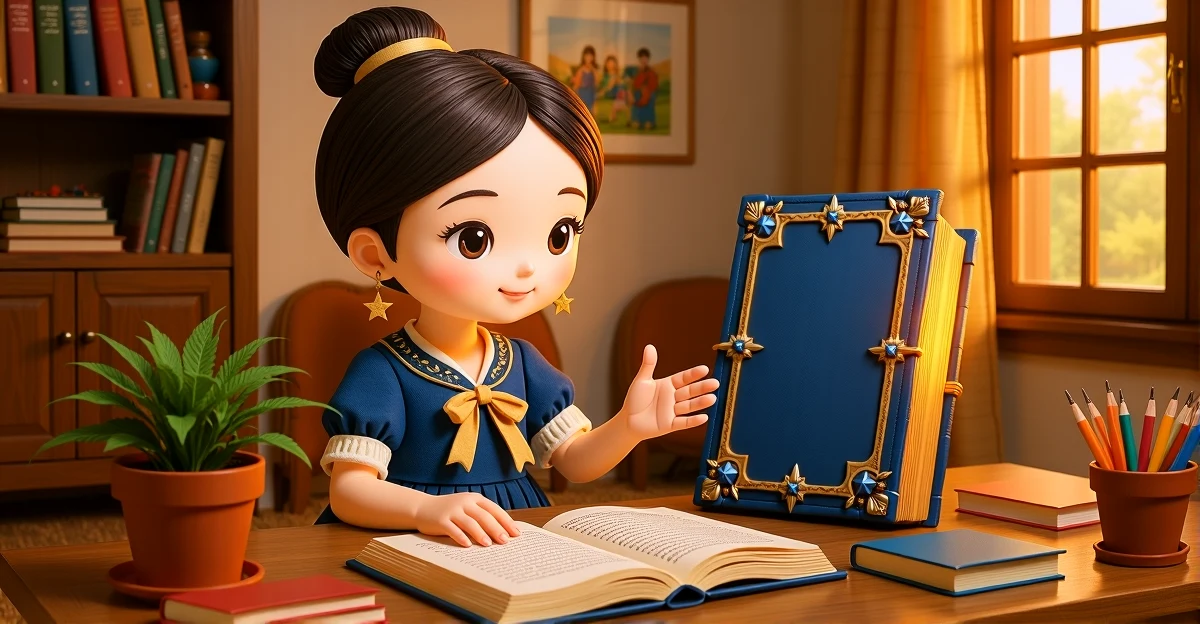
In this post, the Magic Book and I are going to explore why learning to ask for help is such a crucial developmental milestone for children ages 2-3, what research tells us about help-seeking behavior, and how you can support this beautiful skill with warmth and intention. You are going to walk away feeling validated, informed, and empowered to celebrate those help please moments.
Understanding the Help-Seeking Milestone
Between ages two and three, something truly magical is happening in your child brain. They are developing the language skills to communicate their needs instead of just crying or getting frustrated. The American Speech-Language-Hearing Association tells us that children at this age are learning to form two and three word sentences, and they are beginning to answer questions and follow simple instructions. These are the building blocks of help-seeking behavior.
And here is what is SO important to understand: When your toddler learns to ask for help, they are actually demonstrating THREE incredible skills all at once.
Three Skills Your Child Shows When Asking for Help
First, they are showing problem-solving ability. Your child has recognized that something is challenging. They have assessed the situation and determined that they need assistance. That is cognitive development in action! They are not just reacting emotionally, they are thinking strategically about how to overcome an obstacle.
Second, they are using communication skills. Instead of melting down or giving up, they are using their words to express that need. They are bridging the gap between what they want and what they can do. This is a HUGE leap in language development and emotional regulation.
Third, they are showing trust in you as their safe person. When your child asks you for help, they are saying, I know you will support me. I trust that you are here for me. I feel safe coming to you with my challenges. How beautiful is that?
What Research Says About Help-Seeking Behavior
Research from Raising Children Network Australia shows us something really powerful about this developmental phase. At this age, toddlers might cry less than they used to when they cannot do something or feel frustrated. And you know why? Because they can use their words to explain the problem and ask for help. This is a major milestone in emotional regulation and communication development.
At this age, your toddler might cry less than they used to when they cannot do something or feel frustrated. That is because your toddler can use their words to explain the problem and ask for help.
— Raising Children Network Australia
The North Carolina Foundations for Early Learning and Development identifies asking for help as a core developmental goal for young children. They recognize that help-seeking is not just about communication, it is about building independence, problem-solving capacity, and healthy relationships with caregivers. When children learn that asking for help is safe and effective, they are learning a life skill that will serve them forever.
Think about it this way: As adults, we ask for help all the time. We ask colleagues for assistance at work. We ask friends for advice. We ask professionals for expertise. We are not less independent because we seek help, we are actually MORE capable because we know when and how to ask for it. You are teaching your child this wisdom right now, at age two and three.
What This Looks Like in Real Life
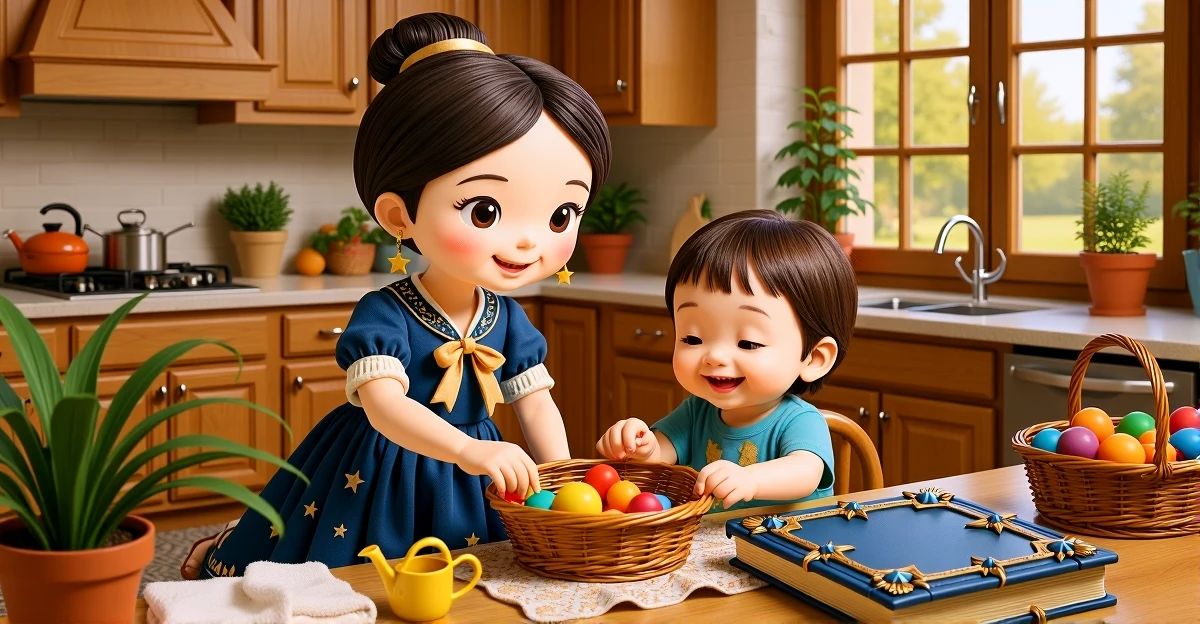
Let me paint you a picture of what help-seeking behavior looks like in your everyday life with your toddler. Your little one might say, help please, when they are trying to put on their shoes. They might tug on your hand and say, stuck, when they cannot reach a toy. They might look at you with those big eyes and say, Mama do it, or Dada help.
And every single one of these moments? They are victories. They are your child learning to advocate for themselves. They are building the foundation for healthy communication patterns that will serve them throughout their entire life.
Sometimes your child will ask for help with things they can actually do themselves. And that is okay! They might be tired, overwhelmed, or just needing connection with you. The Magic Book taught me that these moments are not about the task at all, they are about the relationship. When you help them tie their shoe even though they know how, you are filling their emotional cup. You are saying, I am here for you, always.
Gentle Strategies to Support Help-Seeking Development
So how can you support this beautiful development? Let me share some gentle strategies that the Magic Book and I have discovered.
1. Respond Warmly When Your Child Asks for Help
Even if you are busy, even if it is the tenth time today, take a moment to acknowledge their request. You might say, I hear you asking for help! That is so smart! This validates their communication and encourages them to keep using their words. You are teaching them that their voice matters and that asking for help is a positive behavior.
2. Sometimes Offer Help Before They Ask
This might seem counterintuitive, but it actually teaches them what help looks like. You might say, I notice you are working hard on that puzzle. Would you like some help? This models the language of help-seeking and shows them it is okay to need assistance. You are normalizing the idea that everyone needs help sometimes.
3. Celebrate Their Attempts
When your child tries something challenging and then asks for help, acknowledge both parts. You tried so hard to zip your jacket! I love that you asked me for help when you needed it. You are learning and growing! This reinforces that effort is valuable AND that asking for help is smart.
4. Gradually Encourage Independence While Honoring Their Need for Support
You might say, let us do this together. You hold this part, and I will hold this part. This teaches them that help does not mean someone else does everything, it means working together. You are showing them that collaboration is a strength, not a weakness.
5. Use Stories to Reinforce the Message
Stories are such a powerful way to teach children about help-seeking behavior. When children see characters they love asking for help and receiving support, it normalizes the behavior and makes it feel safe and positive.
Stories That Can Help
In The Book of Inara, we have beautiful stories that bring these concepts to life for your child. Let me share one that is PERFECT for this developmental stage:
The Kangaroo Who Learned to Hop
Perfect for: Ages 2-3
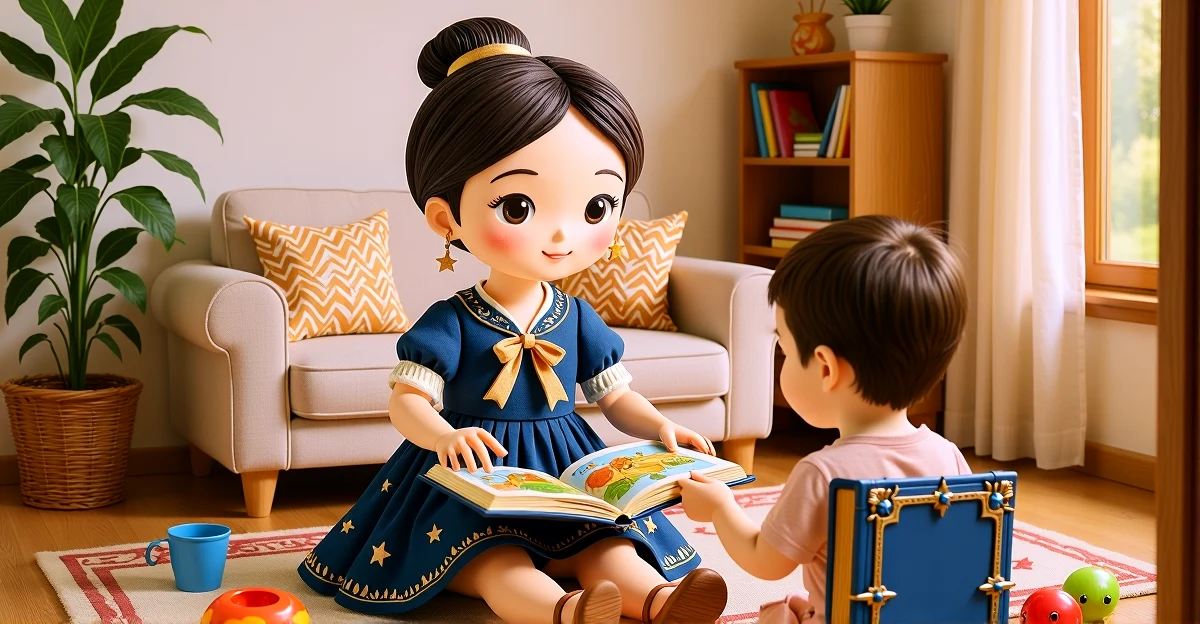
What makes it special: This gentle tale follows Young Kangaroo as he learns something new and challenging: learning to hop! And you know what he does? He asks his wise friend Wallaby for help. What I love about this story is that it shows help-seeking as a strength, not a weakness. Young Kangaroo does not feel bad about needing guidance. Wallaby does not make him feel silly for asking. Instead, they work together with patience and encouragement.
Key lesson: Young Kangaroo learns that asking for help is how we all learn and grow. The story demonstrates that asking for help is not a sign of weakness but a smart strategy for learning and growth, perfectly aligning with your child developing communication and independence skills.
After reading together: You can remind your child, just like Young Kangaroo asked Wallaby for help, you can always ask me when something feels hard. Asking for help is how we learn new things! This creates a beautiful connection between the story and their real life.
Reframing Your Perspective on Help-Seeking
Before we close, I want to address something that might be on your heart. Some parents worry that if they help too much, their child will not become independent. But here is the truth the Magic Book whispers: Independence does not come from doing everything alone. Independence comes from knowing you have support when you need it, and having the confidence to ask for that support.
Research shows us that children whose parents respond supportively to help-seeking requests develop better problem-solving abilities and emotional regulation. They learn that challenges are normal, that asking for help is smart, and that they are never alone in their struggles. What a gift you are giving your child!
When you respond warmly to those help please moments, you are not creating dependence. You are building a foundation of trust, communication, and healthy problem-solving that will serve your child for their entire life.
You Are Doing Beautifully
So tonight, when your little one tugs on your sleeve and says, help please, I want you to pause for just a moment. Take a breath. And recognize that you are witnessing something truly special. You are watching your child communication skills blossom. You are seeing their trust in you shine through. You are experiencing a beautiful moment of connection and growth.
The Magic Book and I are so proud of you, wonderful parent. You are doing such important work, and you are doing it beautifully. Your child is learning that the world is a safe place where help is available, where their voice matters, where they are never alone. And that foundation of trust and communication? It will serve them for their entire life.
Keep celebrating those help please moments. Keep responding with warmth and patience. Keep trusting that you are exactly the parent your child needs.
With love and starlight, Inara
Related Articles
- Understanding Parallel Play: Why Your Toddler Plays Near (Not With) Other Kids
- When Your Toddler Hurts Themselves During Big Feelings: Understanding and Gentle Support
- Understanding Why Toddlers Hit and Bite (And Gentle Ways to Help)
- Understanding Why Your Toddler Wants to Be Carried (The Beautiful Truth About Connection)
- Understanding the Me Do It Phase: Supporting Your Toddler's Growing Independence
Show transcript
Hello, my wonderful friend! It's me, Inara, and I am so happy you're here today! You know, the Magic Book and I have been noticing something truly beautiful happening in homes all around the world. More and more toddlers are learning one of life's most important skills, and I want to celebrate this with you today. We're talking about learning to ask for help.
Now, I know what some of you might be thinking. You might be wondering, is my child too dependent? Should they be doing more on their own? And I want to start by saying something really important. When your toddler asks for help, that's not dependence, that's actually independence GROWING! Isn't that wonderful?
Let me explain what the Magic Book taught me about this. You see, between ages two and three, something magical is happening in your child's brain. They're developing the language skills to communicate their needs instead of just crying or getting frustrated. The American Speech-Language-Hearing Association tells us that children at this age are learning to form two and three word sentences, and they're beginning to answer questions like, what do you do when you're sleepy? These are the building blocks of help-seeking behavior!
And here's something that might surprise you. When your toddler learns to ask for help, they're actually demonstrating THREE incredible skills all at once. First, they're showing problem-solving ability because they've recognized that something is challenging. Second, they're using communication skills to express that need. And third, they're showing trust in you as their safe person. How BEAUTIFUL is that?
Research from Raising Children Network Australia shows us something really powerful. At this age, toddlers might cry less than they used to when they can't do something or feel frustrated. And you know why? Because they can use their words to explain the problem and ask for help! This is a major milestone in emotional regulation and communication development.
Now, let's talk about what this looks like in real life. Your little one might say, help please, when they're trying to put on their shoes. They might tug on your hand and say, stuck, when they can't reach a toy. They might look at you with those big eyes and say, Mama do it, or Dada help. And every single one of these moments? They're victories! They're your child learning to advocate for themselves.
The North Carolina Foundations for Early Learning and Development identifies asking for help as a core developmental goal for young children. They recognize that help-seeking isn't just about communication, it's about building independence, problem-solving capacity, and healthy relationships with caregivers. When children learn that asking for help is safe and effective, they're learning a life skill that will serve them forever.
So how can you support this beautiful development? Let me share some gentle strategies that the Magic Book and I have discovered.
First, respond warmly when your child asks for help. Even if you're busy, even if it's the tenth time today, take a moment to acknowledge their request. You might say, I hear you asking for help! That's so smart! This validates their communication and encourages them to keep using their words.
Second, sometimes offer help before they ask. This might seem counterintuitive, but it actually teaches them what help looks like. You might say, I notice you're working hard on that puzzle. Would you like some help? This models the language of help-seeking and shows them it's okay to need assistance.
Third, celebrate their attempts. When your child tries something challenging and then asks for help, acknowledge both parts. You tried so hard to zip your jacket! I love that you asked me for help when you needed it. You're learning and growing!
Fourth, gradually encourage independence while honoring their need for support. You might say, let's do this together. You hold this part, and I'll hold this part. This teaches them that help doesn't mean someone else does everything, it means working together.
And here's something really important. Sometimes your child will ask for help with things they can actually do themselves. And that's okay! They might be tired, overwhelmed, or just needing connection with you. The Magic Book taught me that these moments aren't about the task at all, they're about the relationship. When you help them tie their shoe even though they know how, you're filling their emotional cup. You're saying, I'm here for you, always.
Now, I want to tell you about a story that shows this so beautifully. It's called The Kangaroo Who Learned to Hop, and it's perfect for children ages two to three. In this gentle tale, Young Kangaroo is learning something new and challenging, learning to hop! And you know what he does? He asks his wise friend Wallaby for help.
What I love about this story is that it shows help-seeking as a strength, not a weakness. Young Kangaroo doesn't feel bad about needing guidance. Wallaby doesn't make him feel silly for asking. Instead, they work together with patience and encouragement, and Young Kangaroo learns that asking for help is how we all learn and grow!
After you read this story with your child, you can remind them, just like Young Kangaroo asked Wallaby for help, you can always ask me when something feels hard. Asking for help is how we learn new things! This creates a beautiful connection between the story and their real life.
You can find The Kangaroo Who Learned to Hop in The Book of Inara, along with so many other stories that support your child's social and emotional development. Each story is crafted with love to teach important life skills through gentle, magical adventures.
Before we close, I want to address something that might be on your heart. Some parents worry that if they help too much, their child won't become independent. But here's the truth the Magic Book whispers. Independence doesn't come from doing everything alone. Independence comes from knowing you have support when you need it, and having the confidence to ask for that support.
Think about it this way. As adults, we ask for help all the time! We ask colleagues for assistance at work. We ask friends for advice. We ask professionals for expertise. We're not less independent because we seek help, we're actually MORE capable because we know when and how to ask for it. You're teaching your child this wisdom right now, at age two and three!
Research shows us that children whose parents respond supportively to help-seeking requests develop better problem-solving abilities and emotional regulation. They learn that challenges are normal, that asking for help is smart, and that they're never alone in their struggles. What a gift you're giving your child!
So tonight, when your little one tugs on your sleeve and says, help please, I want you to pause for just a moment. Take a breath. And recognize that you're witnessing something truly special. You're watching your child's communication skills blossom. You're seeing their trust in you shine through. You're experiencing a beautiful moment of connection and growth.
The Magic Book and I are so proud of you, wonderful parent. You're doing such important work, and you're doing it beautifully. Your child is learning that the world is a safe place where help is available, where their voice matters, where they're never alone. And that foundation of trust and communication? It will serve them for their entire life.
Sweet dreams, my wonderful friend. Until our next adventure together! With love and starlight, Inara.