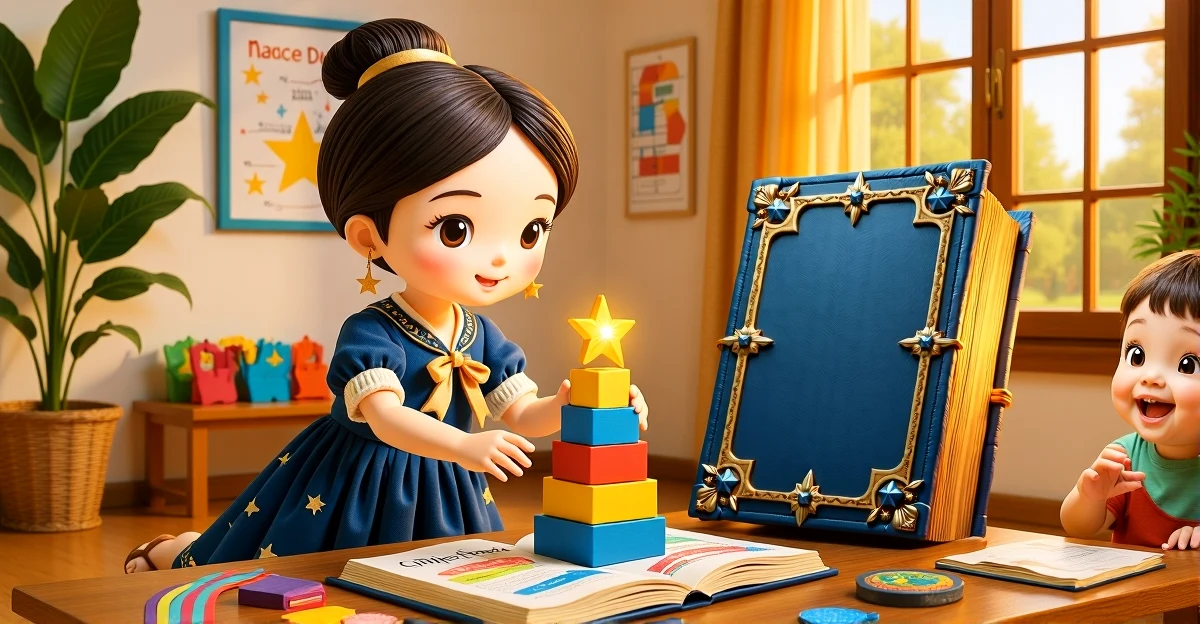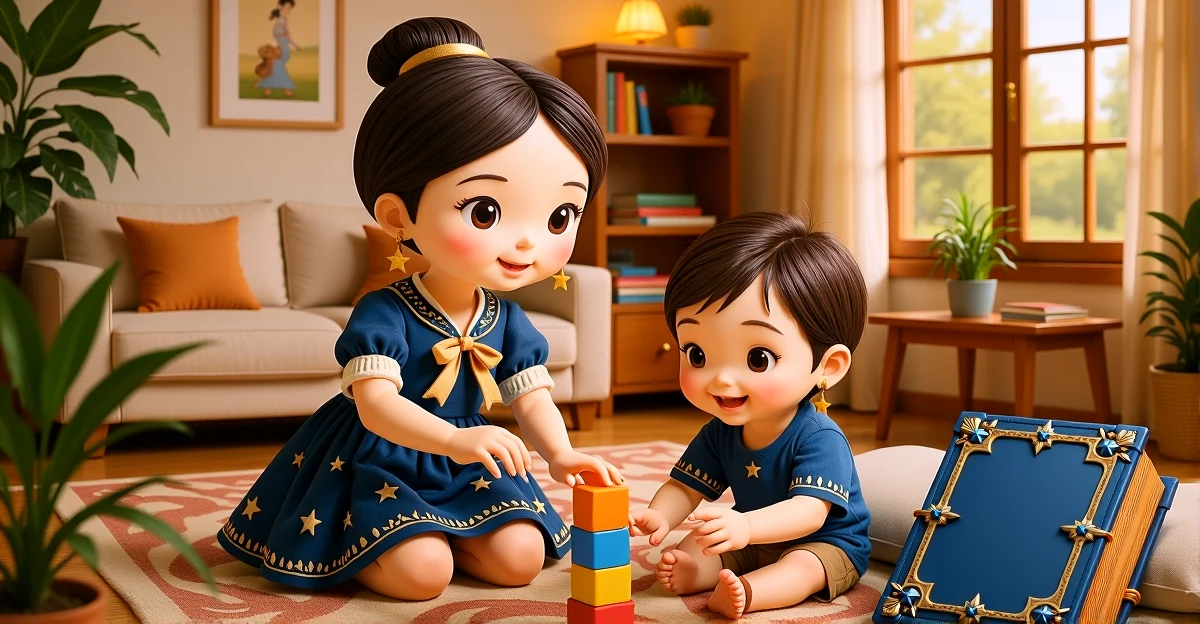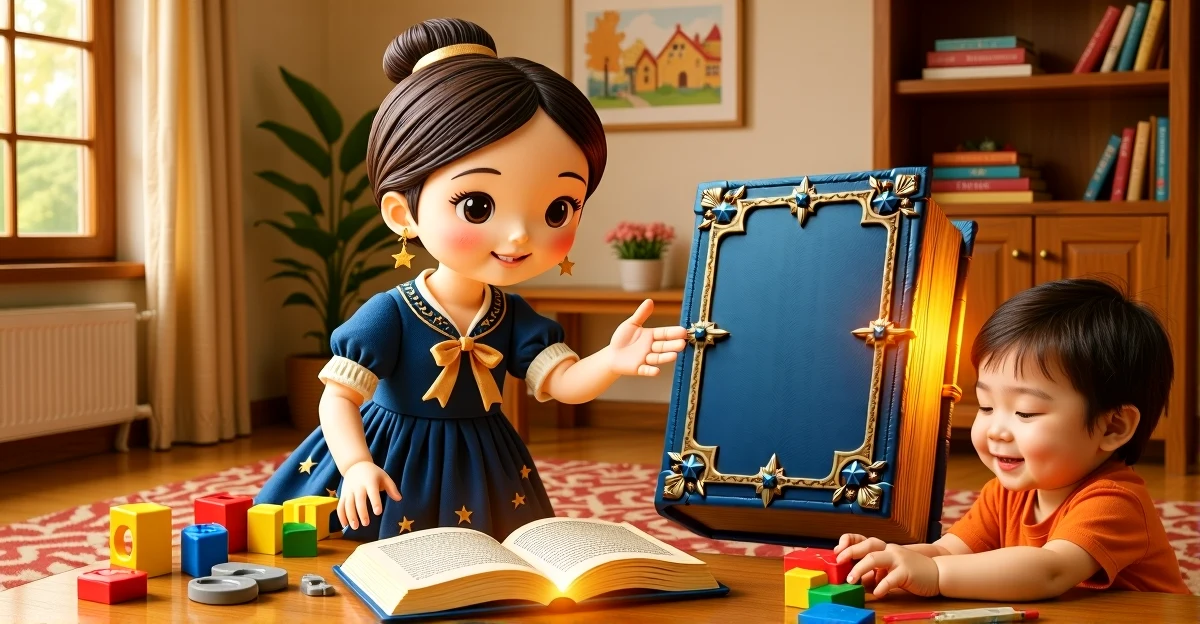

Your five or six year old just announced they want to learn something new. Maybe it is riding a bike without training wheels. Maybe it is writing their name in perfect letters. Maybe it is building the tallest block tower in the entire universe. And as you watch their eyes light up with determination, you feel that familiar flutter in your chest. Will they stick with it? What happens when it gets hard? How can you support them without pushing too much or rescuing too quickly?
If you have ever wondered how to help your child set ambitious goals and actually achieve them, you are not alone. This is one of the most beautiful and challenging aspects of parenting children at this age. The good news? Your child is in a remarkable developmental window right now, and with your gentle support, they can build skills that will serve them for their entire lives.
In this guide, we will explore the science of mastery motivation, share research-backed strategies that actually work, and introduce you to stories that can help your child understand the beautiful journey of working toward something meaningful.
Understanding Mastery Motivation: What Is Happening in Your Child Brain
At ages five and six, something magical is happening inside your child brain. They are developing what researchers call mastery motivation, which is the inner drive to persist toward goals and experience the joy of accomplishment. This is not something you need to create or force. It is already there, growing inside your child like a seed waiting for the right conditions to bloom.
Research from the National Academies shows us that children develop self-regulation and goal-directed behavior incrementally over time. That means your child is not going to set a goal and march toward it in a straight line. They are going to zigzag. They are going to try, pause, try again, get distracted, come back to it, feel frustrated, feel proud, and slowly, beautifully, build the skills they need. And that is exactly how it should be.
Here is something else that is SO important. Studies show that self-efficacy, your child belief in their own abilities, is a major component of motivation at this age. When children believe they can do something, they are more likely to try. And when they try, even if they do not succeed right away, they are building the neural pathways for persistence. Every single attempt matters. Every single effort is growing their brain.
Self-efficacy is a major component of motivation in 5-6 year old children. Executive function skills support goal-directed behavior and persistence, and children at this age are developing mastery motivation through practice and scaffolding.
— ScienceDirect Research on Learning Motivation in Preschoolers (2022)
The Beautiful Science of Executive Function
When your child sets a goal and works toward it, they are not just learning a specific skill. They are building executive function, which includes working memory to hold goals in mind, inhibitory control to stay focused, and cognitive flexibility to adjust strategies when something is not working.
Research from NAEYC emphasizes that executive function skills help children complete tasks and stay focused on goals. Working memory, inhibitory control, and cognitive flexibility all develop through playful practice. And here is the beautiful part: children need varying amounts of time and developmentally appropriate support to build these skills. There is no rush. There is no timeline. Every child develops at their own perfect pace.
What does this mean for you as a parent? It means that when your child gets frustrated while working toward a goal, they are not failing. They are learning. Their brain is literally building new connections. The struggle IS the growth.
Five Gentle Strategies to Support Your Child Goal-Setting Journey
So how do you actually support your child in this beautiful, messy, wonderful process of setting and achieving goals? Here are five research-backed strategies that honor your child developmental stage while nurturing their natural drive to accomplish and grow.
1. Celebrate the Goal Itself
When your child announces they want to learn something new, pause and honor that moment. You can say something like, what a beautiful goal! I love that you want to learn this. That simple validation tells your child that their dreams matter, that their ambitions are worthy of attention and care. This is the foundation of self-efficacy. When children feel that their goals are valued, they are more likely to persist when challenges arise.
2. Break Goals Into Tiny, Achievable Steps
This is where the magic happens. Big goals can feel overwhelming, even to adult brains. But when we break them down into small pieces, suddenly they feel possible. If your child wants to learn to ride a bike, you might say, first we will practice balancing with our feet on the ground. Then we will try pedaling just a little bit. Then we will practice steering. Each small step is a victory, and each victory builds confidence.
The key is making each step small enough that success is achievable but meaningful enough that it feels like progress. This is how children learn that effort leads to results, that persistence pays off, that they are capable of more than they thought.
3. Normalize the Struggle
This is SO important. When your child gets frustrated, and they will, you can say, learning new things is hard! Your brain is working SO hard right now, and that is exactly what helps it grow. When we reframe struggle as a sign of growth rather than failure, we teach children that effort is valuable, that challenge is normal, that persistence is a strength.
Research shows that when we praise children for trying hard rather than for being smart or talented, they develop what is called a growth mindset. They learn that their abilities can grow through effort. This is one of the most powerful gifts you can give your child.
4. Celebrate Effort Over Outcome
Instead of saying, you are so good at this, try saying, I noticed how hard you worked on that! I saw you try three different ways. That is what builds resilience. When children learn that their effort matters more than their natural talent, they become willing to take on harder challenges. They stop being afraid of failure because they understand that trying IS succeeding.
This does not mean you never celebrate achievements. Of course you do! But the emphasis should be on the journey, not just the destination. You worked so hard on this, and look what you accomplished! That connects the effort to the outcome in a way that empowers your child.
5. Be Patient With the Timeline
Remember, your child is five or six years old. They are learning to hold goals in their mind, to plan steps, to manage frustration, to persist when things are hard. These are executive function skills that take YEARS to develop. Your job is not to rush them or fix their struggles. Your job is to be their safe place, their cheerleader, their steady presence while they learn.
High-quality early learning environments foster development of achievement-related skills, and the most important environment is your relationship with your child. When they know you believe in them, when they feel safe to struggle and try again, they develop the confidence to set bigger and bigger goals.
Stories That Can Help
In The Book of Inara, we have beautiful stories that bring these concepts to life for your child. Stories are powerful tools for helping children understand abstract concepts like persistence, patience, and the joy of working toward something meaningful.
The Garden of Growing Hearts
Perfect for: Ages 4-5 (and wonderful for 5-6 year olds too!)
What makes it special: This story beautifully addresses the core of goal achievement. Sofia plants a magical garden and then worries because her plants seem to grow so slowly. She wants them to bloom right away, but they take time. Through her journey, she learns something profound: that both gardens and friendships flourish when nurtured with patient, authentic care. That growth happens even when we cannot see it. That every small effort matters, even the invisible ones.
Key lesson: Progress toward goals continues even during invisible moments of development. When your child is working toward a goal and feels discouraged because they are not there yet, you can remind them of Sofia garden. You can say, remember how Sofia plants were growing even when she could not see it? Your brain is growing too, even when you cannot feel it yet.
Perfect conversation starter: After reading this story together, you might ask your child, what is something you are working on that is growing slowly, like Sofia garden? How can we take care of it together with patience and love?
You Are Doing Beautifully
Here is what I want you to remember, wonderful parent. Your five or six year old does not need to achieve every goal they set. They do not need to be perfect or fast or naturally talented. What they need is your presence, your patience, your belief in their process. They need you to celebrate their efforts, normalize their struggles, and remind them that growth takes time. They need you to be their safe place while they learn to trust themselves.
The Magic Book whispers this truth to me all the time: the goal is not really the goal. The goal is just the vehicle for building confidence, resilience, persistence, and self-belief. When your child works toward something they care about, they are learning that they are capable. They are learning that effort matters. They are learning that they can trust themselves. And those lessons will serve them for their entire lives.
And you know what? You are already doing this. The fact that you are here, learning about how to support your child, shows me that you are exactly the parent they need. You are thoughtful. You are caring. You are committed to their growth. And that, my wonderful friend, is everything.
The Magic Book and I are always here for you. We have so many stories that support these beautiful developmental moments, stories about trying, about learning, about persistence, about the joy of small victories. Every small step your child takes toward their goals is building the foundation for a lifetime of confidence and capability.
With love and starlight, Inara
Related Articles
- Teaching Financial Wisdom to Your 5-6 Year Old: A Gentle Guide to Money and Economics
- Why Your Child Gives Up on Complex Tasks: Understanding Executive Function Development
- Helping Your Preschooler Learn Goal-Setting and Persistence
- Teaching Your Preschooler Goal-Setting: The Science of Building Confidence Through Achievement
- Understanding Your Child Developing Goal-Setting Abilities (Ages 5-6)
Show transcript
Hello, wonderful parent! It is me, Inara, and I am SO happy you are here today. You know, the Magic Book and I have been noticing something beautiful happening in homes all around the world. Parents like you are watching your five and six year olds discover something truly magical—the power to dream big dreams and work toward making them real. And you are wondering, how do I support this? How do I help my child learn to set goals and actually achieve them? Well, my dear friend, you are asking exactly the right question, and I have so much to share with you today.
First, let me say this. If you have ever watched your child announce they want to learn something new—maybe it is riding a bike, or writing their name, or building the tallest block tower ever—and then felt that little flutter of worry about whether they will stick with it, or get frustrated, or give up... you are not alone. This is one of the most common questions parents ask, and it comes from such a beautiful place. You want your child to experience the joy of achievement. You want them to know they are capable. You want them to build confidence and resilience. And that, my friend, is exactly what we are going to talk about today.
So here is what the Magic Book taught me, and what the research shows us so clearly. Five and six year old children are in a remarkable developmental window. Their brains are building something that scientists call mastery motivation. This is the inner drive to persist toward goals and experience the joy of accomplishment. It is not something you have to force or create—it is already there, growing inside your child like a seed waiting for the right conditions to bloom.
Research from the National Academies shows us that children develop self-regulation and goal-directed behavior incrementally over time. That means your child is not going to set a goal and march toward it in a straight line. They are going to zigzag. They are going to try, pause, try again, get distracted, come back to it, feel frustrated, feel proud, and slowly, beautifully, build the skills they need. And that is exactly how it should be.
Here is something else that is so important. Studies show that self-efficacy—your child belief in their own abilities—is a major component of motivation at this age. When children believe they can do something, they are more likely to try. And when they try, even if they do not succeed right away, they are building the neural pathways for persistence. Every single attempt matters. Every single effort is growing their brain.
Now, you might be thinking, okay Inara, that is wonderful, but what do I actually DO? How do I support this in real life, when my child wants to learn something hard and I can see them getting frustrated? Well, my friend, I am so glad you asked.
First, celebrate the goal itself. When your child says, I want to learn to tie my shoes, or I want to read a whole book by myself, pause and honor that moment. You can say something like, what a beautiful goal! I love that you want to learn this. That simple validation tells your child that their dreams matter, that their ambitions are worthy of attention and care.
Second, help them break the goal into tiny, achievable steps. This is where the magic happens. Big goals can feel overwhelming, even to adult brains. But when we break them down into small pieces, suddenly they feel possible. If your child wants to learn to ride a bike, you might say, first we will practice balancing with our feet on the ground. Then we will try pedaling just a little bit. Then we will practice steering. Each small step is a victory, and each victory builds confidence.
Third, normalize the struggle. This is so important. When your child gets frustrated—and they will—you can say, learning new things is hard! Your brain is working SO hard right now, and that is exactly what helps it grow. When we reframe struggle as a sign of growth rather than failure, we teach children that effort is valuable, that challenge is normal, that persistence is a strength.
Fourth, celebrate effort over outcome. Research shows that when we praise children for trying hard rather than for being smart or talented, they develop what is called a growth mindset. They learn that their abilities can grow through effort. So instead of saying, you are so good at this, try saying, I noticed how hard you worked on that! I saw you try three different ways. That is what builds resilience.
And fifth, be patient with the timeline. Remember, your child is five or six years old. They are learning to hold goals in their mind, to plan steps, to manage frustration, to persist when things are hard. These are executive function skills that take YEARS to develop. Your job is not to rush them or fix their struggles. Your job is to be their safe place, their cheerleader, their steady presence while they learn.
Now, let me tell you about a story that shows this so beautifully. In The Book of Inara, we have a story called The Garden of Growing Hearts. It is about Sofia, who plants a magical garden and then worries because her plants seem to grow so slowly. She wants them to bloom right away, but they take time. And through her journey, she learns something profound—that both gardens and friendships flourish when nurtured with patient, authentic care. That growth happens even when we cannot see it. That every small effort matters, even the invisible ones.
This story is perfect for conversations about goal setting because it shows children that progress is not always visible, but it is always happening. When your child is working toward a goal and feels discouraged because they are not there yet, you can remind them of Sofia garden. You can say, remember how Sofia plants were growing even when she could not see it? Your brain is growing too, even when you cannot feel it yet.
After you read this story together, you might ask your child, what is something you are working on that is growing slowly, like Sofia garden? How can we take care of it together with patience and love? These conversations are where the real learning happens, my friend. Not in the achievement itself, but in the journey toward it.
You know, the Magic Book whispers this truth to me all the time. The goal is not really the goal. The goal is just the vehicle for building confidence, resilience, persistence, and self-belief. When your child works toward something they care about, they are learning that they are capable. They are learning that effort matters. They are learning that they can trust themselves. And those lessons, my dear friend, will serve them for their entire lives.
So here is what I want you to remember. Your five or six year old does not need to achieve every goal they set. They do not need to be perfect or fast or naturally talented. What they need is your presence, your patience, your belief in their process. They need you to celebrate their efforts, normalize their struggles, and remind them that growth takes time. They need you to be their safe place while they learn to trust themselves.
And you know what? You are already doing this. The fact that you are here, learning about how to support your child, shows me that you are exactly the parent they need. You are thoughtful. You are caring. You are committed to their growth. And that, my wonderful friend, is everything.
The Magic Book and I are always here for you. We have so many stories that support these beautiful developmental moments—stories about trying, about learning, about persistence, about the joy of small victories. You can find them all in The Book of Inara, and I hope they bring as much magic to your home as they have brought to mine.
Thank you for being here today. Thank you for caring so deeply about your child journey. And remember, every small step your child takes toward their goals is building the foundation for a lifetime of confidence and capability. You are doing beautifully. With love and starlight, Inara.