Your kindergartener comes home from school, and something small happens. A toy doesn't work the way they expected. A sibling looks at them the wrong way. And suddenly, the emotions are ENORMOUS. Tears, frustration, maybe even anger that seems completely out of proportion to what triggered it.
If this sounds familiar, I want you to know something beautiful. You're not alone in this experience, and more importantly, what you're witnessing isn't a problem to fix. It's a learning opportunity. Your child, right now at ages five to six, is in one of the most important windows for emotional development. Their brain is ready, willing, and beautifully capable of learning skills that will serve them for their entire life.
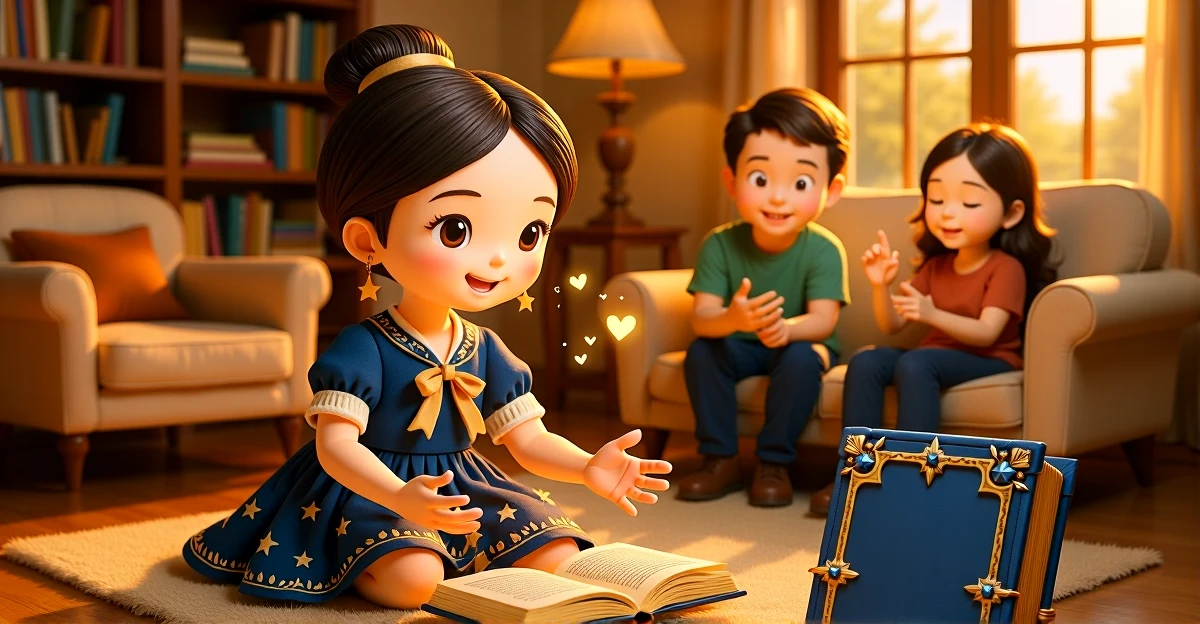
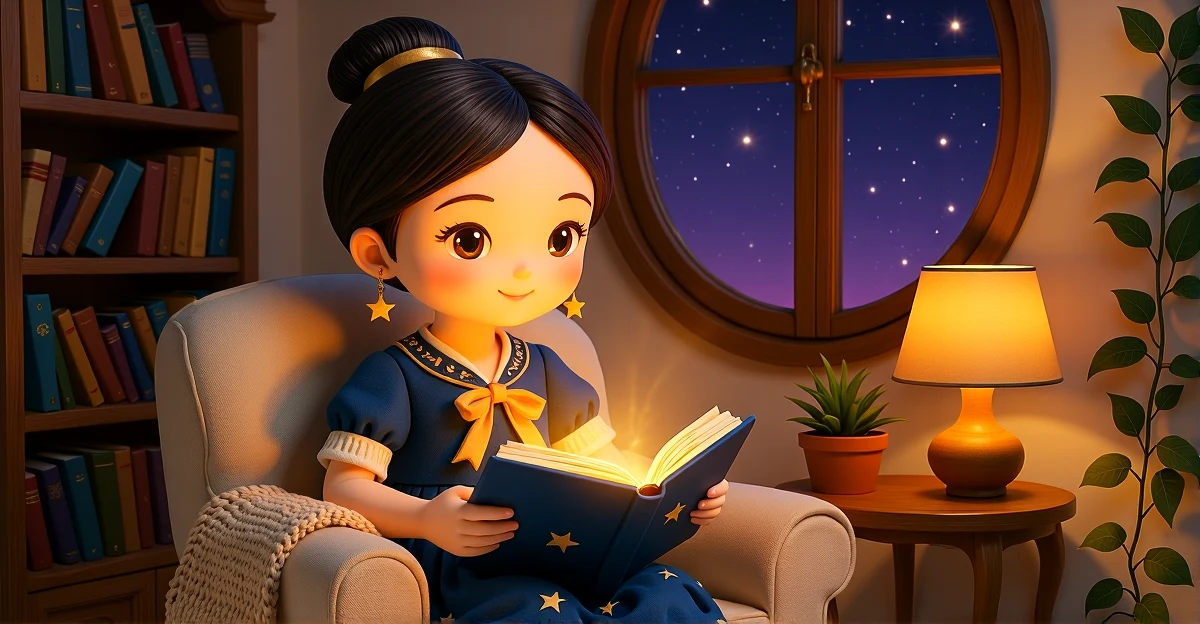
In this guide, we'll explore the science behind emotional regulation, discover why this age is so perfect for learning these skills, and share gentle, evidence-based strategies you can use starting today. The Magic Book and I are here to walk this journey with you.
Why Ages 5-6 Are the Golden Window for Emotional Learning
Here's something that fills my heart with hope. Research demonstrates that ages five to six represent a critical window for developing advanced emotional regulation skills that form the foundation for lifelong emotional health and academic success. This isn't just theory. This is backed by peer-reviewed studies from leading institutions dedicated to children's mental health.
Studies show that while most children develop foundational self-regulation abilities by kindergarten age, approximately thirty-five percent experience delays in this crucial developmental area. But here's the truly wonderful news. Every single study confirms the same truth. These skills can be taught. They can be strengthened. And you, wonderful parent, are the perfect person to guide your child on this journey.
The Child Mind Institute emphasizes that self-regulation is a teachable skill through coaching and breaking challenging tasks into manageable steps. Think about that for a moment. When your five or six year old feels overwhelmed by anger or frustration or disappointment, they're not failing. They're learning. And you can help them break down those enormous feelings into smaller, more manageable pieces.
Emotional competence and self-regulation are foundational for learning, behavior, and health outcomes.
— International Journal of Child Care and Education Policy
Children who develop strong emotion regulation skills by this age form more positive relationships with their teachers, perform better academically, and show greater resilience when facing challenges. This isn't about creating perfect children who never feel big emotions. It's about giving them tools to navigate those emotions with grace and confidence.
Understanding Feelings as Information, Not Commands
This is one of the most powerful shifts we can help our children make. Feelings are information, not commands. Let me explain what this means.
When your child feels angry because their friend took their toy, that anger is giving them information. It's saying, I wanted that toy, and I feel disappointed. But the anger isn't commanding them to hit or yell. They can choose how to respond. This is the heart of emotional regulation.
In The Book of Inara, we have a story called The Books That Feel What You Feel that teaches this concept so beautifully. Leo visits a magical study where books glow different colors based on emotions. When Leo feels jealous of his friend's invention, the wise books help him understand something profound. Jealousy is just helpful information, not a command to follow.
This story shows children exactly what emotional regulation looks like. Leo feels the jealousy. He doesn't push it away or pretend it's not there. But he also doesn't let it control his choices. He learns that he can feel jealous AND choose kindness. He can acknowledge the feeling AND make a decision that aligns with his values.
After you read this story with your child, you can use it as a touchstone. When big feelings arise, you can ask, What is this feeling trying to tell you? Just like the books that glow with emotions, what information is your feeling giving you? And then, What choice do you want to make?
Four Evidence-Based Strategies for Teaching Emotional Mastery
So what does this look like in real life? How do we actually teach emotional mastery to a kindergartener? Let me share some beautiful, evidence-based approaches that the Magic Book and I have seen work wonders.
1. Name Emotions with Specificity
Instead of just sad or mad, help your child discover the rich vocabulary of feelings. Disappointed. Frustrated. Worried. Excited. Proud. Overwhelmed. When children can name what they're feeling, they gain power over it. The emotion becomes something they can observe and work with, rather than something that controls them.
Try this. When you notice your child experiencing a big emotion, get down to their level and say, I notice you're feeling something big right now. Can we name it together? Is it frustration? Disappointment? Something else? This simple practice builds emotional awareness, which is the foundation of regulation.
2. Teach Calming Strategies That Work with Their Developing Brain
Deep breathing, counting to ten, taking a break in a cozy corner, squeezing a soft toy, drawing their feelings. These aren't just distractions. They're tools that help the nervous system settle, allowing the thinking brain to come back online.
Research shows that mindfulness-based approaches are particularly effective for young children. This doesn't mean sitting in lotus position for twenty minutes. It means simple practices like noticing five things you can see, four things you can hear, three things you can touch. It means pausing to take three deep breaths together. It means creating little moments of presence throughout the day.
3. Model Emotional Regulation Yourself
Children learn more from what we do than what we say. When we name our own feelings, when we take deep breaths when we're frustrated, when we apologize when we make mistakes, we're showing them that emotional mastery is a lifelong practice, and it's okay to be learning.
Try saying things like, I'm feeling frustrated right now because the dinner burned. I'm going to take three deep breaths to help myself calm down. Then I'll figure out what to do next. This narration of your own emotional regulation process is incredibly powerful teaching.
4. Respond with Patience and Structured Support
Here's something that might surprise you. Research shows that children whose parents respond with patience and structured support during emotional moments show remarkable growth in their ability to manage big feelings. You don't have to be perfect. You don't have to have all the answers. You just have to be present, patient, and willing to guide them through the storm.
When your child is in the middle of big emotions, your calm presence is the most powerful tool you have. Stay close. Validate their feelings. Help them name what they're experiencing. And when they're ready, guide them toward a calming strategy or a problem-solving conversation.
The Journey Takes Time and That's Beautiful
The Magic Book reminds us that this journey takes time. Your five or six year old is not going to master their emotions overnight. There will be meltdowns. There will be moments when the feelings feel too big. And that's not failure. That's learning.
Every single time you help your child navigate a big emotion, you're strengthening those neural pathways. You're building their capacity for self-regulation. Research published in the National Institutes of Health database found that as early as kindergarten, teachers form more positive relationships with children who demonstrate emotion regulation, showing the immediate real-world impact of these skills.
The scientific consensus is clear. Children ages five to six are at the perfect developmental stage to learn advanced emotional regulation, and with consistent, loving support from parents, they can achieve remarkable mastery over their inner emotional world, setting the stage for confident, resilient growth.
Stories That Can Help
In The Book of Inara, we have beautiful stories that bring these concepts to life for your child:
The Books That Feel What You Feel
Perfect for: Ages 4-6
What makes it special: This story directly teaches emotional regulation by showing Leo learning that feelings are information, not commands. The magical books that glow with emotions help children understand that all feelings are valid, and we can choose how to respond to them.
Key lesson: When Leo feels jealous but learns from the wise books that jealousy is just helpful information, not a command to follow, children see a concrete example of emotional regulation in action. They learn that they can feel jealous AND choose kindness, feel frustrated AND make good choices.
After reading together: Ask your child, What is this feeling trying to tell you? What choice do you want to make? This simple framework becomes a powerful tool for emotional mastery.
You're Doing Beautifully
I want you to know something. The fact that you're here, reading this, learning about emotional regulation, tells me everything I need to know about you. You care deeply about your child's emotional well-being. You're willing to learn and grow alongside them. And that, my wonderful friend, is exactly what your child needs.
Your child's big emotions are not a problem to fix. They're a sign of a healthy, developing human being who feels deeply and loves fiercely. Your job isn't to eliminate those emotions. It's to help your child understand them, name them, and choose how to respond to them with wisdom and kindness.
The journey to emotional mastery is one of the most beautiful gifts you can give your child. And you don't have to walk it alone. The Magic Book and I are here with stories that teach these skills through enchantment and wonder. The research is here, showing you evidence-based strategies that work. And most importantly, you have everything you need within you already. Your love, your patience, your commitment to your child's growth.
With love and starlight, Inara
Related Articles
- When Screen Time Ends in Meltdowns: Understanding Your Child's Brain and What Actually Helps (Ages 5-6)
- When Your Child Feels Invisible: Understanding Social Isolation and the Gentle Path to Friendship
- Your Child's Journey to Emotional Awareness: Ages 6-7 Guide
- Teaching Financial Wisdom to Your 5-6 Year Old: A Gentle Guide to Money and Economics
- Supporting Your Child's Social Awareness Development: A Gentle Guide
Show transcript
Hello, my wonderful friend! It's me, Inara, and I am SO happy you're here today. You know, the Magic Book and I have been noticing something truly beautiful happening in homes with five and six year olds. Parents are reaching out, asking how to help their children achieve mastery over their emotions and find inner peace. And I want you to know something right from the start. If this is you, if you're wondering how to support your kindergartener through their big feelings, you are asking exactly the right question at exactly the right time.
Let me tell you why this matters so much. Your child, right now, at this very age, is in one of the most IMPORTANT windows for emotional development. Their brain is like a garden in full bloom, ready to learn skills that will serve them for their entire life. And here's the truly wonderful news. Emotional regulation, that ability to understand and manage big feelings, isn't something children are just born with or without. It's a skill. A beautiful, teachable skill that grows stronger with practice and loving guidance.
The research on this is absolutely fascinating. Studies show that while most children develop foundational self-regulation abilities by kindergarten age, about thirty-five percent experience delays in this crucial area. But here's what fills my heart with hope. Every single study confirms the same truth. These skills can be taught. They can be strengthened. And you, wonderful parent, are the perfect person to guide your child on this journey.
Let me share what the experts are discovering. The Child Mind Institute, an organization dedicated to children's mental health, emphasizes that self-regulation is a teachable skill through coaching and breaking challenging tasks into manageable steps. Think about that for a moment. When your five or six year old feels overwhelmed by anger or frustration or disappointment, they're not failing. They're learning. And you can help them break down those enormous feelings into smaller, more manageable pieces.
Research published in peer-reviewed journals confirms that emotional competence and self-regulation are foundational for learning, behavior, and health outcomes. Children who develop strong emotion regulation skills by this age form more positive relationships with their teachers, perform better academically, and show greater resilience when facing challenges. This isn't about creating perfect children who never feel big emotions. It's about giving them tools to navigate those emotions with grace and confidence.
So what does this look like in real life? How do we actually teach emotional mastery to a kindergartener? Let me share some beautiful, evidence-based approaches that the Magic Book and I have seen work wonders.
First, we help children understand that feelings are information, not commands. This is such a powerful shift. When your child feels angry because their friend took their toy, that anger is giving them information. It's saying, I wanted that toy, and I feel disappointed. But the anger isn't commanding them to hit or yell. They can choose how to respond. This is the heart of emotional regulation.
Second, we practice naming emotions with specificity. Instead of just sad or mad, we help children discover the rich vocabulary of feelings. Disappointed. Frustrated. Worried. Excited. Proud. Overwhelmed. When children can name what they're feeling, they gain power over it. The emotion becomes something they can observe and work with, rather than something that controls them.
Third, we teach calming strategies that work with their developing brain. Deep breathing, counting to ten, taking a break in a cozy corner, squeezing a soft toy, drawing their feelings. These aren't just distractions. They're tools that help the nervous system settle, allowing the thinking brain to come back online.
And fourth, we model emotional regulation ourselves. Children learn more from what we do than what we say. When we name our own feelings, when we take deep breaths when we're frustrated, when we apologize when we make mistakes, we're showing them that emotional mastery is a lifelong practice, and it's okay to be learning.
Now, I want to tell you about a story from the Magic Book that teaches these concepts so beautifully. It's called The Books That Feel What You Feel, and it follows a child named Leo who visits a magical study where books glow different colors based on emotions. When Leo feels jealous of his friend's invention, the wise books help him understand something profound. Jealousy is just helpful information, not a command to follow.
This story shows children exactly what emotional regulation looks like. Leo feels the jealousy. He doesn't push it away or pretend it's not there. But he also doesn't let it control his choices. He learns that he can feel jealous AND choose kindness. He can acknowledge the feeling AND make a decision that aligns with his values. This is emotional mastery in action.
After you read this story with your child, you can use it as a touchstone. When big feelings arise, you can ask, What is this feeling trying to tell you? Just like the books that glow with emotions, what information is your feeling giving you? And then, What choice do you want to make? This simple framework, feelings as information plus conscious choice, is the foundation of emotional regulation.
The Magic Book also reminds us that this journey takes time. Your five or six year old is not going to master their emotions overnight. There will be meltdowns. There will be moments when the feelings feel too big. And that's not failure. That's learning. Every single time you help your child navigate a big emotion, you're strengthening those neural pathways. You're building their capacity for self-regulation.
Research shows that mindfulness-based approaches are particularly effective for young children. This doesn't mean sitting in lotus position for twenty minutes. It means simple practices like noticing five things you can see, four things you can hear, three things you can touch. It means pausing to take three deep breaths together. It means creating little moments of presence throughout the day.
And here's something that might surprise you. The research also shows that children whose parents respond with patience and structured support during emotional moments show remarkable growth in their ability to manage big feelings. You don't have to be perfect. You don't have to have all the answers. You just have to be present, patient, and willing to guide them through the storm.
I want you to know something else. The fact that you're here, watching this, learning about emotional regulation, tells me everything I need to know about you. You care deeply about your child's emotional well-being. You're willing to learn and grow alongside them. And that, my wonderful friend, is exactly what your child needs.
As we close our time together today, I want to leave you with this truth. Your child's big emotions are not a problem to fix. They're a sign of a healthy, developing human being who feels deeply and loves fiercely. Your job isn't to eliminate those emotions. It's to help your child understand them, name them, and choose how to respond to them with wisdom and kindness.
The journey to emotional mastery is one of the most beautiful gifts you can give your child. And you don't have to walk it alone. The Magic Book and I are here with stories that teach these skills through enchantment and wonder. The research is here, showing you evidence-based strategies that work. And most importantly, you have everything you need within you already. Your love, your patience, your commitment to your child's growth.
Find The Books That Feel What You Feel in The Book of Inara. Read it together. Talk about feelings as information. Practice choosing responses instead of reacting. And watch as your child blossoms into someone who can navigate their inner world with confidence and grace.
Thank you for being here today, my wonderful friend. Thank you for caring so deeply about your child's emotional journey. The Magic Book and I are always here for you, with stories and wisdom and endless support. Until our next adventure together, with love and starlight, Inara.