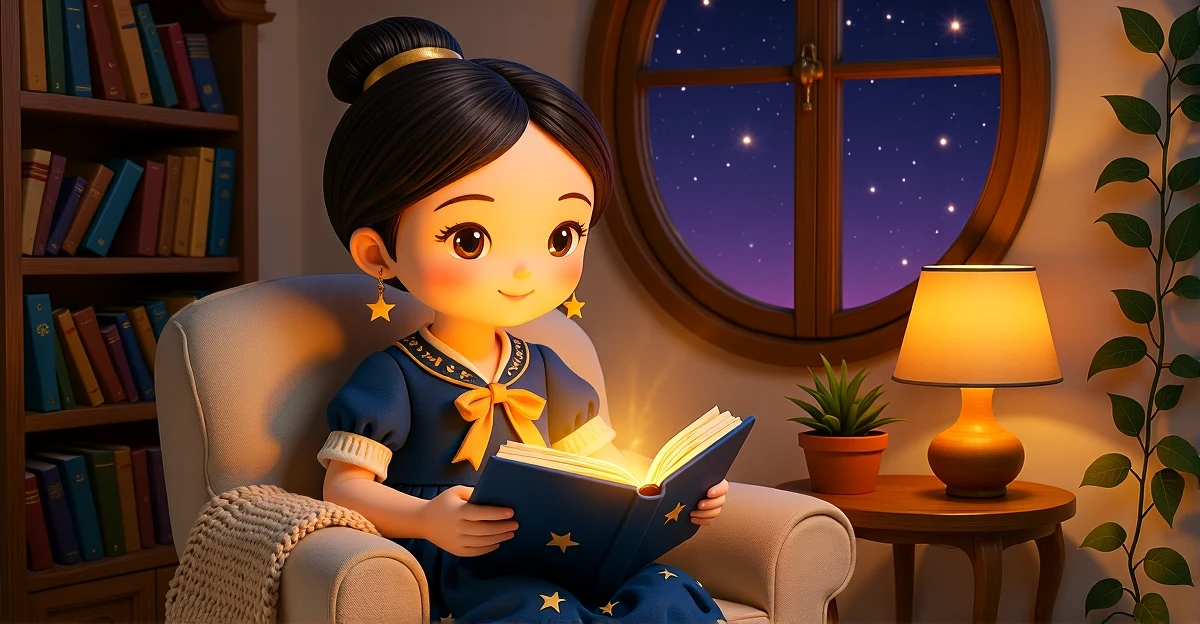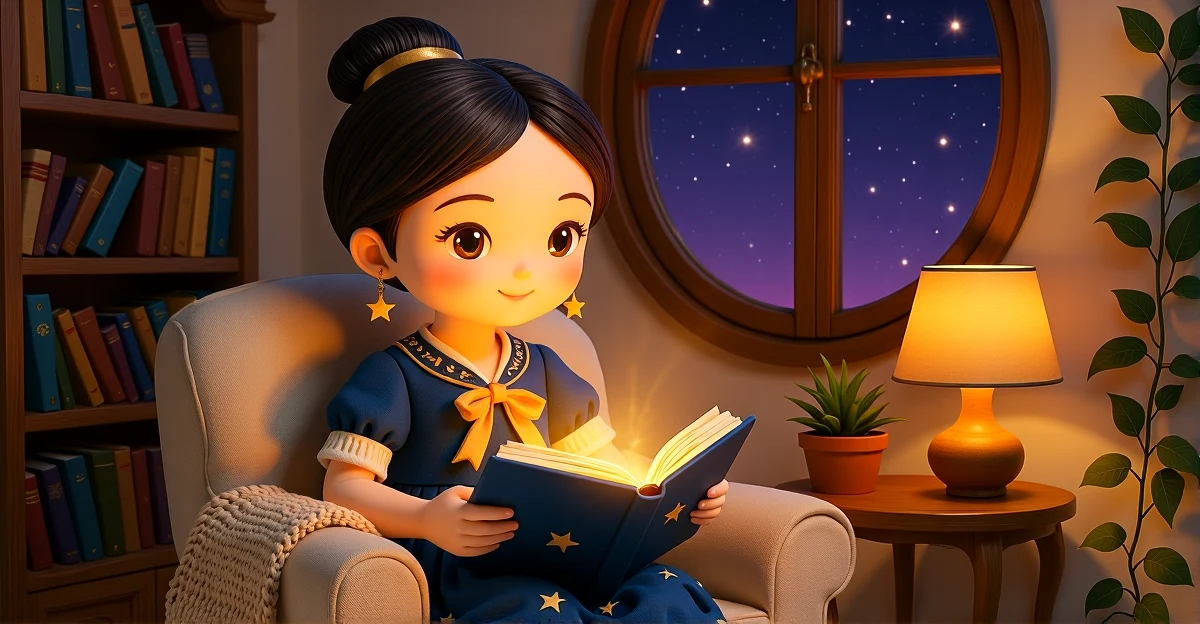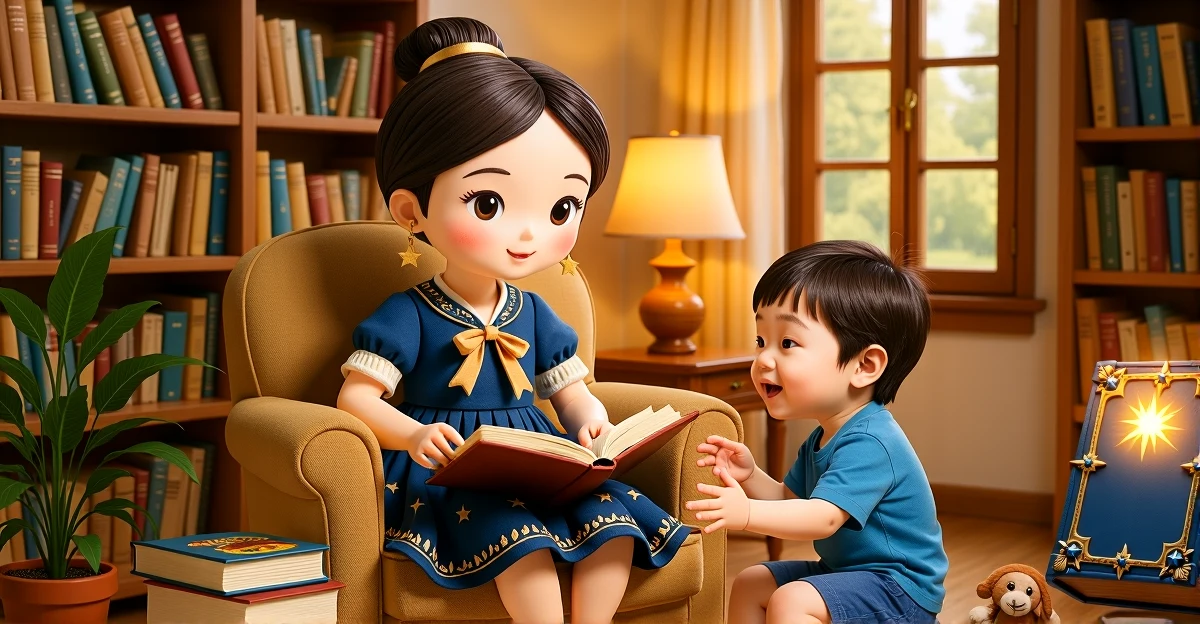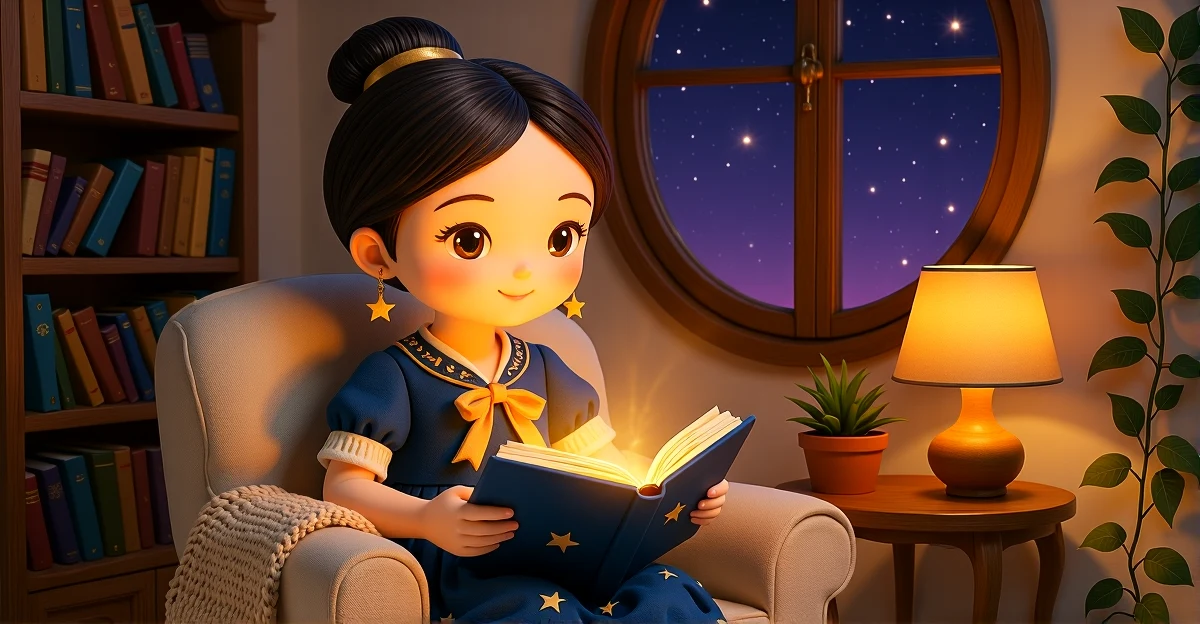

Hello, wonderful parent! It's me, Inara, and I want to talk with you about something truly beautiful that might be happening in your home right now. Your six or seven year old is asking questions. Deep questions. Questions like, "Why do I feel happy and sad at the same time?" or "What does it mean to feel proud?" or "Why does my tummy hurt when I feel nervous?"
And you might be wondering if this is normal. You might be thinking, shouldn't they understand emotions better by now? Shouldn't this be easier for them? Let me tell you something WONDERFUL. You're not alone in these questions, and what you're witnessing is not confusion or delay. It's one of the most beautiful phases of brain development.
In this article, we're going to explore why ages six and seven are SO critical for emotional intelligence development, what the research tells us about how children learn to understand complex emotions, and gentle strategies you can use to support your child's growing emotional world. Plus, I'll share a story from The Book of Inara that can help your child understand these big feelings in a magical way.
Why This Age is Critical for Emotional Intelligence
First, let me share what the Magic Book and the research both tell us. Children between six and seven years old are in a critical developmental phase for understanding and expressing complex emotions. Their brains are actively building the neural pathways needed to process and communicate about emotional experiences. This is normal, expected, and absolutely beautiful.
At this age, children are transitioning from basic emotion recognition - like happy, sad, or angry - to more sophisticated emotional intelligence. They're starting to identify and articulate nuanced feelings like pride, guilt, shame, and something really fascinating called ambivalence.
Ambivalence means understanding that you can feel two different emotions about the same thing at the same time. Like feeling excited AND nervous about the first day of school. Or feeling happy to see grandma but sad that mom is leaving. This is a sophisticated concept, and your child's brain is learning to hold both feelings at once.
Here's what's SO important to understand. When your child asks you about these complex emotions, when they struggle to name what they're feeling, when they seem confused about why they feel a certain way - this is their emotional intelligence blooming. This is their brain doing exactly what it's supposed to do at this age.
What Research Says About Emotion Vocabulary Development
Research published in a wonderful study about children's emotion vocabulary shows that this development is gradual and continues well into late childhood. Children ages four through eleven show steady growth in their emotion vocabulary, with older children using more emotion words and their patterns gradually matching how adults talk about feelings.
Learning to use language in an adult-like way is a long-lasting process. This may particularly apply to complex conceptual domains such as emotions.
— Grosse et al., Affective Science
The primary way children at this age understand emotions is by differentiating positive versus negative feelings, and then slowly, beautifully, they add more nuance over time. This isn't something that happens overnight. It's a journey that unfolds across years of development.
According to expert guidance from child development specialists at Naître et grandir, children at ages six and seven can use words to express dissatisfaction, anger, or sadness, and they can describe the situations that affect their emotions. They understand and find it easier to express complex emotions like pride, guilt, and shame. And they're learning that we can feel a range of emotions about a single situation.
The Collaborative for Academic, Social, and Emotional Learning (CASEL), which is a leading organization in this field, emphasizes that self-awareness abilities include integrating personal and social identities, identifying emotions, and developing interests and a sense of purpose. These are teachable skills that develop across childhood when supported with appropriate learning opportunities.
And you, wonderful parent, you are providing those opportunities every time you listen to your child's questions, every time you validate their feelings, every time you help them find words for what's happening in their heart.
Understanding Complex Emotions: Pride, Guilt, Shame, and Ambivalence
Let's talk about these complex emotions your child is learning to understand. Each one represents a significant leap in emotional and social development.
Pride
Pride is the warm feeling of accomplishment and self-worth. When your child finishes a challenging puzzle or learns to tie their shoes, that glow they feel inside - that's pride. It's connected to their developing sense of self and their understanding that their actions have value.
Guilt
Guilt is the uncomfortable feeling that comes when we've done something that doesn't align with our values or when we've hurt someone. When your child accidentally breaks a friend's toy and feels bad about it, they're experiencing guilt. This emotion is actually a sign of developing empathy and moral reasoning.
Shame
Shame is different from guilt - it's a feeling about the self rather than about an action. While guilt says "I did something bad," shame says "I am bad." It's important to help children understand this difference and to validate their feelings while reinforcing that making mistakes doesn't make them a bad person.
Ambivalence
Ambivalence is the ability to hold two seemingly contradictory emotions at once. This is a really sophisticated concept! When your child says they're excited about their birthday party but also nervous, they're demonstrating ambivalence. This shows that their emotional understanding is becoming more nuanced and complex.
Research shows that a differentiated emotion vocabulary positively correlates with emotion regulation strategies, empathy development, and healthy relationship formation. When children can name what they're feeling, they gain tools to manage those emotions effectively.
Gentle Strategies to Support Your Child's Emotional Development
So what can you do to support this beautiful development? Let me share some gentle, research-backed approaches that honor your child's growing emotional world.
Talk About Feelings Regularly
When you discuss happy events or hard things that happened during the day, your child learns to express their feelings more accurately. You might say, "I noticed you seemed frustrated when your tower fell down. Can you tell me about that?" Or, "You looked so proud when you finished that puzzle. What did that feel like inside?"
These conversations don't have to be formal or scheduled. They can happen naturally during car rides, at bedtime, or while making dinner together. The key is creating space for emotional expression in everyday moments.
Help Build Emotion Vocabulary
When your child says they feel "bad," you can gently offer more specific words. "Do you mean sad, disappointed, or maybe frustrated? Let's figure it out together." This isn't correcting them - it's expanding their emotional language, giving them more tools to understand themselves.
You can also introduce new emotion words through stories, conversations, and your own emotional sharing. The more words they have for feelings, the better they can understand and communicate their inner experiences.
Validate That Complex Emotions Are Normal
When your child says they feel happy and sad at the same time, you can say, "Yes, that makes so much sense. We can feel two things at once. That's called ambivalence, and it's a sign that you're growing up and understanding feelings in a deeper way."
This validation is SO powerful. It tells your child that their emotional experience is real, normal, and worthy of attention. It builds their confidence in their own feelings and their ability to understand themselves.
Model Emotional Awareness Yourself
Share your own feelings in age-appropriate ways. "I felt nervous about my presentation today, but also excited to share my ideas." Or, "I felt disappointed that we couldn't go to the park because of the rain, but grateful that we got to have cozy time at home instead."
When children hear adults naming complex emotions, they learn that it's normal and healthy to have these feelings. You become a living example of emotional intelligence in action.
Use Stories as Emotional Learning Tools
Stories are one of the most powerful tools for helping children understand emotions. When children see characters experiencing feelings, naming them, and working through them, it creates a safe space to explore emotional concepts without the intensity of their own experiences.
This is where the Magic Book comes in, and I have something special to share with you.
Stories That Can Help
In The Book of Inara, we have beautiful stories that bring these concepts to life for your child. Let me tell you about one that's perfect for this stage of emotional development:
The Room Where Hearts Speak Softly
Perfect for: Ages 6-7
What makes it special: This story is about Theo and Miles, who discover that their parents' bedroom holds gentle echoes of caring conversations. Through this magical discovery, children learn that adults have invisible worries too, and that understanding others' hidden feelings is a key part of emotional maturity.
Key lesson: The story beautifully shows that emotional understanding means recognizing feelings that aren't always shown on the outside. It teaches children that everyone has an inner emotional world, and that asking caring questions and listening helps us understand each other better. This is such a sophisticated concept, perfect for developing emotional intelligence and empathy.
How to use it: After reading this story with your child, you can talk about how everyone has feelings inside that others can't always see. You can discuss how asking caring questions like "How are you feeling?" or "What's on your mind?" helps us connect with the people we love. This builds the foundation for emotional intelligence and empathy that will serve your child throughout their life.
You're Doing Beautifully
Let me say this clearly, wonderful parent. Your child is not behind. They're not confused. They're not struggling in a way that should worry you. They are right on track, developing emotional intelligence in the beautiful, gradual way that human brains are designed to do.
Every question they ask is a sign of curiosity and growth. Every time they try to name a feeling, even if they don't quite have the right word yet, they're building neural pathways. Every conversation you have about emotions is strengthening their self-awareness and their ability to connect with others.
The fact that you're here, reading this, learning about your child's emotional development - that shows how much you care. And that care, that attention, that willingness to understand - that's exactly what your child needs.
Keep talking with your child about feelings. Keep validating their emotions. Keep reading stories together that explore the rich landscape of human experience. And keep trusting that your child is exactly where they need to be.
The Magic Book and I are always here to support you on this journey. Whether it's through stories that help children understand their feelings, or through these conversations where we explore what's happening in your child's beautiful, growing brain, we're here for you.
With love and starlight, I'm Inara, and I believe in you and your wonderful child.
Related Articles
- Understanding Your 5-6 Year Old's Complex Emotions: A Parent's Guide to Emotional Intelligence
- Emotional Intelligence in 6-7 Year Olds: The Beautiful Milestone
- Nurturing Purpose and Meaning in Young Children: A Gentle Guide for Parents
- Teaching Children Empathy: How to Help Kids Recognize When Others Need Support
- Teaching Your Child About Personal Boundaries: A Gentle Guide for Ages 6-7
Show transcript
Hello, wonderful parent! It's me, Inara, and I am so happy you're here today. You know, the Magic Book and I have been noticing something truly beautiful happening in homes all around the world. Parents like you are asking such thoughtful questions about their children's emotional development, and today I want to talk about something that might be on your mind. Your six or seven year old is asking deep questions about feelings, trying to understand complex emotions, and you might be wondering if this is normal, or if they should already understand these things better.
Let me tell you something WONDERFUL. What you're witnessing is not confusion. It's not a delay. It's actually one of the most beautiful phases of brain development, and I want to help you understand just how amazing this time really is.
First, let me say this. If your child is asking questions like, why do I feel happy and sad at the same time, or what does it mean to feel proud, or why does my tummy hurt when I feel nervous, you are doing something incredibly right. Your child feels safe enough with you to explore these big, complex ideas. That safety? That's the foundation of emotional intelligence.
Now, let me share what the Magic Book and the research both tell us about this age. Children between six and seven years old are in a critical developmental phase for understanding and expressing complex emotions. Their brains are actively building the neural pathways needed to process and communicate about emotional experiences. This is normal, expected, and absolutely beautiful.
At this age, children are transitioning from basic emotion recognition, like happy, sad, or angry, to more sophisticated emotional intelligence. They're starting to identify and articulate nuanced feelings like pride, guilt, shame, and something really fascinating called ambivalence. Ambivalence means understanding that you can feel two different emotions about the same thing at the same time. Like feeling excited AND nervous about the first day of school. Or feeling happy to see grandma but sad that mom is leaving. This is a sophisticated concept, and your child's brain is learning to hold both feelings at once.
Research published in a wonderful study about children's emotion vocabulary shows that this development is gradual and continues well into late childhood. Children ages four through eleven show steady growth in their emotion vocabulary, with older children using more emotion words and their patterns gradually matching how adults talk about feelings. The primary way children at this age understand emotions is by differentiating positive versus negative feelings, and then slowly, beautifully, they add more nuance over time.
Here's something else that's IMPORTANT. According to expert guidance from child development specialists, children at ages six and seven can use words to express dissatisfaction, anger, or sadness, and they can describe the situations that affect their emotions. They understand and find it easier to express complex emotions like pride, guilt, and shame. And they're learning that we can feel a range of emotions about a single situation.
The Collaborative for Academic, Social, and Emotional Learning, which is a leading organization in this field, emphasizes that self-awareness abilities include integrating personal and social identities, identifying emotions, and developing interests and a sense of purpose. These are teachable skills that develop across childhood when supported with appropriate learning opportunities. And you, wonderful parent, you are providing those opportunities every time you listen to your child's questions, every time you validate their feelings, every time you help them find words for what's happening in their heart.
Now, here's what this means for you. When your child asks you about complex emotions, when they struggle to name what they're feeling, when they seem confused about why they feel a certain way, this is their emotional intelligence blooming. This is their brain doing exactly what it's supposed to do at this age.
So what can you do to support this beautiful development? Let me share some gentle, research-backed approaches.
First, talk with your child about feelings regularly. When you discuss happy events or hard things that happened during the day, your child learns to express their feelings more accurately. You might say, I noticed you seemed frustrated when your tower fell down. Can you tell me about that? Or, you looked so proud when you finished that puzzle. What did that feel like inside?
Second, help your child build their emotion vocabulary. When they say they feel bad, you can gently offer more specific words. Do you mean sad, disappointed, or maybe frustrated? Let's figure it out together. This isn't correcting them, it's expanding their emotional language, giving them more tools to understand themselves.
Third, validate that complex emotions are normal. When your child says they feel happy and sad at the same time, you can say, yes, that makes so much sense. We can feel two things at once. That's called ambivalence, and it's a sign that you're growing up and understanding feelings in a deeper way.
Fourth, model emotional awareness yourself. Share your own feelings in age-appropriate ways. I felt nervous about my presentation today, but also excited to share my ideas. Or, I felt disappointed that we couldn't go to the park because of the rain, but grateful that we got to have cozy time at home instead. When children hear adults naming complex emotions, they learn that it's normal and healthy to have these feelings.
And here's something the Magic Book taught me that I think you'll love. Stories are one of the most powerful tools for helping children understand emotions. When children see characters experiencing feelings, naming them, and working through them, it creates a safe space to explore emotional concepts without the intensity of their own experiences.
We have a story in The Book of Inara called The Room Where Hearts Speak Softly. It's about Theo and Miles, who discover that their parents' bedroom holds gentle echoes of caring conversations. Through this story, children learn that adults have invisible worries too, and that understanding others' hidden feelings is a key part of emotional maturity. The story beautifully shows that emotional understanding means recognizing feelings that aren't always shown on the outside, which is such a sophisticated concept, perfect for developing emotional intelligence.
After reading this story with your child, you can talk about how everyone has feelings inside that others can't always see, and how asking caring questions and listening helps us understand each other better. This builds the foundation for emotional intelligence and empathy.
Research shows that a differentiated emotion vocabulary positively correlates with emotion regulation strategies, empathy development, and healthy relationship formation. When children can name what they're feeling, they gain tools to manage those emotions effectively. And when parents support their child's emotional vocabulary development through conversation, validation, and modeling, they create the foundation for lifelong emotional health and resilience.
So let me say this clearly. Your child is not behind. They're not confused. They're not struggling in a way that should worry you. They are right on track, developing emotional intelligence in the beautiful, gradual way that human brains are designed to do.
Every question they ask is a sign of curiosity and growth. Every time they try to name a feeling, even if they don't quite have the right word yet, they're building neural pathways. Every conversation you have about emotions is strengthening their self-awareness and their ability to connect with others.
You are doing beautifully, wonderful parent. The fact that you're here, learning about this, asking these questions, shows how much you care about your child's emotional development. And that care, that attention, that willingness to understand, that's exactly what your child needs.
The Magic Book and I are always here to support you on this journey. Whether it's through stories that help children understand their feelings, or through these conversations where we explore what's happening in your child's beautiful, growing brain, we're here for you.
Keep talking with your child about feelings. Keep validating their emotions. Keep reading stories together that explore the rich landscape of human experience. And keep trusting that your child is exactly where they need to be.
With love and starlight, I'm Inara, and I believe in you and your wonderful child. Until our next adventure together!