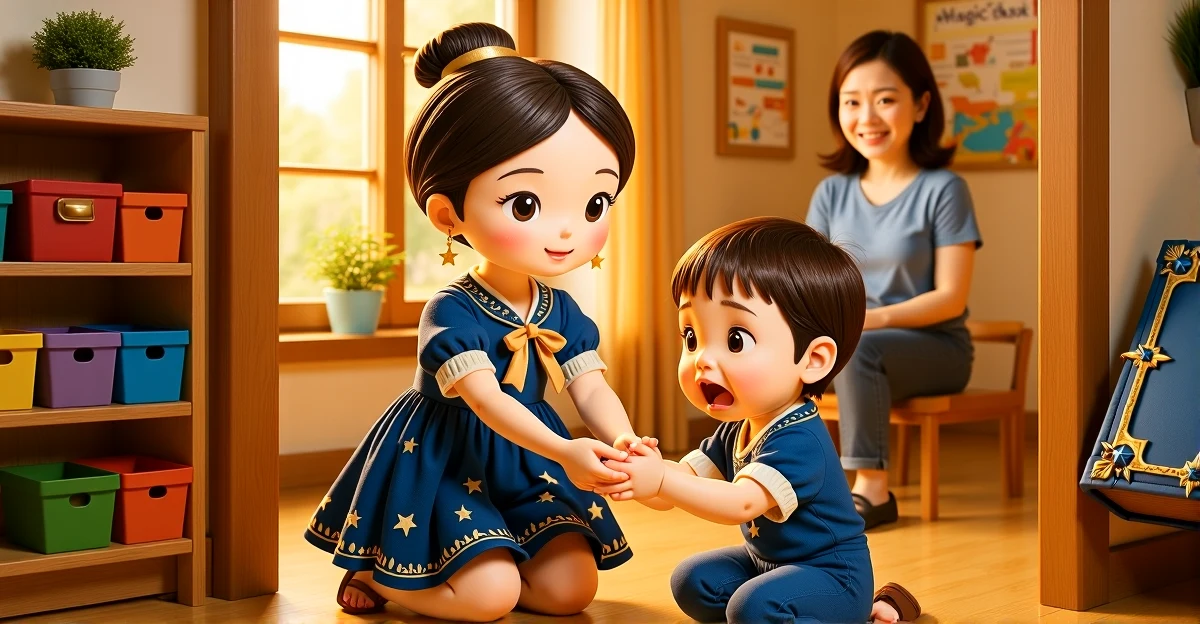
It is morning, and you are trying to leave for work. You have got your keys, your bag, everything ready to go. But the moment you reach for the door, your sweet toddler wraps their arms around your legs, tears streaming down their face, screaming as if their whole world is ending. Your heart breaks. You feel guilty, frustrated, worried, maybe all of those things at once. And you wonder: am I doing something wrong? Is my child okay? Will this ever get better?
If this sounds familiar, I want you to know something really important. You are not alone in this. And what you are experiencing is not a problem that needs fixing. It is actually a beautiful sign of healthy development.
In this post, we are going to explore what is really happening when your toddler screams and clings during goodbyes, what the research tells us about separation anxiety, and gentle strategies that build security and trust. Plus, I will share a story from The Book of Inara that can help your little one understand that connection creates safety, even when you are apart.
What Separation Anxiety Really Means
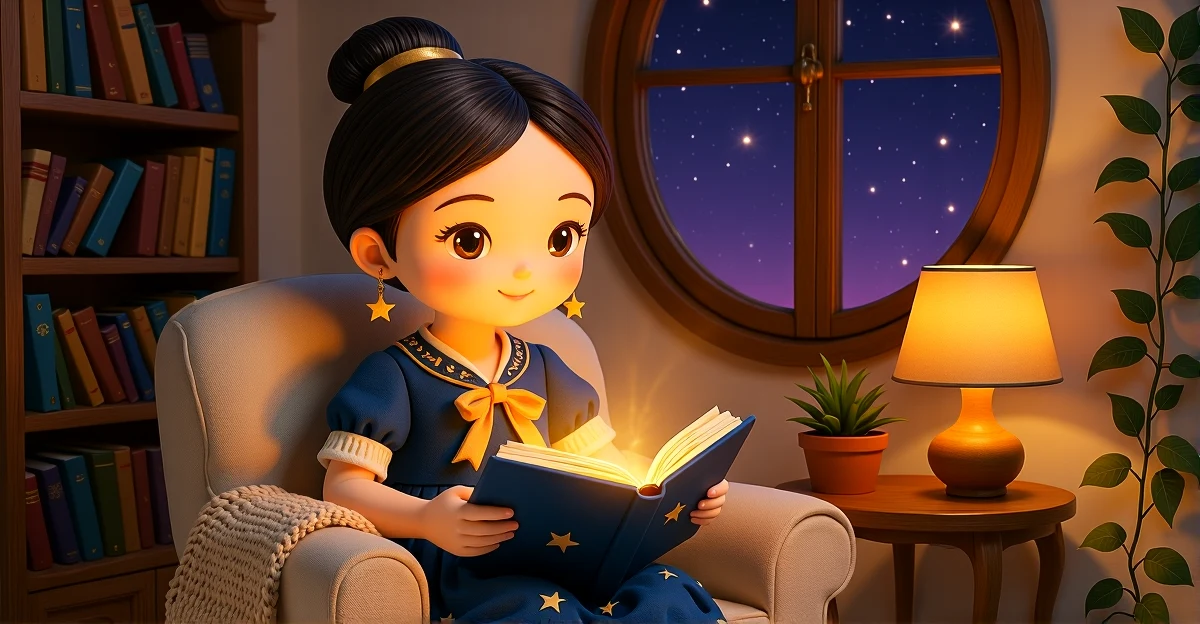
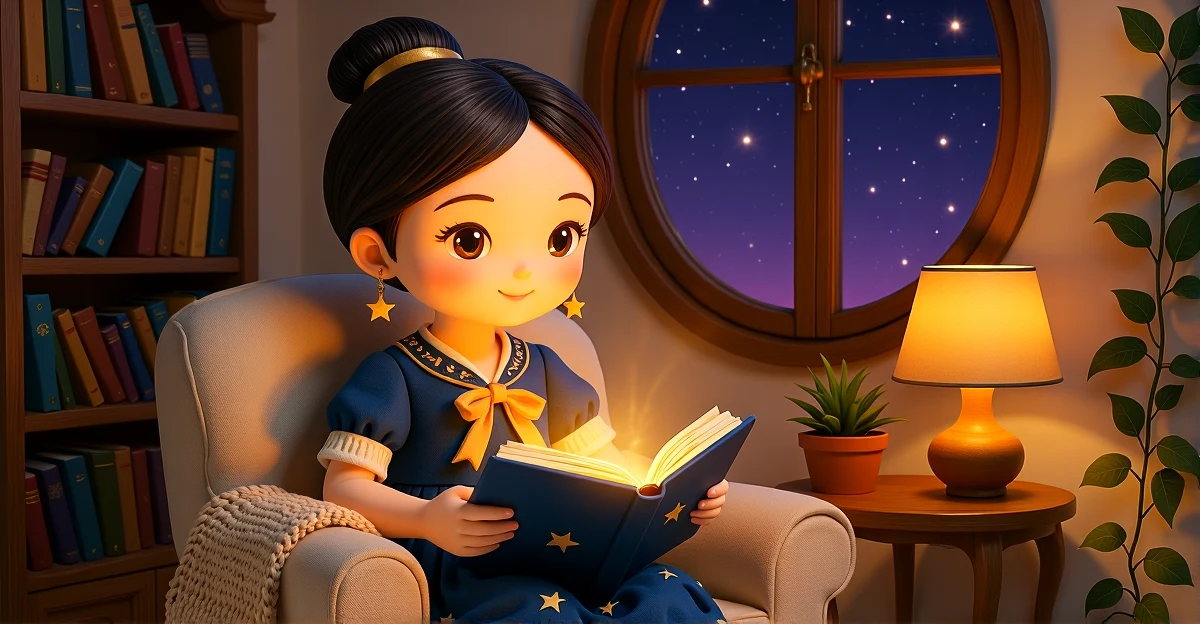
Here is what the Magic Book wants you to know. When your toddler screams and clings when you try to leave, they are showing you something absolutely WONDERFUL. They are showing you that they have formed a secure, loving attachment to you. They are showing you that you are their safe place, their home base, their whole universe.
Yes, that can make separations feel impossibly hard. But it is actually a sign that you are doing something beautifully right.
Separation anxiety is a completely normal developmental phase that typically peaks around eighteen months and begins to settle by age two, though some children continue to experience it into their third year. This is not a behavior problem. It is not manipulation. It is your child's brain developing exactly as it should.
The Developmental Truth Behind the Tears
Here is what is happening inside your toddler's amazing little brain. At this age, they are becoming more aware of their independence, more aware that they are a separate person from you. But here is the thing: their brain has not quite caught up with this awareness yet.
They do not fully understand that when you leave, you will come back. They do not have the concept of time the way we do. When you walk out that door, in their mind, you might be gone forever. Can you imagine how scary that must feel?
And here is something else that is SO important to understand. Toddlers at this age are learning to manage big, complex emotions like frustration, anxiety, and excitement. But they lack the neurological development to control their emotional impulses. When they feel that wave of panic as you are leaving, they cannot talk themselves through it. They cannot reason with themselves. All they can do is express it with their whole body, with tears and screams and clinging.
They are not trying to manipulate you. They are not being difficult. They are communicating the only way they know how: I need you. I am scared. Please do not go.
What Research Says About Separation Anxiety
Let me share what the research tells us, because understanding the science behind separation anxiety can change everything about how we respond to it.
Separation anxiety is a normal part of development that peaks around 18 months and typically settles by age 2. The best response to separation anxiety is to reassure your child that you will return and to praise them for being patient while you were gone, rather than scolding or punishing protest behaviors.
— American Academy of Pediatrics
The American Academy of Pediatrics explains that toddlers at this age are testing limits and learning to manage big emotions, but they lack the neurological development to control emotional impulses effectively. This means that when your child melts down during goodbyes, it is not a choice they are making. It is their developing brain doing exactly what it is supposed to do.
Research from the National Center for Biotechnology Information shows us something beautiful. When parents respond to separation distress with patience, reassurance, and consistency, they help build secure attachment patterns that support long-term emotional health. When you stay calm, when you validate their feelings, when you reassure them that you will return, you are teaching them that emotions are manageable, that separations are temporary, and that they are safe and loved even when you are apart.
Raising Children Network, an expert organization in child development, emphasizes that gentle encouragement, practice, and praise are essential tools for helping toddlers work through separation anxiety. As your child's brain develops, as they gain more experience with you leaving and coming back, as they build trust in the predictability of your return, the intensity of their distress will fade.
Why This Phase Is Actually Beautiful
I know it does not feel beautiful when you are running late and your toddler is sobbing. But here is the truth: your child's separation anxiety is evidence of a secure, healthy attachment bond. It means they know you are their safe person. It means they trust you completely. It means the foundation you have built together is strong and real.
This is the foundation that will support their emotional health for the rest of their life.
Gentle Strategies That Build Security
So what can you do to help your little one through this phase? Let me share some gentle strategies that really work.
Create a Consistent Goodbye Ritual
Consistency helps your child know what to expect, and that predictability creates safety. Your goodbye ritual might be a special hug, a specific phrase like I love you, I will be back soon, or a little wave at the window. The key is doing the same thing every single time you leave. This teaches your child that goodbyes follow a pattern, and patterns are predictable, and predictable things feel safer.
Never Sneak Away
I know it is tempting to slip out when they are distracted because it avoids the tears. But sneaking away actually makes separation anxiety worse. It teaches your child that you might disappear at any moment, which makes them more clingy and anxious. Always say goodbye, even if it brings tears. The tears are temporary. The trust you build by being honest about your departures lasts forever.
Keep Goodbyes Short and Sweet
Long, drawn-out goodbyes can actually increase anxiety. Give your love, give your reassurance, and then go with confidence. Your calm energy tells them that everything is okay. If you are anxious and hesitant, they will pick up on that and feel more worried. But if you are calm and confident, they will absorb that energy too.
Validate Their Feelings
This is SO important. You can say things like, I know it is hard when I leave. It is okay to feel sad. I feel sad too. And I will always come back. This teaches them that their feelings are normal and manageable. It shows them that you understand, that you are not dismissing their emotions, and that sadness does not last forever.
Practice Short Separations
If possible, practice with very short separations. Leave the room for thirty seconds, then come back. Leave for one minute, then come back. Gradually increase the time. This helps your child build trust in your return. Each time you come back, you are proving to them that separations are temporary.
Create a Connection Object
Some families find it helpful to give their child a small object that represents their connection. This might be a photo of you, a small toy that keeps them safe, or even a kiss drawn on their hand. The object serves as a reminder that your love is with them, even when you are not physically present.
Stories That Can Help
Here is something the Magic Book showed me that I think you will find helpful. Stories can be such a gentle tool for helping children understand and process separation anxiety. In The Book of Inara, we have beautiful stories that bring these concepts to life for your child:
The Gentle Glow of Friendship
Perfect for: Ages 2-3
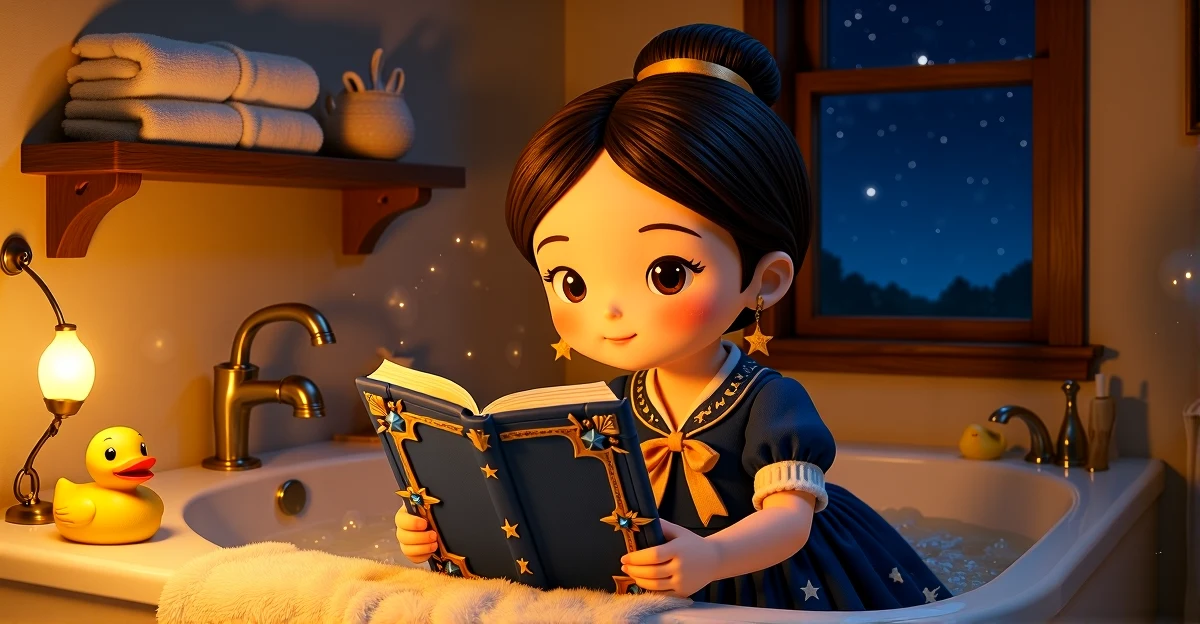
What makes it special: In this story, Ayli feels scared during a nighttime bathroom trip, and she and her friend Igar discover that their night light glows brighter whenever they share comforting hugs. They learn that connection and comfort are powerful tools for managing scary feelings. This story addresses the same emotional foundation that toddlers need when facing separations: the understanding that love and connection create safety, even in scary moments.
Key lesson: Connection creates safety. The warmth of love stays with us, even when we are apart.
How to use it: After reading this story with your child, you might create your own goodbye ritual that includes a special hug, just like Ayli and Igar. You might talk about how your love glows bright in their heart, even when you are not together. You might remind them that just like Ayli discovered that hugs make the light glow brighter, your love makes them feel safe and warm, no matter where you are.
You Are Doing Beautifully
I want you to know something else that is really important. This phase will pass. With gentle encouragement, practice, and praise, children work through separation anxiety. As your child's brain develops, as they gain more experience with you leaving and coming back, as they build trust in the predictability of your return, the intensity of their distress will fade.
But in the meantime, please be gentle with yourself. Those goodbye moments are hard for you too. It is okay to feel sad, guilty, or frustrated. You are human, and you love your child deeply. The fact that you are here, learning about this, seeking to understand and support your child, tells me everything I need to know about what a wonderful parent you are.
Remember, your toddler's separation anxiety is not a sign that something is wrong. It is a sign that something is beautifully right. It is a sign of healthy attachment, of deep love, of a secure bond that will serve as the foundation for their emotional health for the rest of their life.
The Magic Book and I are always here for you, offering stories and wisdom to support you on this journey. You are doing such important work, raising a little human with patience and love. And I believe in you completely.
With love and starlight, Inara
Related Articles
- Understanding Your Toddler's Need for Connection: The Journey from Attachment to Independence
- Understanding Your Toddler's Sensitivity to Loud Sounds (And How to Help)
- When Your Toddler Wakes Up Screaming: Understanding Night Terrors
- Building Trust and Security in Toddlers: A Gentle Parenting Guide
- Understanding Toddler Stranger Anxiety: A Gentle Guide for Parents
Show transcript
Hello, my wonderful friend! It's me, Inara, and I am so happy you're here today. You know, the Magic Book and I have been noticing something that's happening in homes all around the world. So many parents are experiencing those heart-wrenching moments when their little ones cling and cry during goodbyes, and I want you to know something really important. You are not alone in this, and what you're experiencing is actually a beautiful sign of healthy development.
Let me paint a picture for you. It's morning, you're trying to leave for work or drop your toddler at daycare, and suddenly your sweet little one wraps their arms around your legs, tears streaming down their face, screaming as if their whole world is ending. And in that moment, you might feel guilty, frustrated, worried, or all of those things at once. You might wonder, am I doing something wrong? Is my child okay? Will this ever get better?
Here's what the Magic Book wants you to know. When your toddler screams and clings when you try to leave, they're showing you something absolutely WONDERFUL. They're showing you that they have formed a secure, loving attachment to you. They're showing you that you are their safe place, their home base, their whole universe. And yes, that can make separations feel impossibly hard, but it's actually a sign that you're doing something beautifully right.
Let me share what the research tells us, because understanding what's happening in your child's developing brain can change everything. The American Academy of Pediatrics explains that separation anxiety is a completely normal part of development. It typically peaks around eighteen months and begins to settle by age two, though some children continue to experience it into their third year. This isn't a problem to fix. It's a developmental phase to support.
Here's what's happening inside your toddler's amazing little brain. At this age, they're becoming more aware of their independence, more aware that they are a separate person from you. But here's the thing, their brain hasn't quite caught up with this awareness yet. They don't fully understand that when you leave, you will come back. They don't have the concept of time the way we do. When you walk out that door, in their mind, you might be gone forever. Can you imagine how scary that must feel?
And here's something else that's so important to understand. Toddlers at this age are learning to manage big, complex emotions like frustration, anxiety, and excitement. But they lack the neurological development to control their emotional impulses. When they feel that wave of panic as you're leaving, they can't talk themselves through it. They can't reason with themselves. All they can do is express it with their whole body, with tears and screams and clinging. They're not trying to manipulate you. They're not being difficult. They're communicating the only way they know how. I need you. I'm scared. Please don't go.
Research from the National Center for Biotechnology Information shows us something beautiful. When parents respond to separation distress with patience, reassurance, and consistency, they help build secure attachment patterns that support long-term emotional health. When you stay calm, when you validate their feelings, when you reassure them that you will return, you're teaching them that emotions are manageable, that separations are temporary, and that they are safe and loved even when you're apart.
So what can you do to help your little one through this phase? Let me share some gentle strategies that really work.
First, create a consistent goodbye ritual. This might be a special hug, a specific phrase like I love you, I'll be back soon, or a little wave at the window. Consistency helps your child know what to expect, and that predictability creates safety.
Second, never sneak away. I know it's tempting to slip out when they're distracted because it avoids the tears, but sneaking away actually makes separation anxiety worse. It teaches your child that you might disappear at any moment, which makes them more clingy and anxious. Always say goodbye, even if it brings tears.
Third, keep goodbyes short and sweet. Long, drawn-out goodbyes can actually increase anxiety. Give your love, give your reassurance, and then go with confidence. Your calm energy tells them that everything is okay.
Fourth, and this is so important, validate their feelings. You can say things like, I know it's hard when I leave. It's okay to feel sad. I feel sad too. And I will always come back. This teaches them that their feelings are normal and manageable.
And here's something the Magic Book showed me that I think you'll find helpful. Stories can be such a gentle tool for helping children understand and process separation anxiety. We have a story in The Book of Inara called The Gentle Glow of Friendship. In this story, Ayli feels scared during a nighttime bathroom trip, and she and her friend Igar discover that their night light glows brighter whenever they share comforting hugs. They learn that connection and comfort are powerful tools for managing scary feelings.
This story teaches children something beautiful. It shows them that love and connection create safety, even in scary moments. It shows them that the warmth of connection stays with us, even when we're apart. After reading this story with your child, you might create your own goodbye ritual that includes a special hug, just like Ayli and Igar. You might talk about how your love glows bright in their heart, even when you're not together.
I want you to know something else that's really important. This phase will pass. Raising Children Network, an expert organization in child development, tells us that with gentle encouragement, practice, and praise, children work through separation anxiety. As your child's brain develops, as they gain more experience with you leaving and coming back, as they build trust in the predictability of your return, the intensity of their distress will fade.
But in the meantime, please be gentle with yourself. Those goodbye moments are hard for you too. It's okay to feel sad, guilty, or frustrated. You're human, and you love your child deeply. The fact that you're here, learning about this, seeking to understand and support your child, tells me everything I need to know about what a wonderful parent you are.
Remember, your toddler's separation anxiety isn't a sign that something is wrong. It's a sign that something is beautifully right. It's a sign of healthy attachment, of deep love, of a secure bond that will serve as the foundation for their emotional health for the rest of their life.
The Magic Book and I are always here for you, offering stories and wisdom to support you on this journey. You're doing such important work, raising a little human with patience and love. And I believe in you completely.
Sweet dreams, my wonderful friend. With love and starlight, Inara.