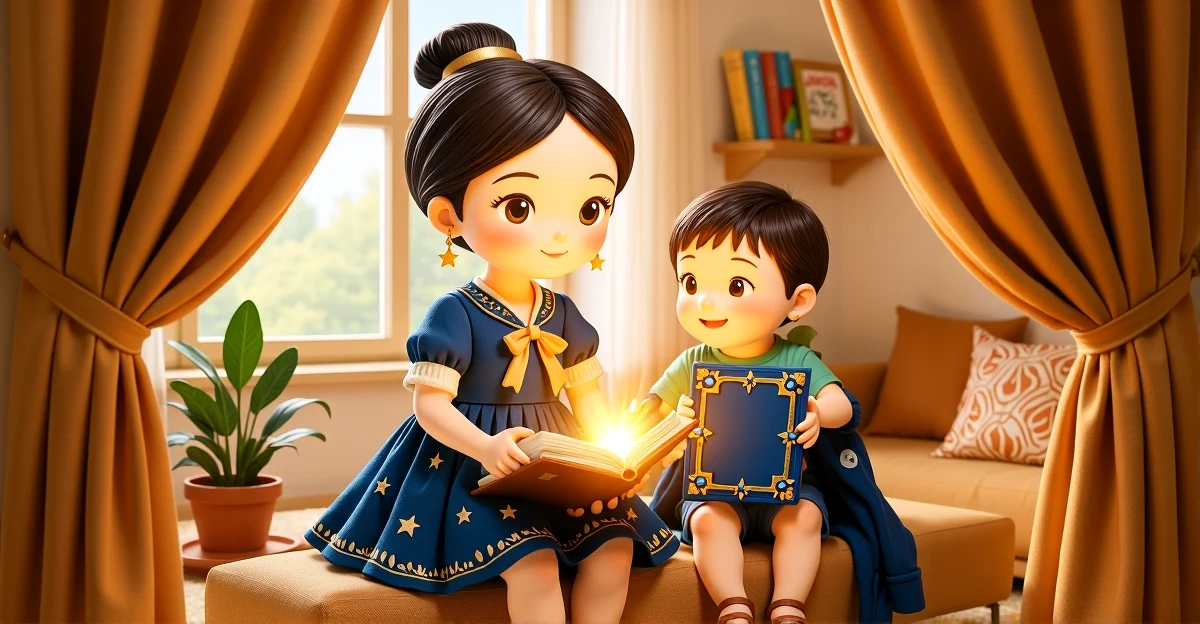
Hello, wonderful parent. If you're reading this, there's a good chance you have a little shadow following you from room to room right now. Maybe you can't even go to the bathroom alone. Maybe your toddler wants you nearby during every moment of play, calling for you the instant you step away. And maybe, just maybe, you're feeling a mix of love and exhaustion that's hard to put into words.
I want you to take a deep breath with me. You are not alone in this. In fact, what you're experiencing is one of the most NORMAL, most BEAUTIFUL parts of early childhood development. And today, the Magic Book and I are going to share why your toddler's need to be near you isn't a problem to fix. It's a sign that something wonderful is happening in their growing heart.
In this post, we'll explore the science behind this precious phase, gentle strategies for supporting your child's journey toward independence, and stories that can help make this transition smoother for both of you.
Why Your Toddler Follows You Everywhere (And Why That's Wonderful)
When your two or three year old follows you from room to room, when they want you nearby while they play, when they call for you the moment you step away, they're not being clingy. They're showing you that you are their safe base, their North Star, their whole universe. And that is exactly what nature intended.
Between ages two and three, children are experiencing this incredible developmental dance. On one hand, they're discovering independence. They're learning new skills, exploring their world, developing their sense of self. But on the other hand, they still need the security of knowing you're there. It's like they're little explorers with one foot in the boat and one foot on the shore, and that's PERFECTLY normal.
The Raising Children Network, a trusted authority on child development, explains that at 2-3 years, toddlers are developing independence and will still cling when tired or frightened. This isn't regression or a problem. It's healthy development unfolding exactly as it should.
The Science of Secure Attachment: Why Meeting Their Needs Builds Independence
Here's what the research shows us, and it's SO important: secure attachment actually SUPPORTS independence. It doesn't hinder it.
When children feel confident that you're available and responsive to their needs, they gradually build the emotional resources they need for independent play. It's like filling up their love tank so they have enough fuel to venture out on their own.
Secure attachment provides the foundation for healthy exploration and independence. Meeting your child's attachment needs doesn't create dependency, it builds the emotional security necessary for autonomous play.
— NSPCC Learning, Attachment and Child Development
Zero to Three, a leading early childhood organization, emphasizes that secure attachment and stress regulation form the foundation for healthy independence development. Their research shows that responsive caregiving helps children develop the confidence needed to explore independently.
Think about it this way: when you know someone has your back, you feel braver about trying new things. The same is true for your little one. When they KNOW you're there, when they trust that you'll respond to their needs, they feel safe enough to gradually venture further from your side.
What's Really Happening in Your Toddler's Heart
Research from the Michigan Department of Health and Human Services shows that between ages 2-3, toddlers are experiencing rapid growth in their sense of self while simultaneously needing the security of their primary caregivers as a safe base for exploration.
Your child is learning SO much right now:
- They're discovering they're a separate person from you - This is exciting and a little scary at the same time
- They're developing new physical and cognitive skills - Every day brings new capabilities
- They're learning to regulate their emotions - Big feelings are still overwhelming
- They're building their understanding of the world - And you're their trusted guide
When they follow you everywhere, they're essentially saying, "I'm learning to be independent, but I still need to know you're here." That's not clinginess. That's wisdom.
Gentle Strategies for Supporting the Journey to Independence
Now, I know what you might be thinking. But Inara, I'm exhausted. I can't even shower in peace. I need a break. And dear one, I hear you. This phase can be tiring. The Magic Book and I want you to know that it's okay to feel both love for your child AND a need for space. Both feelings can be true at the same time.
So let's talk about some gentle ways to support your child's journey from constant togetherness to comfortable independence. Remember, this is a gradual process. We're not trying to force independence overnight. We're gently scaffolding it, one small step at a time.
The Nearby Presence Technique
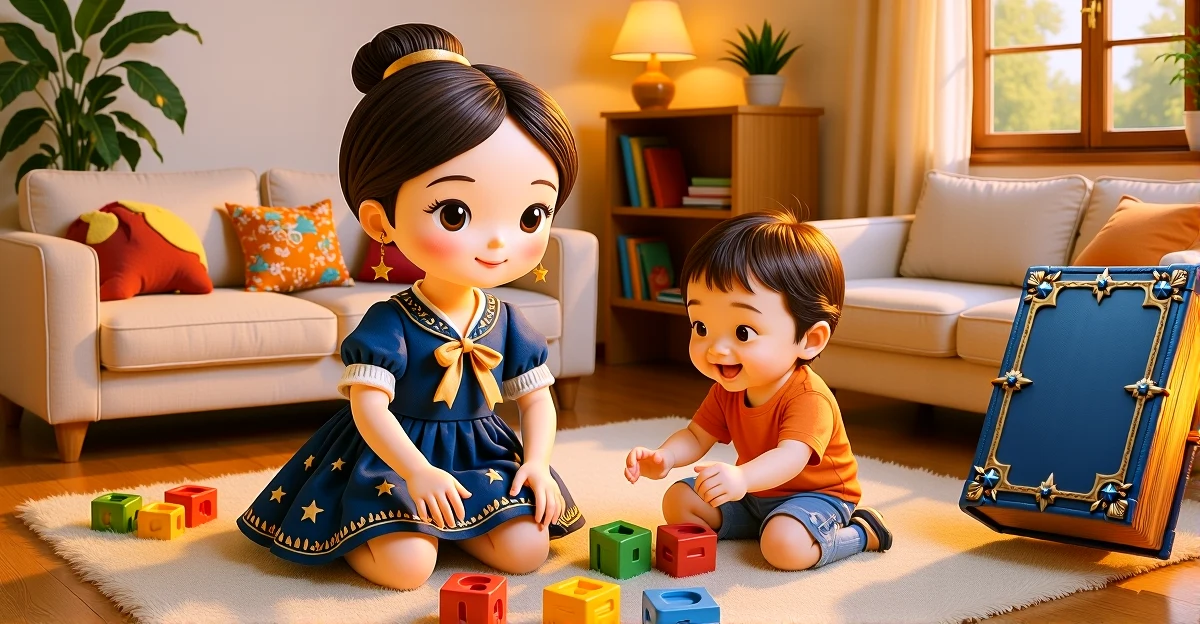
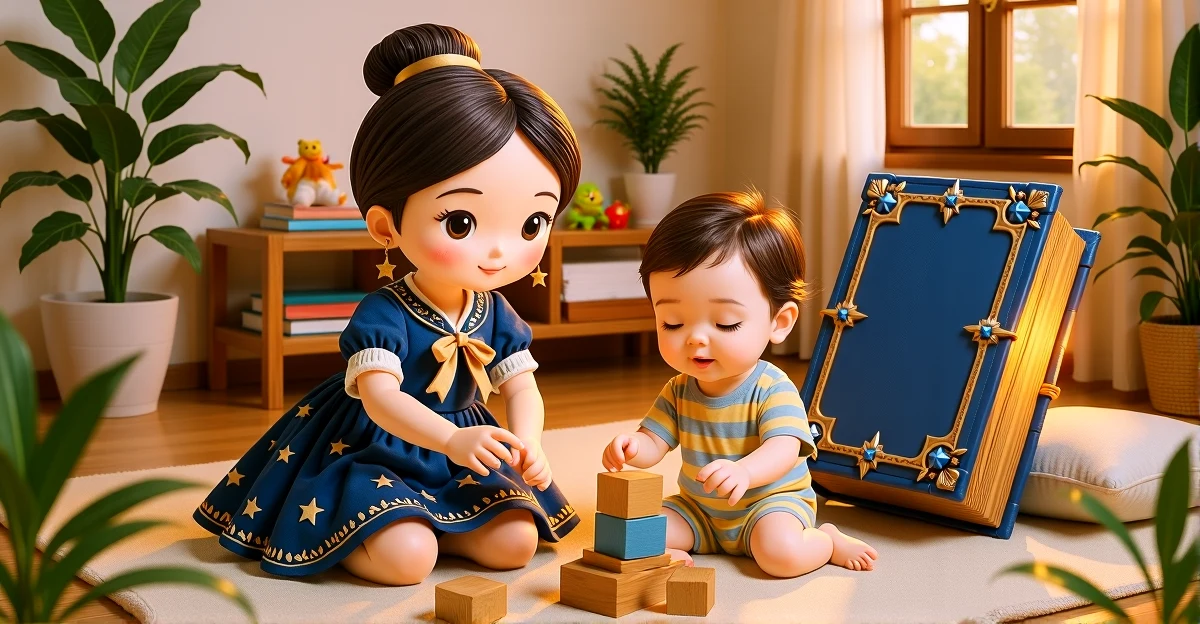
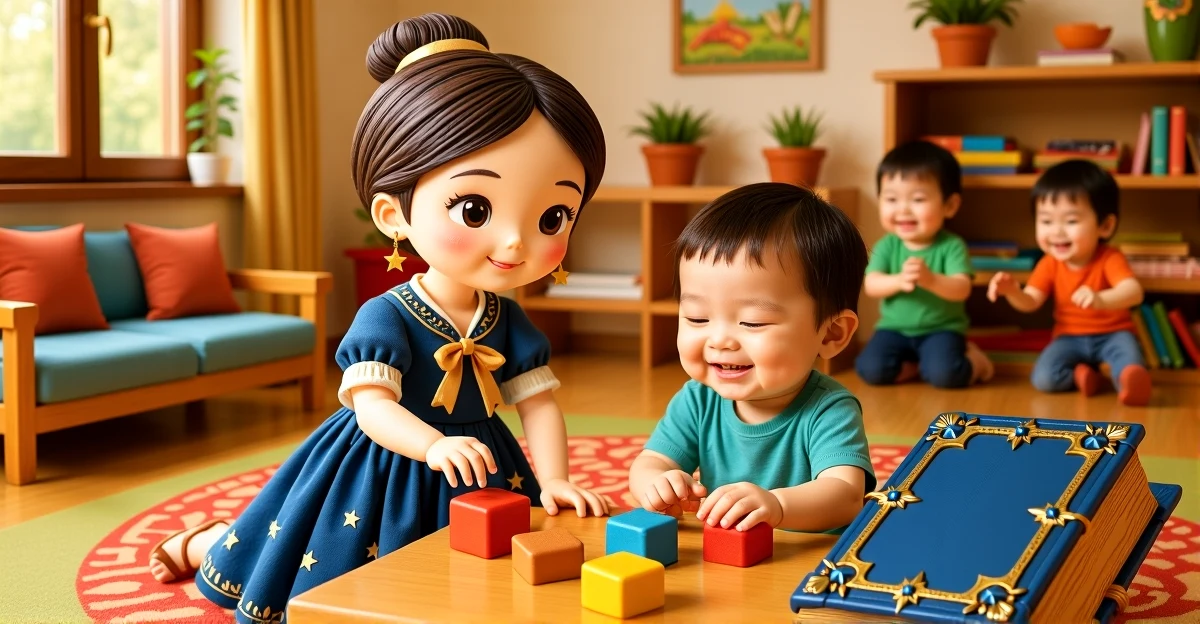
Instead of leaving the room entirely, start by playing alongside your child, then gradually shift to being in the same room but doing your own task. Maybe you're folding laundry while they play with blocks. You're there, you're available, but you're also modeling that it's okay to do separate activities in the same space.
As they get comfortable with that, you can try brief separations with lots of reassurance. You might say, "I'm going to the kitchen to get a drink of water. I'll be right back." And then you come back, just like you promised. Over time, those brief moments stretch into longer periods as their confidence grows.
Building Confidence Through Helping
The Raising Children Network suggests something wonderful: you can build your toddler's confidence and independence by letting them help you with simple tasks. When they sweep alongside you, when they dust with their little cloth, when they feel like your helper, they feel proud. And that pride builds confidence. It's a beautiful way to be together while also fostering their growing sense of capability.
Honoring Their Need for Extra Connection
Here's something else the Magic Book showed me: your child's need for closeness often peaks when they're tired, hungry, or overwhelmed. During those times, they need MORE connection, not less. So if you notice the clinginess intensifying at certain times of day, that's your cue to offer extra closeness and comfort. There's no such thing as spoiling a child with love and presence.
Creating Pockets of Deep Connection
Five minutes of really focused, present play can fill your child's cup more than an hour of distracted togetherness. When they feel truly seen and connected, they often feel more secure venturing off on their own. Try setting aside small moments throughout the day where you're completely present with them, no phone, no multitasking. Just you and them.
The Truth About This Phase (It's Temporary)
I want to remind you of something the Magic Book whispers often: this phase is temporary. I know it doesn't feel that way when you're in the thick of it, when you can't even shower in peace. But your little one will not follow you to college. They will not need you this intensely forever.
Right now, you are their whole world, and that's a sacred responsibility, but it's also a fleeting gift. One day, sooner than you think, they'll be off playing independently, lost in their own imaginative world, and you might find yourself missing these days when you were their everything.
The research is clear on this: children whose attachment needs are met with warmth and understanding, children who are allowed to cling when they need to and gently encouraged toward independence when they're ready, these children typically show STRONGER independent play skills as they mature. You're not creating a problem by meeting their needs. You're building a foundation.
Stories That Can Help
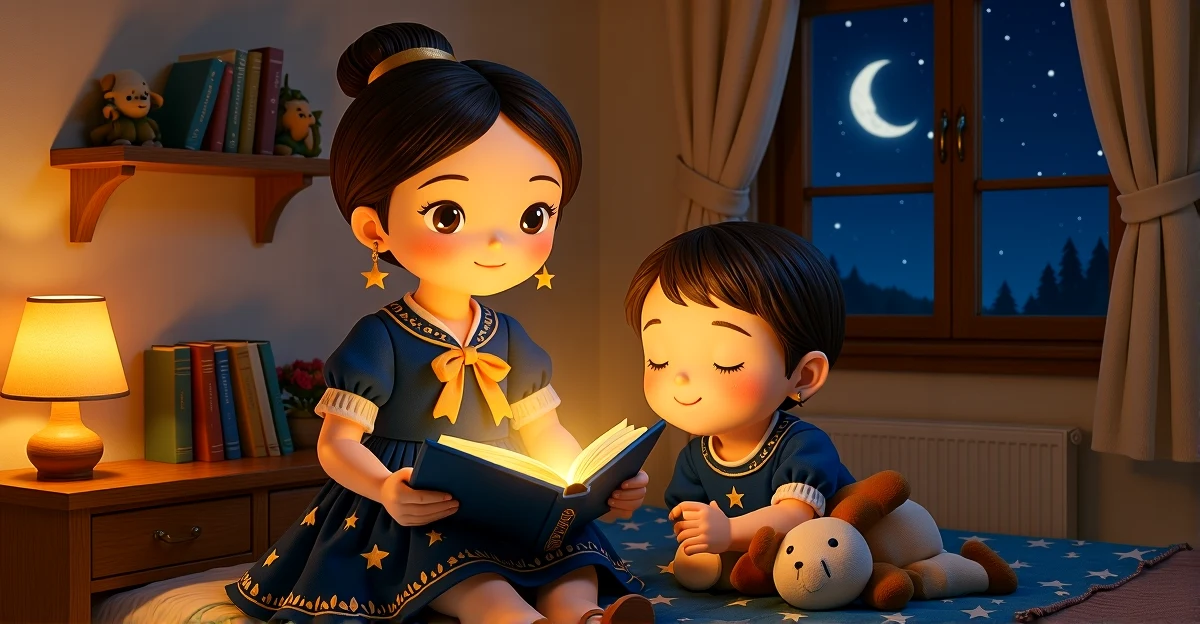
In The Book of Inara, we have beautiful stories that bring these concepts to life for your child. Let me share one that's particularly wonderful for this phase:
The Magic Show Where Everything Says Hello
Perfect for: Ages 2-3
What makes it special: This story helps children discover that the world around them is friendly and welcoming, which builds the confidence needed for independent exploration. When Anya and Noah learn that everything in the magical puppet theater wants to be their friend, it creates a sense of safety that supports the transition from constant parental presence to comfortable solo play.
Key lesson: The world is full of friendly things, even when grown-ups aren't right beside you.
How to use it: After reading this story together, you might try a little game where your child introduces themselves to their toys. You could say, "Let's say hello to teddy bear! I wonder what teddy would say back to you?" This creates a beautiful bridge between your comforting presence and their growing independence. It helps them see their play space as friendly territory, full of companions who are waiting to play with them.
You're Doing Beautifully
Before we close, I want to leave you with some wisdom from the Magic Book. Celebrate the small victories. Did your child play independently for three minutes today? That's WONDERFUL. Don't focus on the fact that it wasn't thirty minutes. Focus on the fact that it happened at all. Growth happens in tiny increments, and every single one deserves recognition.
And finally, be gentle with yourself. You're doing something incredibly important. You're raising a human being, helping them navigate the complex journey from complete dependence to healthy independence. That's not easy work. But you're doing it with love, with patience, and with the willingness to learn and grow alongside your child.
On the hard days, when you're touched out and tired, try to hold both truths: This is challenging AND this is precious. Both can be true.
Remember, your child's need for you isn't a burden. It's a testament to the beautiful bond you've created. Honor it, support it, and trust that independence will unfold in its own perfect time.
With love and starlight,
Inara
Related Articles
- Understanding Your Toddler's Hesitation with New Experiences (And How to Gently Encourage Curiosity)
- Building Independence Through Play: A Gentle Guide for Ages 2-3
- Building Trust and Security in Toddlers: A Gentle Parenting Guide
- Understanding Toddler Separation Anxiety (And Gentle Strategies That Help)
- Understanding Toddler Stranger Anxiety: A Gentle Guide for Parents
Show transcript
Hello, my wonderful friend! It's me, Inara, and I am SO happy you're here today. You know, the Magic Book and I have been noticing something beautiful happening in homes all around the world. So many parents are reaching out with a question that comes straight from the heart. They're saying, my little one follows me everywhere. They won't play alone, not even for a minute. And I can hear the exhaustion in those words, but also the love.
If that's you right now, I want you to take a deep breath with me. You are not alone in this. In fact, what you're experiencing is one of the most NORMAL, most BEAUTIFUL parts of early childhood development. And today, we're going to talk about why your toddler's need to be near you isn't a problem to fix, it's a sign that something wonderful is happening in their growing heart.
Let me share what the Magic Book taught me about this precious phase. You see, when your two or three year old follows you from room to room, when they want you nearby while they play, when they call for you the moment you step away, they're not being clingy. They're showing you that you are their safe base, their North Star, their whole universe. And that, my friend, is exactly what nature intended.
Research from organizations like Zero to Three and the Raising Children Network shows us something fascinating. Between ages two and three, children are experiencing this incredible developmental dance. On one hand, they're discovering independence. They're learning new skills, exploring their world, developing their sense of self. But on the other hand, they still need the security of knowing you're there. It's like they're little explorers with one foot in the boat and one foot on the shore, and that's PERFECTLY normal.
Here's what the experts want you to know. Secure attachment, that beautiful bond between you and your child, actually SUPPORTS independence. It doesn't hinder it. When children feel confident that you're available and responsive to their needs, they gradually build the emotional resources they need for independent play. It's like filling up their love tank so they have enough fuel to venture out on their own.
The NSPCC Learning organization puts it beautifully. They say that secure attachment provides the foundation for healthy exploration and independence. Meeting your child's attachment needs doesn't create dependency, it builds the emotional security necessary for autonomous play. Isn't that wonderful?
Now, I know what some of you might be thinking. But Inara, I'm exhausted. I can't even go to the bathroom alone. I need a break. And my dear friend, I hear you. This phase can be tiring. The Magic Book and I want you to know that it's okay to feel both love for your child AND a need for space. Both feelings can be true at the same time.
So let's talk about some gentle ways to support your child's journey from constant togetherness to comfortable independence. First, remember that this is a gradual process. We're not trying to force independence overnight. We're gently scaffolding it, one small step at a time.
The Raising Children Network suggests something wonderful. They say you can build your toddler's confidence and independence by letting them help you with simple tasks. When they sweep alongside you, when they dust with their little cloth, when they feel like your helper, they feel proud. And that pride builds confidence. It's a beautiful way to be together while also fostering their growing sense of capability.
Another gentle approach is what I call the nearby presence technique. Instead of leaving the room entirely, you might start by playing alongside your child, then gradually shift to being in the same room but doing your own task. Maybe you're folding laundry while they play with blocks. You're there, you're available, but you're also modeling that it's okay to do separate activities in the same space.
As they get comfortable with that, you can try brief separations with lots of reassurance. You might say, I'm going to the kitchen to get a drink of water. I'll be right back. And then you come back, just like you promised. Over time, those brief moments stretch into longer periods as their confidence grows.
Here's something else the Magic Book showed me. Your child's clinginess often peaks when they're tired, hungry, or overwhelmed. During those times, they need MORE connection, not less. So if you notice the clinginess intensifying at certain times of day, that's your cue to offer extra closeness and comfort. There's no such thing as spoiling a child with love and presence.
Now, let me tell you about a story that might help with this beautiful transition. In The Book of Inara, we have a tale called The Magic Show Where Everything Says Hello. It's about two little ones named Anya and Noah who discover a magical puppet theater where every single prop giggles and introduces itself. The curtains say hello, the stage whispers a greeting, even the tiny wooden chairs want to be friends.
This story does something WONDERFUL for children who are learning to feel safe in their environment. When Anya and Noah realize that everything around them is friendly and welcoming, it helps them understand that the world is a safe place, even when their grown-ups aren't right beside them. After you read this story together, you might try a little game where your child introduces themselves to their toys. You could say, let's say hello to teddy bear! I wonder what teddy would say back to you?
This creates a beautiful bridge between your comforting presence and their growing independence. It helps them see their play space as friendly territory, full of companions who are waiting to play with them.
The research is so clear on this, my friend. Children whose attachment needs are met with warmth and understanding, children who are allowed to cling when they need to and gently encouraged toward independence when they're ready, these children typically show STRONGER independent play skills as they mature. You're not creating a problem by meeting their needs. You're building a foundation.
I also want to remind you of something the Magic Book whispers often. This phase is temporary. I know it doesn't feel that way when you're in the thick of it, when you can't even shower in peace. But your little one will not follow you to college. They will not need you this intensely forever. Right now, you are their whole world, and that's a sacred responsibility, but it's also a fleeting gift.
One day, sooner than you think, they'll be off playing independently, lost in their own imaginative world, and you might find yourself missing these days when you were their everything. So on the hard days, when you're touched out and tired, try to hold both truths. This is challenging AND this is precious. Both can be true.
Before we close, I want to leave you with some practical wisdom. Create little pockets of connection throughout your day. Five minutes of really focused, present play can fill your child's cup more than an hour of distracted togetherness. When they feel truly seen and connected, they often feel more secure venturing off on their own.
Also, celebrate the small victories. Did your child play independently for three minutes today? That's WONDERFUL! Don't focus on the fact that it wasn't thirty minutes. Focus on the fact that it happened at all. Growth happens in tiny increments, and every single one deserves recognition.
And finally, be gentle with yourself. You're doing something incredibly important. You're raising a human being, helping them navigate the complex journey from complete dependence to healthy independence. That's not easy work. The Magic Book and I see you, we honor you, and we're here to support you every step of the way.
If you'd like more stories that support this beautiful developmental phase, visit The Book of Inara. We have tales about friendship, confidence, and discovering that the world is full of wonder and safety. Each story is crafted with love to help your little one grow.
Thank you for being here today, my wonderful friend. Remember, your child's need for you isn't a burden, it's a testament to the beautiful bond you've created. Honor it, support it, and trust that independence will unfold in its own perfect time.
With love and starlight, Inara.