Your three-year-old's friend just built an amazing tower at playgroup. Instead of clapping or smiling, your little one crosses their arms and turns away. Or maybe your four-year-old hears that their classmate got picked to be line leader, and suddenly they're in tears, saying it's "not fair." You might be wondering: Is my child unkind? Am I raising someone who can't be happy for others?
Oh, wonderful parent, let me share something BEAUTIFUL with you. What you're seeing isn't a character flaw. It's not a sign that your child lacks kindness or empathy. What you're witnessing is development in action. Your child's brain is learning one of the most complex emotional skills humans ever master: the ability to feel genuine joy in someone else's happiness.
In this guide, we'll explore why preschoolers struggle to celebrate others' achievements, what the research tells us about empathy development, and most importantly, gentle strategies that help your child develop what psychologists call a "generous spirit." Plus, I'll share a magical story from The Book of Inara that teaches this lesson in the most beautiful way.
Understanding the Challenge: Why This Is SO Normal
When young children feel that twinge of jealousy watching a friend succeed, they're actually in a critical learning phase. Their empathy is developing. Their sense of self is growing. And they're discovering something profound: other people can have good things too, not just them.
Research from child development experts shows us that children aged three to four are right in the middle of developing what scientists call cognitive empathy and behavioral empathy. Cognitive empathy means understanding WHY their friend feels happy about winning the game or getting the special sticker. Behavioral empathy means knowing how to respond with supportive actions, like saying "good job" or giving a high-five.
But here's the important part that I want you to really hear: these skills are still emerging. They're not fully formed yet. Your preschooler's brain is literally building the neural pathways that will eventually allow them to celebrate others authentically. And that takes time. YEARS, actually.
The Science Behind Achievement Jealousy
When children feel jealous of a peer's achievement, they're experiencing what experts call "achievement jealousy." They're comparing themselves to their friends and feeling envious of what others can do or have accomplished. And you know what? That comparison is actually how children start to understand themselves as separate individuals with their own unique gifts.
"Jealousy is a normal developmental and emotional experience in childhood, and it represents a moment to help children learn more about their inner world, their needs, and feelings."
— Dr. Deborah Serani, Clinical Psychologist
This is SO important. Dr. Serani's research shows us that these challenging moments aren't problems to fix. They're opportunities for emotional learning. When we approach our child's jealousy with curiosity and compassion instead of correction, we help them develop self-awareness and emotional intelligence.
What Research Tells Us About Empathy Development
A fascinating study from UCLouvain's Psychological Sciences Research Institute examined empathy development in preschoolers aged 3-6 years. The researchers discovered something wonderful: empathy has different dimensions that develop at different rates.
Affective empathy involves automatic emotional responses. When your child sees their friend crying and feels sad too, that's affective empathy. This develops earlier and more naturally.
Cognitive empathy requires understanding why others feel certain emotions. When your child can think, "My friend is happy because they got to be line leader," that's cognitive empathy. This takes longer to develop and requires more brain maturation.
Behavioral empathy means taking action to help or support someone. When your child decides to say "congratulations" even though they feel a little jealous inside, that's behavioral empathy. This is the most complex and develops last.
The research shows that cognitive and behavioral empathy increase significantly as children grow older during the preschool years. But at age three or four, these skills are just beginning to emerge. Your child isn't behind. They're exactly where they need to be.
"Children who share and understand emotions of others are more likely to engage in prosocial behaviors to help them."
— UCLouvain Psychological Sciences Research Institute
This tells us something magical: when we teach our children to recognize and validate feelings, both their own and others', we're building their capacity for kindness and generosity. Every time we help them name their jealous feelings and understand them, we're laying the foundation for celebrating others.
Five Gentle Strategies That Build Generous Hearts
So what can you do when you see your little one struggling to celebrate a friend's achievement? Here are research-backed strategies that actually work:
1. Validate Their Feelings First
When you see your child struggling to celebrate a friend, get down to their level and say something like: "I notice you're feeling a bit sad that Maya got to be line leader today. It's okay to feel that way."
This is SO important. You're teaching them that they don't have to push away uncomfortable feelings. They can acknowledge them, understand them, and then choose how to act. You might add: "Feelings are information, not commands. You can feel a little jealous AND still be kind to Maya."
This approach comes straight from evidence-based research on emotional intelligence. When children learn that all feelings are acceptable, they develop the emotional flexibility to experience jealousy without being controlled by it.
2. Help Them Recognize Their Own Unique Talents
The research is clear on this: when children find happiness in their own accomplishments, they don't need to feel threatened by someone else's success. You might say things like:
- "Remember yesterday when you helped your little brother find his toy? That was so kind."
- "You're getting really good at drawing circles. I love watching you practice."
- "The way you shared your snack with your friend today showed such a generous heart."
This builds what experts call self-appreciation. And self-appreciation is the foundation for celebrating others. When your child feels secure in their own worth, they have room in their heart to feel happy for their friends.
"When children find happiness in their own backyard, they may not need to chase the greener grass on the other side."
— Dr. Deborah Serani
3. Model Genuine Happiness for Others' Achievements
Children learn empathy by watching us. When you hear that your neighbor got a promotion, or your friend's child won an award, let your little one see you celebrate. Say things like: "I'm so happy for Sarah! She worked really hard for that."
Your child is watching and learning that celebrating others feels good. They're absorbing the message that there's enough success and happiness to go around. That someone else's achievement doesn't diminish their own worth.
Research on social learning shows that children who see adults demonstrate empathic behavior are significantly more likely to develop those same skills themselves. You are your child's first and most important teacher of generous spirit.
4. Practice Gratitude Together
Studies show that when children find happiness in what they have, jealousy naturally decreases. You might start a bedtime ritual where you each share one thing you're grateful for from the day. Or create a gratitude jar where you drop in notes about good things that happened.
This helps your child's brain focus on abundance instead of scarcity. Instead of thinking "I didn't get to be line leader," they learn to think "I got to play with my best friend at recess, AND I'm happy Maya got to be line leader."
Gratitude practices have been shown in research to reduce feelings of envy and increase prosocial behaviors in children. It's like training their brain to notice the good, which makes room for celebrating others' good too.
5. Be Patient with the Process
Here's what I want you to remember on the hard days: empathy development takes time. YEARS, actually. Your three or four year old is just beginning this journey. Some days they'll surprise you with their generosity. Other days they'll struggle. Both are normal. Both are part of learning.
Every time your child feels jealous and you help them navigate that feeling with compassion, you're building their emotional intelligence. Every time you validate their struggle while guiding them toward kindness, you're teaching them that they can feel multiple things at once. They can feel a little jealous AND be happy for their friend. They can want something for themselves AND celebrate when someone else gets it.
This is advanced emotional work. Give yourself and your child grace as you both learn together.
Stories That Can Help
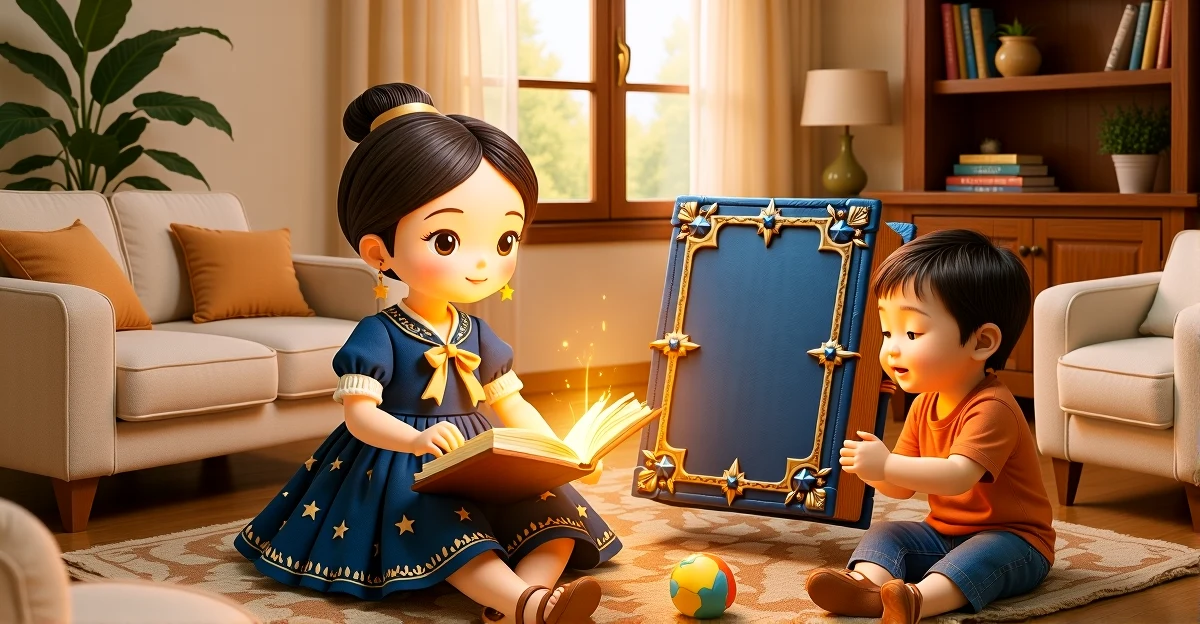
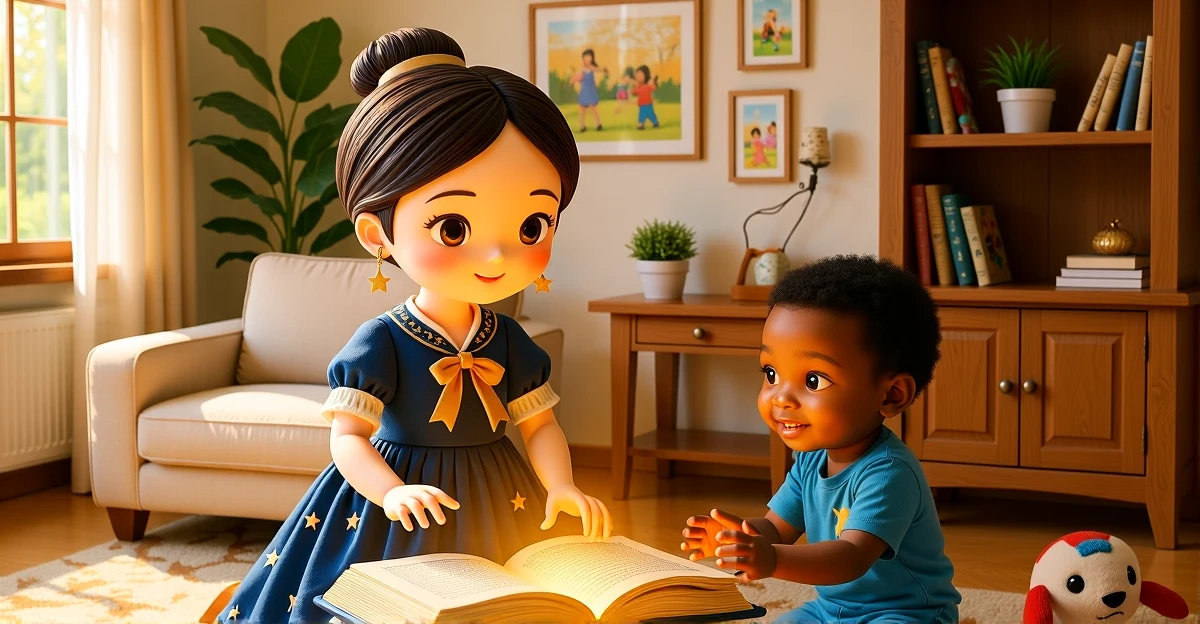
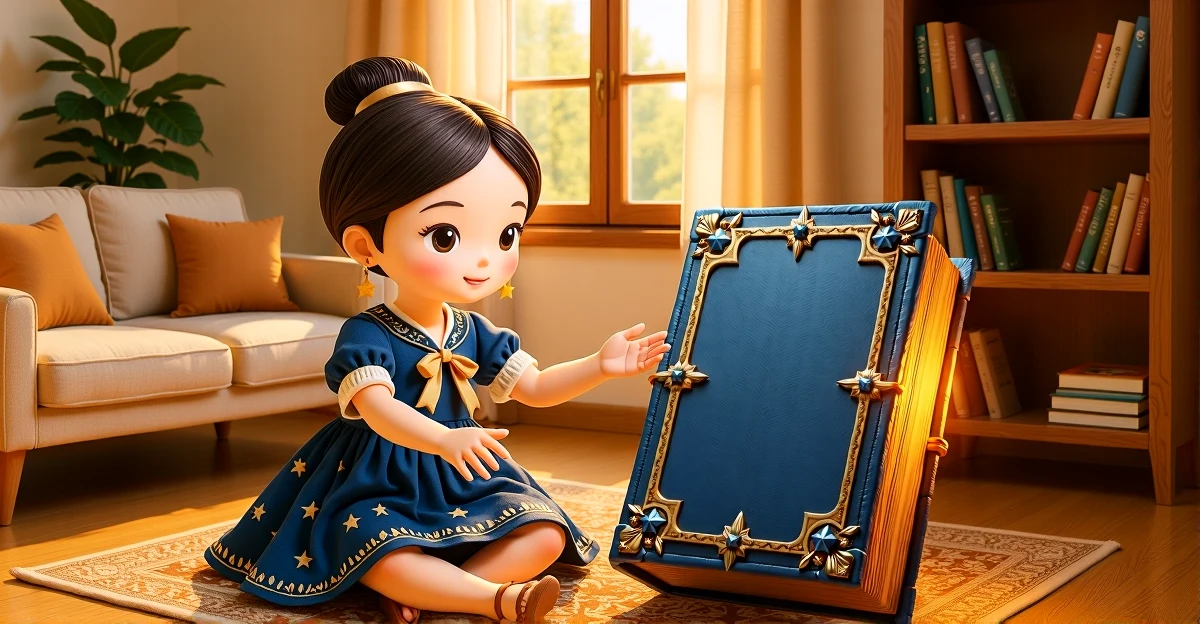
In The Book of Inara, we have beautiful stories that bring these concepts to life for your child in the most magical way. Let me share one that's PERFECT for teaching about celebrating others:
The Books That Feel What You Feel
Perfect for: Ages 4-5 (also wonderful for mature 3-year-olds)
What makes it special: In this enchanting tale, Leo visits Professor Alistair's magical study where books glow different colors based on emotions. When Leo feels jealous of his friend's invention, the wise books help him understand something WONDERFUL: jealousy is just helpful information, not a command to follow.
The magical books teach Leo that he can notice the feeling of jealousy, understand it, and then choose how he wants to act. He learns that feelings give us information about our inner world, but we get to decide what to do with that information.
Key lesson: Children can feel jealous AND still choose kindness. They're not controlled by their feelings; they can work WITH their feelings to make generous choices.
Why it works: This story does something SO important. It normalizes jealousy as a natural emotion while empowering children to choose their response. It teaches the exact skill we want them to develop: emotional awareness combined with behavioral choice.
After you read this story with your child, you can help them apply it to real life. When they feel jealous of a friend's success, you can remind them: "Just like Leo and the magical books, we can feel a little jealous AND be happy for our friend. What do you want to choose?"
You're Doing Beautifully
Tonight, or tomorrow, when you see your little one struggling to celebrate a friend's achievement, I want you to take a deep breath. Remember that this is development, not defiance. This is learning, not lacking. And you have everything you need to guide them through it.
Validate their feelings. Celebrate their unique gifts. Model generous joy. Practice gratitude together. And share stories that teach these beautiful lessons in gentle, magical ways.
You're raising a child with a generous heart. It just takes time, patience, and lots of love. And you're giving them all three.
The research is clear: when parents approach jealousy with compassion and use it as a teaching moment, children develop stronger empathy, better emotional regulation, and more prosocial behaviors. You're not just helping your child celebrate others today. You're building the foundation for a lifetime of emotional generosity.
And that, wonderful parent, is BEAUTIFUL work.
With love and starlight,
Inara
Related Articles
- Understanding Your Child's Social Development: Why Playing Alone is Normal (Ages 3-4)
- Understanding Your Child's Rough Play: A Gentle Guide to Teaching Empathy
- When Your 3-4 Year Old Doesn't Notice Others' Feelings: Understanding Empathy Development
- How Young Children Learn Empathy and Kindness: A Gentle Guide for Parents
- Teaching Gentle Touch: Understanding Your Child's Tight Hugs (Ages 3-4)
Show transcript
Hello, wonderful parent! It's me, Inara, and I am so happy you're here today. You know, the Magic Book and I have been noticing something beautiful happening in homes all around the world. Parents like you are asking such thoughtful questions about helping their little ones develop generous hearts. And today, I want to talk about something that might be showing up in your home right now. When your three or four year old struggles to celebrate a friend's success.
Maybe you've seen this. Your child's friend just built an amazing tower, or learned to ride a bike, or got picked to be line leader. And instead of feeling happy for their friend, your little one feels... sad. Maybe even a bit grumpy. And you might be wondering, is my child not kind? Am I raising someone who can't be happy for others?
Oh, my dear friend, let me tell you something WONDERFUL. What you're seeing isn't a character flaw. It's development. It's your child's brain learning one of the most complex emotional skills humans ever master. The ability to feel joy in someone else's happiness.
The Magic Book taught me something beautiful about this. When young children feel that twinge of jealousy watching a friend succeed, they're actually in a critical learning phase. Their empathy is developing. Their sense of self is growing. And they're discovering that other people can have good things too, not just them.
Research from child development experts shows us that children aged three to four are right in the middle of developing what scientists call cognitive empathy and behavioral empathy. That means they're learning to understand WHY their friend feels happy, and they're learning how to respond with supportive actions. But here's the important part. These skills are still emerging. They're not fully formed yet. And that's completely normal.
Dr. Deborah Serani, a clinical psychologist who studies childhood emotions, says something I absolutely love. She says that jealousy is a normal developmental and emotional experience in childhood, and it represents a moment to help children learn more about their inner world, their needs, and feelings. Isn't that BEAUTIFUL? This challenging moment is actually a learning opportunity.
The research shows us that when children feel jealous of a peer's achievement, they're experiencing what experts call achievement jealousy. They're comparing themselves to their friends and feeling envious of what others can do or have accomplished. And you know what? That comparison is actually how children start to understand themselves as separate individuals with their own unique gifts.
But here's where you come in, wonderful parent. The Magic Book whispers this truth. When parents normalize these jealous feelings while modeling genuine happiness for others, children gradually develop what psychologists call generous spirit. That's the capacity to feel joy in another person's success. And it starts with you validating their feelings.
So what can you do? First, when you see your child struggling to celebrate a friend, get down to their level and say something like, I notice you're feeling a bit sad that Maya got to be line leader today. It's okay to feel that way. Feelings are information, not commands. You can feel a little jealous AND still be kind to Maya.
This is SO important. You're teaching them that they don't have to push away uncomfortable feelings. They can acknowledge them, understand them, and then choose how to act. Just like in our story, The Books That Feel What You Feel, where Leo learns that jealousy is just helpful information, not something he has to follow.
Second, help your child recognize their own unique talents and achievements. The research is clear on this. When children find happiness in their own accomplishments, they don't need to feel threatened by someone else's success. You might say, Remember yesterday when you helped your little brother find his toy? That was so kind. Or, You're getting really good at drawing circles. I love watching you practice.
This builds what experts call self-appreciation. And self-appreciation is the foundation for celebrating others. When your child feels secure in their own worth, they have room in their heart to feel happy for their friends.
Third, model genuine happiness for others' achievements. Children learn empathy by watching us. When you hear that your neighbor got a promotion, or your friend's child won an award, let your little one see you celebrate. Say things like, I'm so happy for Sarah! She worked really hard for that. Your child is watching and learning that celebrating others feels good.
The research from UCLouvain's Psychological Sciences Research Institute shows us something fascinating. Children who share and understand emotions of others are more likely to engage in prosocial behaviors to help them. That means when we teach our children to recognize and validate feelings, both their own and others', we're building their capacity for kindness and generosity.
Fourth, practice gratitude together. Studies show that when children find happiness in what they have, jealousy naturally decreases. You might start a bedtime ritual where you each share one thing you're grateful for from the day. Or create a gratitude jar where you drop in notes about good things that happened. This helps your child's brain focus on abundance instead of scarcity.
And fifth, be patient with the process. The Magic Book reminds me that empathy development takes time. YEARS, actually. Your three or four year old is just beginning this journey. Some days they'll surprise you with their generosity. Other days they'll struggle. Both are normal. Both are part of learning.
Now, let me tell you about a story that might help. In The Book of Inara, we have a beautiful tale called The Books That Feel What You Feel. In this story, Leo visits Professor Alistair's magical study where books glow different colors based on emotions. And when Leo feels jealous of his friend's invention, the wise books help him understand something WONDERFUL. They teach him that jealousy is just helpful information, not a command to follow.
This story shows children, in such a gentle way, that they can feel jealous AND still choose kindness. They can notice the feeling, understand it, and then decide how they want to act. Just like the magical books taught Leo, feelings give us information, but we choose how to respond.
After you read this story with your child, you can help them apply it to real life. When they feel jealous of a friend's success, you can remind them, Just like Leo and the magical books, we can feel a little jealous AND be happy for our friend. What do you want to choose?
This gives your child agency. It empowers them. It teaches them that they're not controlled by their feelings, they can work WITH their feelings to make kind choices.
The Magic Book also taught me this. Every child develops at their own pace. Some children naturally celebrate others more easily. Some need more support and practice. And that's okay. Your child isn't behind. They're exactly where they need to be, learning exactly what they need to learn.
So tonight, or tomorrow, when you see your little one struggling to celebrate a friend's achievement, take a deep breath. Remember that this is development, not defiance. This is learning, not lacking. And you have everything you need to guide them through it.
Validate their feelings. Celebrate their unique gifts. Model generous joy. Practice gratitude together. And share stories that teach these beautiful lessons in gentle, magical ways.
You're raising a child with a generous heart. It just takes time, patience, and lots of love. And you're giving them all three.
The Book of Inara is here to help you on this journey. We have stories specifically designed to teach empathy, generosity, and celebrating others. Stories that make these complex emotional lessons feel natural and magical.
Thank you for being here today, wonderful parent. Thank you for caring so deeply about your child's emotional development. Thank you for asking these beautiful questions. The Magic Book and I see you, and we're cheering you on.
With love and starlight, Inara.