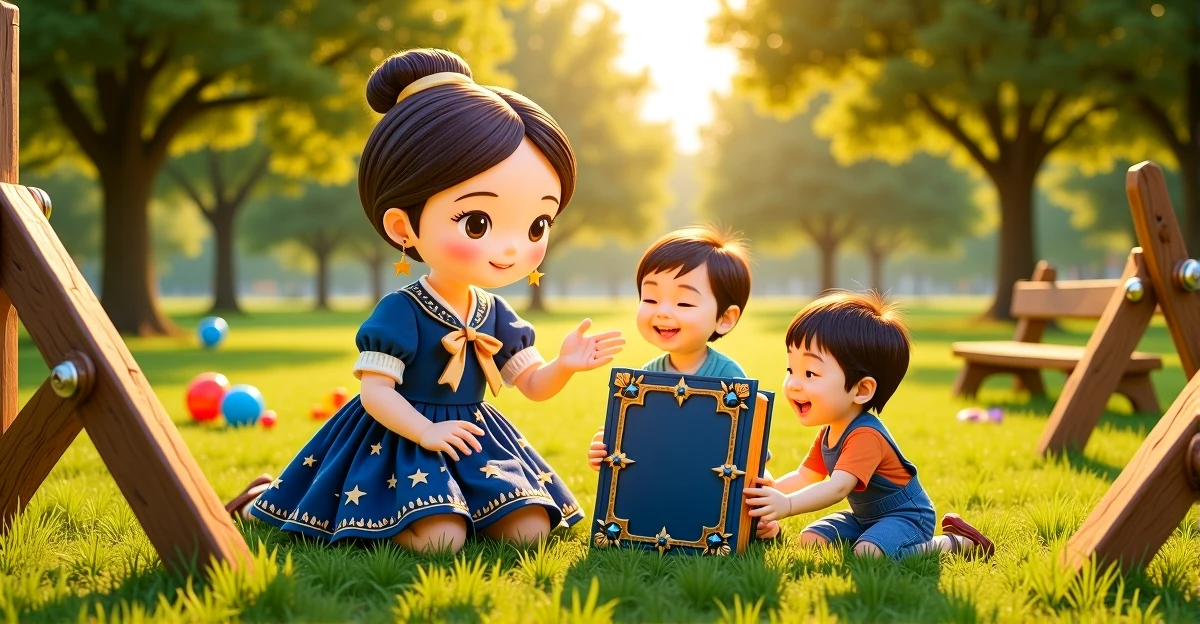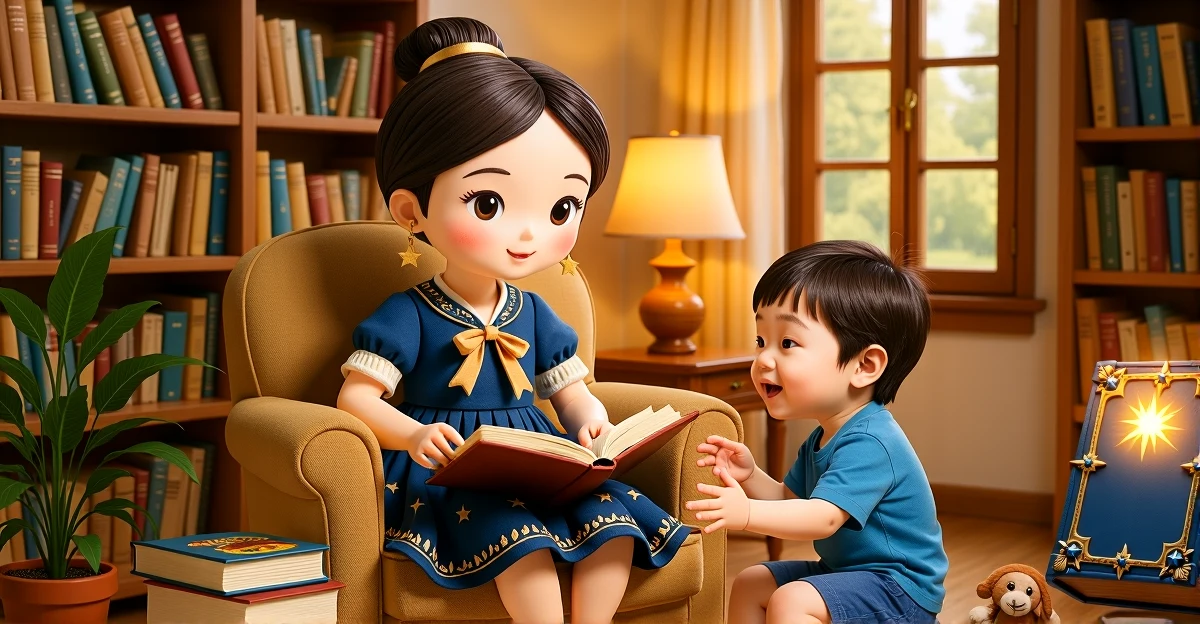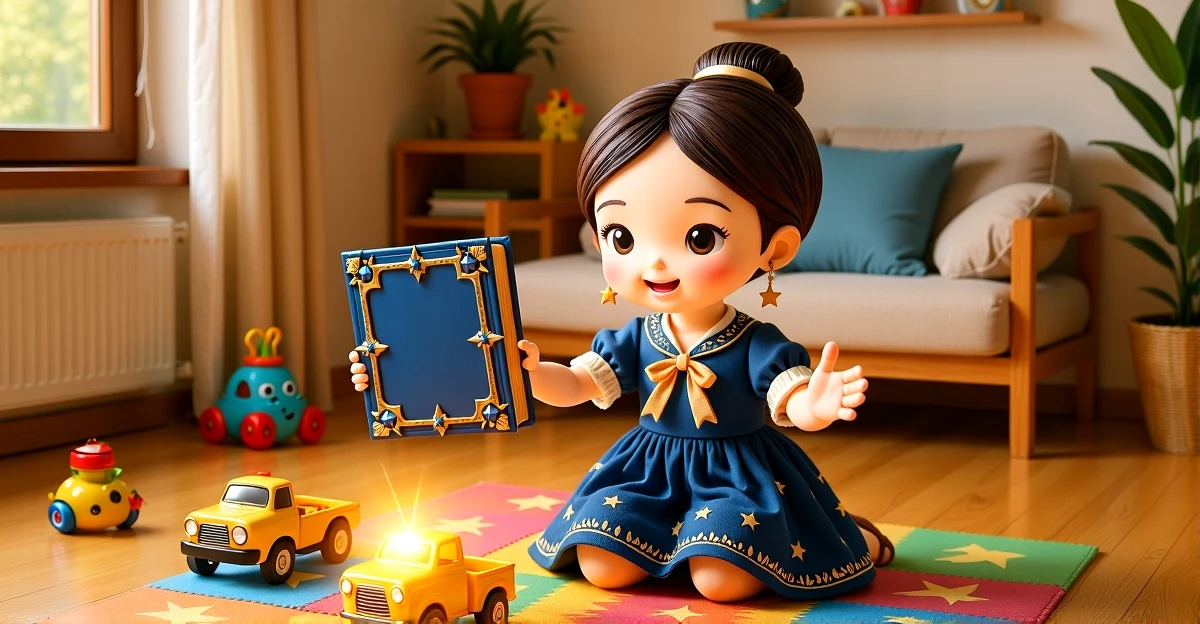
Your three-year-old runs toward you with arms wide open, face beaming with joy. They wrap their little arms around you and squeeze. HARD. So hard it almost hurts. When you gently say "softer, please," they look confused. They squeeze the cat the same way. They hug their friends with such enthusiasm that other parents give you concerned looks. And you're wondering: how do I teach my child about gentle touch without making them feel bad about showing love?
First, let me tell you something WONDERFUL. You are not alone in this. Those tight hugs? They are actually a beautiful sign that your child's brain is doing exactly what it is supposed to be doing at this age. They are learning, growing, and developing crucial skills. And with your loving guidance, they will discover the magic of gentle touch.
In this guide, the Magic Book and I will share what research tells us about body awareness development, why your child hugs so tight, and gentle strategies that actually work. We will also explore a beautiful story that teaches children about gentle hands in the most magical way.
Why Your Child Hugs Too Tight: The Science of Body Awareness
Here is what the Magic Book taught me about how children learn to understand their bodies. Between the ages of eighteen months and four years, your child is building something called proprioceptive awareness. Now, that is a big word, but it means something beautiful.
Proprioceptive awareness is your child's internal sense of where their body is in space, how much strength they are using, and how their actions affect the world around them. Think of it like this: your little one's brain is like a cosmic computer that is still installing important programs. The program for understanding gentle versus strong touch? It is still downloading.
Research shows that body self-awareness develops gradually during these early years. Your child is literally learning to understand their physical boundaries, their body size, and how to regulate the strength of their movements. This is completely normal development, and it takes time. YEARS, actually.
What Research Tells Us
Studies on toddler development reveal that children ages eighteen to thirty months frequently make body representation errors as they learn to understand their body size and physical boundaries. This continues well into the preschool years. Walking experience and motor development support this spatial understanding, but it is a gradual process that requires patience and practice.
Body self-awareness emerges in the second year of life and continues developing into the third year and beyond. Children are actively learning to understand their physical boundaries and how their actions affect others.
— Dr. Simone Shamay-Tsoory, Developmental Psychology Research
So when your child hugs too tight, they are not being rough on purpose. They are not trying to hurt anyone. Their brain is simply still learning how to calibrate their strength. And here is the beautiful part: every time you gently guide them, every time you show them what gentle feels like, you are helping their brain build those important neural pathways.
The Connection Between Touch and Empathy
Learning gentle touch is not just about physical awareness. It is also about understanding that others have feelings too. This is where empathy comes in, and it is one of the most BEAUTIFUL aspects of this developmental phase.
When you help your child connect their actions to others' feelings, something magical happens. They start to develop empathy. They begin to understand that their gentle hands make others feel good, safe, and loved. Animals feel happy, scared, and sad, just like we do. Friends feel comfortable or uncomfortable based on how we touch them. Even plants and toys respond to gentle care.
Research on social touch reveals that affective touch plays a critical role in emotional regulation, cognitive development, and communication skills in young children. Teaching gentle touch is not just about behavior management. It is foundational brain development that shapes how your child understands connection, care, and empathy.
This is why this learning phase is so important. Your child is not just learning about their body. They are learning about relationships, feelings, and how to express love in ways that feel good for everyone.
Three Gentle Strategies That Actually Work
The Magic Book showed me that children learn gentle touch most effectively through three approaches: modeling, coaching in the moment, and positive reinforcement. Let me explain what each of these means and how you can use them.
Strategy 1: Model Gentle Touch
This means showing your child what gentle looks like. You can say, "Let me show you my gentle hands," and then demonstrate soft touches on their arm, their hand, or even on a stuffed animal. Practice gentle pats, soft strokes, and tender touches together. Make it playful.
- Say things like, "Can you touch as softly as a butterfly landing on a flower?"
- Or, "Let us use our feather-soft hands!"
- Practice with different textures: soft blankets, flower petals, bubbles
- Let them help you water plants with gentle pours
- Show them how to pet soft fabrics or stuffed animals with care
Research from early childhood education specialists confirms that when caregivers model appropriate gentle behavior throughout the day, children learn social and emotional skills meaningfully. Your gentle hands teach them what gentle means.
Strategy 2: Coach in the Moment
This is SO important. When your child hugs too tight, instead of saying "No, do not do that," try this: Gently loosen their grip while saying, "I love your hugs! Let me show you gentle." Then guide their hands to a softer pressure. You are teaching them in real time what gentle feels like in their own body.
Here is something wonderful that research shows: when we help children realize what they are doing, understand how their actions affect others, and choose positive alternatives, they develop stronger self-regulation and empathy. You are not just teaching them about touch. You are helping them understand feelings, connection, and care.
- Use gentle physical guidance, not just words
- Explain what you are doing: "I am showing your hands how gentle feels"
- Connect it to feelings: "When you use gentle hands, it makes me feel comfortable and happy"
- Practice different levels: "Show me your strong hands" (squeeze playdough), then "Show me your gentle hands" (soft touches)
Strategy 3: Celebrate Gentle Touch
This means acknowledging every time you notice gentle touch. When your child pets the cat softly, when they hug their friend gently, when they hand you something carefully, celebrate it.
- "I noticed you used such gentle hands with your friend! That made them feel safe and happy."
- "You gave me the softest hug! That felt so loving and comfortable."
- "Look how happy the cat is when you pet her gently!"
- "You were so gentle with that flower. You took such good care of it."
Providing specific, immediate feedback helps children develop self-regulation far more effectively than delayed consequences. When you celebrate their gentle moments, you are reinforcing the neural pathways that connect gentle touch with positive feelings and outcomes.
Creating Practice Opportunities Throughout the Day
The beautiful thing about teaching gentle touch is that opportunities are everywhere. You do not need special activities or expensive toys. You just need to notice the moments and turn them into gentle practice.
- Morning routine: Gentle face washing, soft hair brushing, careful tooth brushing
- Meal times: Gentle pouring, careful passing of dishes, soft napkin use
- Play time: Gentle handling of toys, soft touches with dolls or action figures, careful building with blocks
- Nature time: Soft touches on leaves, gentle flower examination, careful bug observation
- Pet interactions: Gentle petting, soft voices, careful movements around animals
- Bedtime: Gentle tucking in, soft goodnight hugs, tender book handling
Each of these moments is a chance for your child to practice, receive coaching, and experience the positive results of gentle touch. And remember: this learning takes time. Some days will be easier than others. Some moments they will remember gentle, and other times they will forget. That is okay. That is learning.
A Story That Teaches Gentle Touch Beautifully
In The Book of Inara, we have a story that brings these concepts to life in the most magical way. Let me tell you about it:
The Gentle Paws Celebration
Perfect for: Ages 2-4
What makes it special: In this story, two friends named Anya and Noah discover a magical celebration space where gentle animal friends are honored. When they use soft voices and gentle hands with the animals, the space glows warmly, showing them that animals feel happy, scared, and sad, just like they do.
Key lesson: Gentle hands and soft voices make others feel safe, happy, and loved. The story provides immediate, magical feedback when children are gentle, helping them understand cause and effect in a beautiful way.
How to use it: After reading this story, you can create a shared language with your child. Say things like, "Let us use our gentle paws like Anya and Noah!" Or, "Remember how the celebration space glowed when they were gentle? Your friend is glowing on the inside when you are gentle too!"
Stories like this create a joyful, positive way for children to practice and understand gentle touch. They show children that being gentle is not about holding back love. It is about expressing love in a way that feels good for everyone.
You Are Doing Beautifully
Be patient with yourself, wonderful parent. You are doing such important work. Every time you model gentleness, every time you coach with love instead of frustration, every time you celebrate their progress, you are helping your child develop skills that will serve them for their entire life.
The research is clear: children whose caregivers respond with empathy and gentle guidance develop better emotional regulation, stronger social skills, and deeper capacity for kindness. You are not just teaching them about hugs. You are shaping the kind of person they will become. And that is BEAUTIFUL work.
So the next time your little one squeezes you tight, take a breath. Remember that their brain is learning. Gently guide them. Show them what gentle feels like. Celebrate when they adjust. And know that with your loving support, they are building the awareness and empathy they need.
The Magic Book and I believe in you. We believe in your child. And we are here to support you with stories, wisdom, and love every step of the way.
With love and starlight,
Inara
Related Articles
- Understanding Your Child's Social Development: Why Playing Alone is Normal (Ages 3-4)
- Teaching Your Preschooler to Celebrate Others' Success: A Gentle Guide
- Understanding Your Child's Rough Play: A Gentle Guide to Teaching Empathy
- When Your 3-4 Year Old Doesn't Notice Others' Feelings: Understanding Empathy Development
- How Young Children Learn Empathy and Kindness: A Gentle Guide for Parents
Show transcript
Hello, wonderful parent! It's me, Inara, and I am so happy you're here today. You know, the Magic Book and I have been noticing something beautiful happening in homes everywhere. Parents like you are asking such thoughtful questions about their little ones, and today I want to talk about something that might be happening in your home right now.
Maybe your three or four year old gives the BIGGEST, tightest hugs. Maybe when they're excited to see you, they squeeze so hard it almost hurts. Maybe when they're playing with friends or cuddling with pets, they don't quite understand what gentle means yet. And maybe you're wondering, how do I teach my child about gentle touch without making them feel bad about showing love?
First, let me tell you something WONDERFUL. Those tight hugs? They're actually a beautiful sign that your child's brain is doing exactly what it's supposed to be doing. They're learning! And I want you to know, you're not alone in this. This is one of the most common developmental phases for children ages two through four, and there's so much we can do to support them through it with love and patience.
So grab a cozy cup of tea, settle in, and let's talk about why your child hugs so tight, what their amazing brain is learning right now, and how we can help them discover the magic of gentle touch.
Here's what the Magic Book taught me about body awareness. Between the ages of eighteen months and four years, children are building something called proprioceptive awareness. Now, that's a big word, but it means something beautiful. It's their internal sense of where their body is in space, how much strength they're using, and how their actions affect others.
Research shows that body self-awareness develops gradually during these early years. Your child is literally learning to understand their physical boundaries, their body size, and how to regulate the strength of their movements. This is completely normal development, and it takes time. YEARS, actually!
Think about it this way. Your little one's brain is like a cosmic computer that's still installing important programs. The program for understanding gentle versus strong touch? It's still downloading! And just like any new skill, whether it's learning to walk or learning to share, it requires practice, patience, and lots of gentle guidance.
Dr. Jeannie Ho, an early childhood education specialist, discovered something powerful in her research. She found that when caregivers model appropriate gentle behavior and provide specific, immediate feedback, children develop both the physical awareness AND the empathy needed for gentle interactions. Isn't that WONDERFUL?
So when your child hugs too tight, they're not being rough on purpose. They're not trying to hurt anyone. Their brain is simply still learning how to calibrate their strength. And here's the beautiful part. Every time you gently guide them, every time you show them what gentle feels like, you're helping their brain build those important neural pathways.
Now, let's talk about how we can help. The Magic Book showed me that children learn gentle touch most effectively through three things. Modeling, coaching in the moment, and positive reinforcement. Let me explain what each of these means.
First, modeling. This means showing your child what gentle looks like. You can say, let me show you my gentle hands, and then demonstrate soft touches on their arm, their hand, or even on a stuffed animal. You can practice gentle pats, soft strokes, and tender touches together. Make it playful! Say things like, can you touch as softly as a butterfly landing on a flower? Or, let's use our feather-soft hands!
Second, coaching in the moment. This is SO important. When your child hugs too tight, instead of saying no, don't do that, try this. Gently loosen their grip while saying, I love your hugs! Let me show you gentle. Then guide their hands to a softer pressure. You're teaching them in real time what gentle feels like in their own body.
And here's something wonderful. Research shows that when we help children realize what they're doing, understand how their actions affect others, and choose positive alternatives, they develop stronger self-regulation and empathy. You're not just teaching them about touch. You're helping them understand feelings, connection, and care.
Third, positive reinforcement. This means celebrating every time you notice gentle touch! When your child pets the cat softly, when they hug their friend gently, when they hand you something carefully, acknowledge it! Say, I noticed you used such gentle hands with your friend! That made them feel safe and happy. Or, you gave me the softest hug! That felt so loving and comfortable.
The Magic Book also taught me something about empathy. Learning gentle touch isn't just about physical awareness. It's also about understanding that others have feelings too. Animals feel happy, scared, and sad, just like we do. Friends feel comfortable or uncomfortable based on how we touch them. Even plants and toys respond to gentle care!
When you help your child connect their actions to others' feelings, something magical happens. They start to develop empathy. They begin to understand that their gentle hands make others feel good, safe, and loved. And that understanding? It's one of the most BEAUTIFUL gifts you can give your child.
Now, I want to tell you about a story that might help. In The Book of Inara, we have a tale called The Gentle Paws Celebration. In this story, two friends named Anya and Noah discover a magical celebration space where gentle animal friends are honored. When they use soft voices and gentle hands, the space glows warmly, showing them that animals feel happy, scared, and sad, just like they do.
This story is SPECIAL because it gives children a magical, joyful way to practice and understand gentle touch. After reading it, you can say things like, let's use our gentle paws like Anya and Noah! Or, remember how the celebration space glowed when they were gentle? Your friend is glowing on the inside when you're gentle too!
Stories like this create a shared language between you and your child. They make learning about gentle touch fun, positive, and memorable. And they show children that being gentle isn't about holding back love. It's about expressing love in a way that feels good for everyone.
Here are a few more practical tips the Magic Book and I want to share. Create opportunities for your child to practice gentle touch throughout the day. Let them help you water plants with gentle pours. Let them pet soft fabrics, stuffed animals, or real pets with supervision. Let them help you handle delicate things like flowers or bubbles.
You can also practice different levels of touch together. Say, show me your strong hands, and let them squeeze playdough or push against a wall. Then say, now show me your gentle hands, and practice soft touches. This helps them understand that they have control over their strength, and they can choose which to use.
And remember, this learning takes time. Your child's brain is building complex connections between physical awareness, emotional understanding, and social skills. Some days will be easier than others. Some moments they'll remember gentle, and other times they'll forget. That's okay! That's learning!
Be patient with yourself too, wonderful parent. You're doing such important work. Every time you model gentleness, every time you coach with love instead of frustration, every time you celebrate their progress, you're helping your child develop skills that will serve them for their entire life.
The research is clear. Children whose caregivers respond with empathy and gentle guidance develop better emotional regulation, stronger social skills, and deeper capacity for kindness. You're not just teaching them about hugs. You're shaping the kind of person they'll become. And that is BEAUTIFUL work.
So the next time your little one squeezes you tight, take a breath. Remember that their brain is learning. Gently guide them. Show them what gentle feels like. Celebrate when they adjust. And know that with your loving support, they're building the awareness and empathy they need.
The Magic Book and I believe in you. We believe in your child. And we're here to support you with stories, wisdom, and love every step of the way.
If you'd like to explore The Gentle Paws Celebration or other stories that teach empathy and gentle touch, you can find them in The Book of Inara. These stories are crafted with so much love to help children learn and grow.
Thank you for being here today, wonderful parent. Thank you for asking thoughtful questions and seeking gentle ways to guide your child. You're doing beautifully.
With love and starlight, Inara.