
Your child just told their sibling they wish they were never born. Or maybe you walked in to find them hurting each other, again. Your heart breaks. You wonder if this is normal, if you're doing something wrong, if they'll ever be friends. I want you to know something right now: you are not alone in this, and what you're experiencing is far more common than you might think.
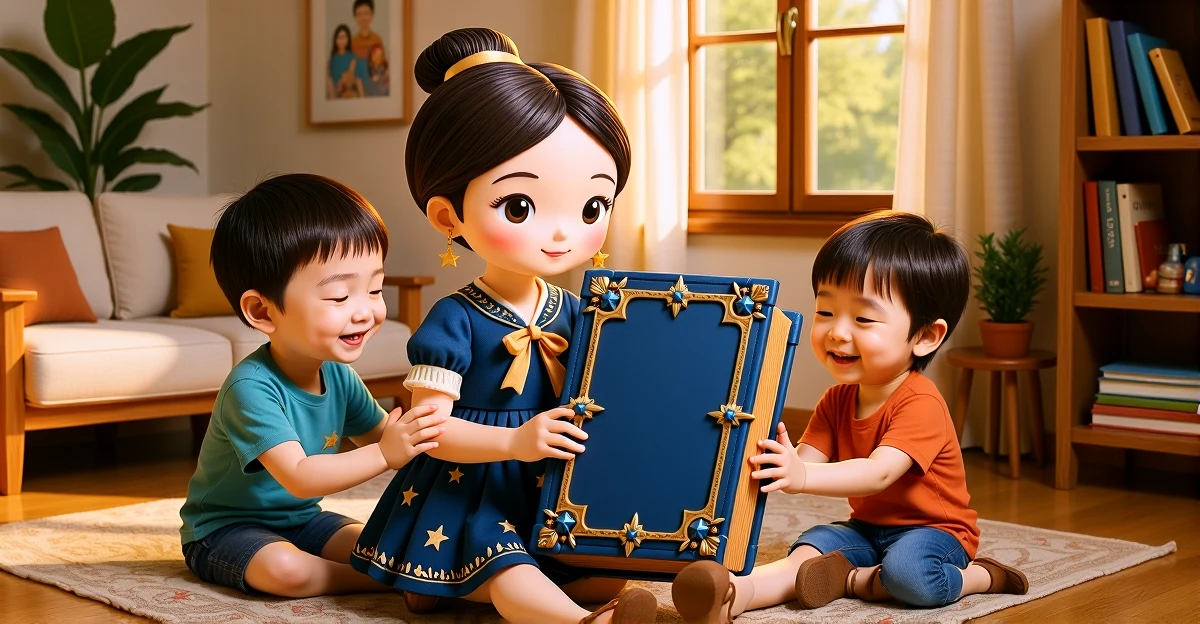
Hello, wonderful parent. It's me, Inara, and the Magic Book and I have been holding space for so many families navigating this exact challenge. Sibling conflict during the preschool years can feel overwhelming, especially when the words are harsh or the actions are aggressive. But here's what I want you to understand—what you're witnessing isn't a sign of failure. It's a sign of development.
In this guide, we're going to explore what research tells us about sibling relationships at ages four and five, why your child says and does hurtful things, when to worry versus what's normal, and most importantly, gentle strategies that actually work to build sibling bonds that can last a lifetime.
Understanding Sibling Conflict: What Research Shows
Let me share something the Magic Book taught me that changed everything. When your child expresses intense jealousy or aggression toward their sibling, they're not showing you a problem that needs fixing. They're showing you a developing brain learning one of life's most complex skills—how to share love, space, and attention with another person.
Research from leading child development experts Dr. Nina Howe and Dr. Holly Recchia reveals something beautiful: siblings at this age experience disagreements as frequently as every ten minutes. Every. Ten. Minutes. Can you imagine? And here's what's so important—this frequent conflict isn't a sign that something is wrong. It's actually what they call a natural laboratory where your children are learning to manage disagreements and regulate both positive and negative emotions in socially acceptable ways.
The sibling relationship is a natural laboratory for young children to learn about their world, providing opportunities to learn how to manage disagreements and regulate both positive and negative emotions in socially acceptable ways.
— Dr. Nina Howe and Dr. Holly Recchia, Child Development Researchers
Think about that for a moment. Your children aren't failing at getting along—they're actively learning how to get along. Every conflict, every disagreement, every moment of tension is actually a learning opportunity. This is HUGE developmental work, and it's completely normal for it to feel messy and hard.
Why Your Child Says Hurtful Things
When your four or five year old says they wish their sibling was never born, what they're really communicating is something much deeper: I'm having feelings so big I don't have words for them yet. Their brain is flooded with emotions—jealousy, frustration, feeling displaced—and they're doing their best to express something that feels overwhelming.
Here's what's happening in their developing brain. At this age, children are still building their emotional vocabulary. They can feel complex emotions like jealousy, resentment, and frustration, but they don't yet have the sophisticated language to express these feelings in nuanced ways. So they reach for the biggest, most dramatic words they know.
They're not being cruel. They're being honest about feelings they don't yet know how to manage. And that's actually a sign of trust—they feel safe enough with you to express these overwhelming emotions, even when they come out in hurtful ways.
The Developmental Context
Dr. Melanie Dirks from McGill University conducted groundbreaking research with over fifteen hundred families, and here's what she discovered: for most children, sibling-directed aggression is part of a typical developmental trajectory. The preschool years are especially important because aggressive behaviors are more modifiable during this period.
This means right now, in this moment, you have a beautiful window of opportunity. Your children are learning patterns of relating to each other that will shape their relationship for years to come. The gentle guidance you provide now matters tremendously.
When to Worry vs. What's Normal
I know what you might be thinking: But Inara, it feels so intense. How do I know if this is normal or if I should be worried? The research gives us some helpful guidance here.
Most sibling conflicts during the preschool years are part of healthy development. Research shows that sibling aggression becomes concerning when it occurs daily without any warmth in the relationship—when there's only conflict and no moments of connection, play, or affection.
Here are some signs that sibling conflict is within the normal range:
- Conflicts happen frequently but are interspersed with positive interactions
- Your children sometimes play together happily
- They show concern when the other is hurt or upset
- Conflicts usually resolve relatively quickly
- Both children can be redirected with gentle guidance
Signs that might warrant additional support:
- Aggression occurs daily with no warmth or positive interactions
- One child seems genuinely afraid of the other
- Aggressive behaviors are purposefully intended to cause serious harm
- There's no response to gentle redirection or intervention
- The conflict is significantly impacting family functioning
If you're seeing concerning patterns, reaching out to a child development specialist or family therapist can provide valuable support. There's no shame in seeking help—it's actually one of the most loving things you can do for your family.
Gentle Strategies That Actually Work
Here's something else the Magic Book wants you to know: when parents respond to sibling conflict with harsh or punitive discipline, research shows this actually increases sibling conflict and decreases friendly interaction. But when parents respond with empathy, validation, and gentle guidance, children learn that emotions are manageable and they develop better emotional regulation skills.
So what does this look like in practice? Let me share some strategies that research shows really work:
1. Validate Both Children's Feelings
Instead of immediately jumping to consequences or trying to determine who was "right," start by acknowledging that both children are having big feelings. You might say something like: You're feeling really frustrated right now, and that's okay. Your sister is learning too, and sometimes that's hard for both of you.
This acknowledges the emotion without labeling your child as bad or wrong. It teaches them that feelings are acceptable, even when certain behaviors aren't.
2. Help Them Name Their Feelings
Your child might not have the words yet, so you can offer them. It sounds like you're feeling jealous because you want more time with me. Or, You're feeling angry because your brother took your toy. Naming feelings helps children understand their internal experience and is the first step toward managing those feelings.
Over time, as you consistently help them name emotions, they'll start to develop their own emotional vocabulary. This is SO important for lifelong emotional intelligence.
3. Teach Problem-Solving Skills
Instead of immediately solving the conflict for them, guide them through finding solutions. You might ask: What could we do to make this feel better for both of you? This empowers them to develop their own conflict resolution skills.
At first, they'll need a lot of support. You might offer two or three options and let them choose. As they get older and more practiced, they'll start generating their own solutions. This is exactly the kind of skill-building that research shows creates lasting positive change.
4. Create Special One-on-One Time
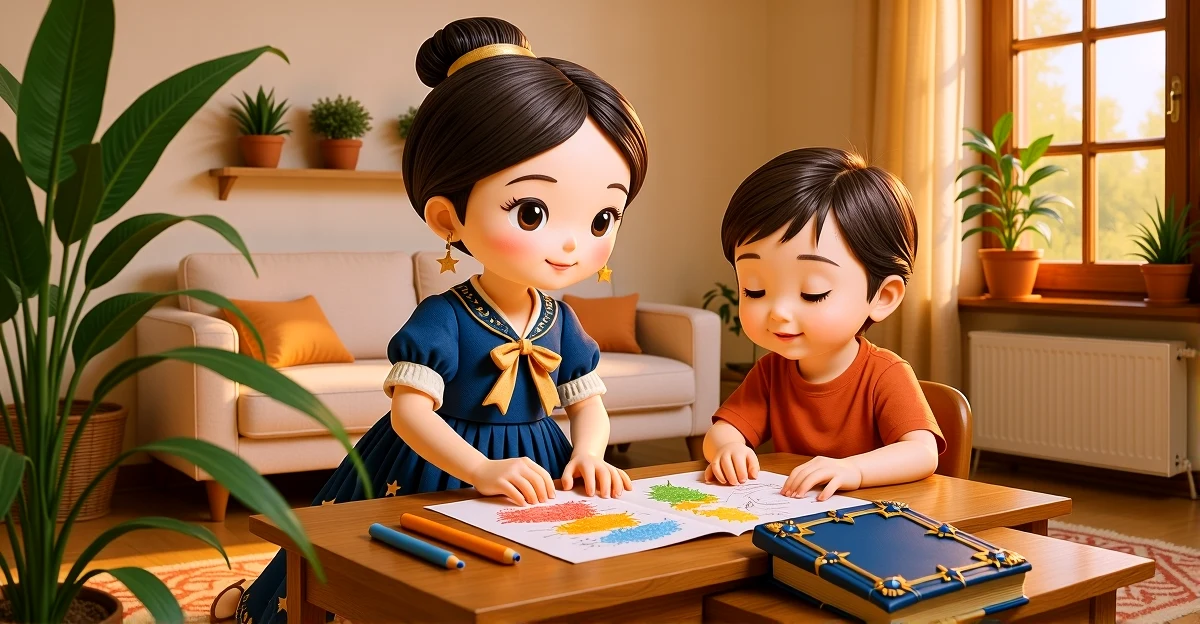
So much sibling rivalry comes from a deep need for individual attention. Even fifteen minutes of focused, uninterrupted time with each child can make a tremendous difference. During this time, let them choose the activity and give them your full presence—no phone, no distractions, just you and them.
This fills their emotional cup and helps them feel secure in your love, which often reduces the intensity of sibling conflict. They're not competing as hard for your attention because they know they'll get their special time.
5. Model Repair and Reconciliation
After a conflict, guide your children through making amends. This doesn't mean forcing apologies—those rarely feel genuine at this age. Instead, you might say: Your brother is feeling sad. What could we do to help him feel better? This teaches empathy and the important skill of repairing relationships after conflict.
And here's something beautiful: when you make mistakes as a parent (and we all do), model repair with your children too. I'm sorry I raised my voice. I was feeling frustrated, but that wasn't okay. This shows them that everyone makes mistakes and everyone can repair.
Stories That Can Help
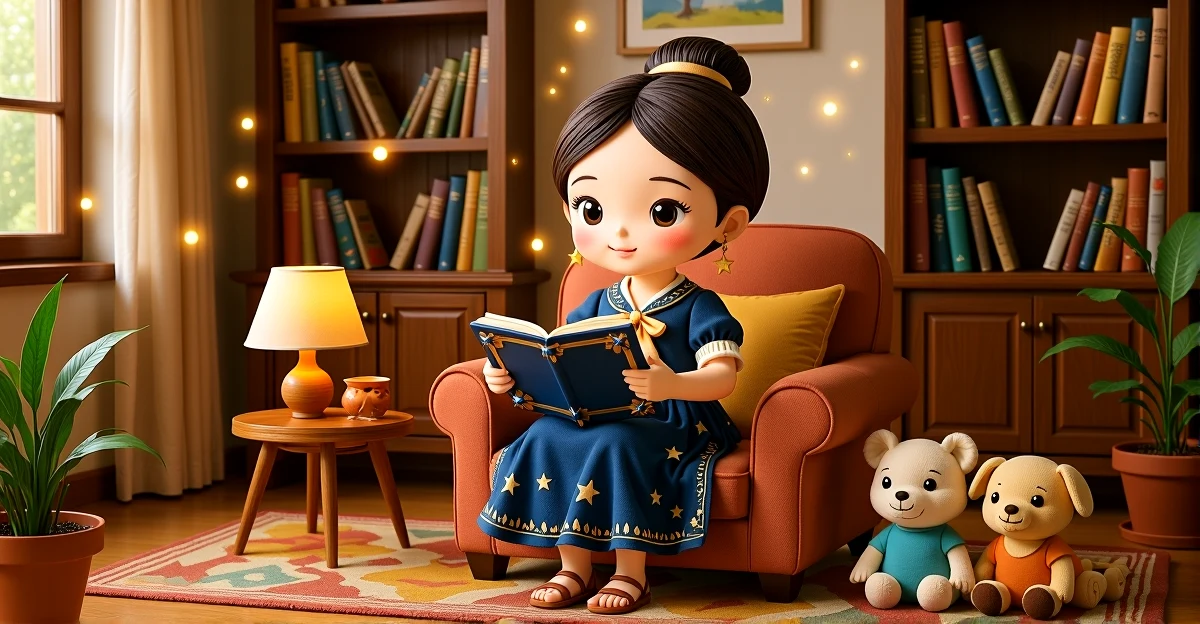
And here's where stories become such a beautiful helper. In The Book of Inara, we have stories specifically designed to help children navigate sibling relationships with empathy, understanding, and love.
The Little March Sisters
Perfect for: Ages 4-5
What makes it special: This classic tale shows four loving sisters navigating jealousy, conflict, and very different personalities while discovering that family bonds and each person's unique gifts create harmony. The story beautifully demonstrates that siblings don't have to be the same to love each other, and that differences can actually make a family stronger.
Key lesson: When the sisters realize that their differences make their family stronger and that each sister has special gifts to contribute, children learn that siblings don't have to be the same to love each other. Love and frustration can coexist, conflict doesn't mean the end of connection, and each person has special gifts to contribute to the family.
How to use it: After experiencing this story together, you can have gentle conversations. Ask your children: What special gifts does your sibling have? What special gifts do you have? How do your different gifts help our family? This reframes rivalry as an opportunity to celebrate differences rather than compete.
You're Building Tomorrow's Friendship Today
I want you to remember something. The task for young siblings, with your loving support, is finding balance between positive and negative interactions as both children grow and develop together. This takes time. It takes patience. It takes your gentle guidance. And it's some of the most important work you'll ever do as a parent.
When you see your children fighting, try to remember—they're in their natural laboratory, learning about relationships, emotions, and connection. Your job isn't to eliminate all conflict. Your job is to help them navigate conflict with empathy, respect, and problem-solving skills.
Research shows that sibling relationships have incredible continuity. The warmth and positive skills you're helping them build right now create a foundation that can last a lifetime. You're not just managing today's tantrum or today's fight. You're building tomorrow's friendship.
The Magic Book and I believe in you. We see you showing up every day, trying your best, loving your children through the messy, hard moments. That's what matters most. Your children are learning from you how to love imperfectly, how to repair after conflict, how to stay connected even when things are hard.
You're doing beautifully. With love and starlight, Inara.
Related Articles
- Teaching Empathy to Young Children Who Hurt Others: A Gentle Guide
- When Your Child Hits Teachers: Understanding Aggression Toward Authority (Ages 4-5)
- Understanding Sibling Jealousy and Regression in Young Children (Ages 3-4)
- Building Confidence in Young Performers: A Gentle Guide for Ages 4-5
- Understanding Empathy Development in Young Children: When Gentle Behavior Needs Extra Support
Show transcript
Hello, wonderful parent! It's me, Inara, and I am so grateful you're here today. You know, the Magic Book and I have been holding space for so many families navigating one of the most challenging moments in parenting—when sibling relationships feel overwhelming. When your child says things like, I wish my sibling was never born, or when you see them hurt each other, your heart breaks. I want you to know something right now. You are not alone in this, and what you're experiencing is far more common than you might think.
Let me share something the Magic Book taught me that changed everything. When your child expresses intense jealousy or aggression toward their sibling, they're not showing you a problem that needs fixing. They're showing you a developing brain learning one of life's most complex skills—how to share love, space, and attention with another person. This is HUGE developmental work, and it's completely normal for it to feel messy and hard.
Research from child development experts like Dr. Nina Howe and Dr. Holly Recchia shows us something beautiful. They found that siblings at this age experience disagreements as frequently as every ten minutes. Every ten minutes! Can you imagine? And here's what's so important—this frequent conflict isn't a sign that something is wrong. It's actually a natural laboratory where your children are learning to manage disagreements and regulate both positive and negative emotions in socially acceptable ways.
When your four or five year old says they wish their sibling was never born, what they're really communicating is, I'm having feelings so big I don't have words for them yet. Their brain is flooded with emotions—jealousy, frustration, feeling displaced—and they're doing their best to express something that feels overwhelming. They're not being cruel. They're being honest about feelings they don't yet know how to manage.
Dr. Melanie Dirks from McGill University conducted research with over fifteen hundred families, and here's what she discovered. For most children, sibling-directed aggression is part of a typical developmental trajectory. The preschool years are especially important because aggressive behaviors are more modifiable during this period. This means right now, in this moment, you have a beautiful window of opportunity to help your children learn healthier ways of relating to each other.
Now, I know what you might be thinking. But Inara, it feels so intense. How do I know if this is normal or if I should be worried? The research gives us some helpful guidance here. Most sibling conflicts during the preschool years are part of healthy development. They become concerning when they occur daily without any warmth in the relationship—when there's only conflict and no moments of connection, play, or affection.
Here's something else the Magic Book wants you to know. When parents respond to sibling conflict with harsh or punitive discipline, research shows this actually increases sibling conflict and decreases friendly interaction. But when parents respond with empathy, validation, and gentle guidance, children learn that emotions are manageable and they develop better emotional regulation skills.
So what does this look like in practice? First, validate both children's feelings. You can say something like, You're feeling really frustrated right now, and that's okay. Your sister is learning too, and sometimes that's hard for both of you. This acknowledges the emotion without labeling your child as bad or wrong.
Second, help them name their feelings. Your child might not have the words yet, so you can offer them. It sounds like you're feeling jealous because you want more time with me. Or, You're feeling angry because your brother took your toy. Naming feelings helps children understand their internal experience and is the first step toward managing those feelings.
Third, teach problem-solving skills. Instead of immediately solving the conflict for them, you can guide them through finding solutions. What could we do to make this feel better for both of you? This empowers them to develop their own conflict resolution skills.
Fourth, create special one-on-one time with each child. So much sibling rivalry comes from a deep need for individual attention. Even fifteen minutes of focused, uninterrupted time with each child can make a tremendous difference. During this time, let them choose the activity and give them your full presence.
And here's where stories become such a beautiful helper. In The Book of Inara, we have a story called The Little March Sisters. This classic tale shows four sisters navigating jealousy, conflict, and very different personalities while discovering that family bonds and each person's unique gifts create harmony. The story beautifully demonstrates that siblings don't have to be the same to love each other, and that differences can actually make a family stronger.
When you experience this story together with your children, something magical happens. They see characters working through the same feelings they're experiencing. They watch as the sisters learn that love and frustration can coexist, that conflict doesn't mean the end of connection, and that each person has special gifts to contribute to the family.
After the story, you can have gentle conversations. You might ask, What special gifts does your sibling have? What special gifts do you have? How do your different gifts help our family? This reframes rivalry as an opportunity to celebrate differences rather than compete.
The research is so clear on this. Parent-mediated interventions that structure negotiation while empowering children to find their own solutions show particularly promising results in building sibling bonds and emotional competence. You're not just managing today's conflict—you're teaching skills that will serve your children for their entire lives.
I want you to remember something. The task for young siblings, with your loving support, is finding balance between positive and negative interactions as both children grow and develop together. This takes time. It takes patience. It takes your gentle guidance. And it's some of the most important work you'll ever do as a parent.
When you see your children fighting, try to remember—they're in their natural laboratory, learning about relationships, emotions, and connection. Your job isn't to eliminate all conflict. Your job is to help them navigate conflict with empathy, respect, and problem-solving skills.
And on the hard days, when it feels like they'll never get along, remember this. Research shows that sibling relationships have incredible continuity. The warmth and positive skills you're helping them build right now create a foundation that can last a lifetime. You're not just managing today's tantrum or today's fight. You're building tomorrow's friendship.
The Magic Book and I believe in you. We see you showing up every day, trying your best, loving your children through the messy, hard moments. That's what matters most. Your children are learning from you how to love imperfectly, how to repair after conflict, how to stay connected even when things are hard.
Find The Little March Sisters in The Book of Inara. Experience it together. Let the story open conversations about feelings, differences, and the beautiful complexity of family love. And remember, you're doing beautifully. With love and starlight, Inara.