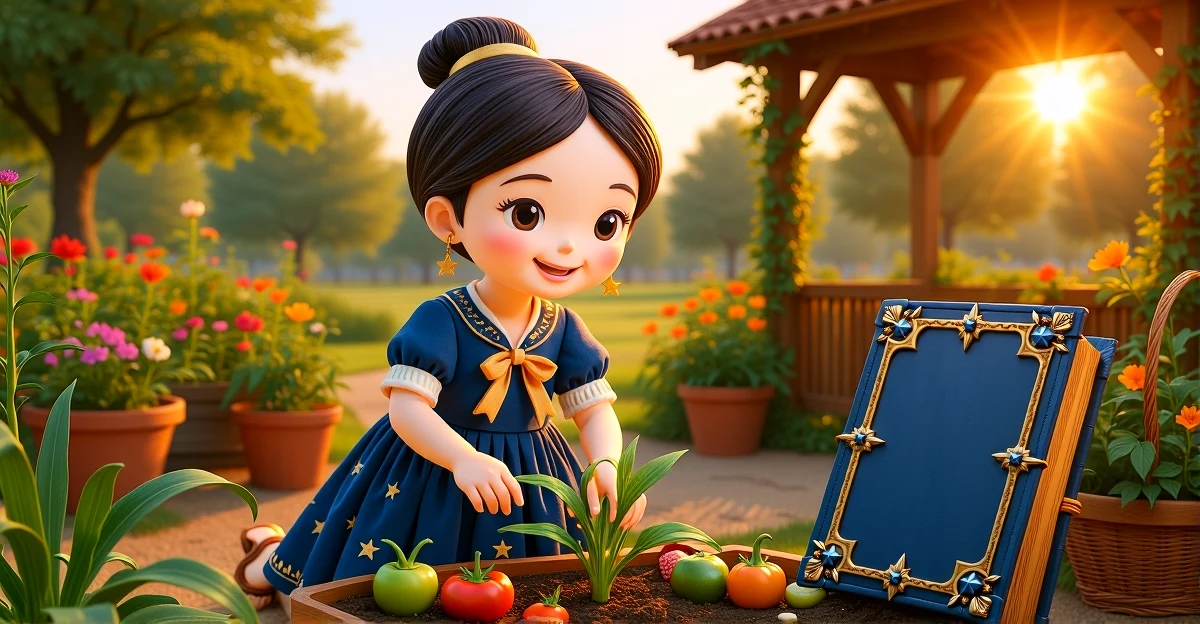

Maybe you've noticed that your child tosses things in the trash without a second thought. Or walks past litter on the ground without seeming to care. Perhaps you've tried explaining about pollution or taking care of nature, and it feels like the message just isn't landing.
If that's you, I want you to take a deep breath. Because I have something WONDERFUL to share with you.
Your child isn't uncaring. They're not indifferent. What's actually happening is that their beautiful, developing brain is in the perfect window for learning environmental stewardship, and they're waiting for you to show them how. In this post, I'll share what the research tells us about how young children develop environmental awareness, and practical ways you can nurture your child's natural capacity to become an Earth guardian.
The Critical Window: Ages 5-6 and Environmental Identity
Here's something that might surprise you: research shows that ages five and six represent a critical developmental window where environmental identity and values begin to form. This isn't too early. It's actually the PERFECT time.
Dr. Nicole Ardoin and Dr. Alison Bowers, leading researchers in environmental education, conducted a comprehensive systematic review of early childhood environmental education programs. Their findings are remarkable: children ages 4-6 are the most studied age group for environmental education, representing a critical transition into formal schooling and environmental value formation.
But here's the key insight that changes everything: young children don't learn about caring for the Earth through lectures or warnings about what might happen in the future. Their brains aren't developmentally ready for abstract concepts like climate change or long-term consequences.
Instead, they learn through direct, hands-on experiences with nature. When they plant a seed and watch it grow, when they feed birds and see them return, when they help pick up trash at the park and notice how much prettier it looks—that's when environmental awareness blooms in their hearts.
How Young Children Learn Environmental Responsibility
The research reveals something beautiful about how environmental values develop in young children. It's not through fear or guilt. It's through connection, action, and seeing real results.
Time in Nature-Rich Settings
Systematic reviews of early childhood environmental education show that programs emphasizing time in nature-rich settings produce the strongest outcomes. This doesn't mean you need to live near a forest or have a big backyard. Even small nature experiences matter.
A community garden. A bird feeder outside your window. A potted plant your child cares for. These simple connections to living things create the foundation for environmental stewardship.
Opportunities for Action-Taking
The second critical element is giving children opportunities to take action. Not someday action. Not when-you're-older action. Real action, right now.
When your five or six-year-old helps you sort recycling, they're not just learning which bin is which. They're learning that their actions matter. That they have power to make a difference. That caring for the Earth is something they can DO, not just something they should worry about.
Young children can actively contribute to their socio-ecological communities through stewardship activities. They're not too young. They're not incapable. They're ready to be Earth guardians, right now, in age-appropriate ways.
— Frontiers in Psychology Research Team
Why This Age Is So Special
Here's what makes ages five and six such a powerful window for environmental education: when children's environmental interests are validated and celebrated by the adults they love, those values stick. They persist into adulthood.
The child who helps you water the garden at age five becomes the teenager who starts a composting program at school, becomes the adult who makes environmentally conscious choices naturally. The seeds you plant now—both literal and metaphorical—grow into lifelong patterns of environmental responsibility.
Research from the British Ecological Society shows that nature connection in childhood promotes care for the environment through direct experience and discovery. Adults can support environmental awareness by celebrating children's accomplishments in nature and using language that promotes ecological awareness.
Practical Ways to Nurture Earth Guardians
So how do you actually do this? How do you teach environmental responsibility when your child seems more interested in playing with toys than saving the planet?
The answer is simpler than you might imagine. You don't need to turn every moment into a teaching opportunity. You don't need to lecture or worry or push. You just need to invite them into caring actions with you.
Start a Small Garden Together
It doesn't have to be elaborate. A few containers on a balcony. A small patch in the yard. Even a single potted plant on a windowsill.
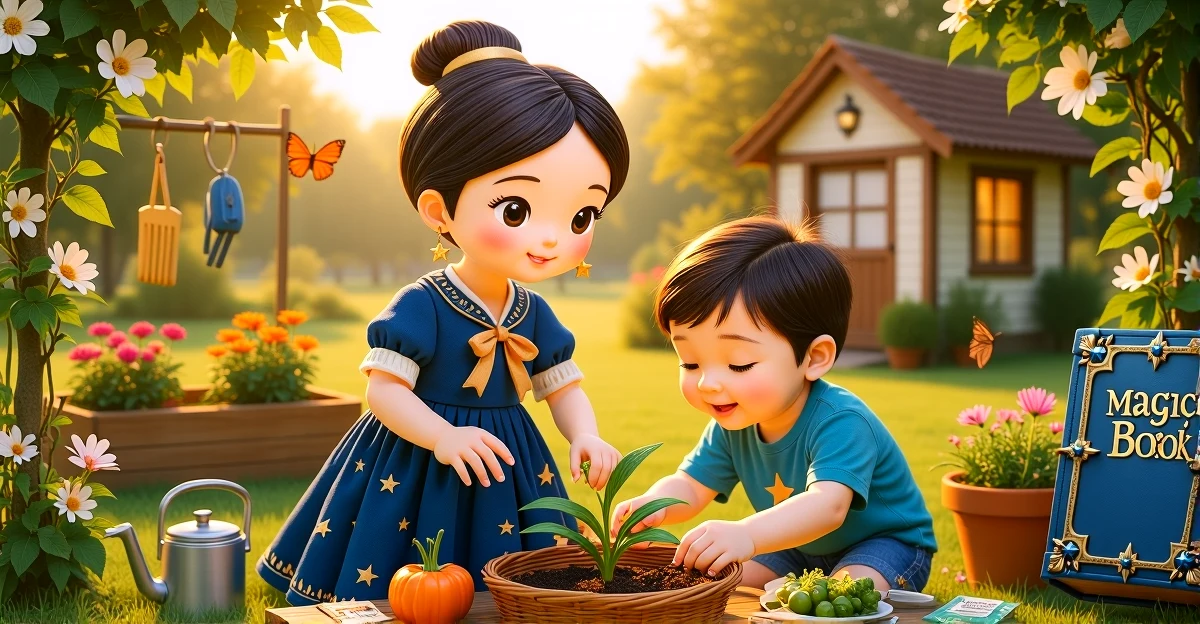
Let your child choose what to plant. Give them responsibility for watering. Celebrate when the first sprout appears. Notice together how the plant responds to their care. This simple act teaches SO much: that living things need care, that consistent attention makes a difference, that they have the power to help something grow.
Create Nature Connection Rituals
Take regular nature walks and bring a small bag for collecting litter. Make it a treasure hunt—how many pieces can we find? Count them together. Notice how much better the path looks when you're done.
Feed the birds. Watch them together. Learn their names. Notice when they come back. Your child will start to feel connected to these creatures, and connection is the root of all caring.
Practice Nature Gratitude
On your walks, pause to appreciate things together. Thank the trees for their shade. Notice the beauty of wildflowers. Express wonder at the complexity of an anthill.
When children learn to see nature as something worthy of gratitude and appreciation, caring for it becomes natural. Not a chore. Not a duty. A joy.
Make Environmental Care Visible
Let your child see the results of their caring actions. When you recycle together, talk about how those materials will become new things. When you pick up litter, notice how much prettier the space looks. When you water plants, watch them perk up.
Young children need to see that their care makes a real difference. That's what transforms abstract concepts into lived values.
A Story That Shows This Beautifully
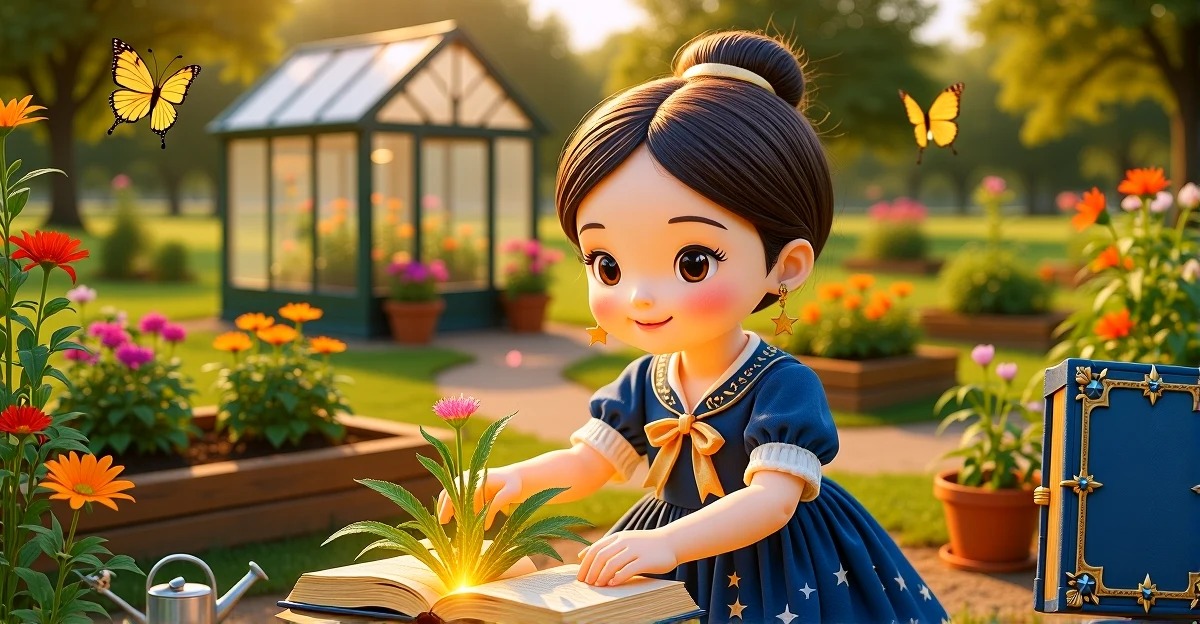
In The Book of Inara, we have a story that captures this truth perfectly:
The Garden That Remembers Kindness
Perfect for: Ages 6-7 (also wonderful for 5-6 year olds)
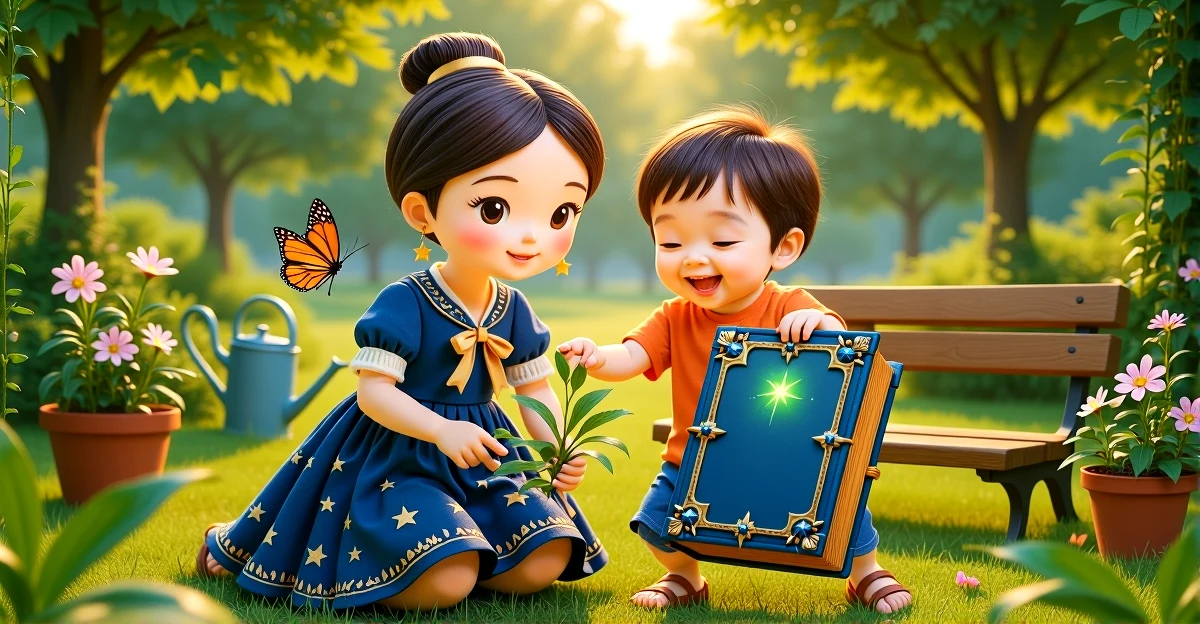
What makes it special: Rumi and Freya discover a neglected community garden where the plants look wilted and sad, forgotten by the neighborhood. But when they begin expressing genuine gratitude for each small sign of life—thanking a struggling tomato plant for trying so hard to grow, appreciating a sunflower for reaching toward the light—something magical happens. The garden responds. Leaves brighten. Flowers bloom unexpectedly.
Key lesson: Through their gentle care and appreciation, Rumi and Freya learn that small acts of environmental kindness create real, visible change. They discover that their caring actions matter, that nature responds to love and attention. This story isn't just fantasy—it's truth wrapped in magic. Because when your child cares for a plant, when they feed a bird, when they pick up litter, they DO see results. The plant grows. The bird returns. The park looks beautiful.
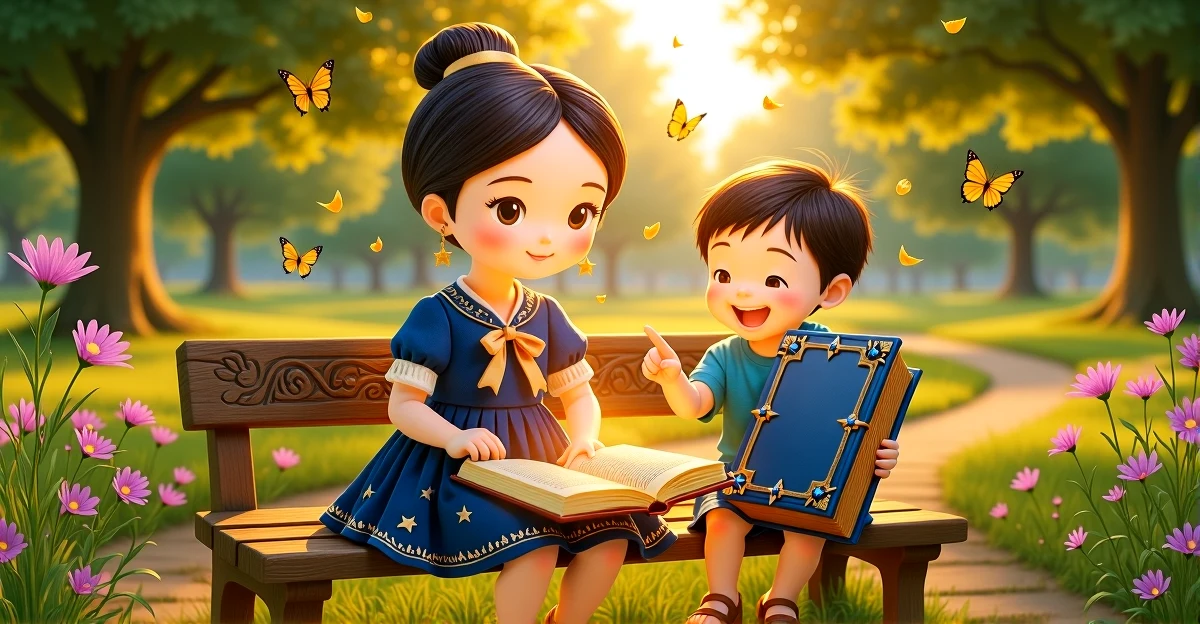
After you read this story together, you might start a small garden project. Or adopt a houseplant that becomes your child's responsibility. Let them see how their consistent care makes a difference, just like Rumi and Freya discovered.
You're Raising an Earth Guardian
The research is clear, and the Magic Book confirms it: ages five and six are not too young for environmental responsibility. They're the PERFECT age. This is when environmental identity forms. This is when values take root.
Your child is ready to be an Earth guardian. They're waiting for you to show them how. And the beautiful truth is, you don't need to be perfect. You don't need to have all the answers. You just need to invite them into caring actions with you, celebrate their efforts, and let them see that their care makes a real difference.
Start small. Start today. Plant a seed. Feed a bird. Pick up litter together. Express gratitude for nature's beauty. Read The Garden That Remembers Kindness and talk about how Rumi and Freya's care transformed the garden.
And watch as your child's natural capacity for wonder and caring blossoms into genuine environmental stewardship.
You're doing beautifully, my wonderful friend. The Magic Book and I are always here for you.
With love and starlight,
Inara
Related Articles
- When Screen Time Ends in Meltdowns: Understanding Your Child's Brain and What Actually Helps (Ages 5-6)
- When Your Child Feels Invisible: Understanding Social Isolation and the Gentle Path to Friendship
- Teaching Financial Wisdom to Your 5-6 Year Old: A Gentle Guide to Money and Economics
- Raising Environmental Leaders: How to Nurture Your Child's Love of Nature
- Supporting Your Child's Social Awareness Development: A Gentle Guide
Show transcript
Hello, wonderful parent. I'm Inara, and I want to talk with you today about something that might be weighing on your heart. Maybe you've noticed that your child doesn't seem to care when they see litter on the ground, or they toss things in the trash without thinking about recycling. Maybe you've tried to explain about pollution or taking care of nature, and it feels like the message just isn't landing.
If that's you, I want you to take a deep breath, because I have something WONDERFUL to share with you.
Your child isn't uncaring. They're not indifferent. What's actually happening is that their beautiful, developing brain is in the perfect window for learning environmental stewardship, and they're waiting for you to show them how.
Let me explain what the research tells us, and then I'll share a story from the Magic Book that shows this beautifully.
Dr. Nicole Ardoin and Dr. Alison Bowers are leading researchers in environmental education, and their work has shown something remarkable. Children ages five and six are in a critical developmental window where environmental identity begins to form. This is the age when the seeds of lifelong environmental values are planted.
But here's the key—young children don't learn about caring for the Earth through lectures or warnings about what might happen in the future. Their brains aren't developmentally ready for abstract concepts like climate change or long-term consequences.
Instead, they learn through direct, hands-on experiences with nature. When they plant a seed and watch it grow, when they feed birds and see them return, when they help pick up trash at the park and notice how much prettier it looks—that's when environmental awareness blooms in their hearts.
The research shows that early childhood environmental education programs work best when they emphasize two things: time in nature-rich settings, and opportunities for children to take action. Not someday action. Not when-you're-older action. Real action, right now.
When your five or six-year-old helps you sort recycling, they're not just learning which bin is which. They're learning that their actions matter. That they have power to make a difference. That caring for the Earth is something they can DO, not just something they should worry about.
And here's what makes this age so special—when children's environmental interests are validated and celebrated by the adults they love, those values stick. They persist into adulthood. The child who helps you water the garden at age five becomes the teenager who starts a composting program at school, becomes the adult who makes environmentally conscious choices naturally.
But I know what you might be thinking. How do I teach environmental responsibility when my child seems more interested in playing with toys than saving the planet?
The answer is simpler than you might imagine. You don't need to turn every moment into a teaching opportunity. You don't need to lecture or worry or push.
You just need to invite them into caring actions with you.
Start a small container garden together. Let them choose what to plant. Give them responsibility for watering. Celebrate when the first sprout appears. Notice together how the plant responds to their care.
Take nature walks and bring a small bag for collecting litter. Make it a treasure hunt—how many pieces can we find? Count them together. Notice how much better the path looks when you're done.
Feed the birds. Watch them together. Learn their names. Notice when they come back. Your child will start to feel connected to these creatures, and connection is the root of all caring.
The Frontiers in Psychology research team discovered something beautiful—young children can actively contribute to their socio-ecological communities through stewardship activities. They're not too young. They're not incapable. They're ready to be Earth guardians, right now, in age-appropriate ways.
And this is where I want to tell you about a story from the Magic Book that shows this so beautifully.
It's called The Garden That Remembers Kindness, and it's about two friends named Rumi and Freya who discover a neglected community garden. The plants look wilted and sad, forgotten by the neighborhood.
But when Rumi and Freya begin expressing genuine gratitude for each small sign of life—thanking a struggling tomato plant for trying so hard to grow, appreciating a sunflower for reaching toward the light—something magical happens. The garden responds. Leaves brighten. Flowers bloom unexpectedly.
Through their gentle care and appreciation, Rumi and Freya learn that small acts of environmental kindness create real, visible change. They discover that their caring actions matter, that nature responds to love and attention.
This story isn't just fantasy, my friend. It's truth wrapped in magic. Because when your child cares for a plant, when they feed a bird, when they pick up litter—they DO see results. The plant grows. The bird returns. The park looks beautiful.
And in those moments, they're learning the most important environmental lesson of all: I can make a difference. My actions matter. The Earth responds to my care.
After you read this story together, you might start a small garden project. Or adopt a houseplant that becomes your child's responsibility. Let them see how their consistent care makes a difference, just like Rumi and Freya discovered.
You might also create a nature gratitude practice. On your walks, pause to appreciate things together. Thank the trees for their shade. Notice the beauty of wildflowers. Express wonder at the complexity of an anthill.
When children learn to see nature as something worthy of gratitude and appreciation, caring for it becomes natural. Not a chore. Not a duty. A joy.
The research is clear, and the Magic Book confirms it—ages five and six are not too young for environmental responsibility. They're the PERFECT age. This is when environmental identity forms. This is when values take root.
Your child is ready to be an Earth guardian. They're waiting for you to show them how. And the beautiful truth is, you don't need to be perfect. You don't need to have all the answers. You just need to invite them into caring actions with you, celebrate their efforts, and let them see that their care makes a real difference.
Start small. Start today. Plant a seed. Feed a bird. Pick up litter together. Express gratitude for nature's beauty. Read The Garden That Remembers Kindness and talk about how Rumi and Freya's care transformed the garden.
And watch as your child's natural capacity for wonder and caring blossoms into genuine environmental stewardship.
You're raising an Earth guardian, my wonderful friend. And you're doing it beautifully.
The Magic Book and I are always here for you. Until our next adventure together.