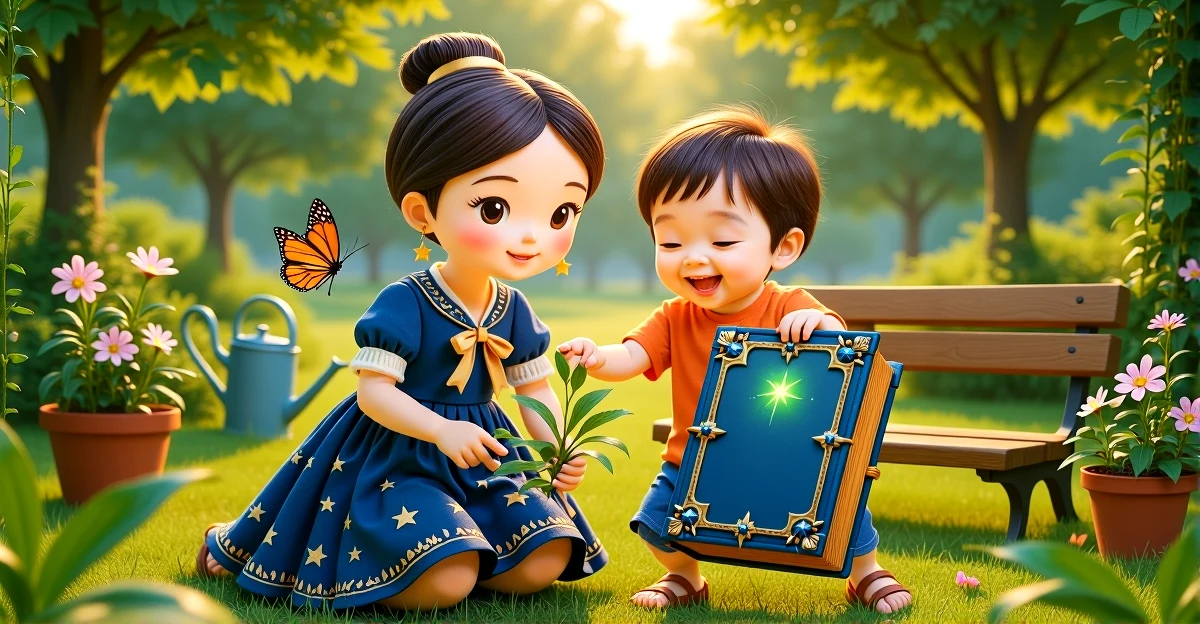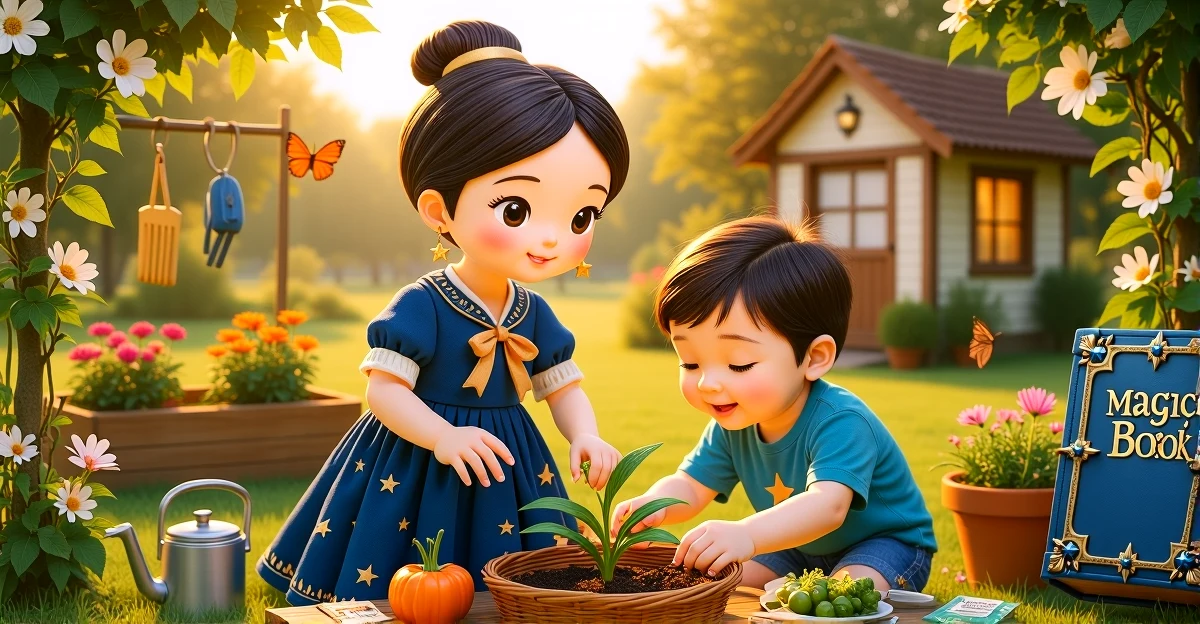

Your four-year-old stops mid-walk to watch an ant carry a crumb. Your five-year-old asks why the flowers need water. These small moments of wonder are actually something profound happening. Your child is beginning to understand their connection to the natural world.
If you're wondering how to nurture this curiosity into genuine environmental awareness and responsibility, you're asking one of the most beautiful questions a parent can ask. And I want you to know something wonderful: you're already on the right path simply by caring about this.
In this guide, we'll explore research-backed ways to help your child develop a loving relationship with nature during these critical years. You'll discover why ages 4-5 are the perfect time for environmental learning, how to start with wonder instead of worry, and gentle activities that make caring for the earth joyful rather than overwhelming.
Why Ages 4-5 Are the Perfect Time for Environmental Awareness
Here's something that might surprise you: research from Stanford University shows that ages four and five represent an ideal window for building environmental awareness. This isn't too early, my friend. This is exactly when your child's heart is most open to falling in love with the natural world.
A comprehensive systematic review analyzing 66 studies found that 82 percent of early childhood environmental education programs showed positive outcomes. That means when we introduce children to nature with wonder and care, beautiful things happen. They don't just learn about the environment - they develop deeper connections to it.
What makes this age so special? Your child's imagination is blooming like a garden in spring. When they see a butterfly, they don't just see an insect. They see magic. When they touch soil, they're not thinking about dirt - they're discovering a whole universe of possibility.
Building Environmental Identity
The research tells us something else that's really important. Environmental learning at this age isn't about teaching children to worry. It's about helping them wonder. It's about building what experts call environmental identity, which is just a fancy way of saying: helping your child feel connected to nature as part of who they are.
Dr. Nicole Ardoin and Dr. Alison Bowers from Stanford University discovered something beautiful in their research. They found that early childhood environmental education encourages young children to explore the environment, build self-confidence, make social connections, and develop frameworks for understanding the natural world. All of this lays the groundwork for taking action to protect the environment later.
ECEE encourages young children affectively, in terms of exploring the environment, bolstering their sense of self-confidence, and making social connections with each other; developing cognitive frameworks for understanding the natural world; and laying the groundwork for skills and dispositions related to taking action to improve and protect the environment.
— Dr. Nicole Ardoin and Dr. Alison Bowers, Stanford University
What Research Shows About Early Environmental Education
The evidence is so encouraging. Studies show that effective environmental education programs for young children combine time in nature-rich settings with caring adults who serve as guides and companions. That's YOU, my friend. You don't need to be an expert botanist or environmental scientist. You just need to be present, curious, and willing to explore alongside your child.
The North American Association for Environmental Education emphasizes that environmental education in early childhood is a holistic concept that encompasses knowledge of the natural world, as well as emotions, dispositions, and skills. You're not just teaching facts. You're nurturing a relationship.
The Power of Nature-Rich Experiences
Research demonstrates that 83 percent of effective early childhood environmental education programs include time outside in nature-rich settings. But here's what's beautiful: you don't need a forest or a mountain. A backyard, a park, a community garden, even a single potted plant on a windowsill can become a gateway to environmental awareness.
Children ages 4-5 who participate in nature-rich learning experiences develop stronger environmental attitudes and behaviors that persist into adulthood. These aren't just activities, my friend. They're building blocks for a lifetime of caring.
Gentle Ways to Nurture Environmental Awareness
So what does this look like in real life? Let me share some gentle, joyful ways to nurture environmental awareness that feel natural and fun for both you and your child.
Start With Wonder, Not Worry
This is SO important. Your child doesn't need lectures about climate change or pollution. Not yet. What they need is to experience the joy of being part of nature.
Take your child outside and simply notice things together. Look at the clouds and wonder aloud what shapes they make. Listen to bird songs and try to count how many different calls you hear. Feel the bark of different trees and talk about the textures. Watch ants working together and marvel at their teamwork.
These small moments of wonder are building your child's environmental identity, one experience at a time.
Give Them Opportunities to Care for Living Things
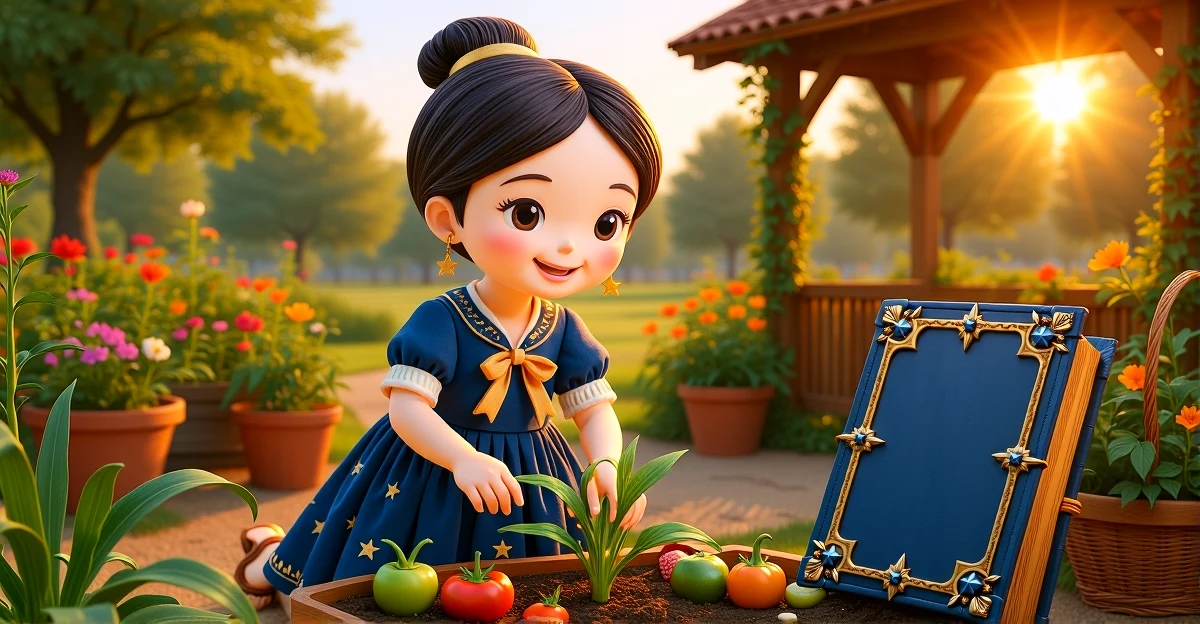
Research shows that young children who participate in environmental actions like planting, caring for plants, and protecting nature develop stronger environmental attitudes that last into adulthood.
This could be as simple as:
- Watering a plant together and watching it grow over weeks and months
- Filling a bird feeder and observing which birds visit
- Tending a small garden, even just a few pots on a balcony
- Caring for a worm bin and learning about decomposition
- Collecting rainwater to use for watering plants
When children care for something and watch it thrive because of their gentle actions, they learn that they matter. They learn stewardship through doing, not through being told.
Make It Hands-On and Playful
Environmental awareness doesn't come from keeping nature at a distance. It comes from getting close, getting messy, and getting curious.
Let them dig in the dirt. Let them collect leaves and rocks and create nature art. Let them splash in puddles and watch worms wiggle. Let them plant seeds and get soil under their fingernails. Let them lie on the grass and watch clouds drift by.
These sensory experiences create emotional connections that last far longer than any lesson could.
Use Language That Teaches Respect
The way we talk about nature matters. Instead of saying "don't step on that bug," try "let's watch where we walk so the bugs can go about their day." Instead of "don't pick the flowers," try "let's leave the flowers here so the bees can visit them and other people can enjoy their beauty too."
This language shift is so important. It teaches your child that we share the world with other living things, and we can make choices that help everyone thrive.
Model Environmental Care in Everyday Life
Your child is watching you. When you turn off the water while brushing teeth, when you choose to walk instead of drive, when you recycle or compost, when you express wonder at a beautiful sunset - they're learning.
You don't need to be perfect. You just need to be intentional about showing that caring for the environment is part of how your family lives.
The Connection Between Environmental Awareness and Whole Child Development
Here's something beautiful that the research reveals: when children spend time in nature-rich settings with caring adult guides, they develop not just environmental literacy, but also enhanced cognitive, social, emotional, and physical skills.
Environmental awareness supports your child's whole development. It teaches:
- Responsibility: Caring for plants and animals teaches that actions have consequences
- Empathy: Understanding that other living things have needs builds compassion
- Patience: Watching seeds grow teaches that good things take time
- Observation skills: Noticing changes in nature sharpens attention to detail
- Problem-solving: Figuring out what a plant needs to thrive builds critical thinking
- Wonder and curiosity: Nature is endlessly fascinating and mysterious
This holistic approach lays the groundwork for lifelong environmental responsibility while supporting overall healthy development during these formative years.
A Story That Brings This to Life
In The Book of Inara, we have a beautiful story that shows environmental stewardship in the most wonderful way:
The Healing Garden
Perfect for: Ages 4-5
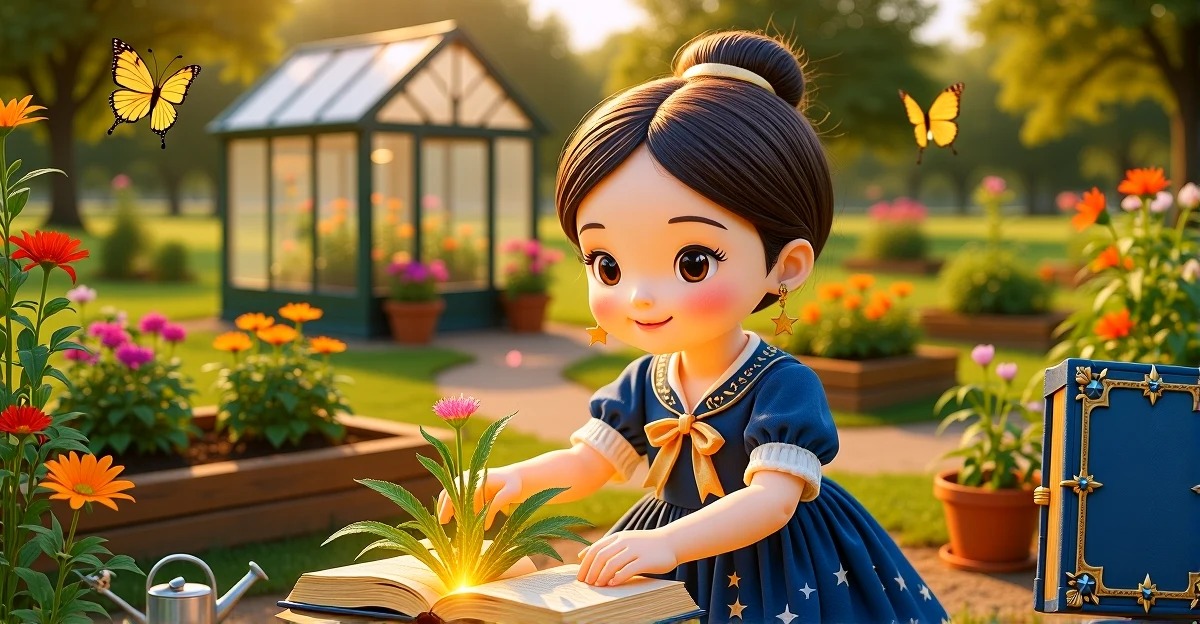
What makes it special: This folktale beautifully demonstrates environmental care and responsibility through a young child who discovers the magic of growing healing plants with love. They learn to tend the garden with gentle hands and patient care. And as the plants grow, something wonderful happens - the child realizes that these plants can help their whole community feel better.
Key lesson: This story teaches that caring for nature isn't a chore or a duty. It's a gift. When we nurture the earth, the earth nurtures us back. Environmental stewardship is both personally meaningful and helps the whole community.
How to use it: After reading this story with your child, you could start your own little garden project together. It doesn't have to be big. Even a single potted plant on a windowsill works beautifully. Let your child help choose the plant, water it, talk to it, watch it grow. This is environmental awareness in action.
Explore The Healing Garden and More Stories in The Book of Inara
You're Planting Seeds of Wonder
Here's what I want you to remember, my wonderful friend. You don't need to be perfect at this. You don't need to know all the names of plants and animals. You don't need to have a big yard or live near a forest.
What you need is curiosity, presence, and a willingness to explore the natural world alongside your child. Point out the moon. Notice the seasons changing. Wonder aloud about where birds go at night. Celebrate the first flower of spring together.
These small moments add up to something profound. They're building your child's environmental identity, one wonder-filled experience at a time.
Environmental responsibility grows from connection, not fear. When your child has cared for a plant and watched it bloom, when they've fed birds and seen them return, when they've explored a garden and felt the peace it brings, THEN they'll naturally want to protect these things. The caring comes from the connection.
You're planting seeds, my friend. Seeds of wonder, seeds of care, seeds of stewardship. And those seeds will grow into something beautiful - a child who loves this world and wants to protect it.
That's one of the greatest gifts you can give.
With love and starlight,
Inara
Related Articles
- Raising Environmental Leaders: How to Nurture Your Child's Love of Nature
- Nurturing Environmental Awareness in Young Children (Ages 3-4)
- Teaching Responsibility When Your Child Blames Others | Ages 4-5
- Building Your Child's Executive Function: Time Management & Organization (Ages 4-5)
- Nurturing Environmental Awareness in Your 6-7 Year Old: A Gentle Guide
Show transcript
Hello, my wonderful friend! It's me, Inara, and I am SO happy you're here today!
You know, the Magic Book and I have been noticing something beautiful happening. More and more parents are asking, how can I help my child care about nature? How can I raise a little one who wants to protect the environment? And I want you to know, this question itself shows how much you care about your child's future and the world they'll inherit.
If you're wondering how to nurture environmental awareness in your four or five year old, you're in exactly the right place. Let's talk about this together.
First, I want to share something WONDERFUL with you. Research from Stanford University shows that ages four and five are actually the PERFECT time to build environmental awareness. This isn't too early, my friend. This is exactly when your child's heart is most open to falling in love with the natural world.
The studies are so encouraging. Eighty-two percent of early childhood environmental education programs showed positive outcomes. That means when we introduce children to nature with wonder and care, beautiful things happen. They don't just learn about the environment, they develop deeper connections to it.
And here's what makes this age so special. Your child's imagination is blooming like a garden in spring. When they see a butterfly, they don't just see an insect. They see magic. When they touch soil, they're not thinking about dirt, they're discovering a whole universe of possibility.
The research tells us something else that's really important. Environmental learning at this age isn't about teaching children to worry. It's about helping them wonder. It's about building what the experts call environmental identity, which is just a fancy way of saying, helping your child feel connected to nature as part of who they are.
Dr. Nicole Ardoin and Dr. Alison Bowers from Stanford University discovered something beautiful in their research. They found that early childhood environmental education encourages young children to explore the environment, build self-confidence, make social connections, and develop frameworks for understanding the natural world. All of this lays the groundwork for taking action to protect the environment later.
But here's my favorite part. The research shows that the most effective programs combine time in nature with caring adults who serve as guides and companions. That's YOU, my friend. You don't need to be an expert. You just need to be present, curious, and willing to explore alongside your child.
So what does this look like in real life? Let me share some gentle, joyful ways to nurture environmental awareness.
Start with wonder, not worry. Take your child outside and simply notice things together. Look at the clouds. Listen to bird songs. Feel the bark of a tree. Watch ants working together. Your child doesn't need lectures about climate change. They need experiences that make them fall in love with the world.
Give them opportunities to care for living things. This could be as simple as watering a plant together, feeding birds, or tending a small garden. When children care for something and watch it grow, they learn that their gentle actions matter. They learn stewardship through doing.
The research shows that young children who participate in environmental actions like planting, recycling, and caring for nature develop stronger environmental attitudes that last into adulthood. These aren't just activities, my friend. They're building blocks for a lifetime of caring.
Make it hands-on and playful. Let them dig in the dirt. Let them collect leaves and rocks. Let them splash in puddles and watch worms wiggle. Environmental awareness doesn't come from keeping nature at a distance. It comes from getting close, getting messy, and getting curious.
Talk about nature as something alive and worthy of respect. Instead of saying, don't step on that bug, try, let's watch where we walk so the bugs can go about their day. Instead of, don't pick the flowers, try, let's leave the flowers here so the bees can visit them and other people can enjoy their beauty too.
This language shift is so important. It teaches your child that we share the world with other living things, and we can make choices that help everyone thrive.
Now, I want to tell you about a story that shows this beautifully. It's called The Healing Garden, and it's one of my favorites in The Book of Inara.
In this story, a young child discovers the magic of growing healing plants with love. They learn to tend the garden with gentle hands and patient care. And as the plants grow, something wonderful happens. The child realizes that these plants can help their whole community feel better.
This story teaches environmental stewardship in the most beautiful way. It shows that caring for nature isn't a chore or a duty. It's a gift. When we nurture the earth, the earth nurtures us back.
After you read this story with your child, you could start your own little garden project together. It doesn't have to be big. Even a single potted plant on a windowsill works beautifully. Let your child help choose the plant, water it, talk to it, watch it grow. This is environmental awareness in action, my friend.
The Magic Book whispers something else that's really important. Environmental responsibility grows from connection, not fear. Your child doesn't need to hear about all the problems facing the planet. Not yet. What they need is to experience the joy of being part of nature.
When they feel that connection, when they've cared for a plant and watched it bloom, when they've fed birds and seen them return, when they've explored a forest and felt the peace it brings, THEN they'll naturally want to protect these things. The caring comes from the connection.
Research shows that children who spend time in nature-rich settings with caring adult guides develop not just environmental literacy, but also enhanced cognitive, social, emotional, and physical skills. This holistic approach supports your child's whole development while building their love for the natural world.
So here's what I want you to remember, my wonderful friend. You don't need to be perfect at this. You don't need to know all the names of plants and animals. You don't need to have a big yard or live near a forest.
What you need is curiosity, presence, and a willingness to explore the natural world alongside your child. Point out the moon. Notice the seasons changing. Wonder aloud about where birds go at night. Celebrate the first flower of spring together.
These small moments add up to something profound. They're building your child's environmental identity, one wonder-filled experience at a time.
The North American Association for Environmental Education says that environmental education in early childhood is a holistic concept that encompasses knowledge of the natural world, as well as emotions, dispositions, and skills. You're not just teaching facts, my friend. You're nurturing a relationship.
And that relationship, that love for nature, that sense of connection and responsibility, it starts right now. In these precious years when your child's heart is so open, when everything feels magical, when they believe they can make a difference because they haven't learned to doubt themselves yet.
You're planting seeds, my friend. Seeds of wonder, seeds of care, seeds of stewardship. And those seeds will grow into something beautiful.
So go outside together. Get your hands dirty. Watch the clouds. Listen to the wind. Care for something living. Read The Healing Garden and talk about how we can all help nature thrive.
You're doing something so important. You're raising a child who will love this beautiful world and want to protect it. And that, my wonderful friend, is one of the greatest gifts you can give.
The Magic Book and I are cheering you on, every step of the way.
With love and starlight, Inara.