
Your child just climbed onto the kitchen counter for the third time today. Or maybe they ran into the street, laughing as you chased after them. Perhaps they are doing something that makes your heart race and your voice rise, and you are wondering, why? Why does my child keep doing dangerous things to get my attention?
If this sounds familiar, I want you to take a deep breath with me right now. You are not alone in this. You are not failing as a parent. And most importantly, your child is not broken, bad, or trying to hurt themselves. What is actually happening is something much more beautiful and much more fixable than you might think.
In this article, we are going to explore the real reasons children ages 4-5 seek attention through risky behavior, what the research tells us about this developmental phase, and most importantly, how you can respond in ways that meet your child's actual needs while keeping them safe. By the end, you will understand that what looks like defiance is actually communication, and you will have practical strategies to help your child feel seen, heard, and valued without needing to do dangerous things.
Understanding the Behavior: What Is Really Happening
When your four or five year old does something dangerous to get your attention, their behavior is not random. It is not manipulation. It is communication in the only language their developing brain knows will work immediately.
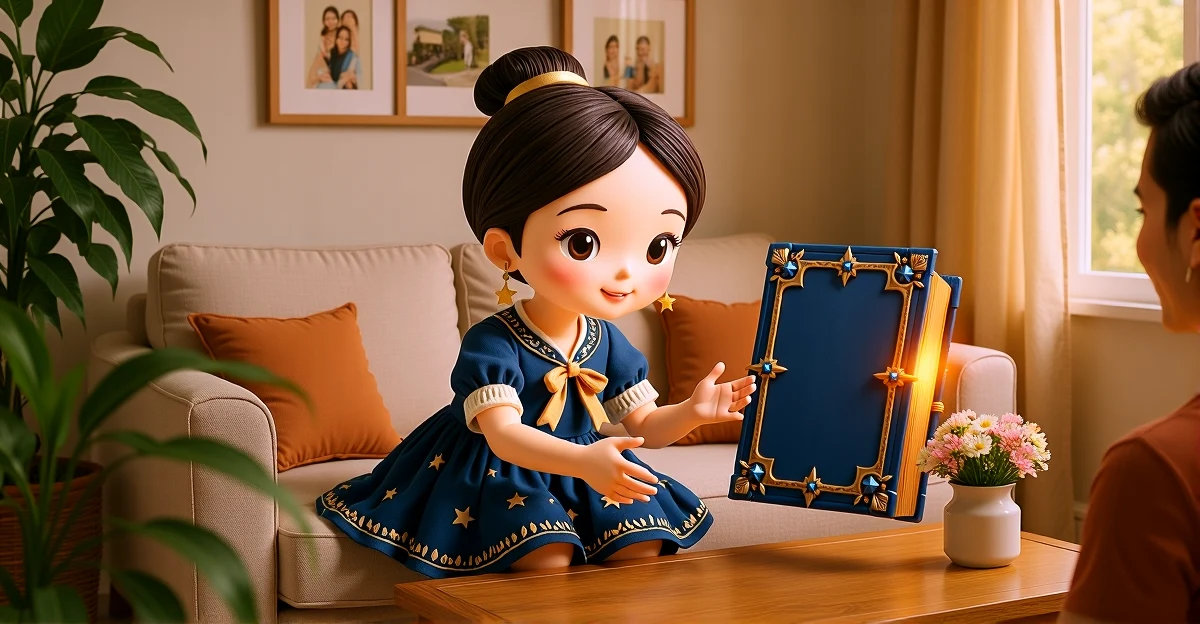
Here is what the Magic Book has taught me through thousands of years of watching children grow: At ages 4-5, children are in this AMAZING developmental phase where they are learning to express really complex emotions. They feel things deeply. They experience frustration, disconnection, overwhelm, and the need for connection just like we do. But here is the challenge: their communication skills and their ability to regulate those big feelings have not caught up yet.
So when your child feels emotionally disconnected from you, when they feel like their needs are not being met, when they feel overwhelmed by feelings they cannot name, they do not have the words to say, Mom, Dad, I am feeling really disconnected from you right now and I need some quality time. Instead, their little nervous system goes into overdrive, and they do something that they KNOW will get your attention immediately.
The Attention They Are Really Seeking
Now, you might be thinking, But if I give them attention when they do dangerous things, will not that just encourage more dangerous behavior? This is such a thoughtful question, and it shows how much you care about doing the right thing.
But here is what research shows us: The kind of attention your child is seeking is not just any attention. They are not looking for you to lecture them or put them in timeout or have a long discussion about safety rules. What they are actually seeking is something much deeper. They are seeking the message that says, You are safe with me, even when you are feeling out of control. I see you. I hear you. You matter to me.
What Research Tells Us About Attention-Seeking Behavior
Research consistently shows that when young children engage in dangerous or extreme attention-seeking behaviors, they are communicating unmet emotional needs rather than simply misbehaving. Studies indicate that children ages 4-5 are in a critical developmental phase where they are learning to express complex emotions but lack the communication skills and self-regulation to do so appropriately.
Janet Lansbury, a respected parenting educator, explains this beautifully:
Children seeking attention through challenging behaviors are actually seeking deeper messages: You are safe with us, even when you feel like lashing out. We will not let you hurt or upset us. We are here to help when you are out of control.
— Janet Lansbury, M.A., RIE Associate
Dr. Amy Kranzler from Handspring Health adds another important perspective. She emphasizes that being attuned to how your child is feeling and expressing curiosity in an open and compassionate way helps to foster a safe and supportive environment for them to explore and feel their feelings.
The Child Mind Institute, a leading organization in child mental health, teaches us that consequences that are more effective begin with generous attention to the behaviors you want to encourage. In other words, the foundation of behavior management is not punishment for unwanted behaviors, but rather abundant positive attention for the behaviors we want to see more of.
Why Dangerous Acts Feel Like the Only Option
When children feel overwhelmed, stressed, or emotionally disconnected, they may resort to behaviors that feel dangerous or extreme as a way to communicate their internal distress. Expert consensus emphasizes that these behaviors are not manipulative but rather represent a child's best attempt to signal that something feels wrong in their world.
Think about it from your child's perspective. They have tried asking nicely. Maybe they have tried whining or crying. But you were busy, distracted, or dealing with something else. Then they climbed on the counter, and suddenly, you were THERE. Fully present. Fully focused on them. Their nervous system learned: This works. This gets me what I need.
How to Respond: Connection Over Punishment
So what does this look like in real life? How do you actually respond when your child does something dangerous to get your attention?
Step 1: Ensure Safety Calmly
The first thing to do is ensure their safety. Physically block the dangerous behavior calmly and confidently. You are not overreacting, you are not getting angry, you are just calmly stopping them while saying something like, I see you need my attention right now. I am here. You are safe.
Notice what you are NOT doing: You are not launching into a lecture about why what they did was dangerous. You are not repeating the safety rules they already know. Because here is the truth: they already KNOW it was dangerous. That is actually why they did it. They knew it would get your attention immediately.
Step 2: Give Them What They Actually Need
Instead of lectures, you are giving them what they actually need, which is your calm, loving presence. You are showing them that even when they are feeling out of control, even when they are doing things that scare you, you are still there. You are still their safe place. You are still connected to them.
This might look like:
- Sitting down with them at their eye level
- Taking a few deep breaths together
- Saying, It seems like you really needed my attention. I am here now. What is going on?
- Listening without judgment to whatever they share, even if it seems small to you
- Offering physical comfort if they want it, a hug, sitting close, holding hands
Step 3: Reinforce Appropriate Attention-Seeking
While you are calmly blocking the dangerous behavior and giving your child that message of safety and connection, you also want to be really intentional about noticing and celebrating the times when they ask for your attention in appropriate ways.
When they come up to you and say, Mommy, will you play with me? or Daddy, can you watch this? you want to respond with enthusiasm. You want to show them, THIS is how you get my attention. THIS works. And it feels so much better than doing something scary, does not it?
Even if you cannot drop everything right that moment, you can say, I love that you asked me! I need to finish this one thing, and then I will be all yours for ten minutes. What should we do together?
Step 4: Create Predictable Connection Time
One of the most powerful things you can do is create special listening time each day. Maybe it is five minutes before bed, or right after school, where your child knows, this is MY time. Mom or Dad is going to listen to me completely, without distractions, without judgment. Just pure listening.
When children feel truly heard on a regular basis, they do not need to do dangerous things to get attention anymore. Because they already have it. They already know that their feelings matter, that they are seen, that they are valued.
The Long-Term Impact of Connection-Based Responses
Research demonstrates that children whose caregivers respond with calm acceptance of difficult emotions while maintaining firm safety boundaries develop better emotional regulation skills over time. So every time you respond to your child's attention-seeking behavior with connection instead of punishment, with understanding instead of lectures, you are actually teaching them how to manage their emotions.
You are teaching them that:
- Feelings are okay, even big, scary ones
- They can trust you with their hardest moments
- There are healthy ways to get the connection they need
- They are worthy of love and attention, always
- Safety and connection can coexist
This is building a foundation for their emotional health that will last their entire life.
Remember: This Phase Is Temporary
I also want to remind you of something really important. This phase, where your child is seeking attention in these challenging ways, it is temporary. It is not a sign that you have done something wrong as a parent. It is not a sign that your child is going to grow up to be a difficult person.
It is actually a sign that your child trusts you enough to show you their biggest, messiest feelings. And that is actually a GOOD thing. It means they feel safe with you. It means they know, deep down, that you are their person.
A Story That Can Help
In The Book of Inara, we have a beautiful story that brings these concepts to life for your child in the most magical way:
The Center Where Hearts Are Heard
Perfect for: Ages 4-5
What makes it special: This story directly addresses the core need behind attention-seeking behavior: the need to be heard and understood. Ethan and Sofia discover a magical advocacy center where worried feelings actually bloom into solution flowers. When they learn that sharing their worries and feelings creates these beautiful flowers that show them answers, children learn something SO important: their emotions matter, and when they express their feelings in healthy ways, they are heard, understood, and together, you can find solutions.
Key lesson: Expressing feelings appropriately leads to being truly heard. When children feel their worries and feelings are truly listened to, they no longer need to resort to extreme behaviors to get attention.
How to use this story: After reading The Center Where Hearts Are Heard together, create your own special listening time each day. Maybe it is five minutes before bed, or right after school, where your child knows they will be fully heard without judgment. This becomes your own version of the magical advocacy center, a safe space where feelings bloom into understanding.
You Are Doing Beautifully
Here is what I want you to remember, wonderful parent: When your child does something dangerous to get your attention, take a deep breath. Calmly ensure their safety. And then give them what they are really asking for, which is connection. Show them that you see them, you hear them, and you are there for them, even in their hardest moments.
This work you are doing, responding to challenging behavior with connection instead of punishment, it is not easy. It requires you to pause when every instinct might be telling you to react. It requires you to see past the behavior to the need underneath. It requires patience, consistency, and so much love.
But you are doing it. You are here, reading this, learning, growing, trying to understand your child better. That is what makes you an amazing parent. Not perfection. Not never getting frustrated. But this, this willingness to see your child's behavior as communication and to respond with love.
The Magic Book and I are always here for you, cheering you on, reminding you that every challenging moment is an opportunity for connection. You are raising a human being who is learning to navigate big emotions in a world that does not always make sense to them. And you are doing it with love, with patience, and with so much care.
Sweet dreams, and remember: your child is not giving you a hard time. They are having a hard time. And you are exactly the parent they need.
With love and starlight,
Inara
Related Articles
- Building Confidence in Young Performers: A Gentle Guide for Ages 4-5
- When Your Child Blurs Fantasy and Reality: A Gentle Guide to Nurturing Honesty
- Helping Your 4-5 Year Old Build Friendship Skills: A Gentle Guide
- When Your Child Can't Speak Outside Home: Understanding Selective Mutism
- When Big Feelings Need Words: Teaching Your Child to Express Emotions (Ages 4-5)
Show transcript
Hello, wonderful parent! It's me, Inara, and I am so glad you're here today. You know, the Magic Book and I have been hearing from so many parents who are going through something really challenging. Your little one is doing things that feel dangerous to get your attention, and you're worried. You're scared. And you're wondering, why is my child doing this?
I want you to take a deep breath with me right now, because I'm going to share something with you that might change everything. Are you ready?
Your child isn't being bad. They're not trying to hurt themselves or scare you on purpose. What they're actually doing is communicating with you in the only way their four or five year old brain knows how. They're saying, I need you to see me. I need you to hear me. I need to know that I matter.
Let me explain what the Magic Book taught me about this. You see, when children are four and five years old, they're in this AMAZING developmental phase where they're learning to express really complex emotions. But here's the thing, their communication skills and their ability to regulate those big feelings haven't caught up yet. So when they feel overwhelmed, when they feel disconnected, when they feel like their emotional needs aren't being met, they don't have the words to say, Mom, Dad, I'm feeling really disconnected from you right now and I need some quality time. Instead, their little nervous system goes into overdrive, and they do something that they KNOW will get your attention immediately.
Now, I know what you might be thinking. But Inara, if I give them attention when they do dangerous things, won't that just encourage more dangerous behavior? And that's such a thoughtful question! But here's what the research shows us, and what the Magic Book has whispered to me through thousands of years of watching children grow. The kind of attention your child is seeking isn't just any attention. They're not looking for you to lecture them or put them in timeout or have a long discussion about safety rules. What they're actually seeking is something much deeper. They're seeking the message that says, You are safe with me, even when you're feeling out of control. I see you. I hear you. You matter to me.
Janet Lansbury, who's a wonderful parenting educator, explains this so beautifully. She says that children seeking attention through challenging behaviors are actually seeking these deeper messages, You are safe with us, even when you feel like lashing out. We won't let you hurt or upset us. We are here to help when you are out of control. Isn't that POWERFUL?
And Dr. Amy Kranzler from Handspring Health reminds us that being attuned to how your child is feeling and expressing curiosity in an open and compassionate way helps to foster a safe and supportive environment for them to explore and feel their feelings.
So what does this look like in real life? Well, when your child does something dangerous to get your attention, the first thing to do is ensure their safety. Physically block the dangerous behavior calmly and confidently. You're not overreacting, you're not getting angry, you're just calmly stopping them while saying something like, I see you need my attention right now. I'm here. You're safe.
And here's the really important part. You're not launching into a lecture about why what they did was dangerous. You're not repeating the safety rules they already know. Because here's the truth, they already KNOW it was dangerous. That's actually why they did it. They knew it would get your attention immediately.
Instead, you're giving them what they actually need, which is your calm, loving presence. You're showing them that even when they're feeling out of control, even when they're doing things that scare you, you're still there. You're still their safe place. You're still connected to them.
Now, the Child Mind Institute teaches us something really important about behavior management. They say that consequences that are more effective begin with generous attention to the behaviors you want to encourage. So while you're calmly blocking the dangerous behavior and giving your child that message of safety and connection, you also want to be really intentional about noticing and celebrating the times when they ask for your attention in appropriate ways.
When they come up to you and say, Mommy, will you play with me? or Daddy, can you watch this? you want to respond with enthusiasm. You want to show them, THIS is how you get my attention. THIS works. And it feels so much better than doing something scary, doesn't it?
The Magic Book showed me something else that's really beautiful. There's a story in The Book of Inara called The Center Where Hearts Are Heard. It's about Ethan and Sofia, who discover this magical advocacy center where worried feelings actually bloom into solution flowers. And the most amazing thing happens when they learn that sharing their worries and feelings creates these beautiful flowers that show them answers.
This story teaches children something SO important. It teaches them that their emotions matter. That when they express their feelings in healthy ways, they're heard. They're understood. And together, you can find solutions. After you read this story with your child, you might create your own special listening time each day. Maybe it's five minutes before bed, or right after school, where your child knows, this is MY time. Mom or Dad is going to listen to me completely, without distractions, without judgment. Just pure listening.
And you know what happens when children feel truly heard? They don't need to do dangerous things to get attention anymore. Because they already have it. They already know that their feelings matter, that they're seen, that they're valued.
I also want to remind you of something really important. This phase, where your child is seeking attention in these challenging ways, it's temporary. It's not a sign that you've done something wrong as a parent. It's not a sign that your child is going to grow up to be a difficult person. It's actually a sign that your child trusts you enough to show you their biggest, messiest feelings. And that's actually a GOOD thing.
Research shows us that children whose caregivers respond with calm acceptance of difficult emotions while maintaining firm safety boundaries, they develop better emotional regulation skills over time. So every time you respond to your child's attention-seeking behavior with connection instead of punishment, with understanding instead of lectures, you're actually teaching them how to manage their emotions. You're teaching them that feelings are okay. That they can trust you with their hardest moments. And that's building a foundation for their emotional health that will last their entire life.
So here's what I want you to remember, wonderful parent. When your child does something dangerous to get your attention, take a deep breath. Calmly ensure their safety. And then give them what they're really asking for, which is connection. Show them that you see them, you hear them, and you're there for them, even in their hardest moments.
And then, when things are calm, read The Center Where Hearts Are Heard together. Let that story open up conversations about feelings and being heard. Create those special listening times where your child knows they matter.
You're doing such important work, my friend. You're raising a human being who's learning to navigate big emotions in a world that doesn't always make sense to them. And you're doing it with love, with patience, and with so much care.
The Magic Book and I are always here for you. Sweet dreams, and remember, every challenging moment is an opportunity for connection.
With love and starlight, Inara.