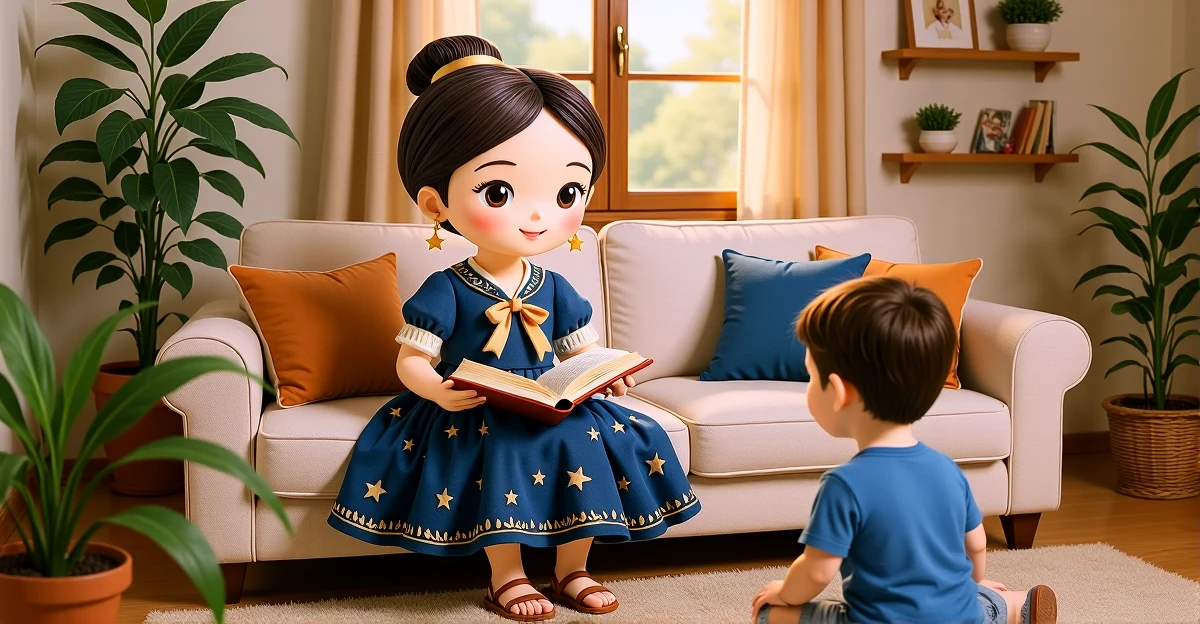
Your little one falls down and scrapes their knee. You rush over, arms open, ready to scoop them up and make everything better. But instead of melting into your embrace, they push you away. They turn their back, say no, maybe even run to their room. And in that moment, your heart just breaks a little, doesn't it?
You're standing there with your arms open, full of love, and your child is saying, I don't want your comfort right now. If you've experienced this, I want you to know something really important. You are not alone in this, and what's happening is actually something quite beautiful.
In this post, we're going to explore the fascinating truth behind why toddlers sometimes refuse comfort, what the research really says about secure attachment, and how your calm, accepting presence is exactly what your child needs to grow into a confident, emotionally healthy person.
Why Toddlers Push Away Comfort: The Beautiful Truth
When your toddler, your two or three year old, pushes away your comfort when they're hurt or upset, they're not rejecting you. They're not saying they don't love you or need you. What they're actually doing is something WONDERFUL. They're practicing being their own person. They're discovering that they have some control over their own feelings and their own body. And that is healthy development.
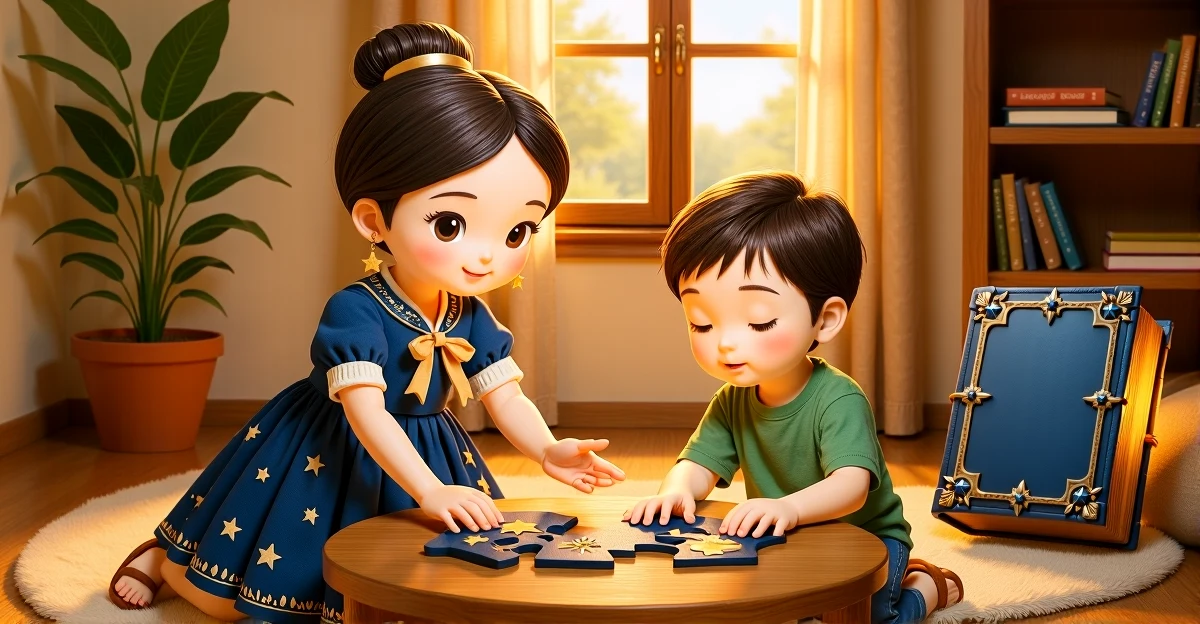
Now, I know that doesn't make it hurt any less when it happens. The Magic Book and I understand that. But here's what the research shows, and this is SO fascinating.
The Science of Secure Attachment
Dr. Alan Sroufe, a developmental psychologist who has studied parent-child relationships for over forty years at the University of Minnesota, discovered something really important. He found that secure attachment, that beautiful bond between you and your child, doesn't mean you have to be physically close all the time. It doesn't mean your child has to accept every hug you offer.
What it DOES mean is that your child has a deep, abiding confidence that you're available when they truly need you.
Attachment is the deep, abiding confidence a baby has in the availability and responsiveness of the caregiver.
— Dr. Alan Sroufe, Developmental Psychologist, University of Minnesota
And here's the really interesting part. Even in the most secure, loving relationships, parents are only perfectly attuned to their children about thirty percent of the time. Thirty percent! Isn't that amazing? It means you don't have to be perfect. Your child doesn't need you to read their mind every single time. What they need is to know that you're there, that you care, and that when they DO need you, you'll show up. And you know what? You're already doing that beautifully.
When Children Feel Overwhelmed by Our Worry
Janet Lansbury, a wonderful early childhood educator, explains this so well. She says that children often reject comfort when they sense that we're feeling as uncomfortable as they are. And it's hard not to, right? Because we love our kids SO much, and we never want to see them hurt or sad.
But sometimes, our worry, our need to make it all better right away, can actually make our children feel like their feelings are too big, too scary, too much. And so they push us away because they need space to feel what they're feeling without also having to manage our feelings about their feelings.
Children often reject comfort when they sense that we're feeling as uncomfortable as they are. Acceptance is an attitude, it doesn't take work.
— Janet Lansbury, M.A., Early Childhood Educator
The Magic Book whispers this truth. Acceptance is an attitude. It doesn't take work. It's simply being present, being calm, being available, without needing to fix or change what your child is experiencing. When you can stand back, take a deep breath, and trust that your child is capable of moving through this feeling, that's when the real magic happens. That's when your child learns, Oh, I can handle this. My feelings are okay. I'm safe even when I'm upset.
The Developmental Phase of Autonomy
When toddlers are two and three years old, they're in this incredible phase of development where they're discovering their independence. They're learning that they're separate people from you, with their own thoughts and feelings and preferences. And part of that learning is figuring out that they can say no. They can make choices about their own bodies, including whether or not they want a hug right now.
This is actually a really important skill for them to develop. It's teaching them about:
- Boundaries - Understanding that they have control over their own body
- Consent - Learning that physical touch is a choice, not an obligation
- Self-trust - Building confidence in their own instincts and feelings
- Emotional regulation - Discovering they can manage feelings in their own way
Diana Divecha, a developmental psychologist, notes that the baby, or in this case the toddler, develops a generalized trust that their caregiver will respond and meet their needs through consistent availability, even when children temporarily push away during normal developmental phases of autonomy seeking.
Did you catch that? Temporarily push away. This is a phase. It's not forever. And your consistent, calm availability during this phase is what helps your child develop that deep trust.
Gentle Strategies That Actually Work
So what can you do when your child pushes away your comfort? Here are some gentle, research-backed strategies:
1. Take a Breath and Reframe
First, take a breath. Remind yourself that this is normal, this is healthy, this is temporary. Your child isn't rejecting you. They're growing. They're learning. They're becoming their own person.
2. Offer Calm Presence Without Pressure
You can simply say something like, I'm here if you need me. Or, I see you're upset. I'm right here. And then, and this is the hard part, you give them space. You don't hover, you don't keep offering, you don't try to convince them to accept your comfort. You just stay nearby, stay calm, and trust the process.
3. Honor Their Process
Sometimes your child might need to cry alone for a few minutes. Sometimes they might need to stomp their feet or hide under their blanket. And that's okay. You're still there. You're still available. And when they're ready, when they've processed what they needed to process, they'll come back to you. And in that moment, you can offer that hug again, and often, they'll accept it. And it will be even sweeter because they chose it.
4. Validate Without Fixing
Instead of trying to make the feeling go away, simply acknowledge it. That looked like it hurt. You seem really upset right now. This validation tells your child that their feelings are acceptable and manageable, without you needing to rescue them from the experience.
5. Trust the Attachment You've Built
Remember that every moment of connection you've shared, every time you've responded to their needs, every hug they HAVE accepted, all of that has built a foundation of trust. One moment of pushing away doesn't erase that foundation. It actually strengthens it, because your child is learning they can be independent AND securely attached.
Stories That Can Help
In The Book of Inara, we have beautiful stories that bring these concepts to life for your child. Stories that show them it's okay to have big feelings, it's okay to need space, and it's also okay to accept comfort when we're ready.
The Gentle Glow of Friendship
Perfect for: Ages 2-3
What makes it special: This story beautifully demonstrates that comfort and connection can happen in different ways and on the child's terms. When Ayli feels scared during a nighttime bathroom trip, she and Igar discover that their night light glows brighter whenever they share comforting hugs. The story teaches that accepting comfort is a choice that brings warmth and safety, perfectly aligning with the therapeutic goals of accepting comfort and emotional connection.
Key lesson: When Ayli and Igar discover that their hugs make the night light glow brighter, children learn that accepting comfort from people we trust creates a warm, safe feeling that helps with scary moments.
Parent talking point: After reading this story, you can gently remind your child that just like Ayli and Igar's hugs made their light glow, your hugs are always available when they're ready. No pressure, just love waiting whenever they need it.
You're Doing Beautifully
The next time your little one pushes away your comfort, I want you to remember this. They're not rejecting you. They're growing. They're learning. They're becoming their own person. And your calm, accepting presence, your willingness to let them have their feelings in their own way, that's what's helping them grow into a confident, emotionally healthy person.
Research shows that children who have parents who can stay calm and accepting during big feelings, who don't try to rush them through or fix them or make them feel differently, these children actually develop better emotional regulation skills. They learn to trust their own feelings. They learn that emotions are safe, that they come and go like waves, and that they can handle them. And that's a gift that will serve them for their entire lives.
You're doing such a beautiful job. Even when it doesn't feel like it. Even when your arms are empty and your heart is full and you just want to make it all better. You're doing exactly what your child needs. You're being their steady, loving, available parent. And that is everything.
The Book of Inara has many stories that can help during these tender moments of growth. I invite you to explore them with your little one.
Until our next adventure together, remember this. Your love is always felt, even when it's not immediately accepted. Your presence is always valuable, even when your child needs space. And you are doing beautifully.
With love and starlight,
Inara
Related Articles
- Understanding Your Toddler's Need for Connection: The Journey from Attachment to Independence
- Understanding Your Toddler's Fear of the Dark: A Gentle Parenting Guide
- Understanding Toddler Stranger Anxiety: A Gentle Guide for Parents
- Why Transitions Are Hard for Toddlers (And Gentle Strategies That Help)
- Why Your Toddler Cannot Wait (And How to Gently Help)
Show transcript
Hello, my wonderful friend! It's me, Inara, and I am so happy you're here today. You know, the Magic Book and I have been noticing something that's been weighing on many parents' hearts lately. Maybe you've experienced this too. Your little one falls down, scrapes their knee, and when you rush over to comfort them, to offer that hug you know will make everything better, they push you away. They turn their back, they say no, they might even run to their room. And in that moment, your heart just breaks a little, doesn't it? You're standing there with your arms open, full of love, and your child is saying, I don't want your comfort right now. I see you, and I want you to know something really important. You are not alone in this, and what's happening is actually something quite beautiful.
Let me share what the Magic Book has taught me about this, because when I first learned this, it changed everything. When your toddler, your two or three year old, pushes away your comfort when they're hurt or upset, they're not rejecting you. They're not saying they don't love you or need you. What they're actually doing is something WONDERFUL. They're practicing being their own person. They're discovering that they have some control over their own feelings and their own body. And that, my friend, is healthy development.
Now, I know that doesn't make it hurt any less when it happens. The Magic Book and I understand that. But here's what the research shows, and this is so fascinating. Dr. Alan Sroufe, a developmental psychologist who has studied parent-child relationships for over forty years at the University of Minnesota, discovered something really important. He found that secure attachment, that beautiful bond between you and your child, doesn't mean you have to be physically close all the time. It doesn't mean your child has to accept every hug you offer. What it DOES mean is that your child has a deep, abiding confidence that you're available when they truly need you.
And here's the really interesting part. Even in the most secure, loving relationships, parents are only perfectly attuned to their children about thirty percent of the time. Thirty percent! Isn't that amazing? It means you don't have to be perfect. Your child doesn't need you to read their mind every single time. What they need is to know that you're there, that you care, and that when they DO need you, you'll show up. And you know what? You're already doing that beautifully.
Janet Lansbury, a wonderful early childhood educator, explains this so well. She says that children often reject comfort when they sense that we're feeling as uncomfortable as they are. And it's hard not to, right? Because we love our kids so much, and we never want to see them hurt or sad. But sometimes, our worry, our need to make it all better right away, can actually make our children feel like their feelings are too big, too scary, too much. And so they push us away because they need space to feel what they're feeling without also having to manage our feelings about their feelings.
The Magic Book whispers this truth. Acceptance is an attitude. It doesn't take work. It's simply being present, being calm, being available, without needing to fix or change what your child is experiencing. When you can stand back, take a deep breath, and trust that your child is capable of moving through this feeling, that's when the real magic happens. That's when your child learns, Oh, I can handle this. My feelings are okay. I'm safe even when I'm upset.
Now, let me share something else that might help you understand what's happening. When toddlers are two and three years old, they're in this incredible phase of development where they're discovering their independence. They're learning that they're separate people from you, with their own thoughts and feelings and preferences. And part of that learning is figuring out that they can say no. They can make choices about their own bodies, including whether or not they want a hug right now. This is actually a really important skill for them to develop. It's teaching them about boundaries, about consent, about trusting their own instincts.
Diana Divecha, a developmental psychologist, notes that the baby, or in this case the toddler, develops a generalized trust that their caregiver will respond and meet their needs through consistent availability, even when children temporarily push away during normal developmental phases of autonomy seeking. Did you catch that? Temporarily push away. This is a phase. It's not forever. And your consistent, calm availability during this phase is what helps your child develop that deep trust.
So what can you do when your child pushes away your comfort? First, take a breath. Remind yourself that this is normal, this is healthy, this is temporary. Then, you can simply say something like, I'm here if you need me. Or, I see you're upset. I'm right here. And then, and this is the hard part, you give them space. You don't hover, you don't keep offering, you don't try to convince them to accept your comfort. You just stay nearby, stay calm, and trust the process.
Sometimes your child might need to cry alone for a few minutes. Sometimes they might need to stomp their feet or hide under their blanket. And that's okay. You're still there. You're still available. And when they're ready, when they've processed what they needed to process, they'll come back to you. And in that moment, you can offer that hug again, and often, they'll accept it. And it will be even sweeter because they chose it.
Now, the Magic Book and I have a story that shows this so beautifully. It's called The Gentle Glow of Friendship, and it's about Ayli and Igar. In this story, Ayli feels scared during a nighttime bathroom trip, and she and Igar discover that their night light glows brighter whenever they share comforting hugs. What I love about this story is that it teaches children that accepting comfort is a choice, and it's a choice that brings warmth and safety. The story validates that feeling scared is normal, and it shows that comfort from people we trust helps us feel better. But it's always on the child's terms.
After you read this story with your little one, you might say something like, Just like Ayli and Igar's hugs made their light glow, my hugs are always available when you're ready. No pressure, just love waiting whenever you need it. And that's the key, isn't it? No pressure. Just love. Always available.
The Magic Book also reminds us that every child is different. Some children are more introverted and need more time alone to process their feelings. Some children are going through a phase where they're really asserting their independence. Some children might have had an experience where they felt overwhelmed by too much attention when they were upset, and now they're protecting themselves by pushing away. All of these are valid. All of these are okay. Your job isn't to change who your child is or how they process emotions. Your job is to be their safe harbor, their steady presence, their calm in the storm.
And here's something else that might bring you comfort. Research shows that children who have parents who can stay calm and accepting during big feelings, who don't try to rush them through or fix them or make them feel differently, these children actually develop better emotional regulation skills. They learn to trust their own feelings. They learn that emotions are safe, that they come and go like waves, and that they can handle them. And that's a gift that will serve them for their entire lives.
So the next time your little one pushes away your comfort, I want you to remember this. They're not rejecting you. They're growing. They're learning. They're becoming their own person. And your calm, accepting presence, your willingness to let them have their feelings in their own way, that's what's helping them grow into a confident, emotionally healthy person.
You're doing such a beautiful job, my friend. Even when it doesn't feel like it. Even when your arms are empty and your heart is full and you just want to make it all better. You're doing exactly what your child needs. You're being their steady, loving, available parent. And that is everything.
The Book of Inara has many stories that can help during these tender moments of growth. Stories that show children it's okay to have big feelings, it's okay to need space, and it's also okay to accept comfort when we're ready. I invite you to explore them with your little one.
Until our next adventure together, remember this. Your love is always felt, even when it's not immediately accepted. Your presence is always valuable, even when your child needs space. And you, my wonderful friend, are doing beautifully. With love and starlight, Inara.