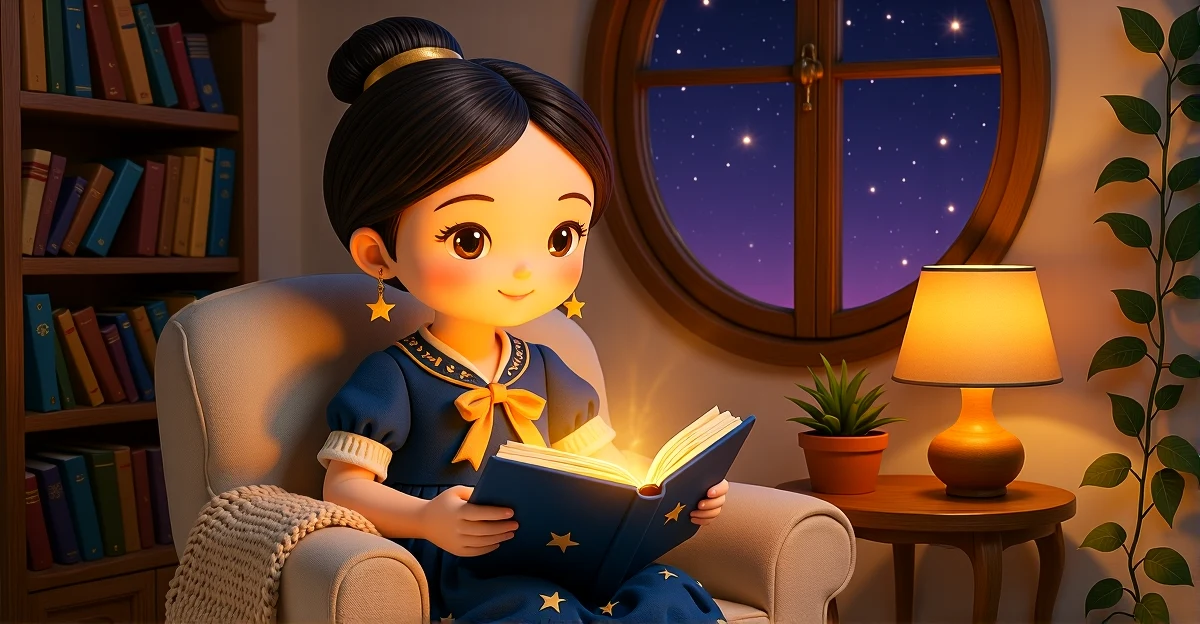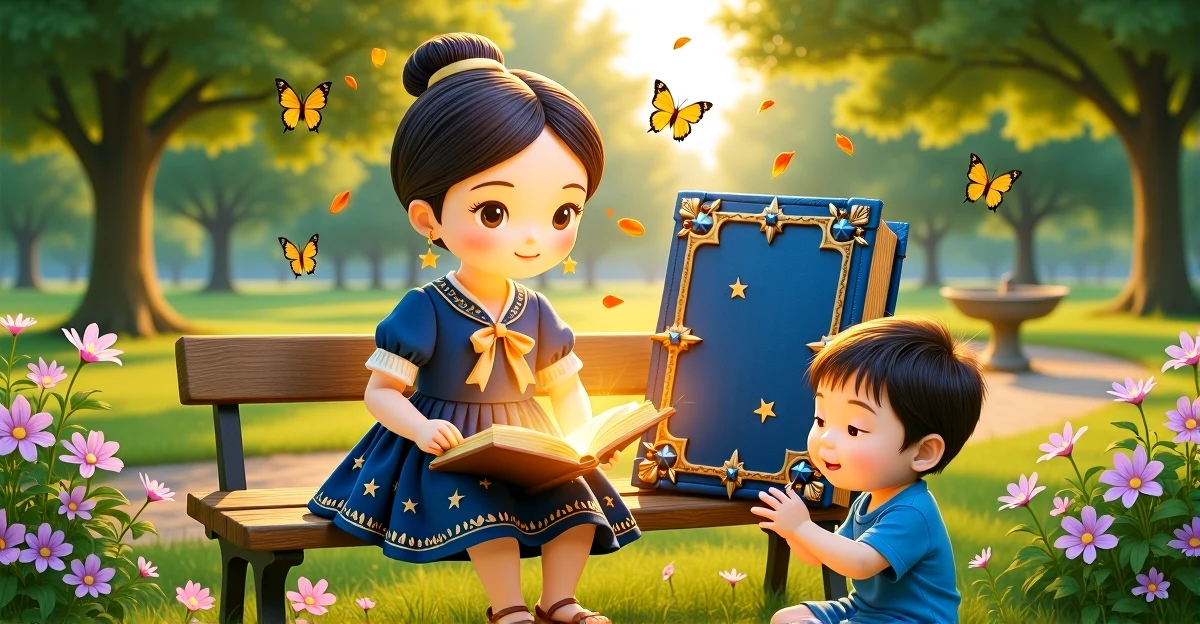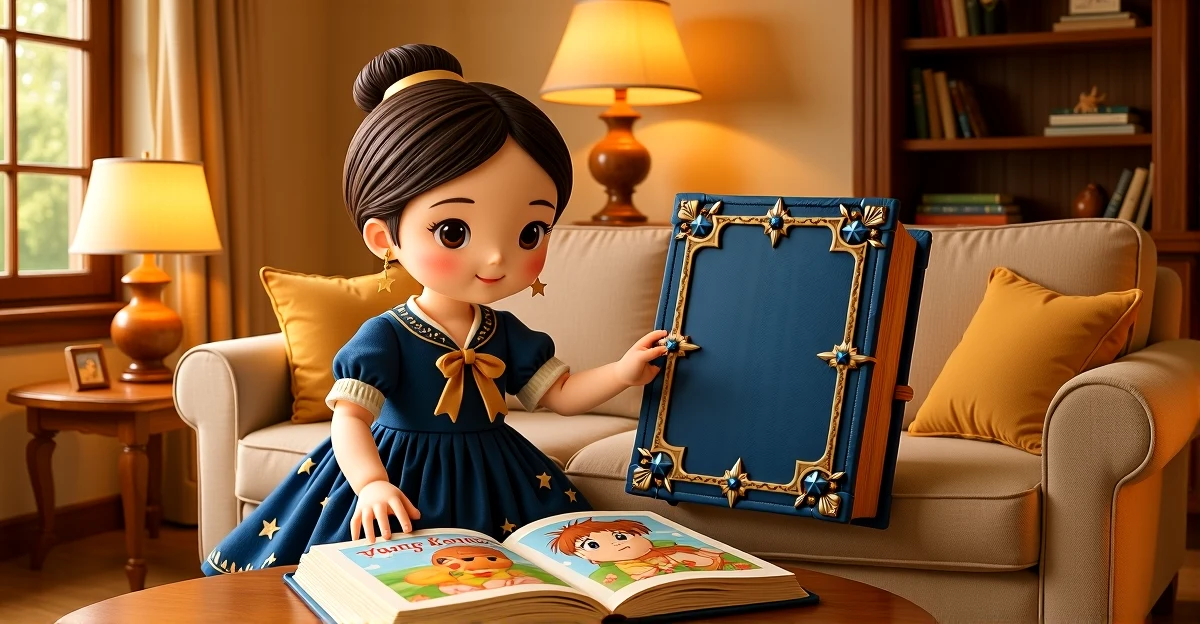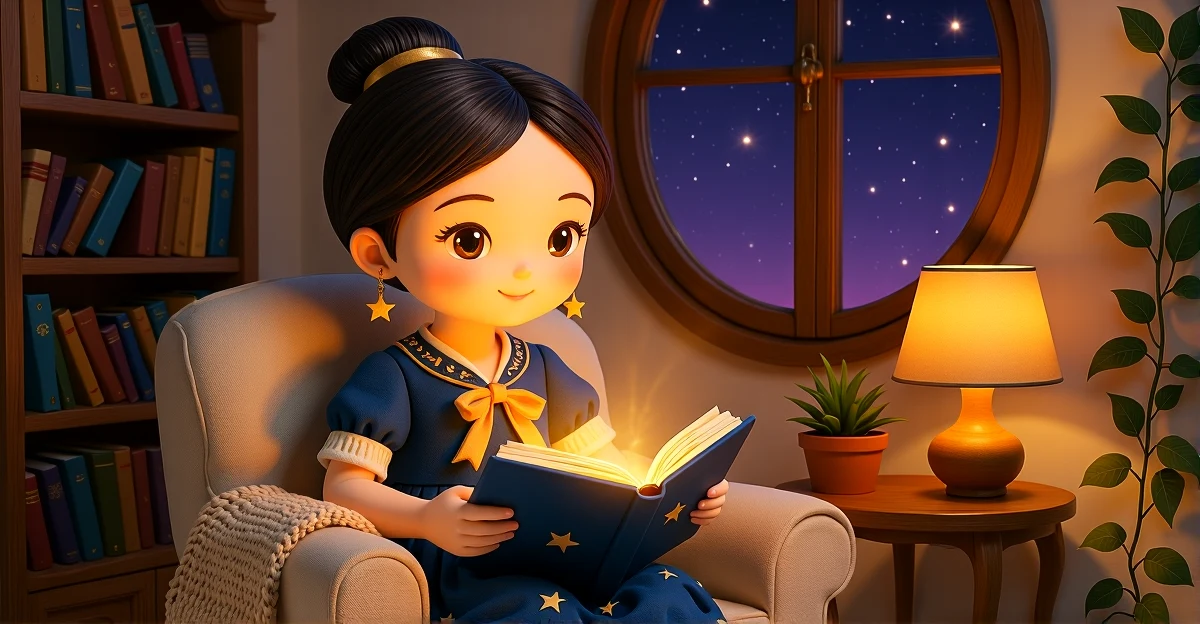

Hello, my wonderful friend! If you've ever felt frustrated because your toddler takes thirty minutes to walk one block, stopping to examine every leaf, rock, and bug along the way, I want you to know something important. Your child isn't being slow. They're being a scientist.
Let me share what the Magic Book and I have learned about this beautiful stage of development, and why those seemingly endless walks are actually one of the most valuable learning experiences you can offer your child.
The Science Behind Your Toddler's Nature Fascination
Research consistently demonstrates that nature connection in toddlerhood is a precious developmental window where curiosity naturally blossoms into wonder and environmental awareness. When young children ages 2-3 explore the natural world, they're not just playing - they're building critical social-emotional learning skills, self-awareness, and self-management capacities that form the foundation for lifelong learning.
Studies from child development experts confirm that children's connection to nature is directly associated with overall social-emotional learning skills. This isn't just about getting fresh air or burning energy. It's about fundamental brain development happening in real-time.
What's Really Happening When Your Toddler Stops to Touch Every Leaf
When your two or three year old crouches down to touch a dandelion, or insists on picking up that acorn for the tenth time, or stands absolutely still watching an ant carry a crumb, something wonderful is happening. Their brain is building connections that will last a lifetime.
Here's what's actually developing:
- Sensory Integration: Every texture they touch, every scent they smell, every sound they hear is helping their brain organize and make sense of sensory information.
- Observation Skills: When they watch that butterfly for five full minutes, they're developing sustained attention and the ability to notice details.
- Fine Motor Skills: Picking up acorns, touching delicate flower petals, and examining small stones all build hand-eye coordination and finger strength.
- Vocabulary Development: Every new thing they discover is an opportunity to learn new words - smooth, rough, fuzzy, prickly, flutter, crawl.
- Scientific Thinking: They're forming hypotheses, making observations, and drawing conclusions about how the natural world works.
The Research on Nature Connection and Child Development
Kathy Kinsner from ZERO TO THREE and NAEYC notes that outdoor play provides "opportunities to develop empathy" and creates "intentional learning activities that are difficult to execute inside." She emphasizes that "children are natural explorers and discoverers."
Research published in Current Research in Ecological and Social Psychology confirms that "children's connection to nature is directly associated with overall social-emotional learning skills, self-awareness, and self-management." Educational researchers emphasize that "natural elements promote social-emotional development among primary school children" and that nature-based experiences are particularly powerful for toddlers who are developmentally primed for sensory exploration.
Studies show that outdoor experiences invite natural science discovery, as toddlers' innate curiosity drives them to touch leaves, collect acorns, and observe insects with genuine fascination. This exploration supports cognitive development while simultaneously promoting physical health through active movement and better sleep patterns.
Why Those Slow Walks Are Actually Perfect
I know what you might be thinking. "But Inara, we're trying to get to the park, or the store, or home for naptime." I understand, my friend. Time feels precious when you're parenting a toddler. But here's what the Magic Book whispers to me: Those moments when your child stops to touch every leaf aren't interruptions to the journey. Those ARE the journey.
When you slow down with your toddler and share their wonder, you're teaching them something profound. You're showing them that:
- Their observations matter
- The world is worth paying attention to
- Curiosity is valuable
- You see what they see, and it's beautiful
- Learning happens everywhere, not just in structured activities
Practical Ways to Nurture Your Toddler's Nature Connection
You don't need a backyard or access to wilderness to support your child's nature connection. Here are simple, practical ways to nurture their love of the natural world:
1. Create a Nature Collection Basket
Give your child a special basket or box where they can keep treasures from walks - leaves, pinecones, smooth stones, interesting twigs. This validates their collecting instinct and gives them a way to revisit their discoveries.
2. Plant Seeds Together
Even a small pot on a windowsill works. Let your child help plant seeds, water them, and watch them grow. This teaches patience, responsibility, and the wonder of living things.
3. Read Nature Books, Then Find Those Things Outside
Read a book about birds, then go outside and try to spot birds. Read about leaves changing colors, then collect leaves in different colors. This connects stories to real-world experiences.
4. Create a Bird Feeding Station
Put out a simple bird feeder where your child can watch. Observe which birds visit, what they eat, how they move. This builds observation skills and teaches about caring for other living things.
5. Slow Down and Ask Questions
When your child stops to examine something, crouch down beside them. Ask: "What do you notice? What does it feel like? What do you think it's doing?" These questions validate their curiosity and help them articulate their observations.
A Story That Celebrates Nature Connection
In The Book of Inara, we have a story called "The Greenhouse Where Plants Whisper Thank You." It's about Milo and Nana discovering a magical greenhouse where plants glow softly when they're cared for with gentle touches and kind words.
When the plants glow in response to Milo and Nana's gentle care, children learn something profound. They learn that living things respond to how we treat them. They learn that nature isn't just background scenery - it's alive and connected to us. They learn that slowing down and paying attention reveals magic we might otherwise miss.
After sharing this story with your child, you can help them notice how real plants respond to care. Water a plant together and watch how it perks up. Talk gently to your houseplants or garden flowers and observe how they grow toward the light. Touch leaves gently and notice their different textures. This builds the same wonder and connection that Milo and Nana discovered in the magical greenhouse.
What the Experts Say
The consensus among child development experts is clear: supporting a toddler's natural curiosity about the outdoor world builds not only environmental awareness but also critical thinking, vocabulary, physical health, and the foundational belief that their observations and questions about the world truly matter.
Experts emphasize that nature-based learning is particularly powerful during the toddler years because children are developmentally primed for sensory exploration and hands-on discovery. The outdoor environment offers unique stimuli that capture children's attention naturally, without the need for structured lessons.
When parents support their toddler's nature exploration with gentle guidance and shared wonder, they're nurturing environmental awareness, building vocabulary, and creating joyful learning moments that validate the child's natural curiosity about the world around them.
Reframing the Slow Walk
The next time your toddler stops to examine every rock and leaf on your walk, I invite you to try this reframe: They're not being slow. They're being exactly what they're supposed to be - a curious, wonder-filled explorer discovering the magnificent world around them.
And you, my wonderful friend, get to be their guide on this beautiful journey. You get to be the person who validates their curiosity, who crouches down to see what they see, who teaches them that the world is full of wonder worth noticing.
You don't have to do this every single time. Some days you really do need to get somewhere, and that's perfectly okay. But when you can, when you have even just five extra minutes, slow down with them. Let them lead the exploration. You might be amazed at what you notice when you see the world through their eyes.
The Gift You're Giving Your Child
When you honor your toddler's natural pace and curiosity during outdoor exploration, you're giving them gifts that will last a lifetime:
- The belief that their observations and questions matter
- The understanding that learning happens everywhere
- The capacity for wonder and appreciation of beauty
- The foundation for environmental stewardship
- The knowledge that you see them, value them, and delight in their discoveries
These aren't small things, my friend. These are the building blocks of a life well-lived, a life that notices beauty, asks questions, and treats the natural world with care and respect.
Moving Forward with Wonder
The Magic Book and I are always here for you, cheering you on as you nurture your child's natural wonder. You're doing something truly special by honoring their curiosity. Keep going, my friend. The world needs more children who know how to slow down and notice the magic all around them.
And remember - every time your toddler stops to touch a leaf, examine a rock, or watch a bug, they're not interrupting your walk. They're inviting you into a moment of pure wonder. What a gift that is.
With love and starlight,
Inara
Related Articles
- The Beautiful Science of Toddler Empathy: Supporting Your Child's Caring Heart (Ages 2-3)
- Nurturing Your Toddler's Curiosity: A Gentle Guide to Safe Exploration (Ages 2-3)
- Understanding Your Toddler's Jealousy: Why Sharing Your Attention Feels Impossible (And How to Help)
- Understanding Why Toddlers Hit and Bite (And Gentle Ways to Help)
- Why Transitions Are Hard for Toddlers (And Gentle Strategies That Help)
Show transcript
Hello, my wonderful friend! It's me, Inara, and I am SO happy you're here today. You know what I've been noticing? So many parents tell me their toddler takes forever on walks because they stop to examine every single leaf, every rock, every tiny bug. And I want you to know something IMPORTANT. Your child isn't being slow. They're being a scientist.
Let me tell you what the Magic Book showed me about this beautiful stage of development. When your two or three year old crouches down to touch a dandelion, or insists on picking up that acorn for the tenth time, or stands absolutely still watching an ant carry a crumb, something WONDERFUL is happening. Their brain is building connections that will last a lifetime.
Research shows us that nature connection in toddlerhood is a precious developmental window. When young children explore the natural world, they're not just playing. They're building critical social-emotional learning skills, self-awareness, and self-management capacities that form the foundation for everything they'll learn later. Studies from child development experts confirm that children's connection to nature is directly associated with overall social-emotional learning skills.
Now, I know what you might be thinking. But Inara, we're trying to get to the park, or the store, or home for naptime. I understand, my friend. Time feels precious when you're parenting a toddler. But here's what the Magic Book whispers to me. Those moments when your child stops to touch every leaf? Those aren't interruptions to the journey. Those ARE the journey.
Kathy Kinsner from ZERO TO THREE and NAEYC explains that outdoor play provides opportunities to develop empathy and creates intentional learning activities that are difficult to execute inside. She emphasizes that children are natural explorers and discoverers. And that's exactly what your toddler is doing when they crouch down to examine that fascinating pebble.
Let me share something that might shift how you see these slow walks. When your toddler touches a leaf, they're learning texture. When they watch a butterfly, they're developing focus and observation skills. When they collect acorns in their little hands, they're practicing fine motor skills and beginning to understand that living things have patterns and purposes. Every single one of these moments is building their brain.
Educational researchers have found that natural elements promote social-emotional development in young children, and that outdoor learning enhances cognitive, physical, and emotional growth. Nature-based experiences support curiosity and wonder development in ways that indoor activities simply cannot replicate. The outdoor environment offers unique stimuli that capture children's attention naturally, without the need for structured lessons.
So here's what I want you to try, my friend. The next time you're on a walk with your toddler and they stop for the hundredth time to look at something, take a deep breath. Crouch down beside them. Look at what they're seeing. Ask them, what do you notice? What does it feel like? What do you think it's doing?
When you do this, you're not just being patient. You're validating their natural curiosity. You're teaching them that their observations matter. You're showing them that the world is full of wonder worth noticing. And you're building a connection between you that says, I see what you see, and it's BEAUTIFUL.
Now, you don't have to do this every single time. Some days you really do need to get somewhere. And that's perfectly okay. But when you can, when you have even just five extra minutes, slow down with them. Let them lead the exploration. You might be amazed at what you notice when you see the world through their eyes.
The Magic Book and I want to share something else with you. There's a story in The Book of Inara called The Greenhouse Where Plants Whisper Thank You. It's about Milo and Nana discovering a magical greenhouse where plants glow softly when they're cared for with gentle touches and kind words. In this story, Milo and Nana learn that living things respond to care and kindness, and that paying attention to nature helps us understand the world in deeper ways.
When the plants glow in response to Milo and Nana's gentle care, children watching or listening learn something profound. They learn that living things respond to how we treat them. They learn that nature isn't just background scenery, it's alive and connected to us. They learn that slowing down and paying attention reveals magic we might otherwise miss.
After you share this story with your child, you can help them notice how real plants respond to care. You can water a plant together and watch how it perks up. You can talk gently to your houseplants or garden flowers and observe how they grow toward the light. You can touch leaves gently and notice their different textures. This builds the same wonder and connection that Milo and Nana discovered in the magical greenhouse.
Here are some simple ways you can nurture your toddler's love of nature, even if you don't have a backyard. You can create a nature collection basket where they keep treasures from walks, leaves, pinecones, smooth stones, interesting twigs. You can plant seeds in a small pot on a windowsill and watch them grow together. You can put out a bird feeder and observe which birds visit. You can read nature books together and then go outside to find the things you read about.
The consensus among child development experts is clear. Supporting a toddler's natural curiosity about the outdoor world builds not only environmental awareness but also critical thinking, vocabulary, physical health, and the foundational belief that their observations and questions about the world truly matter.
When you support your toddler's nature exploration with gentle guidance and shared wonder, you're nurturing environmental awareness, building vocabulary, and creating joyful learning moments. You're teaching them that the world is worth paying attention to. You're showing them that curiosity is valuable. You're helping them develop the kind of wonder that will serve them their entire lives.
So the next time your toddler stops to examine every rock and leaf on your walk, remember this. They're not being slow. They're being exactly what they're supposed to be. A curious, wonder-filled explorer discovering the magnificent world around them. And you, my wonderful friend, get to be their guide on this beautiful journey.
The Magic Book and I are always here for you, cheering you on as you nurture your child's natural wonder. You're doing something truly SPECIAL by honoring their curiosity. Keep going, my friend. The world needs more children who know how to slow down and notice the magic all around them.
With love and starlight, Inara.