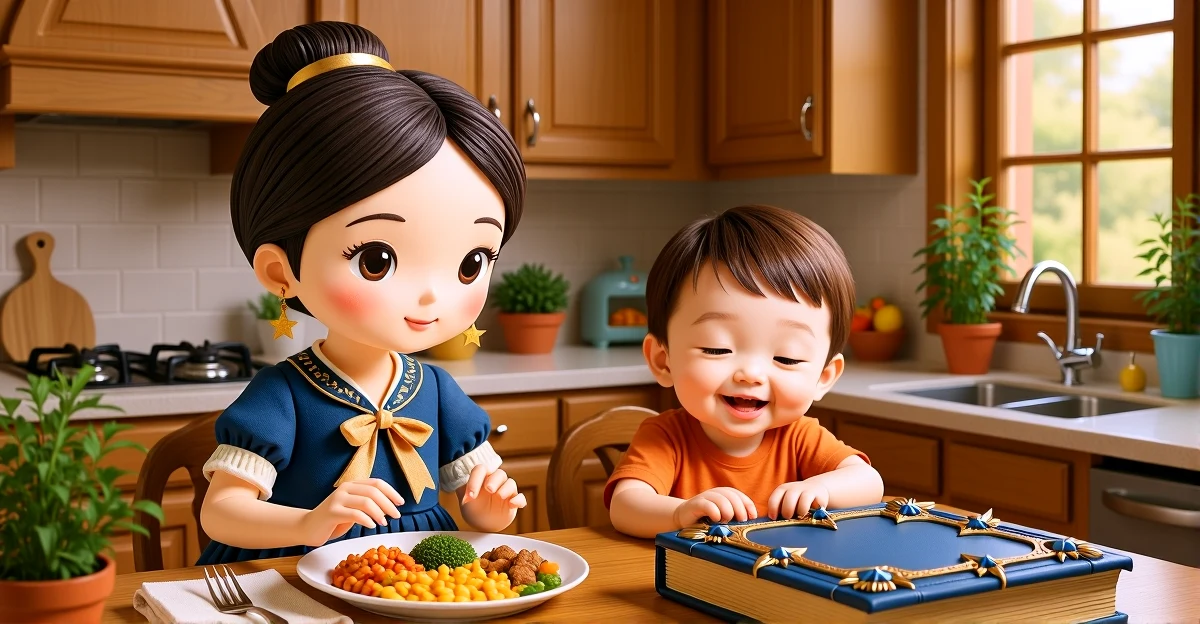
You've prepared a beautiful new meal, something you know is nutritious and delicious. You place it in front of your toddler with hope and excitement. And before you can even finish saying "try this," they've pushed the plate away, crossed their arms, and declared "NO!"
Or maybe it's a new playground, a new game, a new activity you KNOW they'd love if they'd just give it a chance. But instead of curiosity, you're met with resistance. Instead of exploration, you see retreat.
If this sounds familiar, I want you to know something right away: You are not alone. Not even a little bit. And more importantly, what you're experiencing isn't a problem to fix. It's a beautiful, protective phase of development that's unfolding exactly as it should. Today, we're going to explore why this happens, what the research tells us, and most importantly, how you can support your little one through this phase with gentleness, patience, and love.
What Is Neophobia? Understanding the Science Behind the Caution
There's a word for what you're experiencing, and it's called neophobia. It literally means "fear of the new," but I prefer to think of it as protective caution around unfamiliar experiences.
Here's what's SO important to understand: This isn't stubbornness. This isn't your child being difficult. This is their brain working EXACTLY as it's designed to work.
Research published in the peer-reviewed journal Nutrients shows that neophobia peaks between 18 and 24 months of age. During this window, your child's imagination is exploding. They're becoming more mobile, more independent, more aware of the vast world around them. And with all that newness comes a very wise little voice inside them that says, "Wait. Let me make sure this is safe before I dive in."
Think about it from an evolutionary perspective. Thousands of years ago, a toddler who cautiously approached new foods or new situations had a better chance of survival than one who rushed headfirst into everything. That protective instinct is still wired into your child's brain today, and it's actually a sign of healthy development.
The Genetic Component
Here's something that might surprise you: Studies show that neophobia is approximately 78% genetic. That means your child came into this world with their own unique temperament, their own pace for exploring new things. Some children are naturally more cautious, while others are natural explorers. Neither is better or worse. They're just different.
But here's the beautiful part. That other 22%? That's where YOU come in. That's where your patience, your warmth, your gentle encouragement makes all the difference in the world.
Why This Phase Is Actually Protective (Not Problematic)
I know it doesn't feel protective when you're trying to expand your child's diet or encourage them to try a fun new activity. I see you. I understand how frustrating it can feel.
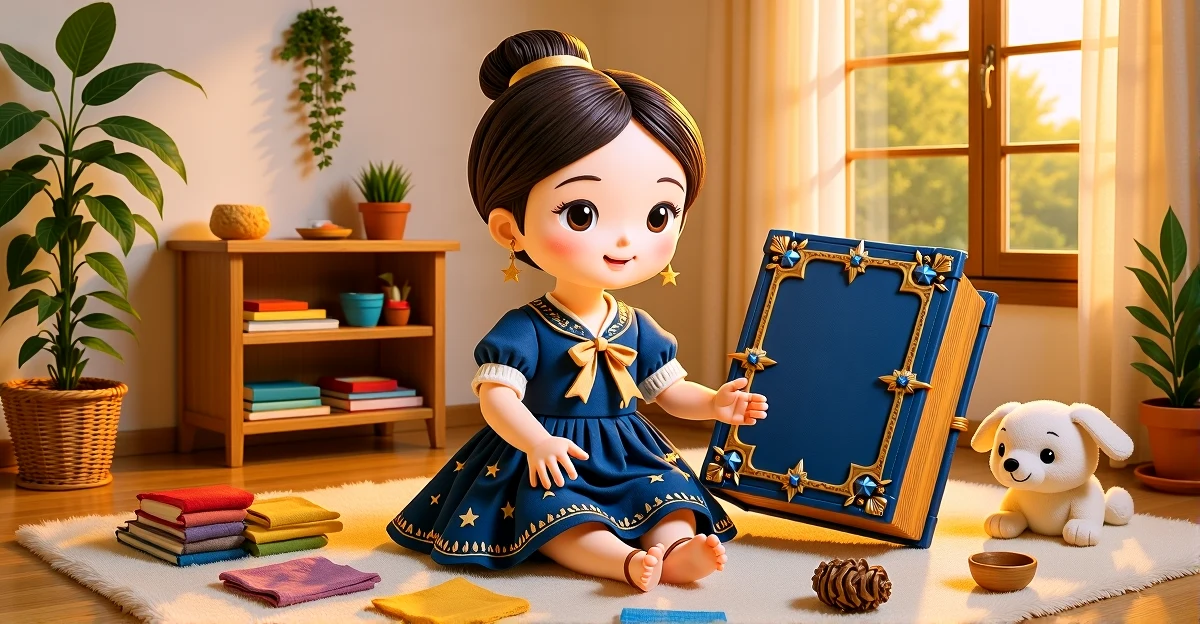
But let me share what the Magic Book taught me about this phase.
Your child is navigating an enormous world with a brain that's still developing. Their prefrontal cortex, the part of the brain responsible for decision-making and impulse control, won't be fully developed until they're in their mid-twenties. Right now, at age two or three, they're learning to assess risk, to distinguish between safe and unsafe, to trust their instincts.
When they say no to a new food, they're not rejecting your effort or your love. They're saying, "I need more information before I feel safe with this."
When they refuse to try a new activity, they're not being stubborn. They're honoring their need for familiarity and predictability in a world that feels very big and sometimes overwhelming.
"Neophobia is a natural stage of development, reaching its peak between 18 and 24 months. It requires education from a specialist and understanding on the part of the parent, rather than treatment when following its natural course."
— Białek-Dratwa et al., Nutrients Journal (2022)
This phase will pass. With your gentle support, with repeated exposure, with patience and love, your child WILL expand their willingness to try new things. But the message you send them during this phase? That lasts forever.
What Research Says: The Power of Gentle Exposure
So what actually works? What does the research tell us about supporting children through this cautious phase?
The answer is beautifully simple: Repeated exposure without pressure.
Studies consistently show that when children are exposed to new experiences multiple times, without any expectation or pressure to engage, their comfort level naturally increases. It might take ten exposures. It might take twenty. But familiarity breeds comfort, and comfort opens the door to curiosity.
What Doesn't Work (And Why)
Before we talk about what DOES work, let's talk about what doesn't. Research published by the Raising Children Network, an authoritative Australian parenting resource, is very clear on this: Pressure intensifies resistance.
When children feel forced to try new things, several things happen:
- Their stress response activates, making the experience genuinely unpleasant
- They associate the new thing with negative emotions
- Their natural resistance strengthens rather than softens
- The temporary phase can become a longer-lasting pattern
So if you've been trying to coax, bribe, or insist, please hear this with compassion: You didn't know. Now you do. And you can shift your approach starting today.
What DOES Work: The Gentle Approach
Here are research-backed strategies that actually support your child's natural development:
- Repeated Exposure Without Expectation: Put a tiny bit of the new food on their plate with zero expectation that they'll eat it. Let them see it, smell it, maybe touch it. Do this ten, fifteen, even twenty times. Eventually, curiosity wins.
- Model Curiosity Yourself: Children learn by watching the people they love most. When you try new foods with enthusiasm, when you explore new activities with joy, they're taking notes. They're thinking, "Oh, trying new things can be fun and safe."
- Celebrate Tiny Steps: Did your child LOOK at the new food today? That's progress! Did they touch a new toy, even if they didn't play with it? That's courage! When you notice and celebrate these small moments, you're building their confidence bit by bit.
- Create Positive Associations: Pair new experiences with familiar comfort. Introduce a new food alongside a favorite food. Suggest a new activity while you're together, with lots of warmth and connection. Make the new thing feel safe by surrounding it with familiar love.
- Honor Their Pace: Some children need more time than others. That's not a problem to fix. That's a temperament to honor. When you respect their pace, you're teaching them that their feelings matter, that it's safe to go slowly, that you'll be there supporting them no matter how long it takes.
"Self-esteem helps children try new things and face challenges. It develops through loving relationships, feedback and encouragement."
— Raising Children Network (2023)
Stories That Can Help
In The Book of Inara, we have a beautiful story that brings these concepts to life for your child in the most gentle, magical way:
The Kangaroo Who Learned to Hop
Perfect for: Ages 2-3
What makes it special: This gentle tale follows Young Kangaroo, who feels uncertain about learning to hop. It's new, it's unfamiliar, and Young Kangaroo isn't sure they can do it. But with the patient support of Wallaby, a wise friend who never pushes or pressures, Young Kangaroo discovers that trying new things takes time, that it's okay to go slowly, and that having someone who believes in you makes all the difference.
Key lesson: Practice and patience lead to amazing things. Everyone needs time when learning something new, and that's not just okay—it's beautiful.
How to use it: After reading this story together, you can remind your child, "Just like Young Kangaroo, everyone needs practice when trying something new. We celebrate the trying, not just the succeeding. We honor the courage it takes to step outside our comfort zone."
You're Doing Beautifully
I want to leave you with something really important.
This phase, this beautiful protective caution your child is showing, it will pass. With your gentle support, with repeated exposure, with patience and love, your child WILL expand their willingness to try new things.
But here's what won't pass: The message you're sending them right now.
When you respond with empathy instead of frustration, you're teaching them that their feelings matter. That it's safe to go at their own pace. That you'll be there, cheering them on, no matter how long it takes.
And THAT is the foundation of confidence, curiosity, and courage that will serve them for their entire life.
So be gentle with yourself. Be patient with your little one. Trust the process. And remember, the Magic Book and I are always here, offering stories and support whenever you need us.
You're doing such beautiful work, raising your child with love and intention. I see you, I celebrate you, and I'm sending you all the starlight and encouragement in the universe.
With love and cosmic wonder,
Inara
Related Articles
- When Your Child Refuses New Activities: Understanding Neophobia (Ages 3-4)
- Understanding Food Neophobia in Toddlers: A Gentle Guide for Parents
- Understanding Your Toddler's Need for Connection: The Journey from Attachment to Independence
- Understanding Your Toddler's Sensitivity to Loud Sounds (And How to Help)
- When Your Toddler Wakes Up Screaming: Understanding Night Terrors
Show transcript
Hello, my wonderful friend! It's me, Inara, and I am SO happy you're here today. You know, the Magic Book and I have been noticing something beautiful happening in homes all around the world. Parents are reaching out, asking for help with something that feels really challenging. They're saying, my child refuses to try new games, new foods, new experiences, and I don't know what to do.
And I want you to know something right away. If this is happening in your home, you are not alone. Not even a little bit. In fact, what you're experiencing is one of the most NORMAL parts of early childhood development. And today, we're going to talk about why this happens, what it means, and most importantly, how you can support your little one through this phase with gentleness and love.
So grab a cozy cup of tea, settle in, and let's explore this together.
First, let me tell you what the Magic Book taught me about this. When your child between ages two and three hesitates to try new things, they're not being stubborn. They're not being difficult. They're actually showing you that their brain is working EXACTLY as it should.
There's a beautiful word for this, and it's called neophobia. It means a natural caution around new experiences. And here's what's amazing. Research shows that this protective instinct peaks right around eighteen to twenty-four months. It's your child's brain saying, wait, let me make sure this is safe before I dive in.
Think about it from their perspective. They're discovering that the world is HUGE and full of unknowns. Their imagination is growing every single day. They're becoming more mobile, more independent, more aware. And with all that newness comes a very wise little voice inside them that says, maybe I should stick with what I know for now.
This isn't a problem to fix, my friend. This is development unfolding beautifully.
Now, I know that doesn't make it less frustrating when you've prepared a lovely new meal and your child won't even look at it. Or when you suggest a fun new activity and they say no before you've even finished the sentence. I see you. I understand how hard that can feel.
But here's what the research tells us, and this is SO important. Studies show that this phase is actually seventy-eight percent genetic. That means your child came into this world with their own unique temperament, their own pace for exploring new things. And the other twenty-two percent? That's where YOU come in, with your patience, your warmth, and your gentle encouragement.
The Magic Book showed me something wonderful. When parents respond to this cautious phase with empathy instead of frustration, children develop better emotional regulation. They learn to trust their own instincts AND trust that their parents will support them. They build confidence at their own pace, which creates a foundation that lasts a lifetime.
So what does this look like in real life? Let me share some gentle strategies that really work.
First, repeated exposure without pressure. This is the golden key, my friend. If your child says no to a new food, that's okay. Put a tiny bit on their plate anyway, with no expectation that they'll eat it. Let them see it, smell it, maybe touch it. Do this ten, fifteen, even twenty times. Research shows that familiarity breeds comfort. Eventually, curiosity wins.
Second, model the behavior yourself. Children learn by watching the people they love most. If you're trying new foods with enthusiasm, if you're exploring new activities with joy, they're taking notes. They're thinking, oh, trying new things can be fun and safe.
Third, celebrate tiny steps. Did your child LOOK at the new food today? That's progress! Did they touch a new toy, even if they didn't play with it? That's courage! When you notice and celebrate these small moments, you're building their confidence bit by bit.
Fourth, never use pressure or force. The research is SO clear on this. When children feel pressured to try new things, it actually intensifies their resistance. It can turn a temporary phase into a longer-lasting pattern. But when they feel safe, supported, and free to explore at their own pace, they naturally expand their comfort zone.
And here's something beautiful. Create positive associations. If you're introducing a new food, pair it with a favorite food. If you're suggesting a new activity, do it together, with lots of warmth and connection. Make the new thing feel safe by surrounding it with familiar love.
Now, let me tell you about a story that the Magic Book and I think will help SO much. It's called The Kangaroo Who Learned to Hop. And oh, my friend, it's perfect for this moment.
In this gentle tale, we meet Young Kangaroo, who feels uncertain about learning to hop. It's new, it's unfamiliar, and Young Kangaroo isn't sure they can do it. But here's what makes this story so special. Young Kangaroo has a wise friend named Wallaby, who shows patience, who offers encouragement, who never pushes or pressures.
And slowly, with practice and support, Young Kangaroo discovers that trying new things takes time. That it's okay to go slowly. That having someone who believes in you makes all the difference.
When you read this story with your child, something magical happens. They see themselves in Young Kangaroo. They understand that hesitation is normal. They learn that practice and patience lead to amazing things. And YOU get to be like Wallaby, the gentle supporter who celebrates every small hop forward.
After you read this story together, you can remind your child, just like Young Kangaroo, everyone needs practice when trying something new. We celebrate the trying, not just the succeeding. We honor the courage it takes to step outside our comfort zone.
You can find The Kangaroo Who Learned to Hop in The Book of Inara, along with hundreds of other stories that support your child's emotional growth.
Now, I want to leave you with something really important. This phase, this beautiful, protective caution your child is showing, it will pass. With your gentle support, with repeated exposure, with patience and love, your child WILL expand their willingness to try new things.
But here's what won't pass. The message you're sending them right now. When you respond with empathy instead of frustration, you're teaching them that their feelings matter. That it's safe to go at their own pace. That you'll be there, cheering them on, no matter how long it takes.
And THAT, my wonderful friend, is the foundation of confidence, curiosity, and courage that will serve them for their entire life.
So be gentle with yourself. Be patient with your little one. Trust the process. And remember, the Magic Book and I are always here, offering stories and support whenever you need us.
Thank you so much for being here today. You're doing such beautiful work, raising your child with love and intention. I see you, I celebrate you, and I'm sending you all the starlight and encouragement in the universe.
Until our next adventure together, sweet dreams, my wonderful friend.