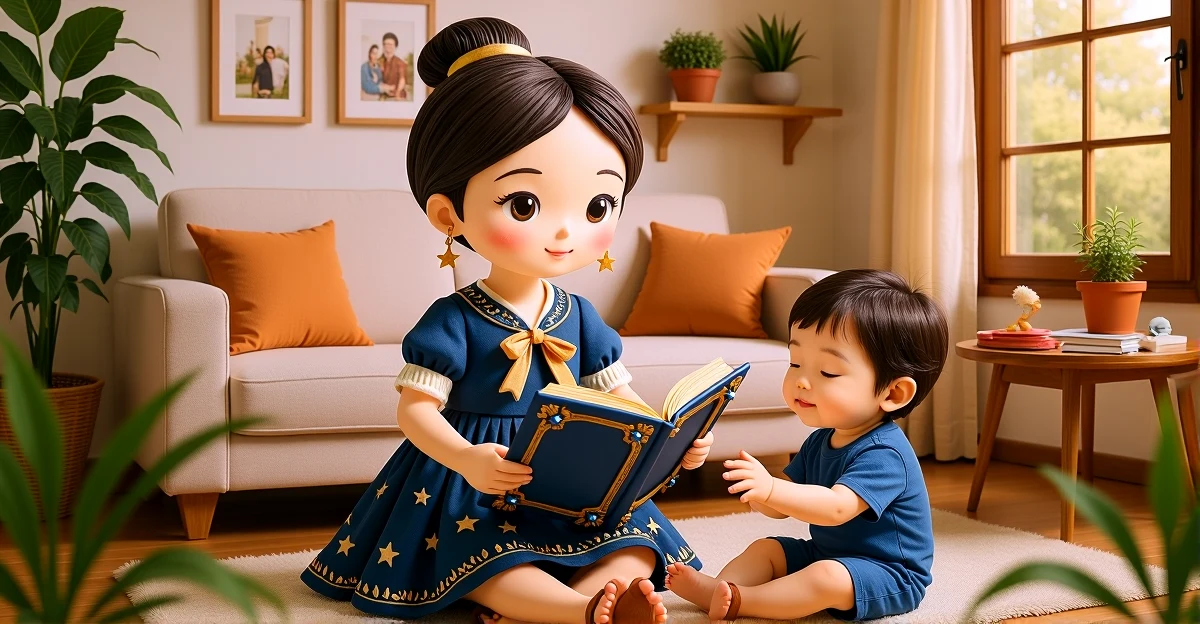

Hello, wonderful parent! It is me, Inara, and I am so glad you are here. Let me guess what brought you to this page today. Your little one just cannot seem to wait for anything without having a complete meltdown. Whether it is waiting for a snack, waiting for you to finish what you are doing, or waiting their turn at the playground, every moment of waiting turns into tears, frustration, and sometimes full-blown tantrums. You have tried being patient. You have tried explaining. You have tried everything you can think of. And still, waiting feels impossible for your child.
I want you to know something really important right now. You are not alone in this. This is one of the MOST common challenges parents of two and three year olds face. And here is the beautiful truth that the Magic Book taught me: there is nothing wrong with your child. In fact, what you are experiencing is completely, wonderfully, perfectly normal development.
In this post, I am going to share with you exactly why waiting is so incredibly hard for toddlers, what research tells us about patience development, and most importantly, gentle strategies that actually work to help your little one build this essential skill. Plus, I will introduce you to a story from the Magic Book that shows children, in the most beautiful way, that patience is something we learn and practice, not something we are born with.
Why Toddler Brains Are Not Wired for Patience Yet
Here is something that might surprise you, and I hope it brings you relief. Your two or three year old's brain is literally not yet wired for patience. I know that sounds almost too simple, but it is true!
The part of the brain that helps us wait patiently, that helps us control our impulses and think about the future, is called the prefrontal cortex. And in your toddler, that part of the brain is still growing and developing. In fact, it will not be fully developed until they are in their twenties! So when your little one melts down because they have to wait even thirty seconds for their juice, they are not being difficult or manipulative. Their brain simply has not developed the capacity for waiting yet.
Think about it this way. Asking a two year old to wait patiently is a bit like asking them to run a marathon before they have learned to walk. The physical and neurological infrastructure just is not there yet. And that is not a failure on their part or yours. It is just development unfolding exactly as it should.
What Happens in Your Toddler's Brain When You Ask Them to Wait
When you ask your toddler to wait, something fascinating and challenging happens in their little nervous system. To them, waiting does not just feel uncomfortable. It feels almost impossible, sometimes even painful. They want that cookie NOW. They want your attention NOW. They want to go to the park NOW. And when they cannot have it immediately, their brain floods with big feelings that they do not have words for yet.
Their nervous system goes into what we might call emergency mode. From their perspective, this is not a small inconvenience. This is a crisis. And they respond the only way they know how: with tears, with frustration, with their whole body expressing what their words cannot yet say.
They are not trying to make your life difficult. They are having a genuinely hard time managing the discomfort of waiting. And that distinction matters SO much.
What Research Says About Patience Development
Research from child development experts shows us something beautiful about this stage. Between the ages of two and three, children are in this amazing transition period. They are moving from relying completely on automatic responses, like crying when they are upset, to slowly, gradually learning more intentional ways to manage their big feelings. But this transition takes YEARS, not days or weeks.
As your child's language skills develop and they gain more experience with waiting, you can expect them to be more patient. But the key words there are, as they develop and as they gain experience. This is a skill that grows over time, just like learning to walk or learning to talk.
— Dr. Claire Lerner, LCSW, Child Development Specialist, Zero to Three
Research from Pennsylvania State University shows that between ages two and three, children naturally turn to their parents for help when things feel hard. Toddlers will ask for support, they will call out to you, they will reach for you, because you are their safe place. And that is exactly what they should be doing! Around age three, as their language develops more, they might use more words to express their frustration about waiting. But they still need your help, your patience, and your understanding.
The research also shows us something hopeful. Children who have parents that acknowledge their struggles, who provide gentle support, and who help them develop little strategies for waiting, those children develop better emotional regulation skills as they grow. By age five, they are much better at managing the discomfort of waiting. But it starts here, at age two and three, with your patience, your understanding, and your gentle guidance.
Gentle Strategies to Help Your Child Develop Patience
So what can we do to help our little ones develop this patience muscle? Because it IS like a muscle. It gets stronger with gentle practice over time. Here are strategies that research shows actually work:
1. Acknowledge How Hard Waiting Is
This is SO important, and it is often the first step we skip. When your child is melting down because they have to wait, you might say something like, I know waiting is really hard. You want that snack right now. I understand. That simple validation helps them feel seen and understood. And research shows that when children feel understood, they actually try harder to manage their feelings.
You are not rewarding the meltdown. You are acknowledging the genuine difficulty they are experiencing. There is a huge difference.
2. Use Visual Timers
Visual timers are WONDERFUL for toddler brains. You can set a timer and say, when the timer goes ding, then we will have our snack. This gives them something to see and understand, because abstract time, like five minutes, does not mean anything to a toddler brain yet.
You can use a kitchen timer, a sand timer, or even a timer app on your phone. The key is that they can SEE time passing, which makes the waiting feel more concrete and manageable.
3. Model Patience Yourself
I know this is hard, especially when you are tired and you have heard the same request seventeen times in a row. But when our little ones see us taking deep breaths, staying calm when we have to wait in line, or saying things like, oh, this is taking a while, but that is okay, I can wait, they are learning from us. They are watching how we handle waiting, and slowly, over time, they will start to copy those strategies.
4. Help Them Develop Waiting Strategies
Here is something beautiful. We can help them find ways to occupy themselves during waiting time. You might say, what can we do while we are waiting? Should we count the birds outside? Should we sing a song? Should we play I spy? When you help them find ways to fill the waiting time, you are teaching them that waiting does not have to feel empty or painful. It can be filled with connection and gentle activities.
5. Keep Expectations Reasonable
Asking your two year old to wait an hour for food is just too long. Their little bodies and brains cannot handle that yet. Keep waiting times short at first. Maybe thirty seconds. Then a minute. Then two minutes. You are building their capacity gradually, like strengthening a muscle.
6. Celebrate Small Wins
When your child does wait, even for just a few seconds, celebrate it! You waited while I finished washing this dish! You are getting so good at waiting! This positive reinforcement helps them see that waiting is a skill they are developing, and they are making progress.
A Story That Can Help
In The Book of Inara, we have a beautiful story that shows children, in the most gentle and magical way, that patience is a skill we develop through practice. Let me tell you about it:
The Kangaroo Who Learned to Hop
Perfect for: Ages 2-3
What makes it special: This gentle tale follows Young Kangaroo who wants so badly to hop like the big kangaroos. But hopping is hard! It takes practice, and it takes time. Young Kangaroo has to wait for his muscles to get stronger, wait for his balance to improve, wait for his body to be ready. And with the help of his wise friend Wallaby, Young Kangaroo discovers something magical. Every little hop, even the tiny ones, are helping him get better. Every time he practices, even when it is hard, he is growing stronger.
Key lesson: This story beautifully demonstrates that good things come to those who practice and wait. Just like Young Kangaroo had to wait for his hopping skills to develop, your child is waiting for their patience skills to develop. And every time they wait, even if it is just for a few seconds, even if they need your help to do it, they are practicing. They are getting a little bit stronger.
How to use it: After you read this story together, you can remind your child, remember how Young Kangaroo practiced hopping? You are practicing waiting, and every time you wait, you are getting better at it, just like Young Kangaroo got better at hopping. This gentle connection helps them see that patience is not something they either have or do not have. It is something they are learning, step by step, hop by hop.
You Are Doing Beautifully
I want you to hear this, wonderful parent. When your toddler melts down over waiting, it is not a reflection of your parenting. It is not a sign that something is wrong. It is a completely normal part of brain development. Your child is learning one of life's most important skills: the ability to tolerate discomfort and delay gratification. And they are learning it with you by their side, supporting them, believing in them, and showing them that waiting is hard, but they can do hard things.
This phase will not last forever. With your gentle guidance, your patience, and your understanding, your child will develop the capacity to wait. But it happens gradually, over years, not overnight. And every moment you spend acknowledging their struggle, helping them find strategies, and staying calm yourself, you are building their emotional regulation skills for life.
The Magic Book and I believe in you. We believe in your little one. And we are here to support you with stories, with wisdom, and with love. You are raising a human being with patience, with care, and with such beautiful dedication. And that is the most important work in the universe.
With love and starlight, Inara
Related Articles
- Helping Your Toddler Develop Patience: What Research Says
- Understanding Why Toddlers Hit and Bite (And Gentle Ways to Help)
- Why Transitions Are Hard for Toddlers (And Gentle Strategies That Help)
- Why Your 3-Year-Old Can't Wait (And How to Gently Build Patience)
- Why Your Toddler Struggles with Gentle Touch (And How to Help)
Show transcript
Hello, wonderful parent! It's me, Inara, and I am so happy you're here today. You know, the Magic Book and I have been hearing from so many parents lately about something that feels really challenging. Maybe you're experiencing this too. Your little one just cannot seem to wait for anything without having a complete meltdown. Whether it's waiting for a snack, waiting for you to finish what you're doing, or waiting their turn at the playground, it feels like every moment of waiting turns into tears and frustration. And I want you to know something really important right now. You are not alone in this, and there is nothing wrong with your child.
Let me share something WONDERFUL that the Magic Book taught me about toddler brains and waiting. Are you ready? Here it is. Your two or three year old's brain is literally not yet wired for patience. I know that might sound surprising, but it's true! The part of the brain that helps us wait patiently, that helps us control our impulses and think about the future, is called the prefrontal cortex. And in your toddler, that part of the brain is still growing and developing. It won't be fully developed until they're in their twenties! So when your little one melts down because they have to wait even thirty seconds for their juice, they're not being difficult or manipulative. Their brain simply hasn't developed the capacity for waiting yet.
Research from child development experts shows us something beautiful. Between the ages of two and three, children are in this amazing transition period. They're moving from relying completely on automatic responses, like crying when they're upset, to slowly, gradually learning more intentional ways to manage their big feelings. But this transition takes YEARS, not days or weeks. Dr. Claire Lerner, a child development specialist at Zero to Three, explains it this way. As your child's language skills develop and they gain more experience with waiting, you can expect them to be more patient. But the key words there are, as they develop and as they gain experience. This is a skill that grows over time, just like learning to walk or learning to talk.
Here's what's actually happening in your toddler's brain when you ask them to wait. Their little nervous system goes into what we might call emergency mode. To them, waiting feels impossible, almost painful. They want that cookie NOW, they want your attention NOW, they want to go to the park NOW. And when they can't have it immediately, their brain floods with big feelings that they don't have words for yet. They're not trying to make your life difficult. They're having a genuinely hard time managing the discomfort of waiting.
The Magic Book showed me something else that's really important. Between ages two and three, children naturally turn to their parents for help when things feel hard. Research shows that toddlers will ask for support, they'll call out to you, they'll reach for you, because you are their safe place. And that's exactly what they should be doing! Around age three, as their language develops more, they might use more words to express their frustration about waiting. But they still need your help, your patience, and your understanding.
So what can we do to help our little ones develop this patience muscle? Because it is like a muscle, it gets stronger with gentle practice over time. First, and this is so important, we can acknowledge how hard waiting is for them. When your child is melting down because they have to wait, you might say something like, I know waiting is really hard. You want that snack right now. I understand. That simple validation helps them feel seen and understood, and research shows that when children feel understood, they actually try harder to manage their feelings.
Second, we can use tools that make waiting more concrete for their developing brains. Visual timers are WONDERFUL for this. You can set a timer and say, when the timer goes ding, then we'll have our snack. This gives them something to see and understand, because abstract time, like five minutes, doesn't mean anything to a toddler brain yet.
Third, we can model patience ourselves. I know this is hard, especially when you're tired and you've heard the same request seventeen times in a row. But when our little ones see us taking deep breaths, staying calm when we have to wait in line, or saying things like, oh, this is taking a while, but that's okay, I can wait, they're learning from us. They're watching how we handle waiting, and slowly, over time, they'll start to copy those strategies.
And here's something beautiful. We can help them develop little strategies for waiting. You might say, what can we do while we're waiting? Should we count the birds outside? Should we sing a song? Should we play I spy? When you help them find ways to occupy themselves during waiting time, you're teaching them that waiting doesn't have to feel empty or painful. It can be filled with connection and gentle activities.
Now, let me tell you about a story from the Magic Book that shows this so beautifully. It's called The Kangaroo Who Learned to Hop. In this gentle tale, Young Kangaroo wants so badly to hop like the big kangaroos. But hopping is hard! It takes practice, and it takes time. Young Kangaroo has to wait for his muscles to get stronger, wait for his balance to improve, wait for his body to be ready. And with the help of his wise friend Wallaby, Young Kangaroo discovers something magical. Every little hop, even the tiny ones, are helping him get better. Every time he practices, even when it's hard, he's growing stronger.
This story is perfect for helping your little one understand that waiting and practicing are part of growing. Just like Young Kangaroo had to wait for his hopping skills to develop, your child is waiting for their patience skills to develop. And every time they wait, even if it's just for a few seconds, even if they need your help to do it, they're practicing. They're getting a little bit stronger.
After you read this story together, you can remind your child, remember how Young Kangaroo practiced hopping? You're practicing waiting, and every time you wait, you're getting better at it, just like Young Kangaroo got better at hopping. This gentle connection helps them see that patience isn't something they either have or don't have. It's something they're learning, step by step, hop by hop.
The research is really clear on this. Children who have parents that acknowledge their struggles, who provide gentle support, and who help them develop little strategies for waiting, those children develop better emotional regulation skills as they grow. By age five, they're much better at managing the discomfort of waiting. But it starts here, at age two and three, with your patience, your understanding, and your gentle guidance.
I want you to hear this, wonderful parent. When your toddler melts down over waiting, it's not a reflection of your parenting. It's not a sign that something is wrong. It's a completely normal part of brain development. Your child is learning one of life's most important skills, the ability to tolerate discomfort and delay gratification. And they're learning it with you by their side, supporting them, believing in them, and showing them that waiting is hard, but they can do hard things.
The Magic Book and I believe in you. We believe in your little one. And we're here to support you with stories, with wisdom, and with love. You can find The Kangaroo Who Learned to Hop and so many other beautiful stories in The Book of Inara. Each story is crafted with care to help your child navigate these big developmental moments with gentleness and wonder.
Thank you for being here, for caring so deeply about your child's development, and for seeking understanding instead of quick fixes. You're doing something beautiful. You're raising a human being with patience, with love, and with wisdom. And that is the most important work in the universe.
With love and starlight, Inara.