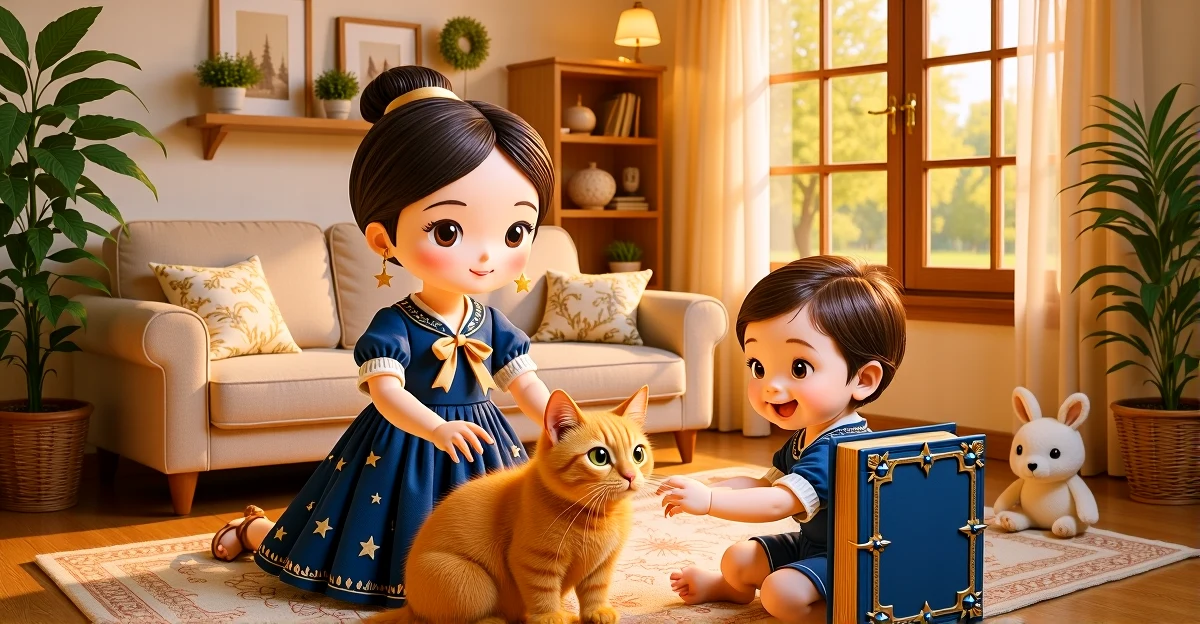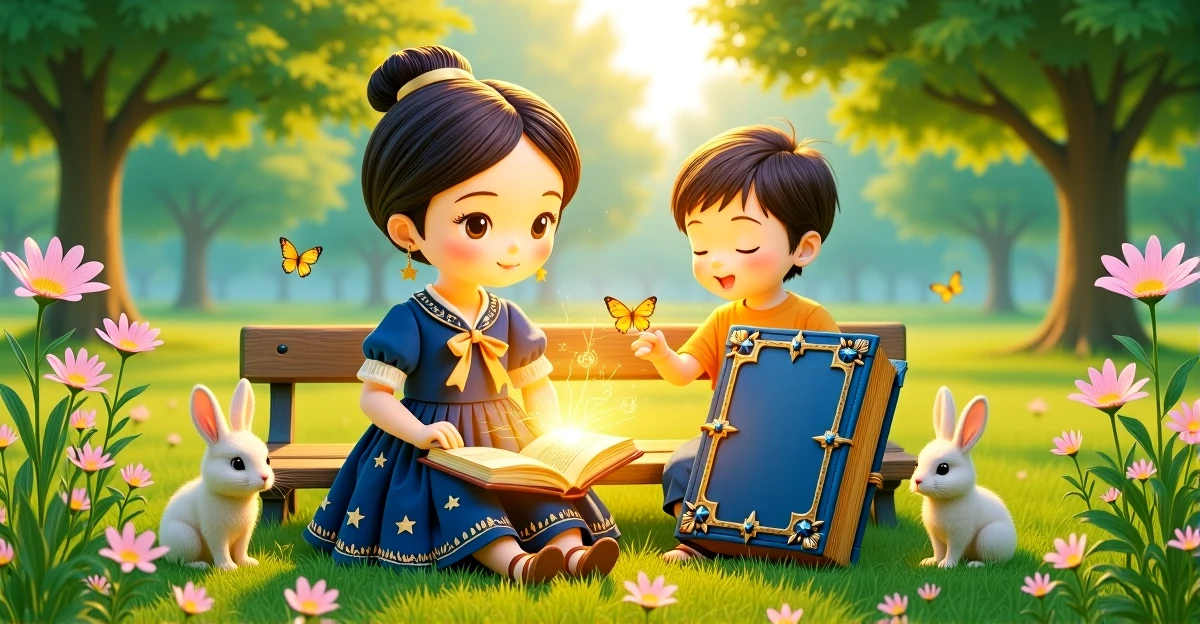

Your two-year-old reaches out to pet the family cat, and before you can intervene, their hand comes down just a bit too hard. Or maybe your toddler gives their baby sibling a hug that's more squeeze than snuggle. Perhaps they pat a friend's face with such enthusiasm that it's more of a slap than a gentle touch.
If this sounds familiar, I want you to know something right from the start: you're not alone, and your little one is doing exactly what they're supposed to be doing at this age. When your toddler uses rough hands, they're not being unkind or aggressive. They're in the middle of one of the most BEAUTIFUL developmental journeys of early childhood—they're learning empathy, and that takes time.
In this guide, we'll explore why toddlers ages 2-3 sometimes use rough touches, what the research tells us about empathy development, and most importantly, gentle strategies you can use to help your child learn soft, caring touch. We'll also share a magical story from The Book of Inara that brings these concepts to life in a way your child can understand and love.
Why Toddlers Use Rough Hands: Understanding Brain Development
Here's something that might surprise you: research from the University of Michigan shows that empathic concern for others naturally emerges by the second year of life. Your child's capacity for empathy is already blooming inside them like a tiny seed of starlight. They WANT to connect, they WANT to show affection, they WANT to be gentle.
So why do their hands sometimes feel so rough?
The answer lies in a part of the brain called the prefrontal cortex—the area responsible for impulse control, planning, and thinking before acting. In toddlers ages 2-3, this part of the brain is still developing. It's like a beautiful garden that's just beginning to sprout. When your child reaches out to touch something they love, their brain is saying, "I want to connect! I want to show affection!" But the part that says, "Wait, let me be gentle about this," is still learning how to work.
And here's what's truly wonderful: this is completely normal. Zero to Three, an organization dedicated to early childhood development, tells us that toddlers ages 2-3 are actively building the neural pathways for self-control and emotional regulation. This isn't something that happens overnight. It's a gradual, normal developmental journey, and you get to be their guide.
The Gap Between Intention and Action
Think of it this way: your toddler's heart is saying, "I love this cat SO much!" Their brain is saying, "Show the cat you love them!" But the connection between that loving intention and the gentle action is still being built, synapse by synapse, experience by experience.
This is why you might see your child be perfectly gentle one moment and then use rough hands the next. They're not being inconsistent or difficult—they're practicing a skill that takes thousands of repetitions to master.
What Research Says About Empathy Development in Toddlers
The research on empathy development in young children is both fascinating and reassuring. Dr. Rebecca Waller and Dr. Luke W Hyde from the University of Michigan have conducted extensive research on how empathy develops in early childhood, and their findings are beautiful.
"Warm parenting and mutually responsive orientation between parent and child are particularly important for promoting the development of empathy and conscience."
— Dr. Rebecca Waller and Dr. Luke W Hyde, University of Michigan
What this means in everyday language is this: when you respond to your child with warmth, when you guide them gently, when you practice together with patience, you're building the foundation for a lifetime of empathy and kindness.
The research shows us that empathy develops through something called "affective empathy"—the ability to emotionally resonate with others' feelings. This capacity begins in infancy and flourishes through loving parent-child interactions. Every time you model gentle behavior, every time you narrate your own gentle actions, every time you celebrate your child's soft touch, you're nurturing this beautiful capacity.
The Role of Impulse Control
Child development experts at Lovevery explain that toddlers engage in impulsive behaviors because the part of their brain responsible for controlling actions and emotions is still developing. Teaching gentle touch requires patience and understanding that impulse control is a developmental skill that takes time—sometimes years.
The National Association for the Education of Young Children emphasizes that empathy and kindness can be cultivated through intentional modeling and positive reinforcement. This is such hopeful news! It means that you have the power to nurture your child's natural capacity for gentleness through your everyday interactions.
Gentle Strategies to Teach Soft Touch
Now that we understand WHY toddlers sometimes use rough hands, let's talk about HOW to help them learn gentle touch. These strategies are backed by research and designed to work with your child's developing brain, not against it.
1. Model Gentle Behavior
Your child is watching you constantly, learning how to move through the world by observing your actions. Show them what gentle looks like by demonstrating soft touches on your own arm, saying, "This is gentle. Feel how soft and calm this is?" Then guide their hand to touch gently, narrating what you're doing: "Your hand is being so gentle right now. That feels nice and calm."
You can practice gentle touches together on different textures: soft blankets, stuffed animals, flower petals, or even plants. This gives your child lots of opportunities to feel what "gentle" means in their own hands.
2. Use Positive, Clear Language
Instead of saying "Don't be rough" (which tells them what NOT to do), try saying "Let's use gentle hands" or "Can you show me your soft touch?" This helps their developing brain understand what TO do, rather than just what to avoid.
When they DO use gentle touch, celebrate it! "You were so gentle with your baby brother just now! That made him smile." Or, "I saw you pet the dog softly. That's exactly how she likes it." These moments of recognition help your child's brain make the connection between gentle behavior and positive outcomes.
3. Practice with Plants and Nature
One of the most beautiful ways to teach gentle touch is through caring for plants. When children learn to touch leaves softly, water plants carefully, and handle flowers gently, they're learning that living things respond to gentle care. This is where one of my favorite stories comes in, and I think you're going to love it.
4. Stay Calm and Redirect
When your child forgets and uses rough hands (and they will—this is part of learning), stay calm. Get down to their level, make eye contact, and gently redirect: "Remember, we use gentle hands with our friends. Let me show you." Then model the gentle touch again.
The key is consistency and patience. Every gentle redirection is a teaching moment, building those neural pathways one interaction at a time.
5. Create Opportunities for Practice
Set up situations where your child can practice gentle touch in a safe, low-stakes environment. This might include:
- Caring for a houseplant together
- Gently brushing a pet (with supervision)
- Touching different textures in a sensory bin
- Practicing gentle hugs with stuffed animals
- Helping you handle delicate items like flowers or bubbles
Each of these experiences gives your child's brain another chance to practice the connection between intention and gentle action.
A Story That Brings Gentle Touch to Life
In The Book of Inara, we have a magical story that teaches children about gentle touch in the most beautiful way. It's called "The Greenhouse Where Plants Whisper Thank You," and it's perfect for this exact challenge.
The Greenhouse Where Plants Whisper Thank You
Perfect for: Ages 2-3
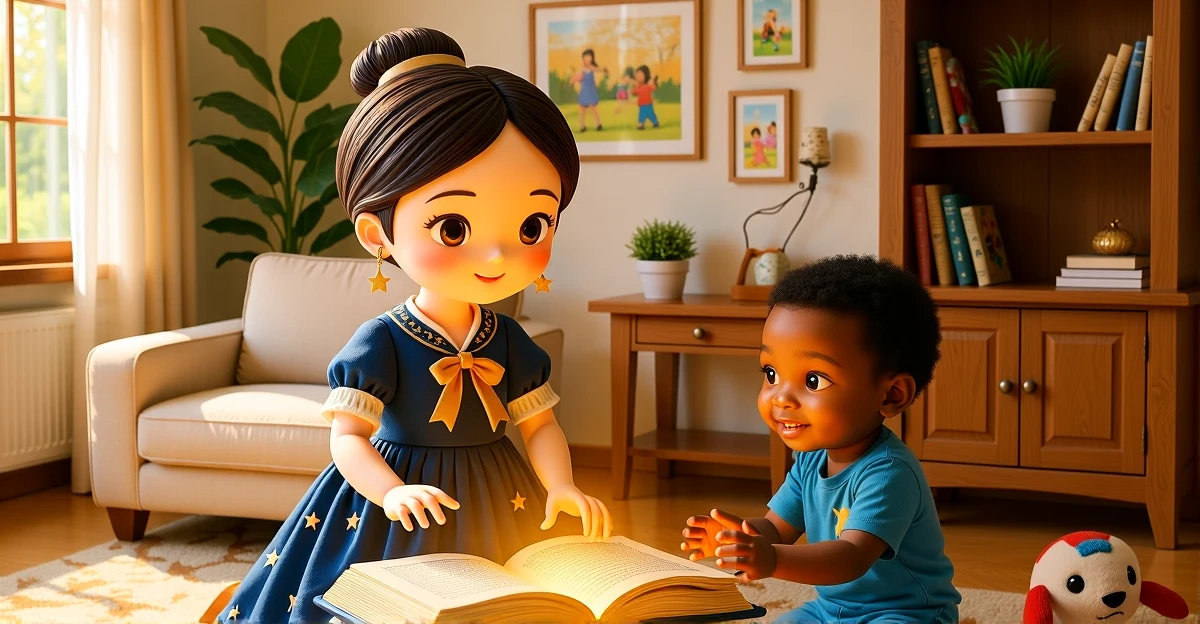
What makes it special: In this story, Milo and Nana discover a magical greenhouse where plants glow softly when they're cared for with gentle touches and kind words. It's such a beautiful way to show children that gentle care creates positive responses in the world around them.
Key lesson: When the plants in the story glow in response to Milo and Nana's gentle touches, children learn something profound—that their gentleness has power. It makes things beautiful. It makes living things happy. It creates connection and joy.
How to use this story: After you read this story together, you can create your own gentle touch practice. Maybe you have a houseplant you can care for together, or a pet, or even stuffed animals. You can narrate as you go, saying things like, "Look how happy the plant is when we touch it gently. See how our cat purrs when we pet her softly? Your gentle hands make others feel safe and loved."
The Long-Term Impact of Teaching Gentle Touch
When you teach your child gentle touch, you're doing so much more than preventing rough play. You're teaching them how to move through the world with kindness. You're showing them that love can be expressed through soft hands and caring actions. You're helping them develop the empathy that will serve them for their entire life.
Your child is learning that the world responds to gentleness. They're learning that living things—plants, animals, people—all deserve care and respect. They're learning that their actions have an impact, and that gentle actions create beautiful results.
This is such important work you're doing. And here's what I want you to remember: every child learns at their own pace. Some children grasp gentle touch quickly, others need more time and practice. Both are normal. Both are beautiful. Your child is exactly where they need to be.
You're Doing Beautifully
If you're reading this, it means you care deeply about your child's emotional development. It means you're seeking gentle, loving ways to guide them. It means you're willing to be patient with their learning process. And that makes you exactly the parent your child needs.
Be patient with yourself and with your little one. Celebrate the small victories. Notice when they remember to be gentle, even if it's just for a moment. Read stories like "The Greenhouse Where Plants Whisper Thank You" that show the magic of gentle care. Practice together with plants, pets, and people. And most importantly, model the gentleness you want to see.
The Magic Book reminds us that every child is on their own timeline, and that's perfectly okay. Your child's capacity for empathy is already there, blooming like a flower in springtime. With your gentle guidance, it will grow into something truly beautiful.
With love and starlight,
Inara
Related Articles
- Why Your Toddler Says Mine to Everything (And Why That is Beautiful)
- The Beautiful Science of Toddler Empathy: Supporting Your Child's Caring Heart (Ages 2-3)
- Understanding Why Toddlers Hit and Bite (And Gentle Ways to Help)
- Why Your Toddler Cannot Wait (And How to Gently Help)
- Why Your Toddler Struggles with Gentle Touch (And How to Help)
Show transcript
Hello, my wonderful friend! It's me, Inara, and I am SO happy you're here today. You know, the Magic Book and I have been noticing something beautiful happening in homes all around the world. Parents are reaching out, asking how to help their toddlers learn gentle touches with people and animals. And I want you to know something right from the start—if this is you, you're not alone, and your little one is doing exactly what they're supposed to be doing at this age.
Let me tell you what the Magic Book taught me about this. When your two or three-year-old reaches out with hands that feel a bit too rough, or hugs the family pet a little too tightly, or pats a friend's face with more enthusiasm than gentleness—they're not being unkind. They're in the middle of one of the most BEAUTIFUL developmental journeys of early childhood. They're learning empathy, and that takes time.
Here's something that might surprise you. Research from the University of Michigan shows that empathic concern for others naturally emerges by the second year of life. Your child's capacity for empathy is already blooming inside them like a tiny seed of starlight. But here's the thing—just like a seed needs time, water, and sunshine to grow into a flower, empathy needs time, practice, and your gentle guidance to fully develop.
The part of your toddler's brain that controls impulses—that helps them think before they act—is still growing. It's like a beautiful garden that's just beginning to sprout. When they reach out to touch something they love, their brain is saying, I want to connect! I want to show affection! But the part that says, Wait, let me be gentle about this, is still learning how to work. And that's completely normal.
Zero to Three, an organization that studies early childhood development, tells us that toddlers ages two to three are actively building the pathways for self-control and emotional regulation. This isn't something that happens overnight. It's a gradual, normal developmental journey, and you get to be their guide.
So what does this mean for you? It means that when your little one is learning gentle touch, they need three things from you. First, they need your patience. Second, they need you to model gentle behavior. And third, they need lots and lots of practice in a safe, loving environment where it's okay to still be learning.
Let me share some strategies that the Magic Book and child development experts recommend. First, show them what gentle looks like. Take their hand in yours and demonstrate soft touches on your own arm, saying, This is gentle. Feel how soft and calm this is? Then guide their hand to touch gently, narrating what you're doing. Your hand is being so gentle right now. That feels nice and calm.
Second, use simple, positive language. Instead of saying, Don't be rough, try saying, Let's use gentle hands. Or, Can you show me your soft touch? This helps their developing brain understand what TO do, rather than just what NOT to do.
Third, practice with different textures and objects. You can practice gentle touches on soft blankets, stuffed animals, or even plants. This is actually where one of my favorite stories comes in, and I think you're going to love this.
The Magic Book has a story called The Greenhouse Where Plants Whisper Thank You. In this story, Milo and Nana discover a magical greenhouse where plants glow softly when they're cared for with gentle touches and kind words. It's such a beautiful way to show children that gentle care creates positive responses in the world around them.
When the plants in the story glow in response to Milo and Nana's gentle touches, children learn something profound—that their gentleness has power. It makes things beautiful. It makes living things happy. It creates connection and joy.
After you read this story together, you can create your own gentle touch practice. Maybe you have a houseplant you can care for together, or a pet, or even stuffed animals. You can narrate as you go, saying things like, Look how happy the plant is when we touch it gently. See how our cat purrs when we pet her softly? Your gentle hands make others feel safe and loved.
Here's something else the research tells us that I find absolutely wonderful. The National Association for the Education of Young Children says that empathy and kindness can be cultivated through intentional modeling and positive reinforcement. That means every time you notice your child being gentle—even if it's just for a moment—you can celebrate it. You were so gentle with your baby brother just now! That made him smile. Or, I saw you pet the dog softly. That's exactly how she likes it.
These moments of recognition help your child's brain make the connection between gentle behavior and positive outcomes. They start to understand, Oh, when I'm gentle, good things happen. People smile. Animals are happy. I feel proud.
Now, I know there will be moments when your little one forgets and uses rough hands. This is normal. This is part of learning. When it happens, stay calm. Get down to their level, make eye contact, and gently redirect. Remember, we use gentle hands with our friends. Let me show you. Then model the gentle touch again.
The key is consistency and patience. Dr. Rebecca Waller and Dr. Luke Hyde from the University of Michigan emphasize that warm parenting and mutually responsive relationships are particularly important for promoting the development of empathy and conscience. What this means in everyday language is this—when you respond to your child with warmth, when you guide them gently, when you practice together with patience, you're building the foundation for a lifetime of empathy and kindness.
Your child is learning that the world responds to gentleness. They're learning that living things—plants, animals, people—all deserve care and respect. They're learning that their actions have an impact, and that gentle actions create beautiful results.
This is such important work you're doing, my friend. You're not just teaching your child how to touch gently. You're teaching them how to move through the world with kindness. You're showing them that love can be expressed through soft hands and caring actions. You're helping them develop the empathy that will serve them for their entire life.
So be patient with yourself and with your little one. Celebrate the small victories. Notice when they remember to be gentle, even if it's just for a moment. Read stories like The Greenhouse Where Plants Whisper Thank You that show the magic of gentle care. Practice together with plants, pets, and people. And most importantly, model the gentleness you want to see.
The Magic Book reminds us that every child is on their own timeline, and that's perfectly okay. Some children learn gentle touch quickly, others need more time and practice. Both are normal. Both are beautiful. Your child is exactly where they need to be.
You can find The Greenhouse Where Plants Whisper Thank You and many other stories about empathy, kindness, and gentle behavior in The Book of Inara. These stories are designed to help children understand these important concepts through magic, wonder, and characters they can relate to.
Thank you so much for being here today, my wonderful friend. Thank you for caring about your child's emotional development. Thank you for seeking gentle, loving ways to guide them. You're doing such beautiful work, and the Magic Book and I are always here to support you.
Until our next adventure together, with love and starlight, Inara.