
You ask your four-year-old to put on their shoes, wash their hands, and come to the table. Five minutes later, you find them standing in the hallway with one shoe on, completely absorbed in watching a dust particle float through a sunbeam. Sound familiar?
If you're wondering whether your child is ignoring you, being defiant, or just not listening, I have something WONDERFUL to share with you. Your child isn't being difficult. They're not trying to make your morning harder. What's actually happening is something beautiful and completely normal—their brain is still growing, still learning how to hold multiple pieces of information at once.
In this post, we'll explore the fascinating science of working memory development, why multi-step directions are genuinely challenging for 4-5 year olds, and gentle strategies that work WITH your child's developing brain. Plus, I'll share a magical story that helps children understand the power of listening and paying attention.
Understanding Working Memory: Your Child's Mental Workspace
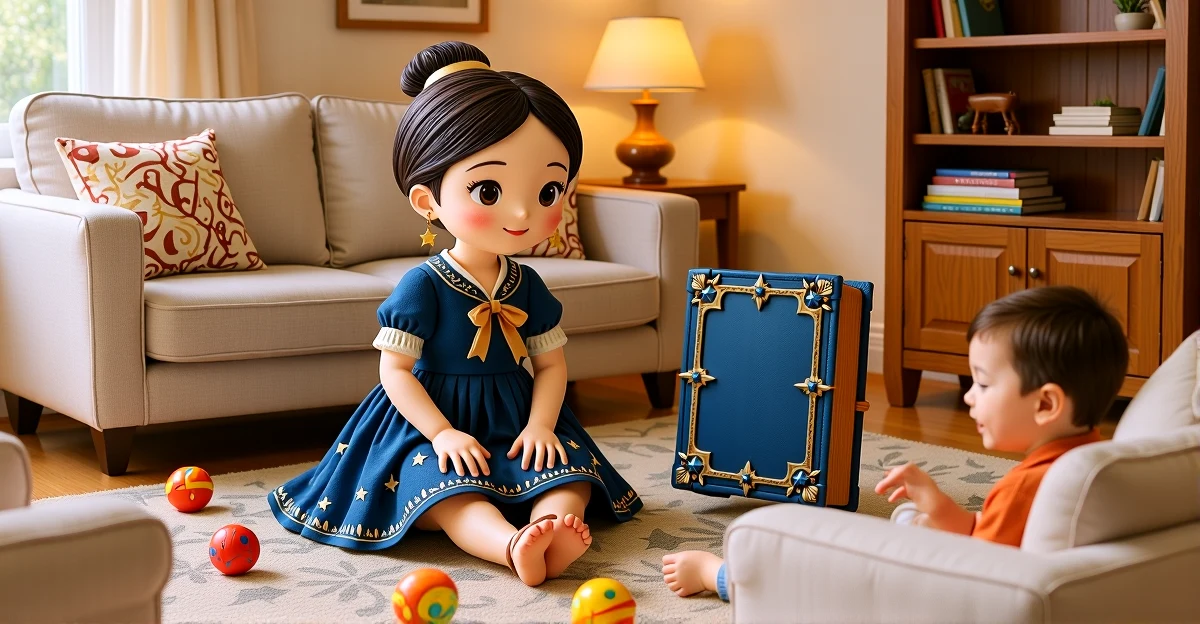
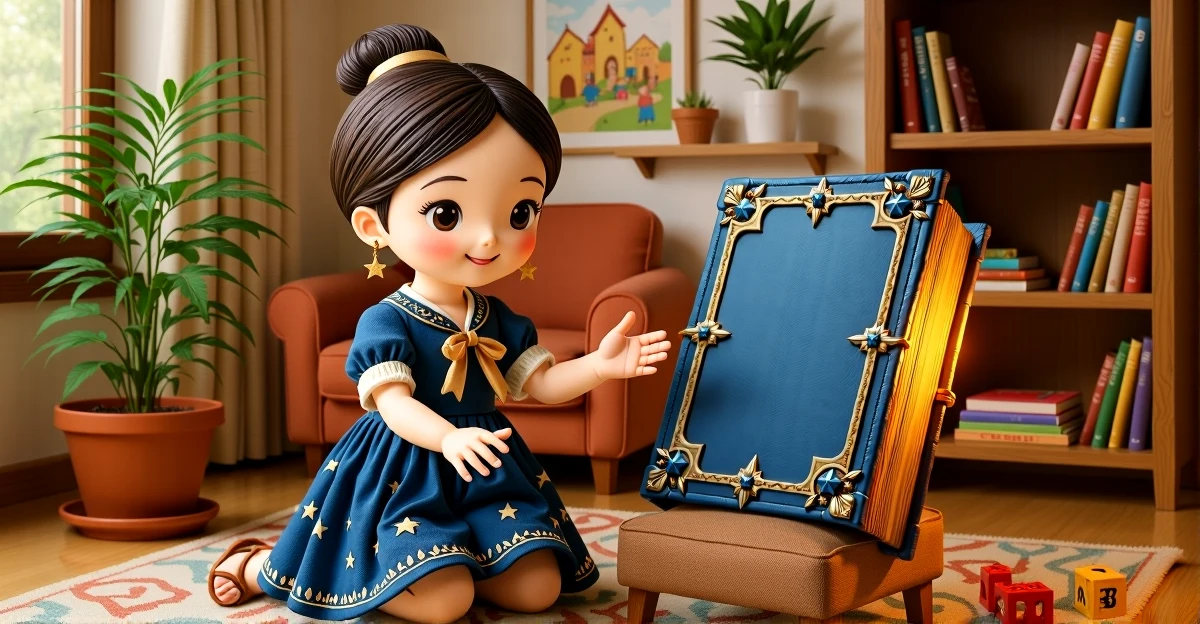
Let me tell you what the Magic Book taught me about this. There's something called working memory, and it's like a little workspace in the brain where we hold information while we're using it. Think of it as your brain's temporary sticky note system.
For adults, this workspace can hold about four to seven things at once. We can remember a phone number long enough to dial it, follow a recipe with multiple steps, or keep track of several tasks throughout the day. But for your four or five year old? Their workspace is still under construction.
At this age, working memory can really only hold about three or four pieces of information—and that's on a good day, when they're well-rested and not distracted by that fascinating dust particle. So when you say "put your shoes on, wash your hands, and come to the table," their beautiful, developing brain hears the first part—put your shoes on—and then, well, the rest kind of fades away like morning mist.
It's Not That They Don't Want to Listen
This is SO important to understand: It's not that they don't want to listen. It's that their brain is literally still learning HOW to hold all those steps at once. The neural pathways that support working memory are still forming, still strengthening, still growing. Your child is exactly where they're supposed to be developmentally.
What Research Tells Us About Following Directions
Research from child development experts shows us that this is a completely normal part of growing up. The National Academies research tells us that working memory and attention are key parts of something called executive function, and these skills show significant improvements throughout early childhood.
"When kids have trouble following instructions, it's often a sign of working memory challenges rather than willful disobedience."
— Child Mind Institute
Amanda Morin, a wonderful expert in learning differences at Understood.org, explains that younger kids may have trouble following a sequence of steps, and that's why giving directions one at a time helps children process information so much more effectively. She recommends using wait time—pausing three to seven seconds after giving a direction—to allow children's brains the time they need to process what was said and figure out what to do next.
The research is clear: when children struggle to remember or follow directions with multiple steps, they're not being defiant or difficult—they're experiencing a developmental limitation in their executive function skills. And here's the beautiful part: when parents respond with patience and use brain-based strategies, children develop better executive function skills over time.
Gentle Strategies That Work With Development
So what can we do to help? I'm so glad you asked, because the Magic Book and I have some beautiful strategies that work WITH your child's developing brain, not against it.
1. Give One Direction at a Time
Instead of "put your shoes on, wash your hands, and come to the table," try breaking it down. Say "please put your shoes on." Then, once they've done that, give the next direction: "Wash your hands now, please." And after that's complete: "Time to come to the table."
Yes, it takes a little more time. But it helps your child succeed, and that success builds their confidence AND their growing memory skills. Every time they successfully complete a direction, they're strengthening those neural pathways.
2. Use Wait Time
After you give a direction, pause for three to seven seconds. I know that might feel like forever when you're trying to get out the door, but this pause gives your child's brain the time it needs to process what you said and figure out what to do next. It's like giving their beautiful mind a moment to catch up.
3. Number Your Directions
When you do need to give multiple steps, try numbering them. You might say, "I have three things I need you to do. First, shoes. Second, hands. Third, table." When you number things like this, you're helping your child's brain organize the information. You're giving them a framework to hold onto.
4. Get Their Attention First
Get down to their level, use their name first, and wait for eye contact before giving the direction. This helps their brain shift attention from whatever they're focused on to what you're saying. It's like gently tuning their radio to your station before you start broadcasting.
5. Create Listening Rituals
Before you give directions, you could say, "Let's take a listening breath together." Take a deep breath with your child, and then give your direction. This little ritual helps your child's brain prepare to receive information. It creates a moment of connection and focus.
Additional Strategies That Help:
- Use visual cues: Point to the shoes, then the sink, then the table as you give each direction
- Make it playful: "Can you remember what comes after shoes? Let's see if your amazing brain can hold onto that!"
- Celebrate small wins: "You remembered! Your brain is getting SO good at holding onto information!"
- Be consistent: Use the same routines and sequences so your child can build memory patterns
- Stay calm: When they forget, take a breath and simply repeat the direction without frustration
Stories That Can Help
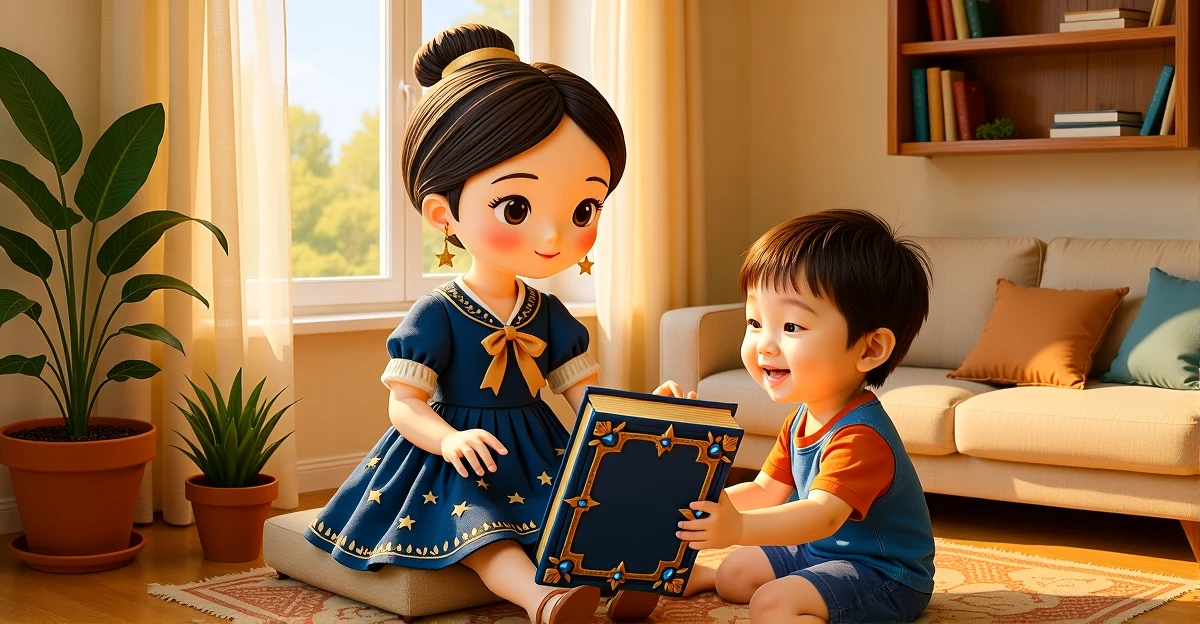
In The Book of Inara, we have beautiful stories that bring these concepts to life for your child. Stories are such a powerful way to help children understand skills like listening, attention, and following through.
The Listening Heart Center
Perfect for: Ages 4-5
What makes it special: This story teaches the power of quiet listening and paying attention to inner wisdom. Ethan and Sofia discover a magical place where quiet listening helps people understand what's needed. In the story, they learn that when they slow down and listen with their whole selves, they can hear the wisdom that's waiting for them.
Key lesson: When we practice quiet listening and pay attention, we can understand what to do next. Listening is a skill that grows with practice.
How to use it: After reading this story together, create your own "listening moments." Before you give directions, say "Let's take a listening breath together, just like Ethan and Sofia did." This connects the story's lesson to real-life situations.
The Listening Heart Center is a gentle way to help children understand that listening and paying attention are skills they can practice and grow. It removes any shame or blame and instead frames these abilities as beautiful capacities that develop over time.
The Beautiful Truth About Development
You know what I love most about understanding this? When you realize that your child's difficulty following multi-step directions isn't defiance, it changes everything. You can stay calm. You can be patient. You can work WITH their development instead of fighting against it.
And your child feels that shift. They feel safe. They feel supported. They feel capable instead of criticized. And in that safety, they learn and grow. Those neural pathways strengthen. That working memory expands. Those executive function skills develop.
You're not just helping them follow directions today—you're building the brain architecture that will serve them for their entire lives. Every time you break down those directions, every time you pause and wait, every time you stay calm and patient, you're teaching your child's brain how to grow.
You're Doing Beautifully
The next time your little one forgets the second or third step, take a breath. Remember that their beautiful brain is still growing. Break it down into smaller pieces. Give them time to process. Celebrate when they remember even one step.
You're doing such important work. You're raising a human being, and that's the most beautiful adventure in the universe. On the hard days, when it feels like you're repeating yourself a hundred times, remember this—every repetition is building brain pathways. Every patient moment is teaching your child that they're safe, capable, and loved exactly as they are.
The Magic Book and I are always here for you. We have so many stories that help with listening, attention, and following through. Each one is designed to help children understand these skills in a gentle, magical way that honors their development and builds their confidence.
With love and starlight,
Inara
Related Articles
Show transcript
Hello, my wonderful friend! It's me, Inara, and I am so happy you're here today. You know, the Magic Book and I have been noticing something that so many parents are experiencing right now. You give your four or five year old a simple direction—maybe it's put your shoes on, wash your hands, and come to the table—and moments later, they're standing in the hallway, one shoe on, completely absorbed in looking at a dust particle floating in the sunlight. And you're thinking, did they hear me? Are they ignoring me? What's happening here?
I want you to take a deep breath with me right now, because I have something WONDERFUL to share with you. Your child isn't being defiant. They're not ignoring you. And they're definitely not trying to make your morning harder. What's actually happening is something beautiful and completely normal—their brain is still growing, still learning how to hold multiple pieces of information at once.
Let me tell you what the Magic Book taught me about this. You see, there's something called working memory, and it's like a little workspace in the brain where we hold information while we're using it. For adults, this workspace can hold about four to seven things at once. But for your four or five year old? Their workspace is still under construction. It's smaller, it's still developing, and it can really only hold about three or four pieces of information—and that's on a good day, when they're well-rested and not distracted by that fascinating dust particle.
So when you say, put your shoes on, wash your hands, and come to the table, their beautiful, developing brain hears the first part—put your shoes on—and then, well, the rest kind of fades away like morning mist. It's not that they don't want to listen. It's that their brain is literally still learning HOW to hold all those steps at once.
Now, here's where it gets even more interesting. Research from child development experts shows us that this is a completely normal part of growing up. The National Academies research tells us that working memory and attention are key parts of something called executive function, and these skills show significant improvements throughout early childhood. Your child is right on track. They're exactly where they're supposed to be.
And you know what else the experts say? According to the Child Mind Institute, when kids have trouble following instructions, it's often a sign of working memory challenges, not willful disobedience. Amanda Morin, a wonderful expert in learning differences, explains that younger kids may have trouble following a sequence of steps, and that's why giving directions one at a time helps children process information so much more effectively.
So what can we do to help? Well, I'm so glad you asked, because the Magic Book and I have some beautiful strategies that work WITH your child's developing brain, not against it.
First, try giving one direction at a time. Instead of put your shoes on, wash your hands, and come to the table, you might say, please put your shoes on. Then, once they've done that, you give the next direction. Wash your hands now, please. And then, after that's complete, time to come to the table. Yes, it takes a little more time. But it helps your child succeed, and that success builds their confidence and their growing memory skills.
Second, use what experts call wait time. After you give a direction, pause for three to seven seconds. I know that might feel like forever when you're trying to get out the door, but this pause gives your child's brain the time it needs to process what you said and figure out what to do next. It's like giving their beautiful mind a moment to catch up.
Third, try numbering your directions. You might say, I have three things I need you to do. First, shoes. Second, hands. Third, table. When you number things like this, you're helping your child's brain organize the information. You're giving them a framework to hold onto.
And here's something else that's WONDERFUL—get down to their level, use their name first, and wait for eye contact before giving the direction. This helps their brain shift attention from whatever they're focused on to what you're saying. It's like gently tuning their radio to your station before you start broadcasting.
Now, I want to tell you about a story that the Magic Book and I created that might help with this. It's called The Listening Heart Center, and it's about Ethan and Sofia discovering a magical place where quiet listening helps people understand what's needed. In the story, they learn that when they slow down and listen with their whole selves, they can hear the wisdom that's waiting for them. It's such a gentle way to help children understand the power of paying attention and listening carefully.
After you read this story together, you might try creating your own listening moments. Before you give directions, you could say, let's take a listening breath together, just like Ethan and Sofia did. Take a deep breath, and then give your direction. This little ritual helps your child's brain prepare to receive information.
You know what I love most about understanding this? When you realize that your child's difficulty following multi-step directions isn't defiance, it changes everything. You can stay calm. You can be patient. You can work WITH their development instead of fighting against it. And your child feels that shift. They feel safe. They feel supported. And in that safety, they learn and grow.
The research is so clear on this. When parents respond with patience and use these brain-based strategies, children develop better executive function skills over time. You're not just helping them follow directions today—you're building the neural pathways that will serve them for their entire lives.
So the next time your little one forgets the second or third step, take a breath. Remember that their beautiful brain is still growing. Break it down into smaller pieces. Give them time to process. Celebrate when they remember even one step. And know that you're doing something WONDERFUL—you're parenting in a way that honors their development and builds their confidence.
The Magic Book and I are always here for you, my friend. We have so many stories that help with listening, attention, and following through. The Listening Heart Center is a beautiful place to start, but there are others too. Each one is designed to help children understand these skills in a gentle, magical way.
You're doing such important work. You're raising a human being, and that's the most beautiful adventure in the universe. On the hard days, when it feels like you're repeating yourself a hundred times, remember this—every time you break down those directions, every time you pause and wait, every time you stay calm and patient, you're teaching your child's brain how to grow. You're building skills that will last a lifetime.
Sweet dreams, my wonderful friend. Until our next adventure together. With love and starlight, Inara.