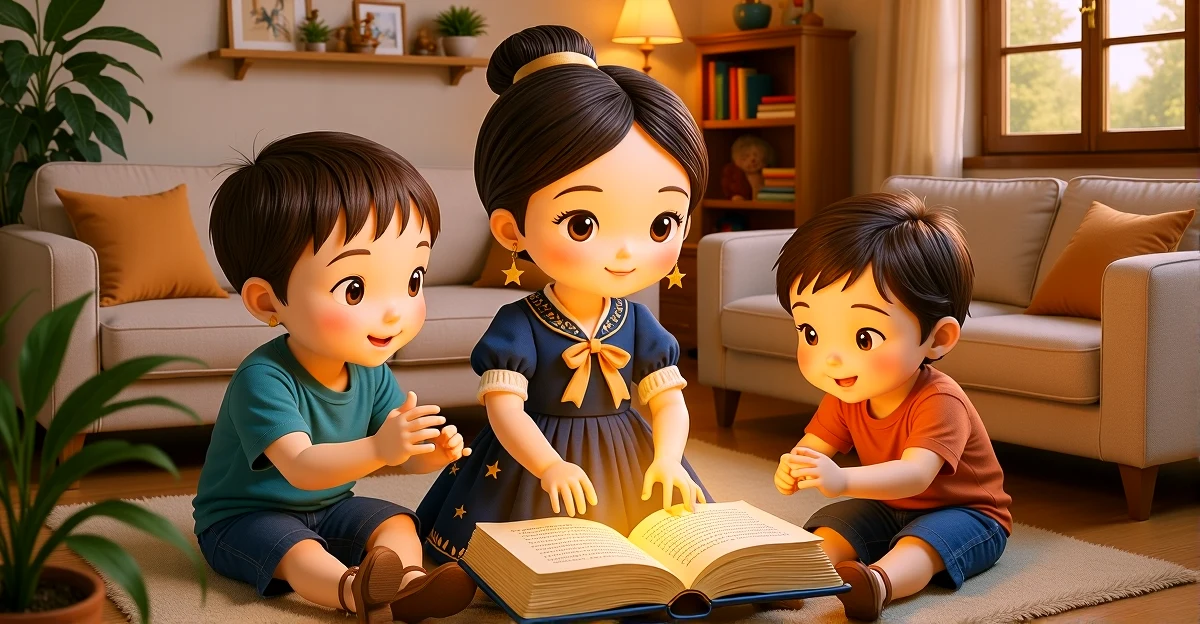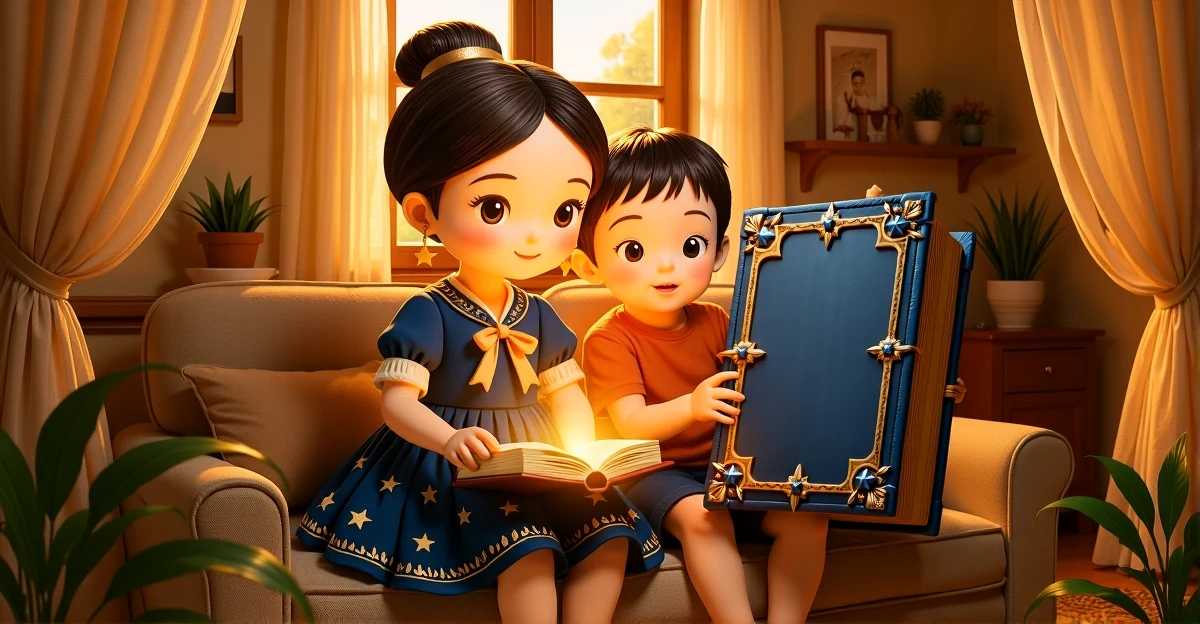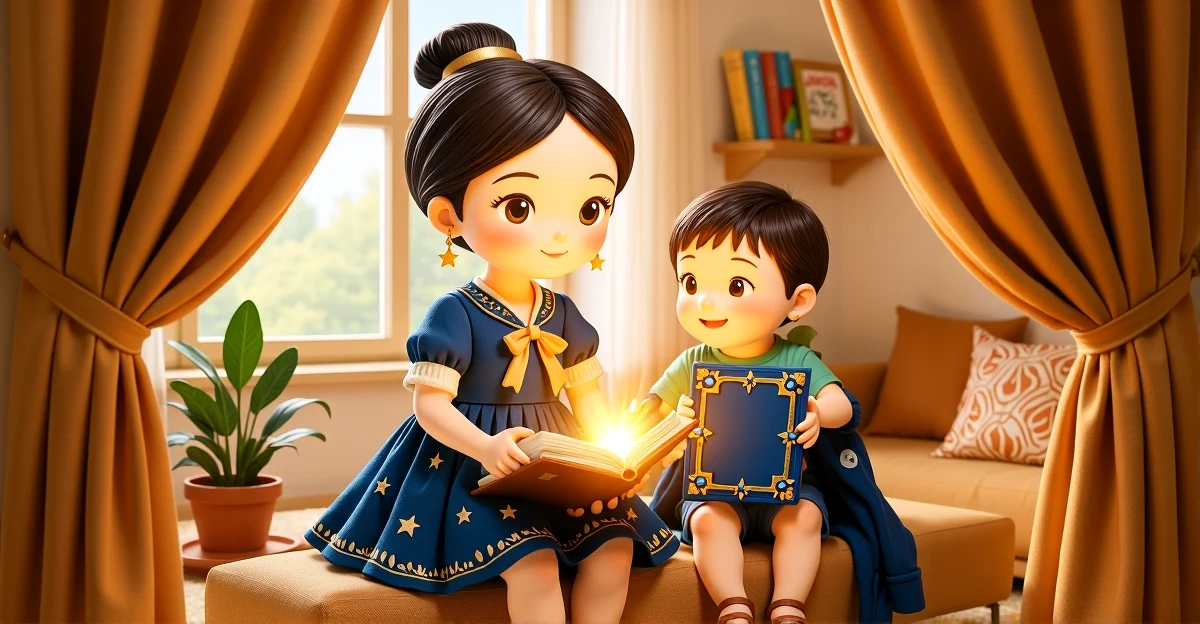
Maybe you have noticed something puzzling about your kindergartener lately. One day, they are copying everything their classmates do—the way they talk, the games they play, even the foods they suddenly like or dislike. The next day, they pull completely away, refusing to join group activities, sitting alone at recess, or insisting they do not want to play with anyone. And you are wondering: Is this normal? Is my child struggling? Should I be worried?
Let me share something WONDERFUL with you. What you are seeing is not a problem. It is development. It is your child's brain doing exactly what it is supposed to do at this age. They are learning one of the most important skills they will ever develop: the ability to balance connection with others while staying true to themselves. And that, my wonderful friend, is BEAUTIFUL.
In this post, we will explore why kindergarteners swing between these two extremes, what research tells us about social development at ages 5-6, and most importantly, how you can support your child in finding that beautiful balance between connection and independence. Plus, I will share a story from the Magic Book that demonstrates this journey perfectly.
Why Your Child Swings Between Following and Isolating
Think of learning to ride a bicycle. At first, children wobble from side to side. Too far one way, they tip over. Too far the other way, they fall. But with practice and support, they find that beautiful balance point where they can ride smoothly. That is EXACTLY what is happening with your child's social development right now.
Children ages 5-6 are in a fascinating developmental window. For the first time in their lives, they are becoming deeply aware of their peers as separate individuals with their own thoughts, preferences, and opinions. This awareness is thrilling and overwhelming all at once. They are learning to navigate questions they have never had to consider before:
- What do my friends think of me?
- Should I do what everyone else is doing?
- What happens if I make a different choice?
- Can I be myself AND have friends?
When your child follows the crowd, they are practicing social connection. They are learning how groups work, how to be part of something bigger than themselves, how to read social cues and understand group dynamics. This is their developing social intelligence at work.
When they pull away and isolate, they are practicing independence. They are learning to listen to their own inner voice, to make their own choices, to understand their own preferences separate from the group. This is their developing sense of self at work.
Both of these skills are necessary. Both are valuable. The challenge is learning to balance them, and that takes time. Your child is not confused or struggling—they are learning.
What Research Reveals About Peer Influence at Ages 5-6
Research gives us such beautiful insights into what is happening in your child's developing brain during this phase. Scientists have discovered that 6-year-old children naturally respond to peer influence in ways that younger children do not. In a groundbreaking study published in Nature Scientific Reports, researchers Sai Sun and Rongjun Yu found that six-year-old children spontaneously change their private opinions under implicit social influence from peers, and these conformity effects persist for at least one day.
This is not weakness or lack of character. This is social learning in action. Your child's brain is wired to learn from peers during this developmental window, and that is exactly as it should be.
But here is what makes this age SO special. At the same time children are learning about social connection, they are also building the foundation for independent thinking. Research from the University of North Carolina reveals something powerful: when children feel emotionally secure, they develop BOTH the social awareness to connect with peers AND the inner confidence to make independent choices.
Dr. Ashley Groh and her colleagues conducted a comprehensive meta-analysis examining attachment security and social competence. Their findings show that early attachment security significantly predicts children's ability to navigate peer relationships with both connection and autonomy. In other words, when children feel safe and supported by their parents, they learn that they can be both connected to others and true to themselves.
This is not about choosing between fitting in or standing out. It is about developing the emotional intelligence to navigate both. And your role as a parent during this phase? It is SO important.
The Balance Between Connection and Independence
Here is the beautiful truth: your child does not have to choose between having friends and being themselves. They can have both. But learning how to maintain that balance is a skill that develops over time, with practice, and with your gentle guidance.
When Following the Crowd Is Healthy
Not all conformity is bad. In fact, some social conformity is necessary and healthy. When your child learns to take turns, share toys, follow classroom rules, or participate in group activities, they are learning valuable social skills. They are learning cooperation, empathy, and how to be part of a community.
The key is helping them understand the difference between healthy social learning and losing themselves in the crowd. Healthy conformity says, "I can adapt to social situations while still knowing who I am." Unhealthy conformity says, "I must be exactly like everyone else or I will not be accepted."
When Isolation Is Healthy
Similarly, not all alone time is problematic. Sometimes children need space to recharge, to process their experiences, or to engage in independent play. This is healthy autonomy. The concern arises when isolation comes from fear, anxiety, or feeling unable to navigate social situations.
The key is understanding what is driving the isolation. Is your child choosing alone time because they need it, or are they withdrawing because social situations feel overwhelming or scary?
Gentle Strategies That Support Both Connection and Independence
So how do you support your child in finding this balance? Here are research-backed, gentle strategies that work:
1. Create Opportunities for Low-Stakes Decision-Making
Every small choice builds your child's confidence in their own judgment. Let them choose between two outfits, pick what vegetable to have with dinner, or decide which game to play. These low-pressure decisions help them develop the habit of checking in with their own preferences and making choices based on what feels right to them.
Experts emphasize that involving children in age-appropriate choices builds decision-making skills from early ages. This practice lays the foundation for independent thinking in more complex social situations.
2. Get Curious, Not Critical
When you notice your child following the crowd, resist the urge to criticize or shame them. Instead, get curious. Ask open-ended questions: "What do you think about that?" "How does that feel to you?" "What would you choose if you were deciding on your own?"
These questions help your child develop the habit of checking in with their own feelings and thoughts, even when they are part of a group. You are teaching them that their inner voice matters.
3. Explore the Reasons Behind Isolation
When your child isolates themselves, do not force them into social situations. Instead, explore what is happening with empathy and curiosity. You might say, "I notice you did not want to play with your friends today. Can you tell me about that? Were you needing some quiet time, or was something bothering you?"
This approach helps your child understand their own needs and gives you insight into whether the isolation is healthy alone time or something that needs support.
4. Model the Balance Yourself
Let your child see you maintaining your own values while being part of a community. Talk about times when you chose to do something different from your friends, and times when you enjoyed going along with the group. Show them that adults navigate this balance too, and that it is a lifelong skill.
You might share stories like, "Today at work, everyone wanted to order pizza for lunch, but I really wanted a salad, so I got what I wanted. And you know what? It was fine! We still had a nice lunch together." These simple examples show your child that they can make independent choices without losing connection.
5. Celebrate Both Connection and Independence
When your child makes a choice that is different from their friends, acknowledge their courage: "I noticed you chose the blue paint even though everyone else was using red. You knew what you wanted!" When they enjoy being part of a group, celebrate their ability to connect: "You had so much fun playing that game with your friends today. I love seeing you enjoy being part of the group."
Help them see that both are valuable, both are good. They do not have to choose one over the other.
6. Validate Their Feelings
Sometimes the wobble between following and isolating comes from big feelings. Your child might feel anxious about being different, or overwhelmed by group dynamics, or uncertain about where they fit. Validate these feelings without trying to fix them immediately.
"It sounds like you felt worried that your friends would not like your idea. That is a hard feeling. It is okay to feel that way." This validation helps your child feel emotionally secure, which research shows is the foundation for developing both social confidence and independent thinking.
Stories That Can Help
In The Book of Inara, we have beautiful stories that bring these concepts to life for your child. Stories are such powerful teachers because they show children what courage, friendship, and independent thinking look like in action.
The Starlight Observatory Where Truth Shines Brightest
Perfect for: Ages 6-7 (also wonderful for mature 5-year-olds)
What makes it special: This story directly addresses peer pressure and moral courage. Lucas and Ella visit a magical mountain observatory where they can see the truth in the stars. When other children want to misuse the starlight telescope for selfish purposes, Lucas and Ella face a choice: follow the crowd, or help the lonely keeper and do what they know is right.
Key lesson: True courage means standing up for what is right, even when it means standing alone. But the story also beautifully shows that you do not have to stand alone—Lucas and Ella support each other in making the brave choice. They learn that they can be both connected to friends AND true to their values.
After reading, you can ask: "Have you ever felt like Lucas and Ella, where you had to choose between what everyone else was doing and what you thought was right? What did you do? How did it feel?"
This story opens up such beautiful conversations about times when your child felt pressure to go along with others, and moments when they made their own choices based on what felt right to them. You can celebrate both their social awareness and their inner courage.
You Are Doing Beautifully
When you see your child swinging between following the crowd and isolating themselves, take a deep breath. Remind yourself that this is not a problem to fix. This is development to support. Your child is learning one of life's most important lessons: how to be both connected and independent, how to value others' opinions while trusting their own judgment, how to be part of a community while staying true to themselves.
And they are learning this with you by their side. They are learning it through your patience, your validation, your gentle guidance. They are learning it through stories that show them what courage and friendship look like. They are learning it through every conversation, every choice, every moment of connection you share.
The research is SO clear on this: children who feel emotionally secure and supported by their parents develop both the social awareness to connect with peers and the inner confidence to make independent choices. This balance between connection and autonomy is the hallmark of healthy social-emotional development during the kindergarten years.
This phase will not last forever. One day, you will look back and realize that your child has found that beautiful balance point. They will have friends they love and trust. They will also have a strong sense of who they are and what they believe. And they will know how to navigate the space between connection and independence with grace and confidence.
Until then, be patient with them. Be patient with yourself. Trust the process. Trust your child's developing brain. Trust that every wobble, every swing from one extreme to the other, is teaching them something important.
The Magic Book and I are here for you, always. We have so many stories that can help during this time—stories about friendship and courage, about making choices and standing up for what is right, about being yourself while also being part of something bigger.
You are doing such a beautiful job, my wonderful friend. Your child is so lucky to have you, someone who cares enough to understand these developmental phases, someone who wants to support them with gentleness and wisdom. Keep going. Keep loving. Keep trusting. The balance will come.
With love and starlight,
Inara
Related Articles
- When Screen Time Ends in Meltdowns: Understanding Your Child's Brain and What Actually Helps (Ages 5-6)
- When Your Child Refuses Help: Understanding Independence at Ages 5-6
- Teaching Financial Wisdom to Your 5-6 Year Old: A Gentle Guide to Money and Economics
- Understanding Your Child's Push-Pull Dance: Balancing Independence and Connection (Ages 5-6)
- Supporting Your Child's Independence and Self-Advocacy: A Gentle Guide
Show transcript
Hello, my wonderful friend! It's me, Inara, and I am so happy you're here today. You know, the Magic Book and I have been noticing something that many parents are experiencing right now, and I want you to know that you are not alone in this. Maybe you've noticed that your kindergartener seems to swing between two extremes. Sometimes they follow their friends in everything, copying every move, every choice, every idea. And other times, they pull completely away, isolating themselves, not wanting to join in at all. And you're wondering, is this normal? Is my child okay?
Let me tell you something WONDERFUL. What you're seeing is not a problem. It's development. It's your child's brain doing exactly what it's supposed to do at this age. They're learning one of the most important skills they'll ever develop, the ability to balance connection with others and staying true to themselves. And that, my friend, is BEAUTIFUL.
Research shows us something fascinating about children ages five and six. Their brains are in this incredible developmental window where they're becoming deeply aware of their peers for the first time. Scientists have discovered that six-year-old children naturally respond to peer influence, and these social learning patterns can last for days. This isn't weakness. This is their developing social intelligence at work. They're learning to read social cues, to understand group dynamics, to navigate the complex world of friendships.
But here's what makes this age so special. At the same time they're learning about connection, they're also building the foundation for independent thinking. Dr. Ashley Groh and her colleagues at the University of North Carolina found that when children feel emotionally secure, they develop both the social awareness to connect with peers AND the inner confidence to make independent choices. Isn't that amazing? Your child is learning that they can be both connected to others and true to themselves.
So when your child follows the crowd, they're practicing social connection. They're learning how groups work, how to be part of something bigger than themselves. And when they pull away and isolate, they're practicing independence. They're learning to listen to their own inner voice, to make their own choices. Both of these are necessary skills. The challenge is learning to balance them, and that takes time.
Think of it like learning to ride a bicycle. At first, children wobble from side to side. Too far one way, they tip over. Too far the other way, they fall. But with practice and support, they find that beautiful balance point where they can ride smoothly. That's exactly what's happening with your child's social development right now. They're wobbling between following and isolating because they're learning where that balance point is.
Now, I want to share something that experts emphasize. Your role as a parent is so important during this phase. When you involve your child in age-appropriate choices, when you validate their feelings, when you model how to maintain personal values while respecting others, you're giving them the tools they need to find that balance. You're teaching them that it's okay to be influenced by friends AND to think for themselves. That they can value connection AND maintain their own identity.
The Magic Book showed me a story that demonstrates this so beautifully. It's called The Starlight Observatory Where Truth Shines Brightest, and it's about two friends, Lucas and Ella, who visit a magical mountain observatory. When other children want to misuse the starlight telescope, Lucas and Ella face a choice. Do they follow the crowd, or do they help the lonely keeper and do what they know is right?
What I love about this story is that it shows children that true courage means standing up for what's right, even when it means standing alone. But it also shows the power of friendship, of having someone who supports you in making good choices. Lucas and Ella don't isolate themselves from the other children out of fear. They make an independent choice based on their values, and they do it together.
After you read this story with your child, you can have such beautiful conversations. You can ask them about times when they felt pressure to go along with others. You can celebrate moments when they made their own choices based on what felt right to them. You can help them see that they don't have to choose between having friends and being themselves. They can have both.
Here are some practical ways you can support your child through this developmental phase. First, create opportunities for them to practice decision-making in low-stakes situations. Let them choose between two outfits, or pick what vegetable to have with dinner, or decide which game to play. Every small choice builds their confidence in their own judgment.
Second, when you notice them following the crowd, don't shame them for it. Instead, get curious. Ask them, what do you think about that? How does that feel to you? Help them develop the habit of checking in with their own feelings and thoughts, even when they're part of a group.
Third, when they isolate themselves, don't force them into social situations. Instead, explore what's happening. Sometimes isolation is healthy alone time. Sometimes it's fear or overwhelm. Help them understand their own needs. You might say, I notice you didn't want to play with your friends today. Can you tell me about that? Were you needing some quiet time, or was something bothering you?
Fourth, model the balance yourself. Let your child see you maintaining your own values while being part of a community. Talk about times when you chose to do something different from your friends, and times when you enjoyed going along with the group. Show them that adults navigate this balance too.
And fifth, celebrate both connection and independence. When your child makes a choice that's different from their friends, acknowledge their courage. When they enjoy being part of a group, celebrate their ability to connect. Help them see that both are valuable, both are good.
The research is so clear on this, my friend. Children who feel emotionally secure and supported by their parents develop both the social awareness to connect with peers and the inner confidence to make independent choices. This balance between connection and autonomy is the hallmark of healthy social-emotional development during the kindergarten years.
So when you see your child swinging between following and isolating, take a deep breath. Remind yourself that this is not a problem to fix. This is development to support. Your child is learning one of life's most important lessons, how to be both connected and independent, how to value others' opinions while trusting their own judgment, how to be part of a community while staying true to themselves.
And you know what? They're learning this with you by their side. They're learning it through your patience, your validation, your gentle guidance. They're learning it through stories like The Starlight Observatory Where Truth Shines Brightest that show them what courage and friendship look like. They're learning it through every conversation, every choice, every moment of connection you share.
This phase won't last forever. One day, you'll look back and realize that your child has found that beautiful balance point. They'll have friends they love and trust. They'll also have a strong sense of who they are and what they believe. And they'll know how to navigate the space between connection and independence with grace and confidence.
Until then, be patient with them. Be patient with yourself. Trust the process. Trust your child's developing brain. Trust that every wobble, every swing from one extreme to the other, is teaching them something important.
The Magic Book and I are here for you, always. We have so many stories that can help during this time. Stories about friendship and courage, about making choices and standing up for what's right, about being yourself while also being part of something bigger. These stories are gentle teachers, showing children through example what healthy social-emotional development looks like.
You're doing such a beautiful job, my friend. Your child is so lucky to have you, someone who cares enough to wonder about these things, someone who wants to understand and support them through every phase of development. Keep going. Keep loving. Keep trusting. The balance will come.
With love and starlight, Inara.