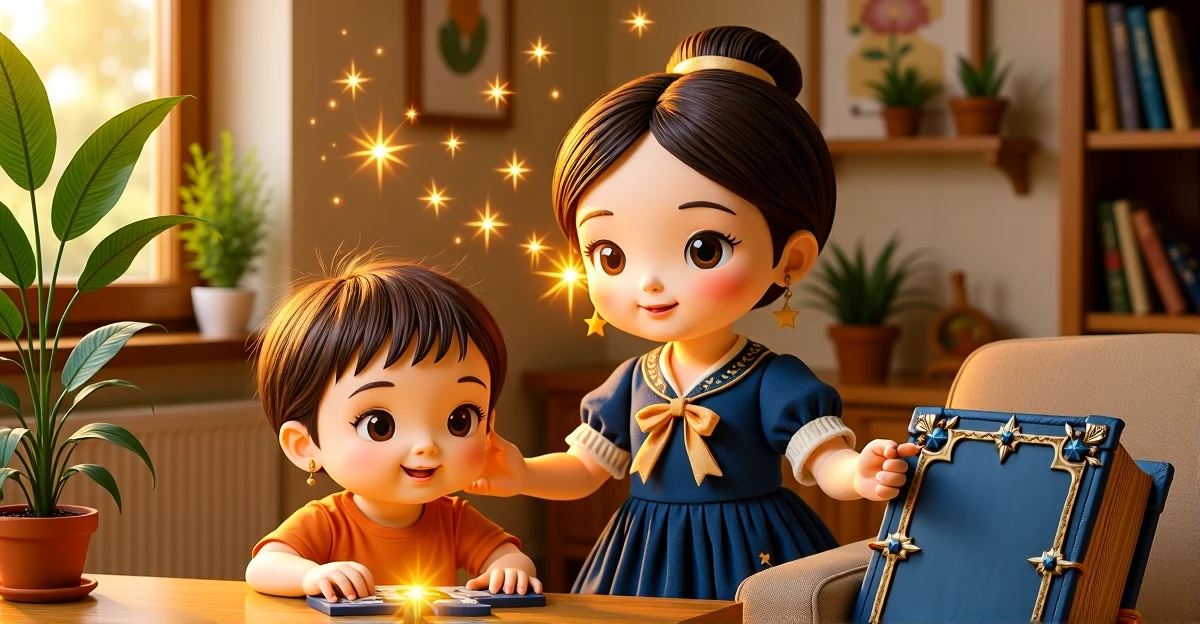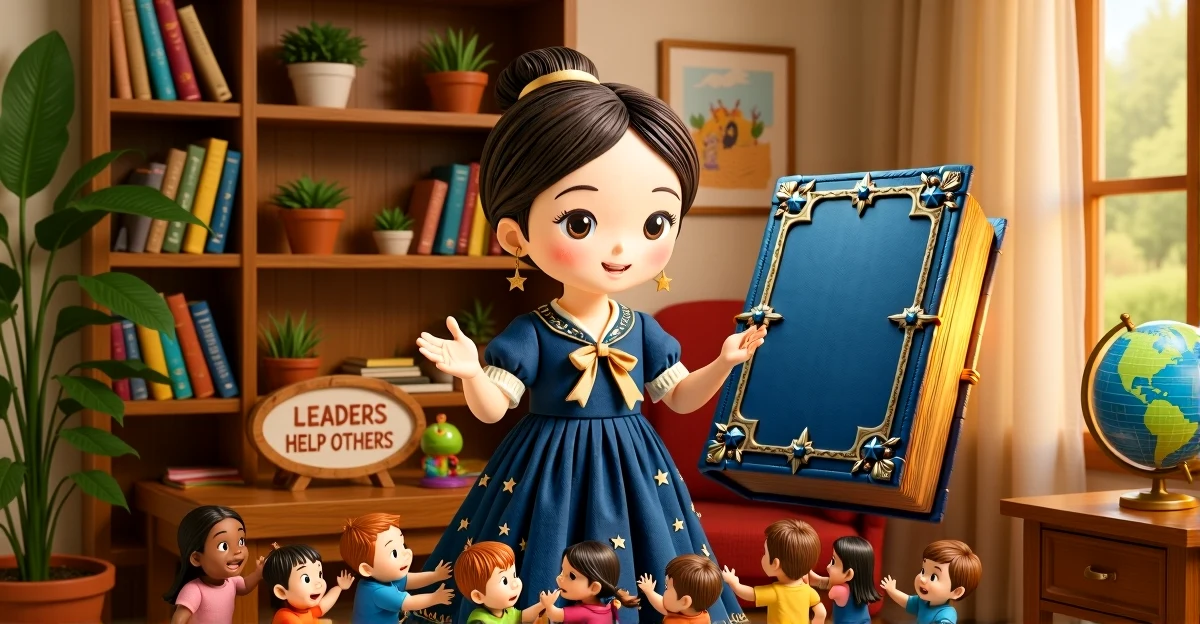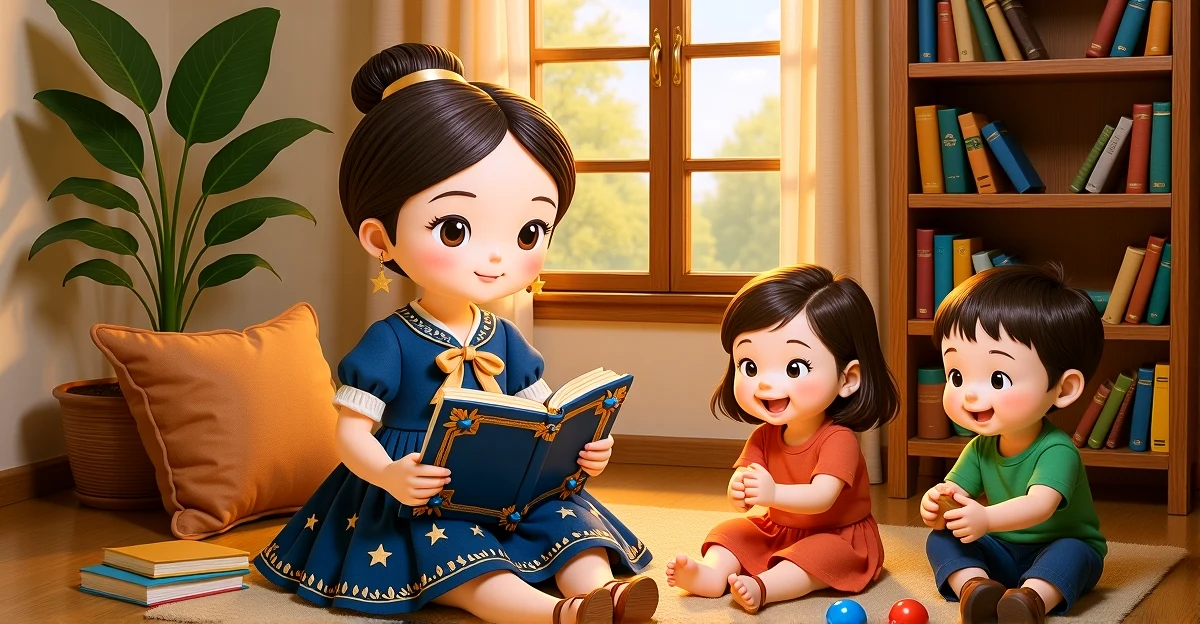

Your five-year-old notices a friend struggling with their puzzle and rushes over to help. Your six-year-old organizes a game at the playground, making sure everyone gets a turn. Your child sees someone sad and offers their favorite toy to cheer them up. If you're witnessing these beautiful moments, you're not just seeing kindness—you're watching real leadership skills emerge.
And here's what's SO important: you're not alone in wondering how to nurture these qualities. Many parents ask me, "Is my child too young to think about leadership? Should I be focusing on this now?" The answer is a resounding YES! The five to six age range is actually a critical window for developing social influence skills, and I want to share something wonderful with you about what this means for your child's future.
In this guide, we'll explore what leadership really means at this age (hint: it's not about being bossy!), what research tells us about prosocial behavior development, and practical ways you can support your child's natural inclination to inspire and help others. Plus, I'll share some beautiful stories from The Book of Inara that bring these concepts to life for your little one.
What Leadership Really Means for 5-6 Year Olds
Let me share something the Magic Book taught me: leadership at this age isn't about being in charge or telling others what to do. It's about something much more beautiful and meaningful.
True leadership for young children is about:
- Inspiring others through kindness - When your child's caring actions make their friends want to be kind too
- Helping because it feels good - Understanding that making a positive difference brings joy
- Showing empathy and understanding - Recognizing when someone needs support and offering it
- Taking positive initiative - Seeing what needs to be done and stepping up to help
- Respecting others while offering support - Learning that good leaders empower, they don't take over
When your little one wants to help a friend who's sad, when they try to organize a game that includes everyone, when they share their toys to make someone smile—they're not just being sweet. They're practicing real leadership skills that will serve them throughout their entire lives.
Why Ages 5-6 Are Critical for Leadership Development
Here's what makes this age SO special: your child is experiencing a remarkable developmental shift. They're becoming increasingly aware of their impact on peers and developing the cognitive capacity to understand how their actions inspire and help others.
Research shows us something truly fascinating. Children who develop prosocial behaviors like helping, sharing, and showing empathy during their kindergarten years show significantly better outcomes in relationships, academic achievement, and overall wellbeing throughout their entire lives. This isn't just about being nice—it's about building foundational skills that shape who they become.
"Social and emotional learning not only improves achievement by an average of 11 percentile points, but it also increases prosocial behaviors such as kindness, sharing, and empathy."
— Roger Weissberg, Chief Knowledge Officer at CASEL
And here's what I love most: research from Penn State University that followed children for nearly 20 years confirmed that early prosocial behavior in kindergarten is a strong predictor of future success. When you nurture your child's leadership qualities now, you're giving them gifts that will ripple out into the world in beautiful ways.
What Research Tells Us About Young Leaders
Let me share some wonderful insights from recent research that will change how you see your child's helpful behaviors.
Every Child Has Leadership Potential
A fascinating study from the University of Haifa looked specifically at five and six year old children and leadership. They discovered something beautiful: children who are often marginalized in traditional settings can assume leadership roles when given collaborative opportunities that value their unique contributions. THIS is so important—every child has the capacity to be a positive leader in their own way.
Leadership Is About Influence, Not Control
The research emphasizes that leadership in early childhood is not about dominance or control. It's about developing the capacity to understand others' perspectives, contribute to group goals, and inspire peers through kindness and example. When your child models kindness and others follow their lead, that's real social influence.
The Power of Prosocial Behavior
Studies consistently show that when children learn social-emotional skills, it improves prosocial behaviors such as kindness, sharing, and empathy by an average of 11 percentile points. Eleven points! That's huge! And these skills don't just help in childhood—they create a foundation for lifelong social competence and success.
Five Gentle Ways to Nurture Leadership Skills
Now let's talk about practical, loving ways you can support your child's emerging leadership qualities. These strategies are backed by research and aligned with gentle parenting principles.
1. Recognize and Celebrate Helpful Actions
When your child shows initiative in helping others, acknowledge it specifically. Instead of just saying "good job," try: "I noticed you helped your friend with their puzzle. That was so thoughtful. You made them feel supported." This helps your child understand that their helpful actions matter and have real impact.
2. Model the Leadership You Want to See
Your child is watching you and learning what positive leadership looks like. When you help others, talk about it: "I'm going to help our neighbor carry those groceries because I can see they're having a hard time. When we help others, it makes our whole community stronger." Make your thinking visible so they can learn from your example.
3. Create Authentic Opportunities to Help and Lead
This doesn't mean putting pressure on your child. It means creating small moments where they can make a difference. Can they help set the table? Can they teach a younger sibling how to do something? Can they help you plan a kind surprise for someone? These real experiences build confidence and competence.
4. Teach That Good Leaders Ask Before Helping
This is SO important. True leadership respects others' autonomy. Teach your child to say, "Would you like me to help you with that?" or "Can I show you how I do it?" This teaches them that leadership isn't about taking over—it's about offering support in a way that empowers others.
5. Help Them Understand Leadership Through Example, Not Control
When your child wants their friends to play a certain game, encourage them to make it sound so fun that others want to join. When they see a friend doing something unkind, they can model kindness themselves. This is the kind of leadership that truly inspires—leading by positive example rather than trying to control others.
Stories That Bring Leadership to Life
In The Book of Inara, we have beautiful stories that help children understand and develop these leadership qualities in gentle, magical ways. Let me share three that are perfect for this journey:
The Heart Mirrors of Kindness Center
Perfect for: Ages 6-7 (also wonderful for advanced 5-6 year olds)
What makes it special: This story directly addresses leadership development through discovering one's purpose to spread kindness and caring friendship. Rumi and Freya learn that their mission is to inspire others through genuine kindness, perfectly aligning with the goals of positive leadership and helping others.
Key lesson: When the heart mirrors glow in response to kind actions, children learn that true leadership comes from inspiring others through caring behaviors and positive example, not through control or dominance.
After reading together: Talk with your child about the kind actions they see in others and how those actions inspire them. Help them recognize moments when their own kindness has made a positive difference to someone else.
The Magic Carpet
Perfect for: Ages 4-5
What makes it special: This folktale beautifully demonstrates service leadership—using one's gifts and abilities to help others in need. The weaver discovers that kindness makes magic grow stronger, teaching children that helping others amplifies their positive impact.
Key lesson: When the carpet's magic grows stronger with each act of kindness, children learn that leadership through service creates a ripple effect of positive change in their community.
After reading together: Discuss with your child how they can use their unique talents and strengths to help others, just like the weaver used his carpet-making skills to serve his community.
The Gentle Healers of Cedar Grove
Perfect for: Ages 4-5
What makes it special: This story teaches respectful helping—a foundational leadership skill. Children learn that asking permission before helping makes their care more meaningful and effective, demonstrating that true leaders respect others' autonomy while offering support.
Key lesson: When the healing herbs glow brighter in response to permission-asking, children learn that respectful leadership honors others' boundaries and creates stronger, more trusting relationships.
After reading together: Practice with your child how to offer help respectfully by asking "Would you like me to help you with that?" This teaches them that good leaders empower others rather than taking over.
You're Nurturing Something Beautiful
My wonderful friend, I want you to know something: your child's desire to help and inspire others is not just sweet. It's the beginning of real leadership skills that will serve them throughout their entire life. When you nurture these qualities with love, patience, and authentic opportunities to make a difference, you're giving your child a gift that will ripple out into the world in beautiful ways.
Remember, you're not trying to create a bossy child or a child who needs to be in charge. You're nurturing a child who understands that true leadership comes from kindness, from helping, from inspiring others through positive example. And that's EXACTLY the kind of leader our world needs.
So celebrate those moments when your child shows empathy. Honor their desire to help. Create opportunities for them to make a difference in small, age-appropriate ways. And know that every time you validate your child's desire to help, every time you create an opportunity for them to make a difference, every time you model positive leadership yourself, you're shaping a future leader who will make the world a kinder, more compassionate place.
The Magic Book and I are here to support you on this journey. You're doing such important work, and you're doing it beautifully.
With love and starlight,
Inara
Related Articles
- When Screen Time Ends in Meltdowns: Understanding Your Child's Brain and What Actually Helps (Ages 5-6)
- When Your Child Feels Invisible: Understanding Social Isolation and the Gentle Path to Friendship
- Teaching Financial Wisdom to Your 5-6 Year Old: A Gentle Guide to Money and Economics
- When Your Child Hesitates to Lead: Understanding Initiative and Confidence in Ages 5-6
- Supporting Your Child's Social Awareness Development: A Gentle Guide
Show transcript
Hello, my wonderful friend! It's me, Inara, and I am SO happy you're here today! You know, the Magic Book and I have been noticing something absolutely beautiful happening in homes all around the world. Parents like you are asking such thoughtful questions about how to help their children become positive leaders who inspire and help others. And I want you to know something right from the start—if your child is showing interest in helping others, in making a difference, in wanting to inspire their friends, you are already doing something WONDERFUL as a parent.
Let me share something the Magic Book taught me. When your five or six year old wants to help, when they notice someone who needs support, when they try to inspire their friends to do something kind, they're not just being sweet. They're developing real leadership skills. And here's what makes this so special—leadership at this age isn't about being bossy or being in charge. It's about something much more beautiful. It's about learning to inspire others through kindness, to help because it feels good, and to understand that their actions can make a positive difference in the world around them.
Now, I know some parents worry. They think, is my child too young to think about leadership? Should I be focusing on this now? And the answer is YES! Research shows us something truly remarkable. Children who develop prosocial behaviors like helping, sharing, and showing empathy during their kindergarten years show significantly better outcomes in relationships, academic achievement, and overall wellbeing throughout their entire lives. The five to six age range is actually a critical window for developing these social influence skills.
Let me tell you what the research says, because it's fascinating. Roger Weissberg, who is the Chief Knowledge Officer at an organization called CASEL that studies social and emotional learning, discovered that when children learn these skills, it improves prosocial behaviors such as kindness, sharing, and empathy by an average of eleven percentile points. Eleven points! That's huge! And there's more. Research from Penn State University that followed children for nearly twenty years confirmed that early prosocial behavior in kindergarten is a strong predictor of future success.
But here's what I love most about what the Magic Book showed me. A recent study from the University of Haifa looked specifically at five and six year old children and leadership. And they discovered something beautiful. Children who are often marginalized in traditional settings can assume leadership roles when given collaborative opportunities that value their unique contributions. Every child has the capacity to be a positive leader in their own way.
So what does this mean for you and your wonderful child? It means that when your little one wants to help a friend who's sad, when they try to organize a game at the playground, when they share their toys to make someone smile, they're not just being kind. They're practicing leadership. They're learning that their actions can inspire others. They're discovering that helping feels good and makes a difference.
Now, let me share some practical ways you can nurture these beautiful leadership qualities in your child. First, recognize and celebrate moments when your child shows initiative in helping others. When they notice someone needs help and they offer it, that's leadership! Say something like, I noticed you helped your friend with their puzzle. That was so thoughtful. You made them feel supported. This helps your child understand that their helpful actions matter.
Second, model the kind of leadership you want to see. When you help others, talk about it. Say things like, I'm going to help our neighbor carry those groceries because I can see they're having a hard time. When we help others, it makes our whole community stronger. Your child is watching you and learning what positive leadership looks like.
Third, give your child authentic opportunities to help and lead. This doesn't mean putting pressure on them. It means creating small moments where they can make a difference. Can they help set the table? Can they teach a younger sibling how to do something? Can they help you plan a kind surprise for someone? These real experiences build confidence and competence.
Fourth, teach your child that good leaders ask before helping. This is SO important. True leadership respects others' autonomy. Teach your child to say, Would you like me to help you with that? or Can I show you how I do it? This teaches them that leadership isn't about taking over, it's about offering support in a way that empowers others.
And fifth, help your child understand that leadership is about inspiring through example, not through control. When they see a friend doing something unkind, instead of bossing them around, they can model kindness themselves. When they want their friends to play a certain game, they can make it sound so fun that others want to join. This is the kind of leadership that truly inspires.
Now, the Magic Book and I have something special to share with you. We have stories that help children understand and develop these beautiful leadership qualities. Let me tell you about one that I think will be perfect for your family. It's called The Heart Mirrors of Kindness Center, and it's about two friends named Rumi and Freya who discover something magical. They learn that their mission, their purpose, is to spread kindness and caring friendship. And as they do this, they discover that their kind actions inspire others. The heart mirrors in the story glow in response to genuine kindness, teaching children that true leadership comes from caring behaviors and positive example, not from control or dominance.
After you read this story with your child, talk with them about the kind actions they see in others and how those actions inspire them. Help them recognize moments when their own kindness has made a positive difference to someone else. This conversation is so powerful because it helps your child become aware of their impact on others.
We also have another beautiful story called The Magic Carpet. It's about a weaver who discovers that when he uses his gifts to help others, the magic grows stronger. This teaches children that leadership through service creates a ripple effect of positive change in their community. Talk with your child about how they can use their unique talents and strengths to help others, just like the weaver used his carpet making skills to serve his community.
And there's one more story I want to mention. It's called The Gentle Healers of Cedar Grove, and it teaches something foundational about leadership. It shows children that asking permission before helping makes their care more meaningful and effective. True leaders respect others' boundaries while offering support. This is such an important lesson for young children who are learning how to help in ways that truly empower others.
My wonderful friend, I want you to know something. Your child's desire to help and inspire others is not just sweet. It's the beginning of real leadership skills that will serve them throughout their entire life. When you nurture these qualities with love, patience, and authentic opportunities to make a difference, you're giving your child a gift that will ripple out into the world in beautiful ways.
The five to six age range is such a special time. Your child is becoming increasingly aware of their impact on peers. They're developing the cognitive capacity to understand how their actions inspire and help others. This is the perfect time to support their natural inclination toward positive leadership.
So celebrate those moments when your child shows empathy. Honor their desire to help. Create opportunities for them to make a difference in small, age appropriate ways. And remember, you're not trying to create a bossy child or a child who needs to be in charge. You're nurturing a child who understands that true leadership comes from kindness, from helping, from inspiring others through positive example.
The Magic Book and I are here to support you on this journey. Our stories are designed to help children understand these concepts in gentle, magical ways. And more importantly, they give you and your child beautiful opportunities to talk about kindness, helping, and what it means to be a positive influence in the world.
You're doing such important work. Every time you validate your child's desire to help, every time you create an opportunity for them to make a difference, every time you model positive leadership yourself, you're shaping a future leader who will make the world a kinder, more compassionate place.
Sweet dreams and bright tomorrows, my wonderful friend. With love and starlight, Inara.