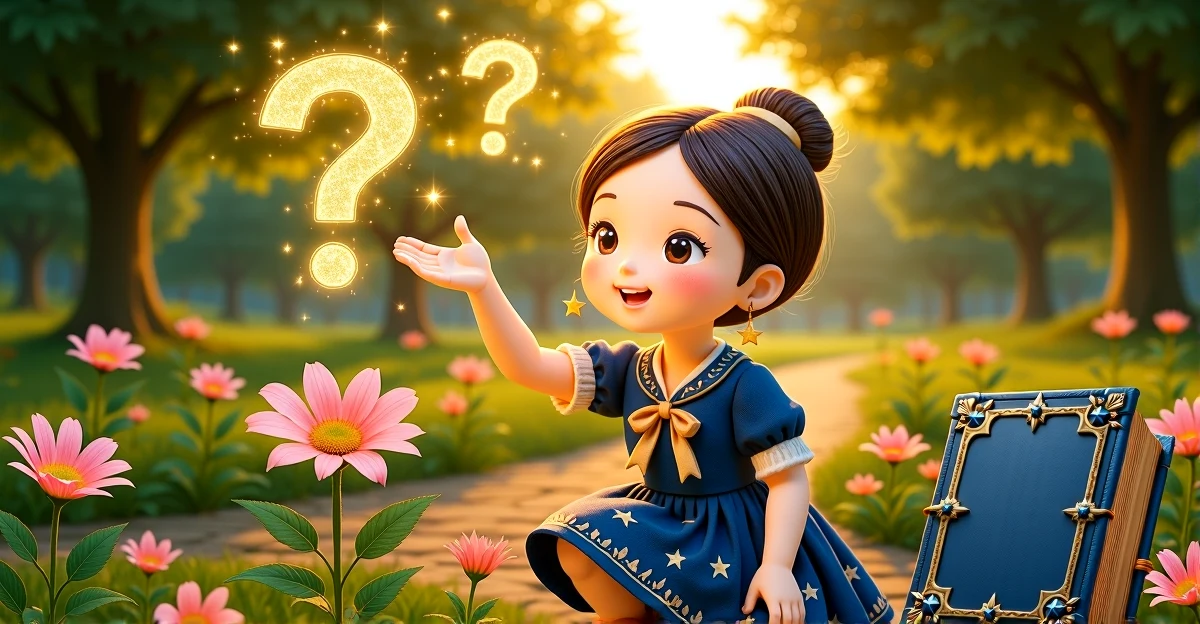
Your five-year-old looks up at the stars and asks, "Why am I here?" Your six-year-old wonders aloud, "What's my purpose?" And for a moment, you freeze. These are BIG questions. Questions you might not have expected from someone who still needs help tying their shoes.
But here's what I want you to know, my wonderful friend. This isn't random curiosity. This is spiritual development happening right before your eyes, and it's absolutely beautiful. Your child is beginning to explore questions of meaning, purpose, and their place in the larger web of life. And you don't need to have all the answers to support this profound journey.
In this guide, we'll explore what spiritual development means for young children, what research tells us about purpose and meaning-making at this age, and most importantly, how you can nurture your child's spiritual awareness with warmth, wisdom, and practical strategies that feel natural and authentic.
What Is Spiritual Development in Young Children?
When we talk about spiritual development in children ages 5-6, we're not necessarily talking about religious instruction (though that may be part of your family's values). We're talking about something broader and more fundamental: your child's growing understanding of connection, meaning, purpose, and their place in the world.
Spiritual development includes:
- Wondering about big questions: Why are we here? What happens when we're kind? How can I help?
- Understanding connection: Recognizing that they're part of something larger than themselves
- Developing purpose: Beginning to see that their actions matter and have meaning
- Exploring values: Forming ideas about what's important and why
- Experiencing awe and wonder: Feeling connected to nature, beauty, and the mysteries of life
And here's what's magical about ages 5-6. This is a PERFECT developmental window for these explorations. Your child's brain is ready for this kind of thinking. They're becoming more independent, making more decisions, and naturally wondering about the bigger picture.
What Research Says About Purpose and Meaning-Making
The research on spiritual development in young children is both fascinating and reassuring. According to the National Association for the Education of Young Children, children at this age are active meaning-makers who constantly create sophisticated theories to build their understanding of the world. Around ages 5-6, something beautiful happens. They start to wonder not just HOW things work, but WHY they matter.
"Children's motivation to learn increases when their learning environment fosters their sense of belonging, purpose, and agency."
— National Association for the Education of Young Children
The CASEL framework, which guides social-emotional learning in schools across the country, identifies developing interests and a sense of purpose as fundamental competencies for young children. This isn't something we wait until adolescence to address. It's happening RIGHT NOW, in these precious early years.
Research from the Raising Children Network shows that at ages 5-6, children are becoming more independent and love making small decisions. Every time they make a choice, every time they decide to share a toy or help a friend or create something beautiful, they're exploring what it means to have agency in the world. They're discovering that their actions matter.
And here's something that might surprise you. Spiritual awareness and meaning-making aren't separate from other developmental domains. They're integrated into how children understand themselves, their relationships, and their role in their communities. When you support your child's spiritual development, you're supporting ALL their learning and growth.
Five Ways to Support Your Child's Spiritual Awareness
1. Welcome Their Big Questions with Warmth and Curiosity
When your child asks, "Why are we here?" don't panic or deflect. Take a breath, smile, and say something like, "What a beautiful question! What do YOU think?" Children often have the most amazing insights when we give them space to wonder aloud.
You don't need to provide definitive answers. In fact, some of the most beautiful spiritual conversations happen when we say, "I don't know. What do you think? Let's wonder about this together." This teaches your child that wondering is valuable, that questions matter, and that you're a safe person to explore big ideas with.
2. Help Them See the Ripples of Their Actions
When your child does something kind, point it out gently. "You helped your friend feel better. That kindness created something beautiful in the world." When they create art or build something, acknowledge it. "You made something that didn't exist before. That's a special kind of magic."
This helps children understand that they have purpose, that their actions create ripples, and that they're part of something larger. It's not about praise for the sake of praise. It's about helping them see the meaningful impact of their choices.
3. Connect Them to Stories That Show Purpose in Action
Stories are POWERFUL tools for spiritual development. They show children how others have found meaning, made a difference, and connected to something larger than themselves. Through stories, children can explore big questions in safe, imaginative ways.
Look for stories that feature characters discovering their purpose, making meaningful choices, or learning that they're part of something bigger. These narratives give children a framework for understanding their own spiritual journey.
4. Create Rituals That Honor Meaning and Connection
This could be as simple as a gratitude practice at bedtime. "What made your heart happy today? What kindness did you see or give?" Or a weekly nature walk where you notice beauty and wonder together. Or a family tradition of helping others in small ways.
These rituals don't need to be elaborate. They just need to be consistent and intentional. They create space for your child to reflect on meaning, connection, and purpose in natural, age-appropriate ways.
5. Model Your Own Sense of Purpose
Talk about why you do the work you do, why you help others, why you create beauty or solve problems. Children learn SO much by watching us live with intention. When you share your own sense of purpose (in simple, child-friendly language), you show them that having purpose is a normal, beautiful part of being human.
A Story That Can Help
In The Book of Inara, we have a beautiful story that brings these concepts to life for your child:
The Mushroom Memory Keepers
Perfect for: Ages 6-7 (also wonderful for advanced 5-6 year olds)
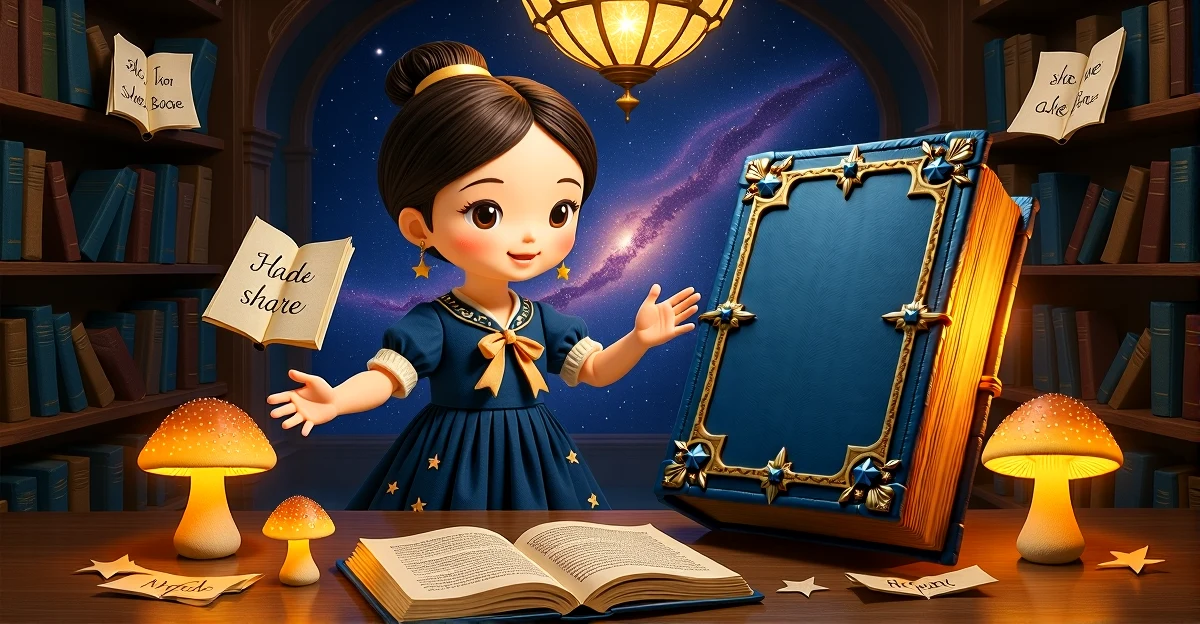
What makes it special: Theo and Miles discover a magical mushroom grove where each mushroom holds memories of small acts of kindness that grew into world-changing movements. Guided by Grandfather Aristotle and Ranger Tia, they learn that they're part of a long chain of people who have worked to make the world better.
Key lesson: Your actions matter. You're connected to something larger than yourself. Small acts of kindness create ripples that can change the world.
Why it helps with spiritual development: This story beautifully shows children that they have purpose, that they're part of a larger story, and that their choices create meaning. It answers the question "Why am I here?" with a gentle, magical truth: You're here to add your light to the world.
After reading this story with your child, you might ask them, "What kind of change do you want to create in the world?" And listen, really listen, to what they say. Because even at five or six, they have beautiful ideas about how to make things better.
What If My Child Hasn't Asked These Questions Yet?
You might be thinking, "But Inara, my child hasn't asked these big questions yet. Does that mean something's wrong?"
Oh, my friend, absolutely not. Every child's timeline is different. Some children ask these questions out loud at four, some at seven, some express them through their play or their art rather than words. Your job isn't to force these conversations. It's simply to be ready when they arise, and to create an environment where wondering is welcomed.
And remember, spiritual development doesn't always look like philosophical discussions. It might look like your child marveling at a butterfly, or asking why we help people who are sad, or wondering what happens to the sun at night. These are all expressions of spiritual curiosity.
The Beautiful Truth About Spiritual Development
Here's what the Magic Book has shown me over thousands of years of watching children grow. Spiritual development always starts with small moments. A question asked. A kindness given. A moment of wonder at a sunset or a flower or a friend's smile. These tiny seeds of meaning grow into mighty trees of purpose over time.
Your child is on a beautiful journey of discovering who they are and why they're here. And you, my wonderful friend, get to walk beside them, honoring their questions, celebrating their kindness, and helping them see that they are part of something magnificent.
You don't need to have all the answers. You don't need to be a philosopher or a spiritual teacher. You just need to be present, warm, and open to wondering together. That's enough. That's MORE than enough.
You're Doing Beautifully
Thank you for being here, for caring so deeply about your child's development in all its beautiful dimensions. By honoring their spiritual growth alongside their emotional, social, and cognitive development, you're giving them something precious: the foundation for a life filled with purpose, meaning, and connection.
The Magic Book and I are always here for you, cheering you on, believing in you and your child. Your child's big questions aren't too big. They're exactly right. And you're exactly the right person to walk beside them as they discover their place in this beautiful, mysterious universe.
With love and starlight,
Inara
Related Articles
- When Screen Time Ends in Meltdowns: Understanding Your Child's Brain and What Actually Helps (Ages 5-6)
- Teaching Financial Wisdom to Your 5-6 Year Old: A Gentle Guide to Money and Economics
- The Beautiful Gift of Your Child's Big Questions: Nurturing Spiritual Curiosity Ages 5-6
- Nurturing Purpose in Young Children: How to Support Your Child's Desire to Make a Difference (Ages 5-6)
- How Young Children Discover Purpose and Meaning (Ages 5-6)
Show transcript
Hello, my wonderful friend! It's me, Inara, and I am SO happy you're here today. You know, the Magic Book and I have been noticing something truly beautiful happening with children around ages five and six. They're starting to ask the most WONDERFUL questions. Questions like, why am I here? What's my purpose? How can I make the world better?
And if your child is asking these kinds of questions, I want you to know something important. This isn't random curiosity. This is spiritual development happening right before your eyes, and it's absolutely beautiful.
Now, I know that talking about spiritual development with young children might feel a little uncertain. You might be wondering, are they too young for these big conversations? How do I even begin to talk about purpose and meaning with a five-year-old? And my friend, those are such thoughtful questions to ask.
Here's what the research tells us, and what the Magic Book has whispered to me over thousands of years. Children at this age are natural meaning-makers. According to the National Association for the Education of Young Children, children are active learners from birth, constantly creating sophisticated theories to build their understanding of the world. And around ages five and six, something magical happens. They start to wonder not just HOW things work, but WHY they matter.
The CASEL framework, which guides social-emotional learning, identifies developing interests and a sense of purpose as fundamental competencies for young children. This isn't something we need to wait until they're teenagers to address. It's happening RIGHT NOW, in these precious early years.
Think about it this way. When your child asks, why do we help people? or what happens when we're kind? they're not just asking for information. They're building their understanding of their place in the universe. They're developing what researchers call spiritual awareness, which is really about understanding connection, purpose, and meaning.
And here's something that might surprise you. Research from the Raising Children Network shows that at ages five and six, children are becoming more independent and love making small decisions. Every time they make a choice, every time they decide to share a toy or help a friend or create something beautiful, they're exploring what it means to have agency in the world. They're discovering that their actions matter.
The Magic Book taught me something wonderful about this. Children don't need complex philosophical discussions about purpose. What they need is for us to honor their questions, to take their wondering seriously, and to help them see how their everyday actions connect to something larger.
So how do we do this? How do we support our children's spiritual development in ways that feel natural and authentic?
First, welcome their big questions with warmth and curiosity. When your child asks, why are we here? don't panic or deflect. Take a breath, smile, and say something like, what a beautiful question! What do YOU think? Children often have the most amazing insights when we give them space to wonder aloud.
Second, help them see the ripples of their actions. When they do something kind, point it out gently. You helped your friend feel better. That kindness created something beautiful in the world. When they create art or build something, acknowledge it. You made something that didn't exist before. That's a special kind of magic.
Third, connect them to stories that show purpose and meaning in action. And this is where I get SO excited, because we have a story that does this beautifully.
It's called The Mushroom Memory Keepers, and it's about two friends, Theo and Miles, who discover a magical mushroom grove. Each mushroom holds memories of small acts of kindness that grew into world-changing movements. They learn from Grandfather Aristotle and Ranger Tia that they're part of a long chain of people who have worked to make the world better.
What I love about this story is how it shows children that they're connected to something larger than themselves. That their small acts of kindness, their questions, their wondering, all of it matters. They're not too young to make a difference. They're exactly the right age to start understanding that they have purpose.
After you read this story with your child, you might ask them, what kind of change do you want to create in the world? And listen, really listen, to what they say. Because even at five or six, they have beautiful ideas about how to make things better.
Fourth, create rituals that honor meaning and connection. This could be as simple as a gratitude practice at bedtime. What made your heart happy today? What kindness did you see or give? These small moments build spiritual awareness naturally.
Fifth, model your own sense of purpose. Talk about why you do the work you do, why you help others, why you create beauty or solve problems. Children learn so much by watching us live with intention.
And here's something the research emphasizes that I think is SO important. The National Association for the Education of Young Children notes that children's motivation to learn deepens significantly when their environment fosters their sense of belonging, purpose, and agency. This isn't just about spiritual development. When children feel connected to purpose, it supports ALL their learning and growth.
Now, I want to address something that might be on your heart. You might be thinking, but Inara, my child hasn't asked these big questions yet. Does that mean something's wrong?
Oh, my friend, absolutely not. Every child's timeline is different. Some children ask these questions out loud at four, some at seven, some express them through their play or their art rather than words. Your job isn't to force these conversations. It's simply to be ready when they arise, and to create an environment where wondering is welcomed.
And remember, spiritual development doesn't mean religious instruction, unless that's part of your family's values. It simply means helping children understand connection, meaning, purpose, and their place in the larger web of life. It's about nurturing their natural sense of wonder and helping them see that they matter.
The Magic Book has shown me thousands of years of children growing into their purpose. And you know what I've learned? It always starts with small moments. A question asked. A kindness given. A moment of wonder at a sunset or a flower or a friend's smile. These tiny seeds of meaning grow into mighty trees of purpose over time.
So be patient with yourself and with your child. You don't need to have all the answers. In fact, some of the most beautiful spiritual conversations happen when we say, I don't know. What do you think? Let's wonder about this together.
Your child is on a beautiful journey of discovering who they are and why they're here. And you, my wonderful friend, get to walk beside them, honoring their questions, celebrating their kindness, and helping them see that they are part of something magnificent.
The Book of Inara has many stories that support this journey. The Mushroom Memory Keepers is a beautiful place to start, but there are so many others that explore connection, purpose, kindness, and meaning in ways that speak to young hearts.
Thank you for being here today, for caring so deeply about your child's development in all its beautiful dimensions. You're doing something truly special by honoring their spiritual growth alongside their emotional, social, and cognitive development.
The Magic Book and I are always here for you, cheering you on, believing in you and your child. Until our next adventure together, with love and starlight, Inara.