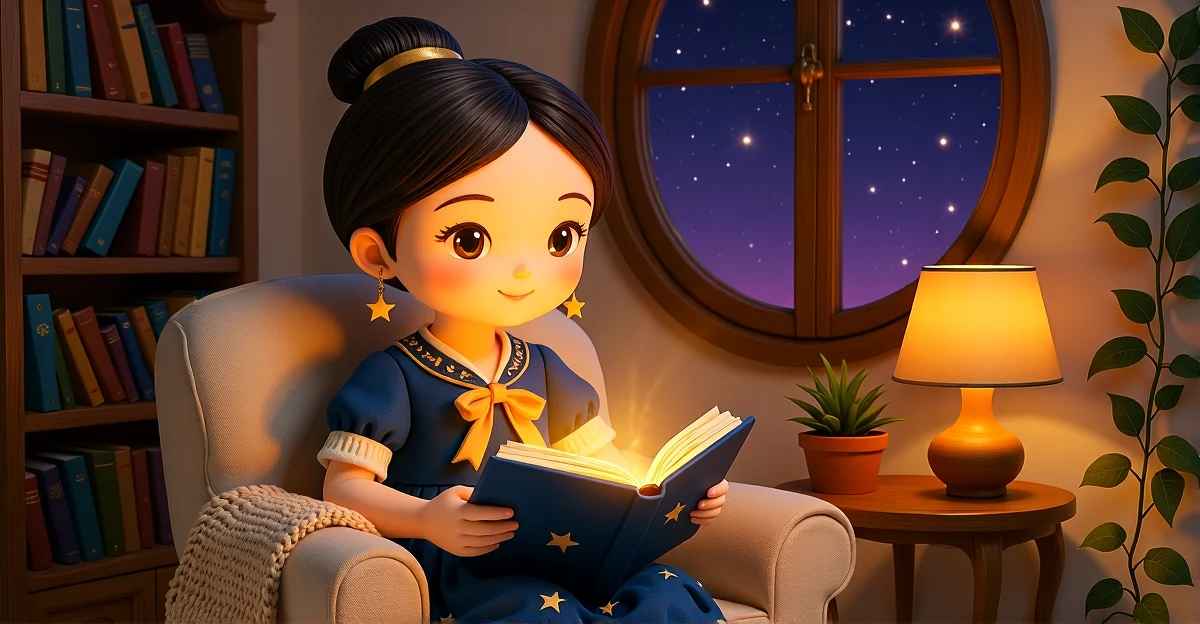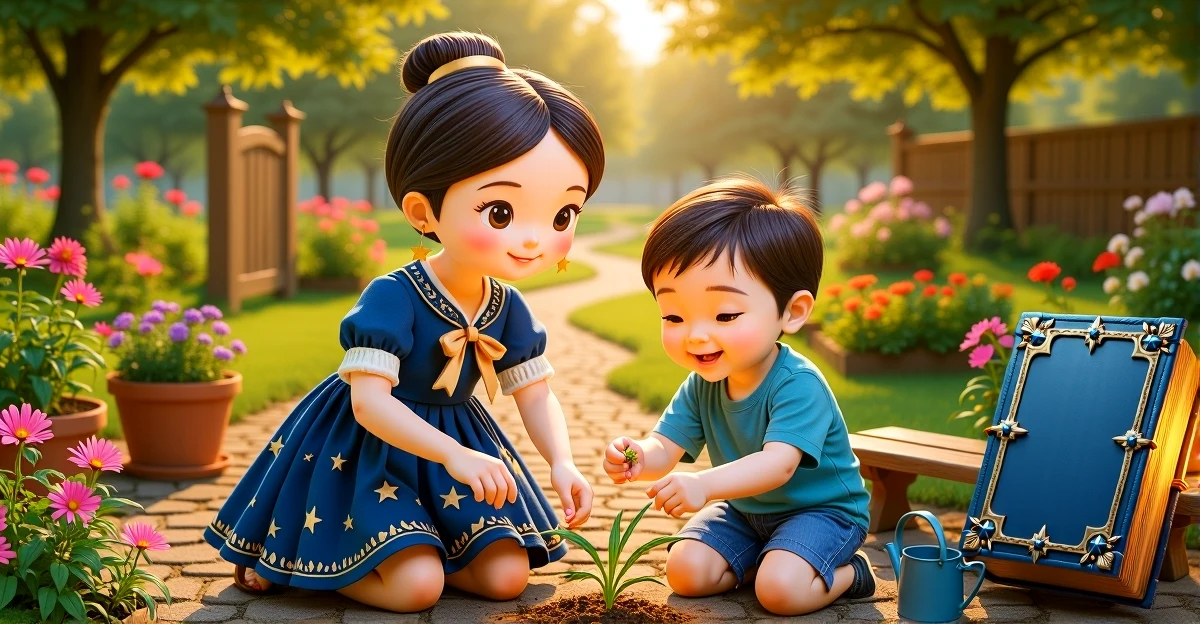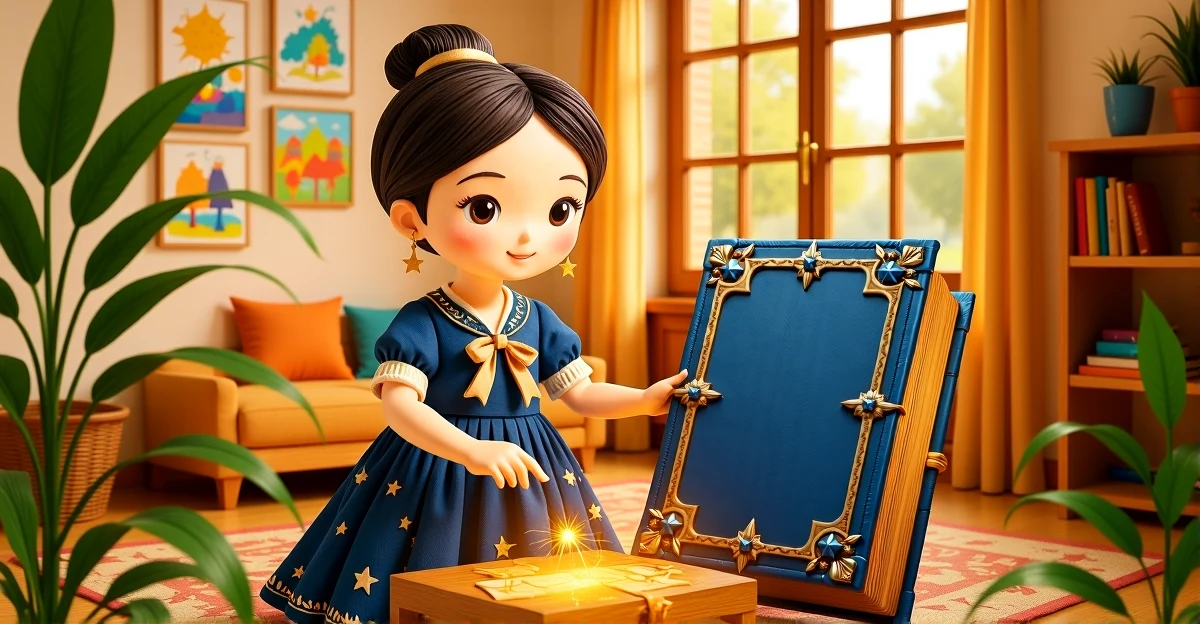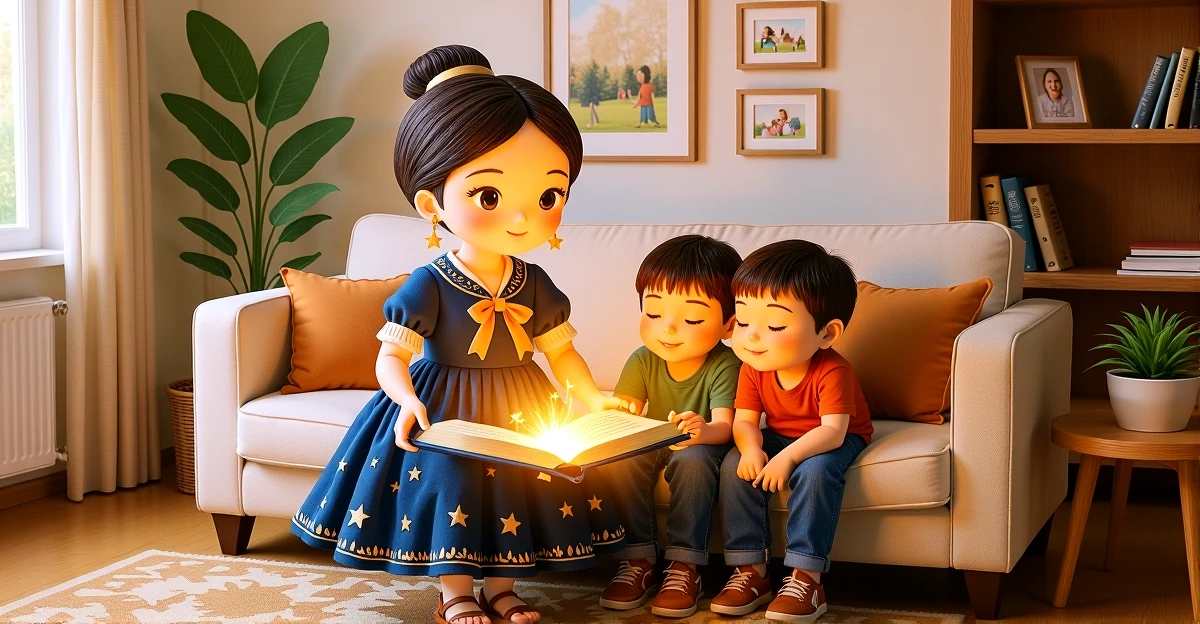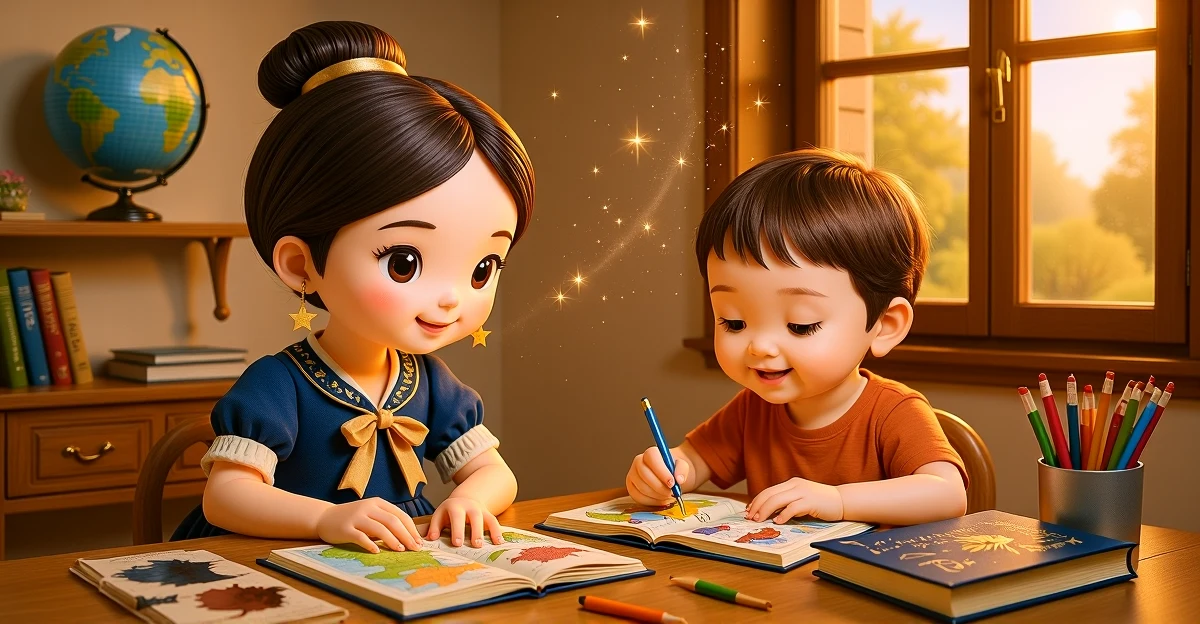

Hello, my wonderful friend! Has your six or seven year old recently asked you, "How can I help the world?" or "What can I do to make things better?" If so, I want you to pause for just a moment and recognize something BEAUTIFUL. The fact that your child is asking this question shows that something magical is happening in their developing heart and mind.
You're not alone in wondering how to nurture this precious impulse. More and more parents are reaching out to the Magic Book and me, asking how they can support their child's natural empathy and help them understand their capacity to make a positive difference. And here's what I want you to know right from the start: you're asking this question at exactly the right time.
In this guide, we're going to explore the science behind empathy development at ages six and seven, discover why this is such a critical window, and learn practical, gentle strategies to nurture your child's caring heart. We'll also explore some beautiful stories from The Book of Inara that help children see themselves as people who can truly change the world, one kind action at a time.
The Golden Window: Why Ages 6-7 Are SO Important for Empathy Development
Here's what the Magic Book showed me, and what research confirms: children ages six and seven are in a truly special developmental window. This is when their brains are developing the capacity to genuinely understand how others feel, to step into someone else's shoes, and to recognize that their actions create ripples that spread far beyond what they can immediately see.
Dr. Nancy Eisenberg, a leading empathy researcher at Arizona State University, has followed children for decades to understand how empathy develops. Her research reveals something WONDERFUL: when children develop empathy-related responding during these early years, they demonstrate better emotional regulation, stronger friendships, and increased motivation to help others throughout their entire lives.
Think about that for a moment. The warm, supportive conversations you're having with your child right now about kindness and helping others? They're not just sweet moments. They're literally shaping your child's capacity for compassion and connection for years to come.
What Makes This Age So Special?
At ages six and seven, children are experiencing some beautiful developmental shifts:
- Growing perspective-taking abilities: They're beginning to understand that other people have different thoughts, feelings, and experiences than they do.
- Increased emotional vocabulary: They can name and talk about feelings in more sophisticated ways.
- Natural curiosity about fairness: They notice when things seem unfair and want to understand why.
- Desire to help and contribute: They genuinely want to make things better and feel proud when they do.
- Capacity for moral reasoning: They're starting to think about right and wrong in more complex ways.
The Collaborative for Academic, Social, and Emotional Learning (CASEL) emphasizes that social and emotional skills help children develop healthy identities, manage their emotions, and contribute positively to their communities. These aren't just nice ideas. This is how children learn to thrive.
Understanding Your Child's Question: What They're Really Asking
When your six or seven year old asks, "How can I help the world?" they're asking something profound. They're not just looking for a task or activity. They're reaching for something deeper: a sense of purpose, a feeling that they matter, an understanding of how they fit into the bigger picture of the world around them.
The Magic Book whispers this truth: children this age are naturally curious about fairness, about helping, about making things better. They notice when someone is sad. They want to fix problems. They ask big questions about the world. This isn't something you need to force or create, my dear friend. It's already there, waiting to be nurtured.
And here's what makes me SO hopeful: growth mindset research shows us that children ages six and seven can learn to believe in their capacity to develop new abilities and make meaningful contributions. They're not limited by who they are right now. They're growing, learning, becoming.
Four Gentle Strategies to Nurture Empathy and Purpose
So how do we support this beautiful development? Let me share what the research and the Magic Book have taught me. These aren't complicated techniques or elaborate programs. They're warm, everyday practices that fit naturally into your family life.
Strategy 1: Help Your Child Recognize How Their Kind Actions Create Ripples
The University of Missouri Extension found something SO important: when adults help children understand that their kindness makes a real difference, children develop intrinsic motivation. That means they WANT to be kind, not because they'll get a reward, but because it feels meaningful and good.
So when your child shares their snack with a friend, you might say, "Did you see how your friend's face lit up? Your kindness just made their whole day brighter." When they help a younger child at the playground, you could notice, "You just helped them feel brave and safe. That's a real gift you gave."
You're not just praising them. You're helping them SEE the impact of their actions. You're teaching them that their kindness has power.
Strategy 2: Model Empathy in Your Own Responses
Here's something beautiful that Dr. Eisenberg's research shows: children whose parents respond with empathy rather than frustration develop better emotional regulation and show reduced anxiety over time.
So when your child is struggling, when they're having big feelings, your warm, understanding response is teaching them how to care for others who are struggling too. When you say, "I can see you're feeling really frustrated right now. That's so hard," you're modeling the empathy you want them to show others.
Your child is watching how you treat them, how you talk about others, how you respond when someone makes a mistake. They're learning empathy by experiencing it from you.
Strategy 3: Encourage Perspective-Taking Through Everyday Moments
You don't need special activities or formal lessons to build perspective-taking skills. Everyday moments are PERFECT for this. Ask questions like:
- "How do you think your sister felt when that happened?"
- "What do you imagine your friend was thinking?"
- "If you were in their shoes, how would you feel?"
- "What do you think they needed in that moment?"
These simple questions build the neural pathways for empathy. They help your child practice stepping outside their own experience and considering someone else's perspective.
Strategy 4: Celebrate Their Natural Compassion
When you notice your child showing kindness, caring about fairness, or wanting to help, name it. "You have such a caring heart." "You noticed someone needed help and you did something about it." "That's what makes the world better."
You're not creating empathy from scratch. You're nurturing what's already there. You're helping your child see themselves as someone with a caring heart, someone whose kindness matters, someone who can make a difference.
From Big Dreams to Small Actions: Making World-Changing Practical
Now, I know what some parents might be thinking. My child wants to "save the world" or "help everyone" and I don't know how to make that feel achievable. And I want to tell you something important: world-changing doesn't mean your child has to do something huge and impossible.
It starts with noticing what needs care and offering help. It begins with one small, kind action.
So when your child asks, "How can I help the world?" you might help them take one small action:
- Make a card for a neighbor who's lonely
- Help clean up litter at the park
- Stand up for a friend who's being left out
- Donate a toy to a child who needs one
- Help care for a family pet or garden
- Share something they love with someone who would enjoy it
These small actions, supported by your warm encouragement, teach your child something powerful: I can make a difference. My kindness matters. I have something valuable to offer the world.
Stories That Help Children See Their World-Changing Power
Here's where I get really excited. The Magic Book and I have some WONDERFUL stories in The Book of Inara that help children see themselves as people who can make a positive difference. Let me share three that are perfect for this beautiful question your child is asking:
The Heart Mirrors of Kindness Center
Perfect for: Ages 6-7
What makes it special: In this story, Rumi and Freya visit a magical center where special mirrors show the kindness in people's hearts. When they look into the mirrors, they discover something AMAZING: their purpose, their special mission, is written right there in their hearts. It's to spread caring friendship wherever they go.
Key lesson: Your Purpose is Written in Your Heart
After reading together: Ask your child, "What do you think your heart's special mission might be? How do you like to show kindness to others?" These conversations are pure magic.
The Kindness Scoreboard
Perfect for: Ages 6-7
What makes it special: Theo and Miles discover that their youth league scoreboard doesn't just track points—it tracks acts of kindness and encouragement. And they learn something WONDERFUL: small caring actions create ripple effects that transform their entire community.
Key lesson: You Can Change the World
After reading together: Notice with your child, "When you do something kind, how does it make other people act? Can you see the ripple effect of your kindness?" Help them become observers of how kindness spreads.
Rumi and Freya's Fix-It Magic
Perfect for: Ages 6-7
What makes it special: When Rumi and Freya discover a magical community workshop where broken things whisper their stories, they learn that fixing small problems with care and creativity can spark big changes in their neighborhood.
Key lesson: You Can Change the World
After reading together: Look around together and ask, "What small thing could we fix or improve in our neighborhood? How might that help others?" This empowers children to see opportunities for positive impact everywhere.
You're Doing Beautifully, My Friend
As we close our time together, I want to leave you with this truth from the Magic Book: ages six and seven are a golden window, yes. But it's not a window that slams shut. It's an invitation. An invitation to notice your child's natural compassion, to nurture it with warmth and stories and everyday moments of connection.
You don't have to have all the answers. You don't have to create elaborate service projects or pressure your child to save the world. You're already doing the most important thing by asking this question, by caring about your child's character, by wanting to nurture their empathy and purpose.
Your warm presence, your modeling of kindness, your celebration of their caring heart—these are the things that matter most.
You're raising a child who can change the world, my wonderful friend. Not someday far in the future, but right now, with every kind word, every caring action, every moment of empathy.
The Magic Book and I believe in you, and we believe in your child's beautiful, caring heart.
With love and starlight,
Inara
Related Articles
- Nurturing Your Child Innovation Mindset: A Gentle Guide for Ages 6-7
- When Your Child Makes Insensitive Comments: A Gentle Guide to Teaching Cultural Awareness
- When Your Child Expresses Thoughts of Self-Harm: Getting Help Now
- Your Child Shows No Interest in Arts or Culture (And That Is Perfectly Okay)
- Nurturing Purpose and Meaning in Young Children: A Gentle Guide for Parents
Show transcript
Hello, my wonderful friend! It's me, Inara, and I am SO happy you're here today. You know, the Magic Book and I have been noticing something truly beautiful. More and more parents are asking us, how can I help my child develop empathy? How can I nurture their natural desire to make the world a better place? And if you're asking this question, I want you to know something IMPORTANT. The fact that you're even thinking about this shows what a thoughtful, caring parent you are.
Today, we're going to talk about something that fills my cosmic heart with so much hope. We're going to explore how children ages six and seven are in this absolutely MAGICAL window for developing empathy, compassion, and that beautiful sense of purpose that helps them see they can make a real difference in the world.
So grab a cozy cup of tea, settle in with me, and let's discover together how to nurture your child's natural capacity for kindness and world-changing impact.
You know what the Magic Book showed me? Research from some of the world's leading child development experts, including Dr. Nancy Eisenberg at Arizona State University, reveals that ages six and seven represent a golden opportunity. This is when children's brains are developing the capacity to truly understand how others feel. They're learning to step into someone else's shoes, to feel genuine concern for others, and to recognize that their actions create ripples that spread far beyond what they can see.
Dr. Eisenberg's research, which has followed children for decades, shows us something WONDERFUL. When children develop empathy-related responding during these early years, they demonstrate better emotional regulation, stronger friendships, and increased motivation to help others throughout their entire lives. Isn't that beautiful?
And here's what makes this even more hopeful. The Collaborative for Academic, Social, and Emotional Learning, they're called CASEL, emphasizes that social and emotional skills help children develop healthy identities, manage their emotions, and contribute positively to their communities. These aren't just nice ideas. This is how children learn to thrive.
Now, I know what some parents might be thinking. My child seems so focused on themselves right now. Is it too late? And I want to tell you with all my heart, absolutely not. Six and seven year olds are PERFECTLY positioned for this learning. Yes, they're still developing. Yes, they're learning to balance their own needs with caring for others. And that's exactly what makes this age so powerful.
The Magic Book whispers this truth. Children this age are naturally curious about fairness, about helping, about making things better. They notice when someone is sad. They want to fix problems. They ask big questions about the world. This isn't something you need to force or create, my dear friend. It's already there, waiting to be nurtured.
So how do we support this beautiful development? Let me share what the research and the Magic Book have taught me.
First, help your child recognize how their kind actions create positive ripples. The University of Missouri Extension found something so important. When adults help children understand that their kindness makes a real difference, children develop intrinsic motivation. That means they WANT to be kind, not because they'll get a reward, but because it feels meaningful and good.
So when your child shares their snack with a friend, you might say, did you see how your friend's face lit up? Your kindness just made their whole day brighter. When they help a younger child at the playground, you could notice, you just helped them feel brave and safe. That's a real gift you gave.
Second, model empathy in your own responses. Dr. Eisenberg's research shows that children whose parents respond with empathy rather than frustration develop better emotional regulation and show reduced anxiety over time. So when your child is struggling, when they're having big feelings, your warm, understanding response is teaching them how to care for others who are struggling too.
Third, encourage perspective-taking through everyday moments. Ask questions like, how do you think your sister felt when that happened? What do you imagine your friend was thinking? These simple questions build the neural pathways for empathy.
And fourth, celebrate their natural compassion. When you notice your child showing kindness, caring about fairness, or wanting to help, name it. You have such a caring heart. You noticed someone needed help and you did something about it. That's what makes the world better.
Now, here's where I get really excited. The Magic Book and I have some WONDERFUL stories that help children see themselves as people who can make a positive difference.
Let me tell you about a story called The Heart Mirrors of Kindness Center. In this story, Rumi and Freya visit a special center where magical mirrors show the kindness in people's hearts. And here's what makes this story so powerful. When Rumi and Freya look into the mirrors, they discover something AMAZING. Their purpose, their special mission, is written right there in their hearts. It's to spread caring friendship wherever they go.
After you share this story with your child, you might ask them, what do you think your heart's special mission might be? How do you like to show kindness to others? These conversations are pure magic.
We also have a story called The Kindness Scoreboard. Theo and Miles discover that their youth league scoreboard doesn't just track points, it tracks acts of kindness and encouragement. And they learn something WONDERFUL. Small caring actions create ripple effects that transform their entire community.
This story shows children that their kindness has real power. After reading it together, you might notice with your child, when you do something kind, how does it make other people act? Can you see the ripple effect of your kindness? These observations help children see themselves as world-changers.
And there's another beautiful story called Rumi and Freya's Fix-It Magic. When Rumi and Freya discover a magical community workshop where broken things whisper their stories, they learn that fixing small problems with care and creativity can spark big changes in their neighborhood.
This story empowers children to look around and ask, what small thing could we fix or improve? How might that help others? It teaches them that world-changing doesn't mean you have to do something huge and impossible. It starts with noticing what needs care and offering your help.
All of these stories are in The Book of Inara, and they're designed to help children see themselves as people with purpose, with the capacity to make their corner of the world a little bit brighter.
You know what fills me with so much hope? Growth mindset research shows us that children ages six and seven can learn to believe in their capacity to develop new abilities and make meaningful contributions. They're not limited by who they are right now. They're growing, learning, becoming.
So when your child asks, how can I help the world? or when they notice something unfair and want to fix it, celebrate that BEAUTIFUL impulse. Help them take one small action. Maybe it's making a card for a neighbor who's lonely. Maybe it's helping clean up litter at the park. Maybe it's standing up for a friend who's being left out.
These small actions, supported by your warm encouragement, teach your child something powerful. I can make a difference. My kindness matters. I have something valuable to offer the world.
And here's what the Magic Book wants you to know, dear friend. You don't have to have all the answers. You don't have to create elaborate service projects or pressure your child to save the world. You're already doing the most important thing by asking this question, by caring about your child's character, by wanting to nurture their empathy and purpose.
Your warm presence, your modeling of kindness, your celebration of their caring heart, these are the things that matter most.
So as we close our time together today, I want to leave you with this. Ages six and seven are a golden window, yes. But it's not a window that slams shut. It's an invitation. An invitation to notice your child's natural compassion, to nurture it with warmth and stories and everyday moments of connection.
You're raising a child who can change the world, my wonderful friend. Not someday far in the future, but right now, with every kind word, every caring action, every moment of empathy.
The Magic Book and I believe in you, and we believe in your child's beautiful, caring heart.
Sweet dreams, and until our next adventure together, with love and starlight, Inara.