
You are mid-sentence, sharing something important with your partner, when suddenly your three-year-old tugs on your sleeve. Mommy! Mommy! Mommy! The words tumble out in an urgent stream, completely derailing your conversation. You take a breath, ask them to wait, and try to continue. But within seconds, they are back, interrupting again with whatever thought just popped into their mind.
If this sounds familiar, you are not alone. Constant interruptions are one of the most common challenges parents face with children ages three to four. And here is what I want you to know right from the start: your child is not being disrespectful. They are not trying to drive you up the wall. What is actually happening is SO much more interesting, and when you understand it, everything shifts.
In this post, we will explore why young children interrupt, what research tells us about their developing brains, and most importantly, gentle strategies that actually work to help them learn patient conversation skills. Plus, I will share a beautiful story from The Book of Inara that teaches this concept in a magical way children truly understand.
Understanding Why Children Interrupt: It is Development, Not Defiance
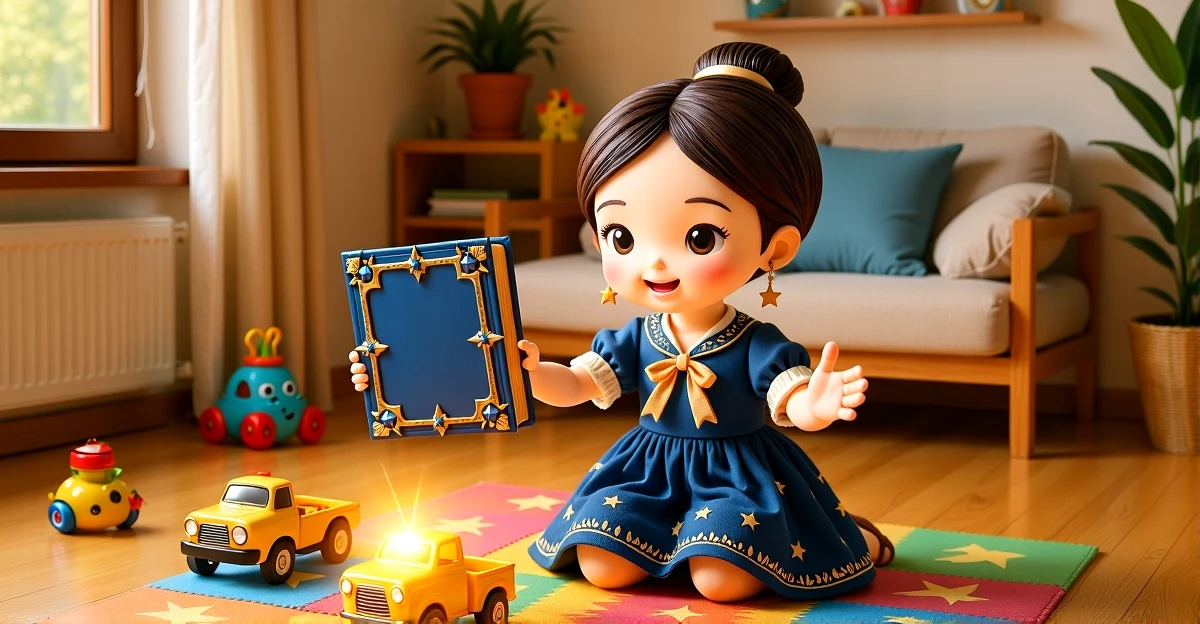
The Magic Book taught me something wonderful about children ages three and four, and research backs this up beautifully. At this age, their little brains are still developing something called impulse control. Now, impulse control is like a muscle that helps us wait, helps us pause before we speak, helps us take turns. And just like any muscle, it takes YEARS to fully develop.
Research from child development experts shows us that preschoolers simply have not developed much impulse control yet. When a thought pops into their mind, their brain does not have the ability to say, Oh, I should wait until Mom finishes talking. Instead, their brain says, I have something to say RIGHT NOW, and their mouth follows immediately.
This is not defiance. This is development. And that is such an important distinction.
What the Research Shows
The Raising Children Network, a trusted Australian parenting resource, explains it beautifully. They note that interrupting usually happens when children cannot control their urge to talk. It is not that they do not want to wait. It is that they literally cannot control that urge yet. Their developing brain is learning, step by step, how to manage those impulses.
Interrupting usually happens when children cannot control their urge to talk. Learning to wait is part of positive and respectful communication, but it takes time and practice.
— Raising Children Network Australia
Medical experts note that at ages three to four, children still have not developed much impulse control, which directly impacts their conversation abilities. This developmental stage requires patience from parents rather than punishment.
The Beautiful Truth Behind the Interruptions
Here is something the Magic Book whispers to me often, and I want you to really hear this: your child interrupting is actually a sign of something beautiful. It means they want to connect with you. It means they have thoughts and ideas they are excited to share. It means they see you as their safe person, the one they can always turn to.
Yes, they need to learn to wait. Yes, they need to develop patience and respect for others conversations. But underneath that learning is this beautiful truth: they love you. They want to be close to you. They think you are the most important person in their universe.
When you see interrupting through this lens, it becomes easier to respond with patience instead of frustration. You are not dealing with a behavior problem. You are guiding a developing brain toward an important social skill.
Gentle Strategies That Actually Work
So if interrupting is developmental, what can you actually do to help your child learn this skill? Here are research-backed strategies that work, and more importantly, WHY they work.
1. The Hand-on-Arm Technique
This is SO beautiful and comes highly recommended by child development experts. Teach your child that when you are talking to someone and they need to say something, they can gently place their hand on your arm. Then, you place your hand on top of theirs to show them you have noticed.
Why it works: This gives them a way to communicate their need without interrupting, and it honors their desire to connect with you. When you touch their hand back, they feel seen and heard, even while they are waiting. It acknowledges their need to communicate, which is real and important, while teaching them a gentle way to signal that need.
2. Remember Their Waiting Capacity is Limited
Younger preschoolers can only wait for very short periods. If your child is three or four, they might only be able to wait for a quick just a minute before they really need your attention. And that is completely normal. As they grow, their ability to wait will grow too.
What to do: If you are on an important phone call, pause briefly and acknowledge your child with I see you, I will be with you in just a minute, then return to your call. That brief acknowledgment can help them feel seen while they practice waiting.
3. Role Model Patient Listening
When your child is speaking, show them what patient listening looks like. Make eye contact. Wait until they finish before you respond. Children learn conversation skills by watching us, and you are their most important teacher.
Bonus tip: If you catch yourself interrupting them, acknowledge it! Say, Oh, I am sorry, I interrupted you. Please finish your thought. This teaches them that everyone is learning these skills, even grown-ups.
4. Practice Through Play
Make learning conversation skills fun! Play games where you take turns talking. Use a special object like a talking stick. Whoever holds the stick gets to speak while everyone else listens. Then you pass it to the next person. This teaches turn-taking in a playful, pressure-free way.
5. Create a Listening Corner
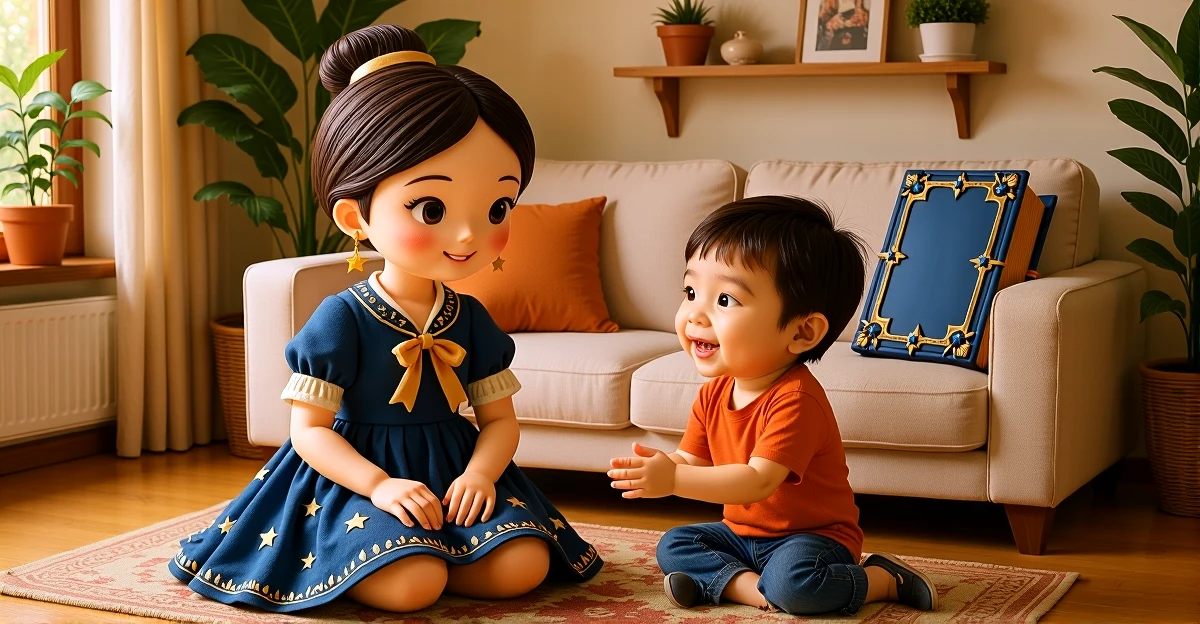
The Magic Book showed me this beautiful idea. Create a special listening space in your home. It does not have to be fancy. Just a cozy corner with some soft cushions where you and your child can sit together and practice taking turns sharing your thoughts.
This dedicated space helps children understand that listening is important and special. It gives them a concrete place where the rules of patient conversation are practiced and celebrated.
6. Celebrate Small Wins
When your child DOES wait patiently, even for just a few seconds, celebrate that! You can say, I noticed you waited so patiently while I finished talking. That was wonderful! Thank you!
Why it works: This positive reinforcement helps their brain understand, Oh, waiting feels good. People notice when I do it. I want to do that again. We often only notice when children interrupt, not when they wait. Shifting your focus to celebrating the small wins changes everything.
Stories That Can Help
In The Book of Inara, we have beautiful stories that bring these concepts to life for your child in magical, memorable ways:
The Listening Garden Corner
Perfect for: Ages 2-3 (and great for 3-4 too!)
What makes it special: This story directly addresses patient listening and taking turns in conversation through the magical metaphor of idea-flowers that bloom when Milo and Nana listen patiently to each other. The story teaches that when we interrupt or talk too fast, our ideas dim, but when we listen patiently, beautiful understanding grows.
Key lesson: When Nana talks too quickly and excitedly, the glowing seeds begin to dim and fade away, showing children the natural consequence of not listening. When they learn to take turns and listen patiently, the seeds grow into beautiful idea-flowers.
How to use it: After reading this story with your child, create your own listening corner at home with cozy cushions. Remind your child that their ideas are like those glowing seeds. They need patient listening to grow into beautiful flowers. This gives them a concrete, magical way to understand why waiting and listening matters.
What to Do in the Moment
Knowing the why is wonderful, but you also need practical tools for right now, when your child interrupts for the fifth time in ten minutes.
Stay calm. Take a breath. Remember, they are not being disrespectful. They are learning. You can gently say, I hear that you have something to say. I am talking with someone right now. Please wait just a moment, and then I will listen to you.
If they are very young or the wait feels too long, pause your conversation briefly, acknowledge your child with I see you, I will be with you in just a minute, and then return to your conversation. That brief acknowledgment can help them feel seen while they practice waiting.
Be consistent. Use the same approach each time. Children learn through repetition and consistency. The hand-on-arm technique works best when it becomes a familiar routine they can rely on.
You Are Doing Beautifully
The research is so clear on this: children learn conversation skills through role-modeling, gentle prompting, guided practice, and consistent routines. It is not about punishment or harsh corrections. It is about patient, loving guidance over time.
Remember, wonderful parent, you are not just teaching your child not to interrupt. You are teaching them how to connect, how to communicate, how to be in relationship with others. And that is some of the most important work in the universe.
Every time you model good listening, every time you acknowledge their need to speak while also teaching them to wait, you are building skills that will serve them for their entire life. Conversation skills, turn-taking, patient listening. These are gifts you are giving your child.
And you are doing it beautifully, even on the hard days. Especially on the hard days.
The Magic Book and I are always here for you. We have stories that teach patience, listening, and taking turns in gentle, magical ways. Until next time, may your conversations be filled with connection and understanding.
With love and starlight,
Inara
Related Articles
- Understanding Your Child's Social Development: Why Playing Alone is Normal (Ages 3-4)
- Teaching Sharing and Turn-Taking to Preschoolers: A Gentle Parenting Guide
- Teaching Manners Without Power Struggles: A Gentle Parenting Guide
- Understanding Your Child's Rough Play: A Gentle Guide to Teaching Empathy
- Teaching Personal Space to Young Children: A Gentle Parenting Guide
Show transcript
Hello, wonderful parent! It's me, Inara, and I am so happy you're here today. You know, the Magic Book and I have been noticing something that so many parents are experiencing right now. Your little one keeps interrupting conversations, and I want you to know something really important. You're not alone in this, and what you're experiencing is actually a beautiful sign of your child's growing brain.
Let me start by saying this. I see you. I see you trying to have a phone call while your three year old tugs on your sleeve saying Mommy, Mommy, Mommy. I see you attempting to talk with another parent at pickup while your child jumps in with their own story. And I see the frustration building because it feels like they just won't wait, even for a moment.
Here's what I want you to know. Your child isn't being rude. They're not trying to drive you up the wall. What's actually happening is SO much more interesting, and when you understand it, everything shifts.
The Magic Book taught me something wonderful about children ages three and four. At this age, their little brains are still developing something called impulse control. Now, impulse control is like a muscle that helps us wait, helps us pause before we speak, helps us take turns. And just like any muscle, it takes YEARS to fully develop.
Research from child development experts shows us that preschoolers simply haven't developed much impulse control yet. When a thought pops into their mind, their brain doesn't have the ability to say, Oh, I should wait until Mom finishes talking. Instead, their brain says, I have something to say RIGHT NOW, and their mouth follows immediately.
This isn't defiance. This is development. And that's such an important distinction.
The Raising Children Network, which is a trusted resource for parents, explains it beautifully. They say that interrupting usually happens when children can't control their urge to talk. It's not that they don't want to wait. It's that they literally cannot control that urge yet. Their developing brain is learning, step by step, how to manage those impulses.
Now, I know what you might be thinking. But Inara, if I don't teach them now, won't they interrupt forever? And I love that question because it shows how much you care about helping your child learn. The answer is no, they won't interrupt forever. With your gentle guidance and patient teaching, they will absolutely learn this skill. It just takes time and practice.
So let's talk about some gentle strategies that actually work. These come from both research and from the wisdom the Magic Book has shared with me over thousands of years.
First, try the hand on arm technique. This is SO beautiful. Teach your child that when you're talking to someone and they need to say something, they can gently place their hand on your arm. Then, you place your hand on top of theirs to show them you've noticed. This gives them a way to communicate their need without interrupting, and it honors their desire to connect with you.
Second, remember that younger preschoolers can only wait for very short periods. If your child is three or four, they might only be able to wait for a quick Just a minute before they really need your attention. And that's completely normal. As they grow, their ability to wait will grow too.
Third, role model the behavior you want to see. When your child is speaking, show them what patient listening looks like. Make eye contact. Wait until they finish before you respond. Children learn conversation skills by watching us, and you are their most important teacher.
Fourth, practice together. You can make this fun! Play games where you take turns talking. Use a special object like a talking stick. Whoever holds the stick gets to speak while everyone else listens. Then you pass it to the next person. This teaches turn taking in a playful, pressure free way.
And here's something else the Magic Book showed me. Create a special listening space in your home. It doesn't have to be fancy. Just a cozy corner with some soft cushions where you and your child can sit together and practice taking turns sharing your thoughts.
Actually, this reminds me of a story we have in The Book of Inara called The Listening Garden Corner. It's about Milo and Nana, and they discover this magical corner where their thoughts become tiny glowing seeds. When they listen patiently to each other, those seeds grow into beautiful idea flowers. But when they talk too fast or interrupt, the seeds dim and fade away.
This story is so SPECIAL because it shows children, in a gentle magical way, what happens when we listen patiently versus when we rush to speak. It's not about shame or being bad. It's about understanding that our ideas bloom most beautifully when we give them space and attention.
After you read this story with your child, you can create your own listening corner at home. Remind them that their ideas are like those glowing seeds. They need patient listening to grow into beautiful flowers. This gives them a concrete, magical way to understand why waiting and listening matters.
Now, let's talk about what to do in the moment when your child interrupts. Because knowing the why is wonderful, but you also need practical tools for right now.
When your child interrupts, stay calm. Take a breath. Remember, they're not being disrespectful. They're learning. You can gently say, I hear that you have something to say. I'm talking with someone right now. Please wait just a moment, and then I'll listen to you.
If they're very young or the wait feels too long, you can pause your conversation briefly, acknowledge your child with I see you, I'll be with you in just a minute, and then return to your conversation. That brief acknowledgment can help them feel seen while they practice waiting.
And here's something really important. When your child DOES wait patiently, even for just a few seconds, celebrate that! You can say, I noticed you waited so patiently while I finished talking. That was wonderful! Thank you! This positive reinforcement helps their brain understand, Oh, waiting feels good. People notice when I do it. I want to do that again.
The research is so clear on this. Children learn conversation skills through role modeling, gentle prompting, guided practice, and consistent routines. It's not about punishment or harsh corrections. It's about patient, loving guidance over time.
And I want to remind you of something the Magic Book whispers to me often. Your child's interrupting is actually a sign of something beautiful. It means they want to connect with you. It means they have thoughts and ideas they're excited to share. It means they see you as their safe person, the one they can always turn to.
Yes, they need to learn to wait. Yes, they need to develop patience and respect for others' conversations. But underneath that learning is this beautiful truth. They love you. They want to be close to you. They think you're the most important person in their universe.
So as you teach them, do it with gentleness. Do it with patience. Do it knowing that every time you model good listening, every time you acknowledge their need to speak while also teaching them to wait, you're building skills that will serve them for their entire life.
Conversation skills, turn taking, patient listening. These are gifts you're giving your child. And you're doing it beautifully, even on the hard days. Especially on the hard days.
The Magic Book and I are always here for you. We have stories that teach patience, listening, and taking turns in gentle, magical ways. Stories like The Listening Garden Corner that I mentioned, and so many others. You can find them all in The Book of Inara.
Remember, wonderful parent, you're not just teaching your child not to interrupt. You're teaching them how to connect, how to communicate, how to be in relationship with others. And that's some of the most important work in the universe.
Sweet dreams and patient conversations, my wonderful friend. With love and starlight, Inara.