
Your child used to be curious. They used to ask questions, try new things, and light up when they learned something new. But somewhere along the way, something changed. Now they say "I can't" before even trying. They refuse to do homework. They've stopped raising their hand in class. And when you encourage them to try, they shut down completely.
If this sounds familiar, I want you to know something really important: you are not alone. This is one of the most heartbreaking challenges a parent can face, and I see you. I see how much you care, how much you want to help, and how worried you might be feeling right now.
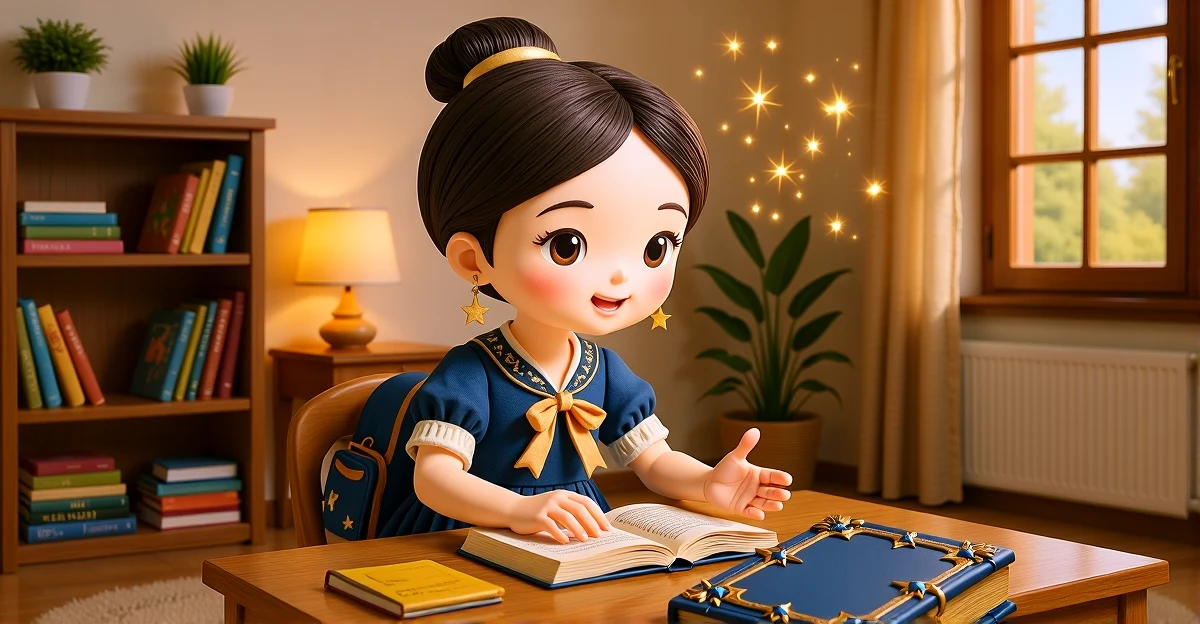
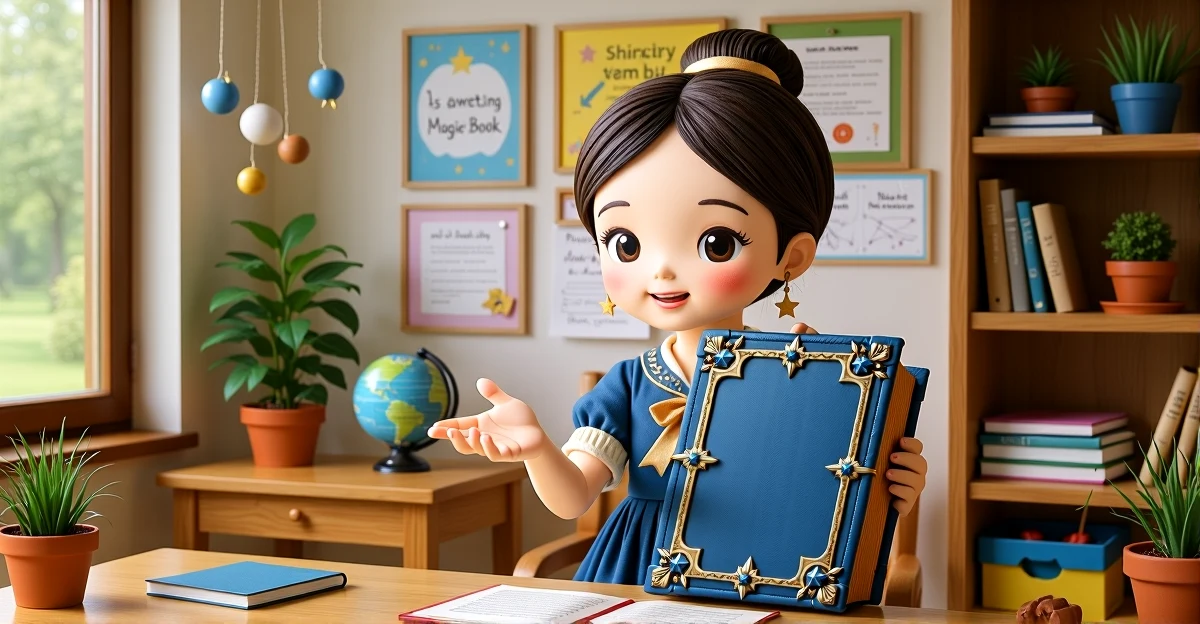
But here's what the Magic Book taught me, and I promise this will shift everything. Your child hasn't given up on learning. They've learned something else instead. They've learned to protect their heart from more hurt. And the beautiful news? What they've learned, they can unlearn. In this guide, we'll explore why children develop learning shutdown and the evidence-based strategies that help them rediscover their natural curiosity and love of learning.
Understanding Learned Helplessness: It's Not Laziness, It's Self-Protection
When children around ages six and seven encounter challenges at school that feel overwhelming, something happens in their minds. Researchers call it learned helplessness, but I think of it differently. I think of it as a child building walls around their heart to keep the disappointment out.
And you know what? That makes perfect sense. If trying leads to failure, and failure hurts, then not trying feels safer. It's not laziness. It's self-protection.
Dr. Ginna Guiang-Myers, who studies how children learn, says something beautiful: "The antidote to learned helplessness is realistic optimism. If children can learn helplessness, they can learn realistic optimism." Isn't that WONDERFUL? Your child's brain is incredibly flexible right now. What they've learned, they can unlearn. What feels impossible today can become possible tomorrow.
How Learning Shutdown Develops
Learned helplessness develops when children repeatedly experience situations where their efforts don't lead to success. Over time, they begin to believe that nothing they do will make a difference. This belief becomes so strong that they stop trying altogether, even when success is actually within reach.
Research from the National Association for the Education of Young Children shows that children who are mentally healthy tend to be happier, show greater motivation to learn, and have more positive attitudes toward school. Conversely, children who exhibit social and emotional difficulties tend to have trouble following directions and participating in learning activities.
The key insight here is that this isn't about your child being broken or deficient. This is about their emotional health and their relationship with learning. And both of those things can be nurtured and healed.
What Research Tells Us About Academic Confidence
The research on learned helplessness and academic motivation is both sobering and hopeful. Studies demonstrate that children's social and emotional health directly affects their academic motivation. When children feel safe, supported, and valued, they show greater willingness to learn and more positive attitudes toward school.
"Children who have trusting relationships with their teachers are more willing to ask questions, solve problems, try new tasks, and express their thinking than their peers without such relationships."
— National Association for the Education of Young Children
This tells us something crucial: the foundation of academic confidence isn't intelligence or natural ability. It's relationships. It's trust. It's feeling safe enough to fail and try again.
Research published in the European Journal of Psychology of Education demonstrates that school self-efficacy plays a protective role against learned helplessness in academic settings. When children believe in their ability to learn and grow, they're more resilient in the face of challenges.
The consensus among child development experts is clear: when parents and teachers respond to academic struggles with warmth, patience, and emphasis on effort rather than ability, children develop the resilience and confidence needed to reengage with learning. Academic challenges at this age are opportunities for growth, not indicators of permanent limitations.
The Power of Praising Effort Over Ability
This is SO important, and it's one of the most powerful shifts you can make starting today. When we say "You're so smart," we accidentally teach children that success comes from being smart, not from trying hard. But when we say "I can see how much effort you put into that" or "You kept trying even when it was hard - that's amazing," we teach them that persistence is what matters. We teach them that their effort creates their success.
This isn't just feel-good advice. Research on growth mindset shows that children who believe their abilities can grow through effort are more likely to persist through challenges, embrace mistakes as learning opportunities, and ultimately achieve more than children who believe their abilities are fixed.
What This Looks Like in Practice
Instead of: "You're so smart at math!"
Try: "I love how you worked through that problem step by step."
Instead of: "You're a natural reader!"
Try: "You've been practicing your reading every day, and I can see how much you've improved."
Instead of: "You're just not good at this."
Try: "This is challenging right now, but with practice, you'll get better."
The difference is subtle but profound. One approach teaches children that success is about who they are (fixed). The other teaches them that success is about what they do (growth).
Gentle Strategies That Actually Work
Now let's talk about practical things you can try starting today. These strategies are backed by research and aligned with gentle parenting principles:
1. Celebrate the Effort, Not Just the Outcome
When your child tries something at school, even if they don't get it right, celebrate that they tried. Say things like "You worked so hard on that" or "I love how you didn't give up." This teaches them that trying is valuable in itself, regardless of the result.
2. Set Tiny, Achievable Goals Together
Instead of saying "You need to do better in school," try saying "This week, let's focus on trying one math problem, even if it's hard." Small goals feel achievable. Success with small goals builds confidence for bigger ones. Break down overwhelming tasks into bite-sized pieces that feel manageable.
3. Share Your Own Struggles
Tell your child about times when YOU found something hard, when YOU made mistakes, when YOU had to keep trying. This shows them that struggle is normal, that everyone faces challenges, and that persistence is how we grow. It normalizes the learning process and removes shame from difficulty.
4. Build Unconditional Love and Support
Make sure your child knows that your love is unconditional. They need to hear: "I love you whether you get an A or a C. I love you when school is easy and when it's hard. I love you for who you are, not for what you achieve." This is the foundation of everything. When children know they're loved unconditionally, they feel safe enough to take risks and try again.
5. Normalize Mistakes as Learning Opportunities
The Magic Book taught me that every mistake is just information. It's your brain saying "Okay, that way didn't work, let's try another way." When children see mistakes as terrible failures instead of helpful feedback, they stop trying. But when they see mistakes as part of learning, everything changes. Celebrate mistakes in your home. Say things like "Oops, that didn't work! What can we learn from this?"
6. Create a Trusting Relationship
Research from NAEYC shows that trusting teacher-child and parent-child relationships are essential for children's willingness to try new tasks and persist through challenges. Your relationship with your child is the foundation. When they know you love them whether they succeed or fail, that's when they feel safe enough to try again.
A Story That Can Help: The Condor and the Hummingbird
In The Book of Inara, we have a beautiful story that shows children exactly what we've been talking about. It's called The Condor and the Hummingbird, and it's a traditional tale from Peru.
The Condor and the Hummingbird
Perfect for: Ages 6-7
What makes it special: In this story, a tiny hummingbird faces an impossible challenge against a mighty condor. The condor is huge, powerful, and seems unbeatable. The hummingbird is small and delicate. But here's what happens: the hummingbird doesn't give up. Even when the challenge seems impossible, even when everyone expects the condor to win, the hummingbird keeps trying. And through persistence and dedication, through showing up again and again, the hummingbird discovers that determination matters more than size or power.
Key lesson: When children hear this story, something magical happens. They start to see that they don't have to be the biggest or the strongest or the smartest to succeed. They just have to keep trying. They just have to show up. Small, steady efforts create big changes over time.
How to use it: After you read this story with your child, you can talk about it together. You can say "You know, you're like that hummingbird. You don't have to be perfect at school. You just have to keep trying, just like the hummingbird did. And I'll be right here with you, cheering you on."
You're Doing Beautifully
If your child has given up on school, I want you to know this: they haven't given up on learning. They've just learned the wrong lesson. They've learned that trying leads to hurt. Your job, my wonderful friend, is to teach them a new lesson. To show them that trying leads to growth. That mistakes are information. That persistence is a superpower. That they are capable of so much more than they know.
Your child's brain is still developing. The part that handles persistence, that manages frustration, that believes in trying again - that part is still growing. And it grows through experience, through practice, through having adults who believe in them even when they don't believe in themselves yet.
The research is so clear on this. When parents respond to academic struggles with warmth, patience, and emphasis on effort rather than ability, children develop the resilience and confidence needed to reengage with learning. You have the power to help your child rediscover their natural curiosity and love of learning.
The Magic Book and I believe in you. We believe in your child. Keep showing up with love. Keep celebrating effort. Keep believing in their potential. The spark of curiosity is still there, just waiting to be rekindled.
With love and starlight,
Inara
Related Articles
- How to Nurture Your Child's Empathy and World-Changing Impact (Ages 6-7)
- Nurturing Your Child Innovation Mindset: A Gentle Guide for Ages 6-7
- When Your Child Makes Insensitive Comments: A Gentle Guide to Teaching Cultural Awareness
- When Your Child Expresses Thoughts of Self-Harm: Getting Help Now
- Nurturing Purpose and Meaning in Young Children: A Gentle Guide for Parents
Show transcript
Hello, wonderful parent! It's me, Inara, and I'm so glad you're here today. I want to start by saying something really important. If your child has been struggling with school, if they've stopped trying, if they say things like I can't do it or I'm just not good at this, I want you to know that you are not alone. This is one of the most heartbreaking challenges a parent can face, and I see you. I see how much you care, how much you want to help, and how worried you might be feeling right now.
But here's what the Magic Book taught me, and I promise this will shift everything. Your child hasn't given up on learning. They've learned something else instead. They've learned to protect their heart from more hurt.
Let me explain what I mean. When children around ages six and seven encounter challenges at school that feel overwhelming, something happens in their minds. Researchers call it learned helplessness, but I think of it differently. I think of it as a child building walls around their heart to keep the disappointment out. And you know what? That makes perfect sense. If trying leads to failure, and failure hurts, then not trying feels safer. It's not laziness, my friend. It's self-protection.
Dr. Ginna Guiang-Myers, who studies how children learn, says something beautiful. She says, the antidote to learned helplessness is realistic optimism. If children can learn helplessness, they can learn realistic optimism. Isn't that WONDERFUL? Your child's brain is incredibly flexible right now. What they've learned, they can unlearn. What feels impossible today can become possible tomorrow.
The research shows us something else that's really important. Children who are mentally healthy, who feel safe and supported, show greater motivation to learn and have more positive attitudes toward school. This isn't about fixing your child, because your child isn't broken. This is about creating the conditions where their natural curiosity can bloom again.
So what creates those conditions? The Magic Book whispers three things.
First, trusting relationships. Research from the National Association for the Education of Young Children shows that children who have trusting relationships with their teachers and parents are more willing to ask questions, solve problems, and try new tasks. Your relationship with your child is the foundation. When they know you love them whether they succeed or fail, whether they get an A or struggle with reading, that's when they feel safe enough to try again.
Second, praising effort instead of ability. This is SO important. When we say, You're so smart, we accidentally teach children that success comes from being smart, not from trying hard. But when we say, I can see how much effort you put into that, or You kept trying even when it was hard, that's amazing, we teach them that persistence is what matters. We teach them that their effort creates their success.
And third, normalizing mistakes as learning opportunities. The Magic Book taught me that every mistake is just information. It's your brain saying, Okay, that way didn't work, let's try another way. When children see mistakes as terrible failures instead of helpful feedback, they stop trying. But when they see mistakes as part of learning, everything changes.
Now, I want to tell you about a story that shows this beautifully. It's called The Condor and the Hummingbird, and it's a traditional tale from Peru. In this story, a tiny hummingbird faces an impossible challenge against a mighty condor. The condor is huge, powerful, and seems unbeatable. The hummingbird is small and delicate. But here's what happens. The hummingbird doesn't give up. Even when the challenge seems impossible, even when everyone expects the condor to win, the hummingbird keeps trying. And through persistence and dedication, through showing up again and again, the hummingbird discovers that determination matters more than size or power.
When children hear this story, something magical happens. They start to see that they don't have to be the biggest or the strongest or the smartest to succeed. They just have to keep trying. They just have to show up. Small, steady efforts create big changes over time.
After you read this story with your child, you can talk about it together. You can say, You know, you're like that hummingbird. You don't have to be perfect at school. You just have to keep trying, just like the hummingbird did. And I'll be right here with you, cheering you on.
Here are some practical things you can try starting today. First, celebrate the effort, not just the outcome. When your child tries something at school, even if they don't get it right, celebrate that they tried. Say things like, You worked so hard on that, or I love how you didn't give up.
Second, set tiny goals together. Instead of saying, You need to do better in school, try saying, This week, let's focus on trying one math problem, even if it's hard. Small goals feel achievable. Success with small goals builds confidence for bigger ones.
Third, share your own struggles. Tell your child about times when YOU found something hard, when YOU made mistakes, when YOU had to keep trying. This shows them that struggle is normal, that everyone faces challenges, and that persistence is how we grow.
And fourth, make sure your child knows that your love is unconditional. They need to hear, I love you whether you get an A or a C. I love you when school is easy and when it's hard. I love you for who you are, not for what you achieve. This is the foundation of everything.
The research is so clear on this. When parents and teachers respond to academic struggles with warmth, patience, and emphasis on effort rather than ability, children develop the resilience and confidence needed to reengage with learning. Academic challenges at this age are opportunities for growth, not indicators of permanent limitations.
Your child's brain is still developing. The part that handles persistence, that manages frustration, that believes in trying again, that part is still growing. And it grows through experience, through practice, through having adults who believe in them even when they don't believe in themselves yet.
So if your child has given up on school, I want you to know this. They haven't given up on learning. They've just learned the wrong lesson. They've learned that trying leads to hurt. Your job, my wonderful friend, is to teach them a new lesson. To show them that trying leads to growth. That mistakes are information. That persistence is a superpower. That they are capable of so much more than they know.
The Magic Book and I believe in you. We believe in your child. And we have stories that can help. The Condor and the Hummingbird is waiting for you in The Book of Inara. Read it together. Talk about it. Let it plant seeds of hope and persistence in your child's heart.
You're doing beautifully, my friend. Your child is so lucky to have you. Keep showing up with love, keep celebrating effort, keep believing in their potential. The spark of curiosity is still there, just waiting to be rekindled.
With love and starlight, Inara.