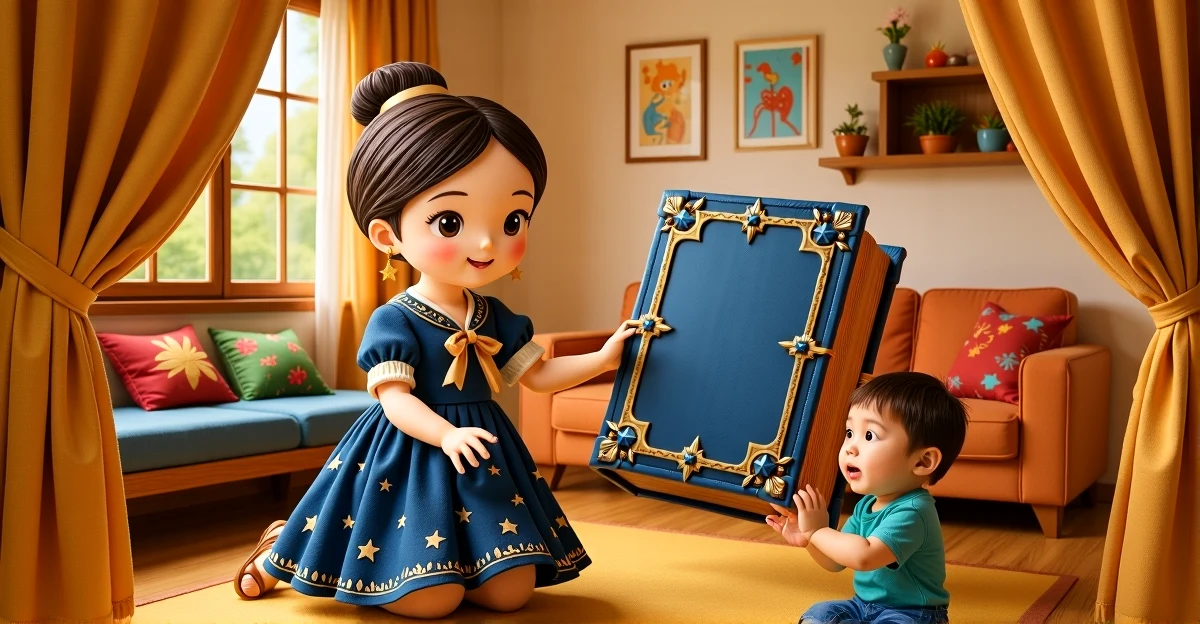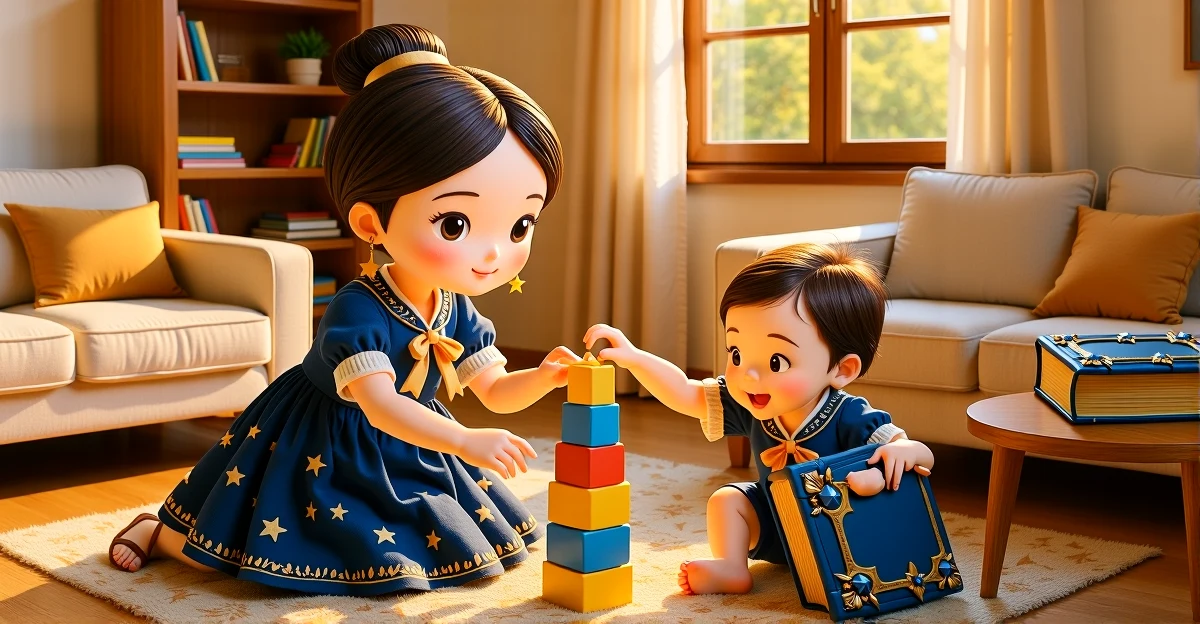
Your three-year-old stands in front of the mirror, studying their reflection with those curious eyes that see the world as one big adventure. They're discovering something profound right now—they're discovering who they are. And you, my wonderful friend, get to be part of this beautiful, cosmic journey of self-discovery.
If you've been wondering how to help your child feel good about themselves and their abilities, you're asking one of the MOST important questions a parent can ask. The fact that you're here, seeking ways to nurture your child's confidence and self-esteem, tells me you're already doing something wonderful. You're paying attention to your child's heart.
In this guide, we'll explore the research-backed ways you can support your 3-4 year old's developing sense of self through everyday moments of connection. You'll discover why this stage is SO critical, what the science tells us about how confidence develops, and gentle strategies you can use starting today. Plus, I'll share a beautiful story that brings these concepts to life for your little one.
Why Ages 3-4 Are Critical for Self-Concept Development
Here's something the Magic Book taught me that will change how you see this stage: Right now, at ages three and four, your little one is in the middle of something absolutely cosmic. They're developing what researchers call their "self-concept"—it's like they're painting a picture of themselves in their own mind, and every interaction, every moment of connection with you, adds another brushstroke to that beautiful painting.
Research shows us that children this age are learning to organize their emotions and understand themselves through the relationships they have with the people who love them most. That's you, my friend. You are helping your child discover who they are.
During this developmental window, children begin forming dispositional self-concepts that serve as organizing frameworks for their emotional experiences. These early self-perceptions become the foundation for how they'll see themselves throughout their lives. When we understand this, we realize that our everyday interactions aren't just moments—they're building blocks of our children's lifelong sense of self.
What This Looks Like in Real Life
You might notice your child:
- Talking about what they can and can't do ("I'm good at jumping!" or "I can't do puzzles")
- Comparing themselves to others ("She runs faster than me")
- Seeking your approval and watching your reactions closely
- Expressing pride in their accomplishments or frustration with challenges
- Testing boundaries as they figure out who they are in relation to others
All of these behaviors are signs that your child is actively constructing their sense of self. And here's the beautiful truth: You don't have to be perfect. You don't have to have all the answers. What matters most is something you're already doing—you're showing up with love.
What Research Tells Us About Building Confidence
Let me share what the research reveals about how confidence and self-worth develop in young children. When caregivers express warmth, affection, and genuine respect, when they listen attentively and reflect children's feelings back to them, something magical happens. Children feel heard. They feel valued. They feel safe to express themselves authentically.
"Listening to children attentively and reflectively enhances their self-worth and confidence. When teachers actively listen to children, they convey that they care about what the children have to say, and the children are more likely to share their thoughts, ideas, feelings, and stories."
— Jeannie Ho and Suzanne Funk, National Association for the Education of Young Children
This validation, this deep listening, enhances children's self-worth and confidence in ways that last a lifetime. Research from the Merrill Palmer Quarterly demonstrates that children as young as 3-4 years old are actively developing self-concepts that serve as organizing frameworks for their emotional experiences.
Here's something beautiful that researchers discovered: Children who are socially and emotionally healthy tend to be in positive moods. They listen and follow directions not because they're being controlled, but because they feel connected. They have close relationships with the people who care for them. And all of this starts with how we respond to them in these early years.
The Confidence Paradox
Now, I want to share something else the research tells us that might surprise you. Confidence doesn't come from constant praise. It doesn't come from telling children they're perfect at everything. Real confidence, lasting confidence, comes from authentic relationships where children's feelings are validated, their efforts are recognized, and they're supported in developing genuine competence through age-appropriate challenges.
So you don't have to praise every single thing your child does. You don't have to make everything they create a masterpiece. What you DO need to do is notice their effort. Acknowledge their persistence. Celebrate their courage to try.
Five Gentle Ways to Nurture Your Child's Confidence Every Day
Let me share some gentle, research-backed strategies you can use to support your child's developing sense of self. These aren't complicated techniques—they're simple shifts in how we connect with our children that make a profound difference.
1. Listen With Your Whole Heart
When your child tells you about the tower they built or the picture they drew or the bug they found in the garden, stop what you're doing if you can. Get down to their level. Look into their eyes. And really listen. Not just to the words, but to the excitement in their voice, the pride in their accomplishment, the wonder in their discovery.
Then, reflect it back to them. You might say something like, "You built that tower so carefully, I can see how proud you are!" Or, "You noticed that bug had six legs—you're really paying attention to the world around you!"
This isn't empty praise, my friend. This is genuine recognition of their effort, their curiosity, their unique way of seeing the world. And when children feel truly seen, their confidence blooms like flowers in starlight.
2. Accept and Reflect Their Feelings
When your child says they're scared or frustrated or excited or proud, don't rush to fix it or change it. Just acknowledge it. You might say, "You seem really frustrated that the puzzle piece won't fit. That can feel so hard!" Or, "I can see the sparkles in your eyes—you're so excited about going to the park!"
When we accept and reflect children's feelings, we're teaching them that all emotions are okay. We're showing them that they can trust their own inner experience. And that trust in themselves—that's the foundation of confidence.
3. Let Them Try (Even When It's Hard to Watch)
I know, my friend, I know. It's so tempting to jump in and help when you see them struggling. But here's what the Magic Book showed me: When children are allowed to tackle challenges, to make mistakes, to try again, they're building something precious. They're building resilience. They're learning that they're capable.
So when your child is trying to put on their shoes and they're on the wrong feet, take a breath. When they're pouring their own milk and it's spilling everywhere, take another breath. These aren't failures, my friend. These are learning moments. These are confidence-building moments.
You might say something like, "You're working so hard on those shoes! Do they feel right?" Or, "Pouring is tricky! You're learning how to control the cup. Want to try again?"
4. Celebrate Their Unique Gifts
Every child has special talents, special ways of being in the world. Maybe your child is gentle and thoughtful. Maybe they're energetic and bold. Maybe they love music or building or storytelling or helping others. Whatever makes them uniquely THEM, notice it. Name it. Celebrate it.
Instead of saying, "That's the best picture ever!" you might say, "You used so many colors in your picture! Tell me about it." Instead of, "You're so smart!" you might say, "You worked really hard on that puzzle and you figured it out!"
Do you see the difference? One focuses on the outcome, on being the best. The other focuses on the process, on the effort, on the learning. And that's where real confidence lives.
5. Model Confidence Yourself
Children learn by watching us. When you make a mistake and say, "Oops, I spilled my coffee! Let me clean that up," you're teaching them that mistakes are normal. When you try something new and say, "I've never done this before, but I'm going to give it a try!" you're teaching them courage.
Your child is watching you, my friend. And when they see you treating yourself with kindness, when they see you being brave, when they see you believing in yourself, they're learning that they can do those things too.
A Story That Brings This to Life
In The Book of Inara, we have a beautiful story that shows children how their unique gifts make the world more beautiful. Let me tell you about it:
The Garden of Growing Gifts
Perfect for: Ages 2-3 (and wonderful for 3-4 year olds too!)
What makes it special: This story beautifully addresses confidence building by showing children discovering and celebrating their unique talents. Ayli loves storytelling and Igar loves building, and at first, they wonder if their different gifts matter. But then something wonderful happens. When they share their special talents in a magical honeymoon garden, the flowers bloom in unique patterns that celebrate every person's gifts.
Key lesson: A wise butterfly teaches them that their different talents make the garden more beautiful, not less. And the same is true for your child, my friend. Their unique gifts, whatever they are, make the world more beautiful.
How to use this story: After you read this story together, you might ask your child, "What are your special gifts? What do you love to do?" And then listen deeply to their answer. Reflect it back to them. Help them see their own unique talents through your loving eyes.
You're Doing Beautifully
Building confidence and self-esteem isn't about creating perfect children. It's about creating safe, loving spaces where children can discover who they truly are. It's about being their steady presence while they explore, their soft place to land when things are hard, their biggest cheerleader when they succeed.
You're already doing this, my friend. Every time you listen with your whole heart. Every time you validate their feelings. Every time you let them try, even when it's messy. Every time you celebrate their unique gifts. You're helping your child build a strong, healthy sense of self that will carry them through their whole life.
Remember, your child is painting their self-portrait right now, and every moment of genuine connection, every instance of deep listening, every celebration of their unique way of being—these are the brushstrokes that create a masterpiece of self-worth and confidence.
The Magic Book and I believe in you. We believe in your child. And we're here to support you on this beautiful journey.
With love and starlight,
Inara
Related Articles
- Understanding Your Child's Social Development: Why Playing Alone is Normal (Ages 3-4)
- Why Your Child Melts Down at Gentle Correction (And How to Help): Understanding Sensitivity in Ages 3-4
- When Your Child Refuses New Activities: Understanding Neophobia (Ages 3-4)
- Why Your Child Follows You Everywhere and How to Build Independent Play
- Supporting Your Shy Child: Understanding Behavioral Inhibition in Young Children
Show transcript
Hello, my wonderful friend! It's me, Inara, and I am SO happy you're here today. You know, the Magic Book and I have been noticing something beautiful happening in homes all around the world. Parents like you are asking such an important question. How can I help my child feel good about themselves and their abilities?
And I want you to know something right from the start. The fact that you're even asking this question tells me you're already doing something WONDERFUL. You're paying attention to your child's heart, to their sense of self, and that matters more than you might realize.
So grab a cozy cup of tea, settle in with me, and let's talk about this magical time in your child's life when they're discovering who they are.
You know what the Magic Book taught me? Right now, at ages three and four, your little one is in the middle of something absolutely cosmic. They're developing what researchers call their self-concept. It's like they're painting a picture of themselves in their own mind, and every interaction, every moment of connection with you, adds another brushstroke to that beautiful painting.
And here's what makes this so special. The research shows us that children this age are learning to organize their emotions and understand themselves through the relationships they have with the people who love them most. That's you, my friend. You are helping your child discover who they are.
Now, I know this might feel like a lot of pressure, but here's the truth the Magic Book whispers to me. You don't have to be perfect. You don't have to have all the answers. What matters most is something you're already doing. You're showing up with love.
Let me share what the research tells us about how confidence and self-worth develop in young children. When caregivers express warmth, affection, and genuine respect, when they listen attentively and reflect children's feelings back to them, something magical happens. Children feel heard. They feel valued. They feel safe to express themselves authentically.
And that validation, that deep listening, it enhances their self-worth and confidence in ways that last a lifetime.
Here's something beautiful that researchers discovered. Children who are socially and emotionally healthy tend to be in positive moods. They listen and follow directions not because they're being controlled, but because they feel connected. They have close relationships with the people who care for them. And all of this starts with how we respond to them in these early years.
So what does this look like in everyday life? Let me share some gentle ways you can nurture your child's confidence every single day.
First, listen with your whole heart. When your child tells you about the tower they built or the picture they drew or the bug they found in the garden, stop what you're doing if you can. Get down to their level. Look into their eyes. And really listen. Not just to the words, but to the excitement in their voice, the pride in their accomplishment, the wonder in their discovery.
And then, reflect it back to them. You might say something like, You built that tower so carefully, I can see how proud you are! Or, You noticed that bug had six legs, you're really paying attention to the world around you!
This isn't empty praise, my friend. This is genuine recognition of their effort, their curiosity, their unique way of seeing the world. And when children feel truly seen, their confidence blooms like flowers in starlight.
Second, accept and reflect their feelings. When your child says they're scared or frustrated or excited or proud, don't rush to fix it or change it. Just acknowledge it. You might say, You seem really frustrated that the puzzle piece won't fit. That can feel so hard! Or, I can see the sparkles in your eyes, you're so excited about going to the park!
When we accept and reflect children's feelings, we're teaching them that all emotions are okay. We're showing them that they can trust their own inner experience. And that trust in themselves, that's the foundation of confidence.
Third, let them try things on their own, even when it's hard to watch. I know, my friend, I know. It's so tempting to jump in and help when you see them struggling. But here's what the Magic Book showed me. When children are allowed to tackle challenges, to make mistakes, to try again, they're building something precious. They're building resilience. They're learning that they're capable.
So when your child is trying to put on their shoes and they're on the wrong feet, take a breath. When they're pouring their own milk and it's spilling everywhere, take another breath. These aren't failures, my friend. These are learning moments. These are confidence-building moments.
You might say something like, You're working so hard on those shoes! Do they feel right? Or, Pouring is tricky! You're learning how to control the cup. Want to try again?
Fourth, celebrate their unique gifts. Every child has special talents, special ways of being in the world. Maybe your child is gentle and thoughtful. Maybe they're energetic and bold. Maybe they love music or building or storytelling or helping others. Whatever makes them uniquely THEM, notice it. Name it. Celebrate it.
And this is where I want to tell you about a story that shows this so beautifully. It's called The Garden of Growing Gifts, and it's about two friends, Ayli and Igar, who discover a magical honeymoon garden.
In this story, Ayli loves storytelling and Igar loves building, and at first, they wonder if their different gifts matter. But then something wonderful happens. When they share their special talents, the flowers in the garden bloom in unique patterns that celebrate every person's gifts.
A wise butterfly teaches them that their different talents make the garden more beautiful, not less. And the same is true for your child, my friend. Their unique gifts, whatever they are, make the world more beautiful.
After you read this story together, you might ask your child, What are your special gifts? What do you love to do? And then listen deeply to their answer. Reflect it back to them. Help them see their own unique talents through your loving eyes.
Now, I want to share something else the research tells us. Confidence doesn't come from constant praise. It doesn't come from telling children they're perfect at everything. Real confidence, lasting confidence, comes from authentic relationships where children's feelings are validated, their efforts are recognized, and they're supported in developing genuine competence through age-appropriate challenges.
So you don't have to praise every single thing your child does. You don't have to make everything they create a masterpiece. What you DO need to do is notice their effort. Acknowledge their persistence. Celebrate their courage to try.
Instead of saying, That's the best picture ever! you might say, You used so many colors in your picture! Tell me about it. Instead of, You're so smart! you might say, You worked really hard on that puzzle and you figured it out!
Do you see the difference, my friend? One focuses on the outcome, on being the best. The other focuses on the process, on the effort, on the learning. And that's where real confidence lives.
Here's something else that's so important. Model confidence yourself. Children learn by watching us. When you make a mistake and say, Oops, I spilled my coffee! Let me clean that up, you're teaching them that mistakes are normal. When you try something new and say, I've never done this before, but I'm going to give it a try! you're teaching them courage.
Your child is watching you, my friend. And when they see you treating yourself with kindness, when they see you being brave, when they see you believing in yourself, they're learning that they can do those things too.
And finally, remember this. Building confidence and self-esteem isn't about creating perfect children. It's about creating safe, loving spaces where children can discover who they truly are. It's about being their steady presence while they explore, their soft place to land when things are hard, their biggest cheerleader when they succeed.
You're already doing this, my friend. Every time you listen with your whole heart. Every time you validate their feelings. Every time you let them try, even when it's messy. Every time you celebrate their unique gifts. You're helping your child build a strong, healthy sense of self that will carry them through their whole life.
The Magic Book and I believe in you. We believe in your child. And we're here to support you on this beautiful journey.
If you'd like more stories that help children discover their special gifts and build confidence, you can find them in The Book of Inara. Stories like The Garden of Growing Gifts are waiting there, ready to spark conversations and nurture your child's growing sense of self.
Thank you for being here with me today, my wonderful friend. Thank you for caring so deeply about your child's heart. You're doing beautifully.
With love and starlight, Inara.